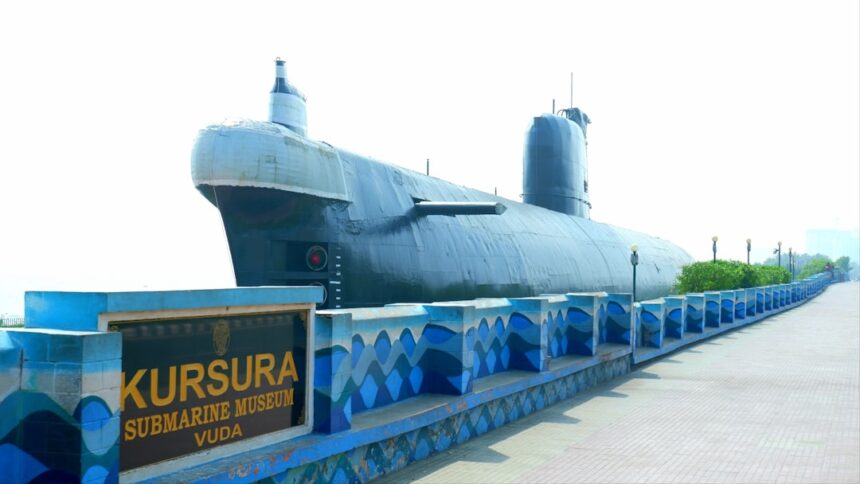
The silent service, a paradox of immense power operating in profound obscurity, has long captivated the public imagination. Nuclear submarines, the apex predators of the underwater realm, are instruments of national security that project power and deter aggression with a stealth that is almost mythical. Uncovering the secrets of their patrols is a journey into a world defined by rigorous training, advanced technology, and an unwavering commitment to duty. While the operational details of these missions remain classified, a comprehensive understanding of their purpose, capabilities, and the environments in which they operate allows for an informed exploration of their hidden world.
The existence and operational tempo of nuclear submarines are not arbitrary. They are the culmination of decades of strategic planning and technological development, designed to meet specific global security challenges. Their patrols are not mere deployments; they are intricate chess moves on a global board, each designed to achieve a predefined strategic objective.
Deterrence: The Unseen Shield
Ballistic Missile Submarines (SSBNs): The Ultimate Sword of Damocles
The primary role of an SSBN is strategic deterrence. These vessels carry intercontinental ballistic missiles (ICBMs) tipped with nuclear warheads. Their true power lies not in their immediate deployment but in their survivability and the credible threat they represent. By remaining hidden beneath the ocean’s surface, they are virtually impossible to locate and destroy in a first strike. This makes them a crucial component of a nation’s second-strike capability, ensuring that any aggressor would face catastrophic retaliation, thus deterring them from initiating a nuclear conflict. Imagine a carefully placed landmine, invisible to the casual observer, but whose presence alone dictates the path of those who might tread nearby. The SSBN is that landmine, writ large across the ocean floor.
Submarine-Launched Ballistic Missiles (SLBMs): The Mobile Arsenal
The missiles themselves, the SLBMs, are sophisticated weapons systems capable of reaching targets thousands of miles away. Their range and accuracy, combined with the submarine’s mobility, create a flexible and unpredictable deterrent. The launch sequence can be initiated from a submerged position, adding another layer of complexity and doubt for an adversary. The very uncertainty of their location and readiness is what makes them such a potent deterrent.
Hunter-Killer Submarines (SSNs): The Guardians of the Fleet
While SSBNs represent the ultimate deterrent, SSNs are the workhorses of the submarine force, engaged in a more active and varied role. Their patrols are designed to project power, gather intelligence, and protect other naval assets.
Anti-Submarine Warfare (ASW): Silencing the Threat
A significant aspect of SSN patrols is dedicated to detecting and neutralizing enemy submarines. In a conflict scenario, enemy submarines, particularly attack submarines, pose a significant threat to friendly naval forces, especially to the vital SSBNs. SSNs are equipped with advanced sonar systems and weapons designed to hunt and destroy these underwater adversaries. Their ability to shadow and neutralize enemy submarines is crucial for maintaining the safety of other naval operations and for securing the strategic advantage.
Anti-Surface Warfare (ASUW): Striking the Enemy’s Surface Fleet
SSNs are also capable of engaging enemy surface vessels. While their primary role is often underwater, they can ascend to periscope depth or surface to launch cruise missiles or torpedoes at enemy ships. This capability allows them to act as a surprise attacking force, capable of inflicting significant damage on an adversary’s fleet. They are the silent assassins of the sea lanes, appearing from the depths to deliver a decisive blow.
Intelligence, Surveillance, and Reconnaissance (ISR): The Eyes and Ears of the Deep
Beyond kinetic warfare, SSNs play a vital role in intelligence gathering. Their stealth allows them to operate undetected in sensitive areas, collecting vital information on enemy activities, naval movements, and strategic installations.
Covert Operations and Special Warfare Support
In certain scenarios, SSNs can be used to support special operations forces. This can involve inserting or extracting special forces teams from enemy territory, a mission requiring extreme stealth and precision. The submarine serves as a highly specialized transport and insertion platform, a ghost ship delivering its unseen cargo.
In recent discussions surrounding military strategy and national security, the topic of nuclear submarine patrol secrets has gained significant attention. A related article that delves deeper into the implications of these covert operations can be found on In The War Room, which explores the strategic importance of maintaining secrecy in submarine missions and the potential risks involved. For more insights, you can read the article here: In The War Room.
The Technological Marvel: Engineering for the Abyss
The operation of nuclear submarines is a testament to human ingenuity and engineering prowess. These vessels are not merely ships; they are complex, self-contained ecosystems designed to operate for months at a time, thousands of feet below the surface, under immense pressure. Their technological sophistication is the bedrock upon which their effectiveness is built.
The Nuclear Reactor: The Heart of the Beast
The defining characteristic of nuclear submarines is their power source: a nuclear reactor. This compact and highly efficient engine provides virtually unlimited power, allowing the submarine to remain submerged for extended periods, limited only by food and crew endurance.
Propulsion Systems: Silent Movement
The reactor powers the submarine’s propulsion system, which is designed for maximum stealth. Modern nuclear submarines utilize pump-jet propulsors or highly optimized propeller designs that minimize acoustic signatures, making them incredibly difficult to detect by sonar. The goal is to move through the water with the grace and silence of a spectral presence.
Sonar Systems: The Ears of the Submarine
Sonar is the submarine’s primary means of “seeing” in the underwater environment. Advanced passive and active sonar arrays allow submarines to detect, classify, and track other vessels, as well as underwater geological features.
Passive Sonar: Listening to the Symphony of the Sea
Passive sonar listens to the sounds generated by other vessels and the environment. This is a crucial component of stealth, as it does not emit any sound that could reveal the submarine’s presence. The sonar technician is akin to a highly skilled ornithologist, identifying a specific bird by its unique song amidst the cacophony of a forest.
Active Sonar: The “Ping” of Detection
Active sonar emits a sound pulse and listens for the echo. While more detectable than passive sonar, it provides more precise information about distance and bearing. However, its use is often restricted to situations where stealth is less critical or when a positive identification is required.
Weapons Systems: The Tools of the Trade
Nuclear submarines are armed with a variety of weapons designed for both offensive and defensive purposes.
Torpedoes: The Classic Underwater Weapon
Torpedoes remain a primary weapon for submarines, effective against both surface ships and other submarines. Modern torpedoes are highly advanced, with sophisticated guidance systems and warheads.
Cruise Missiles: Extending the Reach
Many nuclear submarines are equipped with vertical launch systems (VLS) that allow them to deploy cruise missiles. These missiles can target land-based objectives or surface ships, significantly extending the submarine’s offensive reach.
Ballistic Missiles (for SSBNs): The Strategic Deterrent
As mentioned previously, SSBNs carry a payload of SLBMs, the ultimate deterrent. The launch tubes for these immense missiles are a defining feature of these strategic submarines.
The Human Element: The Crew in the Silent Depths
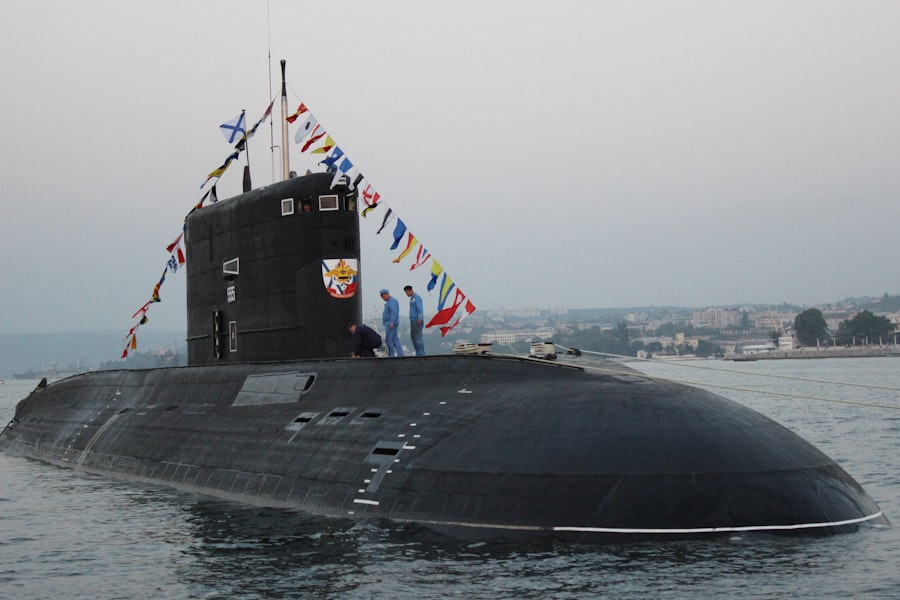
Beyond the steel hull and advanced technology, the true essence of a nuclear submarine’s operational success lies with its crew. These are highly trained individuals who live and work in a confined, high-pressure environment for extended periods, performing critical missions with unwavering discipline.
Rigorous Training and Selection: The Elite of the Navy
Becoming a submariner, especially on a nuclear-powered vessel, requires a rigorous selection process and intensive training. Candidates must possess exceptional physical and mental fortitude, a high level of technical aptitude, and the ability to work effectively as part of a tight-knit team.
The Submarine Duty: A Life of Sacrifice
Life aboard a submarine is characterized by its unique demands. Crews spend months at sea, detached from family and the outside world. The confined spaces, the constant hum of machinery, and the absence of natural light are realities that require a significant degree of personal sacrifice.
Watches and Routine: Maintaining Vigilance
The operational tempo aboard a submarine necessitates a strict watch schedule. Crews work in shifts, ensuring that critical systems are monitored and that the submarine remains ready for any eventuality. This constant state of vigilance is a hallmark of submarine service.
Compartmentalization and Teamwork: The Key to Survival
The nature of submarine operations demands an exceptional level of teamwork and compartmentalization. Each crew member has a specific role and responsibility, and their ability to rely on each other is paramount. A breakdown in this chain of command or a failure in communication can have catastrophic consequences. The submarine operates as a single organism, with each cell performing its vital function in synchronicity.
The Command Structure: Leadership in Isolation
The commanding officer of a nuclear submarine holds immense responsibility. They are the ultimate decision-maker, responsible for the safety of the crew, the execution of the mission, and the strategic deployment of the vessel’s formidable capabilities. The isolation of the underwater environment amplifies the importance of strong, decisive leadership.
Navigating the Unseen: The Operational Environment
The operational environment for a nuclear submarine is the vast, three-dimensional world of the ocean. This is a realm of immense pressure, varying temperatures, and acoustic phenomena that submarines are designed to exploit and navigate.
The Ocean’s Depths: A World of Pressure and Darkness
Nuclear submarines operate at depths that would instantly crush most surface vessels. The immense hydrostatic pressure is a constant factor, demanding robust hull construction and careful operational procedures. The complete absence of natural light necessitates reliance on internal illumination and technological sensors.
Acoustic Warfare: The Battlefield of Sound
The underwater environment is a battlefield of sound. Sonar, both active and passive, is the primary means of detection and evasion. Submarines are constantly engaged in a complex interplay of obscuring their own acoustic signature while attempting to detect and classify the signatures of potential threats. This is a silent war fought with sound waves, where the faintest whisper can betray a presence.
Tactical Maneuvering: The Art of Stealth and Evasion
Submarine captains are masters of tactical maneuvering, skilled in using the underwater terrain and their vessel’s capabilities to remain undetected. This can involve using thermal layers in the water to mask their acoustic signature or maneuvering through underwater canyons to break sonar contact.
The Arctic Challenge: Operating Under the Ice
Operating in the Arctic presents unique challenges for submarines. The presence of sea ice can limit maneuverability and complicate sonar operations. However, the Arctic also offers strategic advantages, providing cover and access to vital sea lanes. Submarines are equipped to operate beneath the ice, a feat that requires specialized training and equipment.
Recent discussions surrounding nuclear submarine patrol secrets have highlighted the delicate balance between national security and transparency. For those interested in a deeper exploration of this topic, an insightful article can be found at this link, which delves into the implications of these classified operations and their impact on global maritime strategy. Understanding the intricacies of such missions is crucial for grasping the broader context of modern naval warfare.
The Legacy and the Future: Evolving Threats and Capabilities
| Metric | Description | Typical Value |
|---|---|---|
| Patrol Duration | Length of time a nuclear submarine remains on patrol without returning to base | 60-90 days |
| Patrol Area | Geographic region where the submarine operates during patrol | Classified, typically oceanic strategic zones |
| Communication Frequency | Frequency and method of communication with command during patrol | Infrequent, low probability of intercept (LPI) methods |
| Number of Submarines on Patrol | Estimated number of nuclear submarines deployed on patrol at any given time | 4-6 (varies by nation) |
| Stealth Measures | Techniques used to avoid detection during patrol | Acoustic quieting, emission control, deep ocean operation |
| Patrol Secrecy Level | Classification level of patrol details and mission | Top Secret / Classified |
The role of nuclear submarines has evolved significantly since their inception, and their importance in global security is likely to endure. As technology advances and geopolitical landscapes shift, so too will the capabilities and missions of these underwater behemoths.
The Enduring Threat of Peer Competitors
The resurgence of strategic competition between major powers necessitates a continued investment in robust submarine forces. The ability to project power, deter aggression, and gather intelligence remains critical in a world where potential adversaries are developing their own advanced submarine capabilities.
Emerging Technologies: The Next Generation of Submarines
The future of nuclear submarines will undoubtedly be shaped by emerging technologies. Advances in artificial intelligence, autonomous systems, and new materials will likely lead to submarines that are even stealthier, more capable, and potentially more persistent in their operations. The development of drone integration and advanced sensor fusion will further enhance their intelligence-gathering and operational effectiveness.
The Continuing Enigma: The Unseen Guardians
Despite the increasing understanding of submarine capabilities, much about their patrols remains shrouded in secrecy. This deliberate obscurity is an inherent part of their strategic value. They are the unseen guardians, the silent arbiters of a delicate global balance, their missions a testament to the complex and often hidden machinations of national security. The secrets they carry beneath the waves are not just operational details but the very sinews of deterrence and the unwritten narratives of global stability.
FAQs
What is the primary purpose of nuclear submarine patrols?
Nuclear submarine patrols are primarily conducted to maintain strategic deterrence by ensuring a continuous at-sea presence of nuclear-armed submarines. This capability allows a country to respond to any nuclear threat, thereby deterring potential adversaries from launching a first strike.
How do nuclear submarines remain undetected during patrols?
Nuclear submarines use advanced stealth technology, including sound-absorbing materials and quiet propulsion systems, to minimize noise and avoid detection by sonar. They also operate in deep and remote ocean areas, making it difficult for adversaries to track their movements.
What kind of information is kept secret about nuclear submarine patrols?
Details such as patrol routes, exact locations, mission durations, and operational tactics are classified to protect the security and effectiveness of the submarines. Revealing such information could compromise their stealth and strategic advantage.
How long can a nuclear submarine stay on patrol without resurfacing?
Nuclear submarines can remain submerged for several months at a time, limited mainly by food supplies and crew endurance rather than fuel, as their nuclear reactors provide virtually unlimited power.
Which countries operate nuclear submarines capable of strategic patrols?
Countries known to operate nuclear-powered ballistic missile submarines (SSBNs) for strategic patrols include the United States, Russia, the United Kingdom, France, and China. These submarines form a critical part of their nuclear deterrent forces.