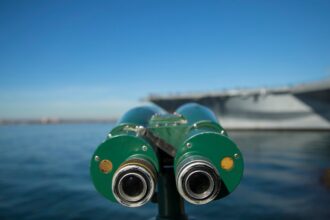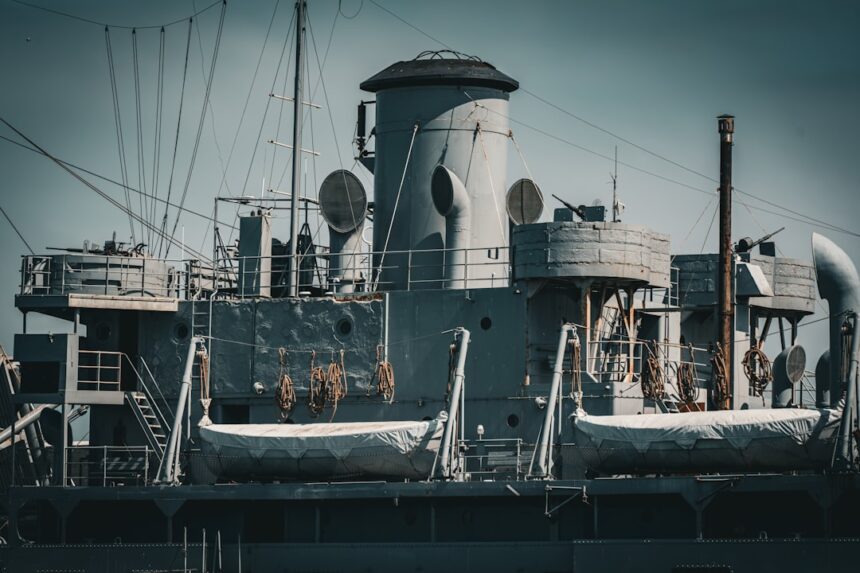
The domain of naval intelligence, a seemingly recondite sphere of activity, has profoundly shaped global events throughout history. Its evolution, from rudimentary observations to sophisticated technological endeavors, reflects humanity’s continuous quest for strategic advantage at sea. This exploration delves into the foundational aspects and pivotal moments that define this critical discipline, offering a more nuanced understanding of its enduring impact.
The origins of naval intelligence are deeply intertwined with the very concept of naval warfare itself. Before the advent of specialized intelligence agencies, naval commanders relied on a combination of observation, espionage, and interrogation to gather information about enemy fleets, their movements, and their capabilities.
Early Maritime Reconnaissance
In antiquity, maritime powers like the Phoenicians, Greeks, and Romans employed scouts and swift vessels to observe the seas. These early forms of intelligence gathering were often ad-hoc and localized. The primary objective was typically tactical: understanding the immediate threat and informing battle plans. For instance, Roman triremes might be dispatched to ascertain the size and disposition of a Carthaginian fleet, a process akin to taking the pulse of the enemy’s naval strength.
The Rise of Naval Signaling and Ciphers
As naval engagements grew in complexity, the need for secure communication became paramount. This necessity spurred the development of signaling systems and, subsequently, cryptography. Flags, lights, and auditory signals allowed for limited information exchange between ships or with shore stations. However, the inherent vulnerability of these open communications systems led to the creation of rudimentary ciphers. These early attempts at encryption were often simple substitution ciphers, but they represented a significant step towards protecting sensitive naval information. The age of sail, in particular, saw various signal books and code systems implemented by navies across Europe, highlighting the increasing recognition of information security as a vital component of naval operations.
Naval intelligence has played a crucial role in shaping maritime strategy and operations throughout history. For a deeper understanding of this topic, you can explore the article on the evolution of naval intelligence and its impact on modern warfare. This insightful piece provides a comprehensive overview of key developments and case studies that highlight the significance of naval intelligence in various conflicts. To read more, visit this article.
The Age of Empire and the Formalization of Naval Intelligence
With the expansion of European empires and the intensification of global maritime trade and power projection, naval intelligence began to transcend mere tactical observation, evolving into a more formalized and strategic discipline.
The British Admiralty’s Early Efforts
The British Admiralty, presiding over the world’s most powerful navy for centuries, pioneered many of the organizational structures that would define modern naval intelligence. During the Napoleonic Wars, for example, intelligence gathering became a formalized, though still rudimentary, process. Agents were deployed to observe French naval movements, dockyard activities, and ship construction. This era saw the emergence of dedicated intelligence roles within the naval hierarchy, albeit often unheralded. The Admiralty’s intelligence efforts were akin to a vast, sprawling net, attempting to capture glimpses of enemy activities across a vast oceanic canvas.
The Impact of Technological Advancements
The 19th century brought a wave of technological innovation that significantly altered the landscape of naval intelligence. The telegraph, for instance, revolutionized communication, allowing for the rapid transmission of intelligence reports over vast distances. Steamships, with their increased speed and range, expanded the operational areas for intelligence collection. The invention of sophisticated optical instruments also improved reconnaissance capabilities. These advancements presented both opportunities and challenges, necessitating new methods for information collection, analysis, and dissemination, and simultaneously creating new vulnerabilities for exploitation by adversary intelligence agencies.
World Wars: The Crucible of Modern Naval Intelligence
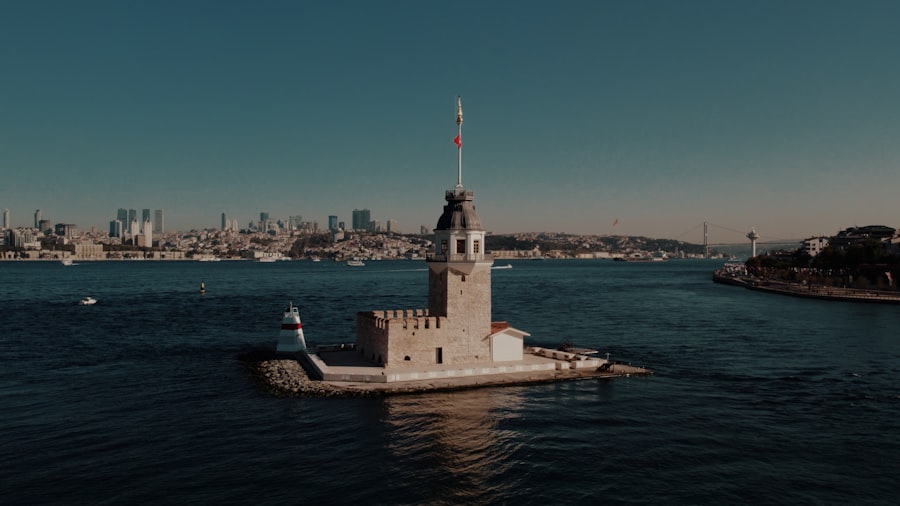
The two world wars profoundly accelerated the development of naval intelligence, transforming it into a highly sophisticated and technologically advanced enterprise. The scale and global nature of these conflicts demanded unprecedented levels of intelligence support.
The Role of Signals Intelligence in World War I
World War I saw the burgeoning importance of signals intelligence (SIGINT). The interception and decryption of enemy radio communications provided invaluable insights into naval strategy and movements. The British Admiralty’s “Room 40” famously broke German naval codes, notably the Zimmermann Telegram, which played a pivotal role in the United States’ entry into the war. This period demonstrated the profound strategic advantage that could be gained through successful codebreaking, highlighting SIGINT as a cornerstone of modern naval intelligence. The struggle between code-makers and code-breakers became a silent, yet decisive, battle waged in the shadows.
The Evolution of Intelligence Gathering in World War II
World War II pushed the boundaries of naval intelligence further still, encompassing a wider array of disciplines:
- Human Intelligence (HUMINT): Spies and informants infiltrated enemy naval bases and shipyards, providing critical information on ship specifications, construction schedules, and operational plans.
- Imagery Intelligence (IMINT): Aerial reconnaissance, though nascent, began to provide photographic intelligence of naval facilities and fleet dispositions.
- Acoustic Intelligence (ACINT): As submarine warfare intensified, the development of sonar and passive acoustic sensors became crucial for detecting and tracking submerged vessels, leading to a new frontier in intelligence collection.
- Electronic Intelligence (ELINT): The analysis of enemy radar and radio emissions provided insights into their electronic warfare capabilities and shipborne sensor systems.
The Battle of the Atlantic, in particular, was a prolonged intelligence war, with both Allied and Axis forces striving to gain an advantage through SIGINT, particularly the decryption of German Enigma machine communications. The meticulous work of analysts at Bletchley Park, unraveling the complexities of Enigma traffic, provided the Allies with crucial intelligence that saved countless ships and lives, tipping the scales in a protracted and brutal conflict.
The Cold War and Beyond: Technological Arms Race
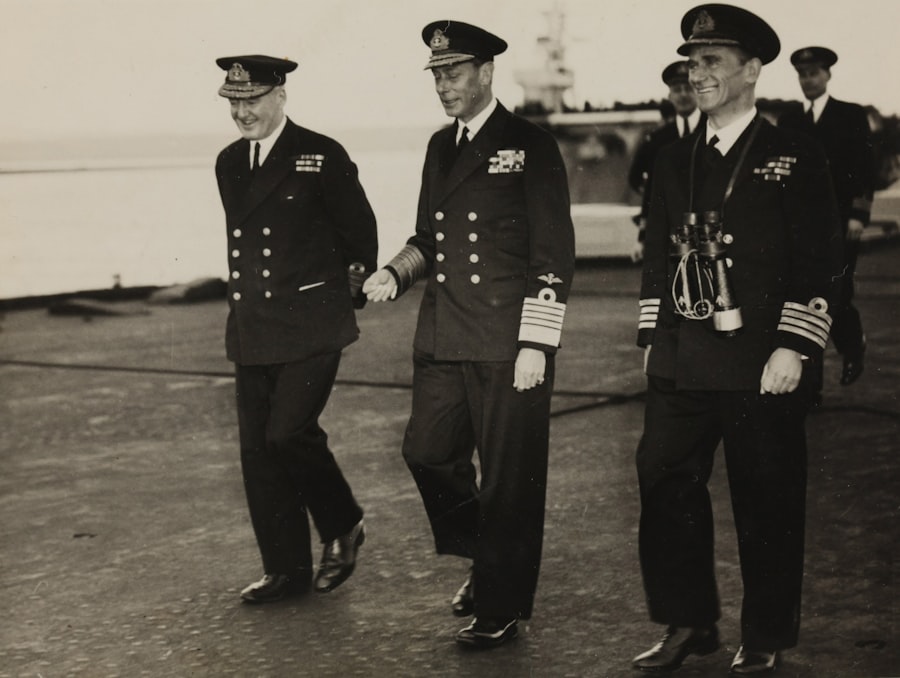
The Cold War ushered in an unprecedented technological arms race that profoundly impacted naval intelligence. The focus shifted to understanding the capabilities of highly advanced adversaries without direct engagement, leading to a proliferation of sophisticated intelligence platforms and methodologies.
Satellite and Drone Reconnaissance
The development of surveillance satellites revolutionized IMINT. These “eyes in the sky” provided continuous, global coverage, allowing for the monitoring of naval movements, construction activities, and missile deployments from Earth’s orbit. This represented a substantial leap from traditional aerial reconnaissance, extending the reach of intelligence gathering to unprecedented scales. Similarly, unmanned aerial vehicles (UAVs), or drones, began to offer persistent, closer-range reconnaissance capabilities, reducing risk to human operators while providing detailed imagery and other sensor data.
Undersea Intelligence Operations
The proliferation of nuclear submarines and ballistic missiles made undersea intelligence a critical domain. Spy submarines, equipped with advanced sonar, hydrophones, and other sensors, conducted clandestine missions to monitor enemy submarine bases, lay acoustic arrays, and even tap undersea communication cables. The “sound of the sea” became a vital intelligence source, analyzed to identify unknown submarine signatures, track their movements, and understand their operational patterns. This created an entirely new dimension of intelligence collection, operating in the silent, hidden world beneath the waves.
Cyber and Open-Source Intelligence
As the digital age took hold, cyber intelligence emerged as a crucial component of naval intelligence. The exploitation of enemy networks, the collection of open-source intelligence (OSINT) from publicly available information, and the protection of one’s own digital infrastructure became paramount. The internet, a vast ocean of information, presented both opportunities and vulnerabilities, necessitating new analytical methods and cybersecurity measures to navigate its currents effectively.
Naval intelligence has played a crucial role in shaping maritime strategy throughout history, and understanding its evolution can provide valuable insights into contemporary naval operations. For those interested in exploring this topic further, a related article discusses the significant milestones and developments in naval intelligence, shedding light on its impact during key historical events. You can read more about it in this insightful piece here.
Challenges and Future Directions of Naval Intelligence
| Year | Event | Significance | Key Figures | Technological Advances |
|---|---|---|---|---|
| 1587 | Establishment of the English Navy’s Intelligence Service | One of the earliest formal naval intelligence efforts | Sir Francis Walsingham | Use of coded messages and espionage networks |
| 1909 | Creation of the British Naval Intelligence Division (NID) | Centralized naval intelligence operations for the Royal Navy | Admiral Sir Reginald Hall | Development of cryptanalysis and signal interception |
| 1914-1918 | World War I Naval Intelligence Operations | Significant role in intercepting and decoding enemy communications | Room 40 cryptanalysts | Breaking of the Zimmermann Telegram |
| 1939-1945 | World War II Naval Intelligence | Critical in Battle of the Atlantic and Pacific campaigns | Allied codebreakers at Bletchley Park | Enigma and Purple machine decryption |
| 1947 | Establishment of the U.S. Office of Naval Intelligence (ONI) | Formalized U.S. naval intelligence post-WWII | Rear Admiral Thomas R. Cooley | Advances in electronic surveillance and reconnaissance |
| 1960s | Introduction of Satellite Reconnaissance | Enhanced naval intelligence gathering from space | U.S. Navy Intelligence Community | Development of reconnaissance satellites |
| 2000s | Integration of Cyber Intelligence | Expansion of naval intelligence into cyber warfare and security | Naval Cyber Warfare Command | Cyber espionage and network defense technologies |
Naval intelligence continues to evolve in response to a dynamic geopolitical landscape and rapid technological advancements. New challenges necessitate adaptive strategies and innovative approaches.
The Proliferation of Advanced Technologies
The spread of sophisticated naval technologies, including stealth vessels, advanced missile systems, and autonomous platforms, makes intelligence gathering more complex. Obscuring signatures, diversifying sensor inputs, and employing counter-intelligence measures are increasingly vital. The rise of artificial intelligence (AI) and machine learning (ML) offers both powerful analytical tools and potential vulnerabilities, creating a continuous strategic chess match.
The Rise of Non-State Actors and Hybrid Warfare
Beyond traditional state-on-state competition, naval intelligence now contends with the complexities of non-state actors, such as pirate organizations and terrorist groups, operating in maritime environments. Hybrid warfare, blurring the lines between conventional and unconventional conflict, demands an integrated intelligence approach that combines traditional methods with insights into irregular tactics and networked adversaries.
The Ethical and Legal Landscape
The increasing capabilities of surveillance technologies raise significant ethical and legal considerations. Balancing national security imperatives with privacy concerns, and navigating international laws regarding intelligence collection in sovereign waters or airspace, presents ongoing dilemmas. The “rules of the game” in intelligence are constantly being debated and recalibrated, reflecting societal values and geopolitical realities.
The Importance of Human Analysis and Integration
Despite the allure of technological solutions, the role of human intelligence analysts remains central. The ability to interpret disparate data, understand cultural nuances, and discern strategic intent, remains an irreplaceable component of effective naval intelligence. The future demands not only advanced sensors and algorithms but also highly skilled analysts capable of synthesizing vast amounts of information into actionable intelligence, discerning patterns in the noise, and providing strategic foresight. Naval intelligence, at its core, is a constant effort to pierce the fog of uncertainty, illuminating the paths forward in a perpetually shifting maritime world.
FAQs
What is naval intelligence?
Naval intelligence refers to the collection, analysis, and dissemination of information related to naval operations, capabilities, and maritime threats. It supports naval commanders in making informed decisions during peacetime and conflict.
When did naval intelligence first develop?
Naval intelligence has roots dating back to ancient times when maritime powers gathered information about enemy fleets and sea routes. However, it became more formalized during the 19th century with the establishment of dedicated naval intelligence organizations.
What are some key historical milestones in naval intelligence?
Key milestones include the creation of the British Admiralty’s Intelligence Division in the early 1900s, the use of codebreaking and signals intelligence during both World Wars, and the development of satellite and electronic surveillance technologies during the Cold War.
How has naval intelligence impacted naval warfare?
Naval intelligence has played a crucial role in anticipating enemy movements, protecting fleets, and planning operations. For example, intelligence breakthroughs such as breaking enemy codes have led to decisive victories and prevented surprise attacks.
What modern technologies are used in naval intelligence today?
Modern naval intelligence employs satellite reconnaissance, electronic signals interception, cyber intelligence, unmanned underwater vehicles, and advanced data analytics to monitor maritime activities and enhance situational awareness.