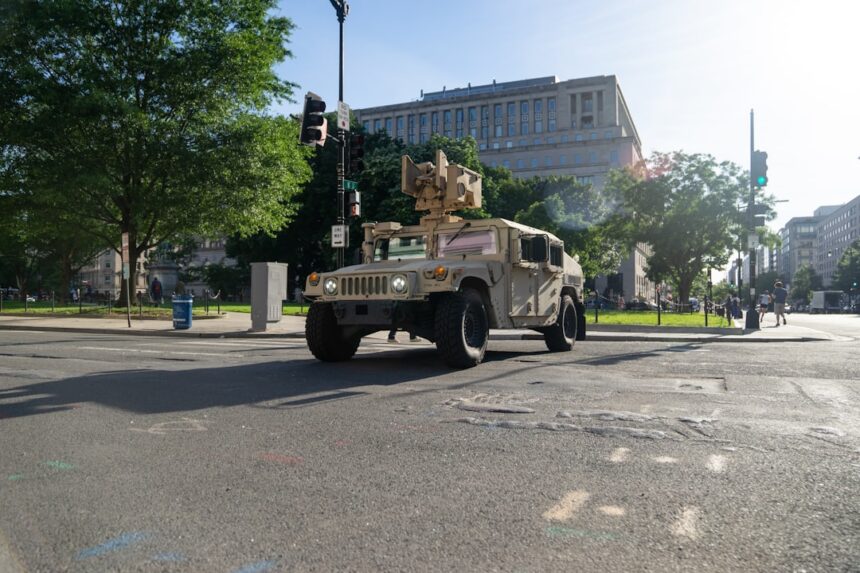
Military budget waste represents a significant issue in contemporary defense spending and fiscal policy. Nations worldwide dedicate substantial portions of their national budgets to military expenditures, with some countries allocating hundreds of billions of dollars annually to defense programs. This scale of spending necessitates careful examination of fund allocation and utilization practices.
Research and audits have identified several areas where military spending inefficiencies occur. These include cost overruns in weapons procurement programs, maintenance of obsolete equipment and facilities, redundant administrative structures, and inadequate oversight of defense contracts. Government accountability offices and independent analysts regularly document instances where defense projects exceed initial budget projections by significant margins or fail to deliver promised capabilities.
The consequences of inefficient military spending affect both fiscal policy and defense readiness. Misallocated resources can reduce the military’s operational effectiveness while simultaneously straining government budgets that could support other public priorities. Additionally, documented cases of spending inefficiencies can diminish public confidence in government financial management and defense planning processes.
Systematic analysis of military expenditures and implementation of improved oversight mechanisms are necessary components of effective defense budget management.
Key Takeaways
- Military budget waste involves significant excessive spending with limited oversight and accountability.
- Investigations reveal numerous instances of inefficient use of taxpayer funds within military programs.
- Excessive military spending negatively impacts taxpayers and can undermine national security priorities.
- Public concern is growing over the lack of transparency and the need for better budget management.
- Recommendations focus on enhancing transparency, accountability, and more responsible allocation of military resources.
Examples of Excessive Spending in the Military
Numerous examples illustrate the excessive spending that plagues military budgets. One prominent case is the procurement of advanced weapon systems that often exceed their initial cost estimates and timelines. The F-35 Joint Strike Fighter program, for instance, has been criticized for its ballooning costs, which have escalated to over $1.5 trillion over its lifetime.
This staggering figure encompasses not only development and production but also maintenance and operational expenses. Such exorbitant spending raises questions about the necessity and effectiveness of these advanced systems in fulfilling national defense objectives. Another area of concern is the maintenance of military bases and infrastructure.
Reports have highlighted instances where funds are allocated for projects that are either redundant or poorly planned. For example, the construction of facilities that remain underutilized or the maintenance of aging infrastructure that fails to meet modern standards exemplifies inefficiency in military spending. These examples underscore a broader trend where financial resources are not being directed towards initiatives that genuinely enhance military readiness or capability.
Investigation Process and Findings

Investigating military budget waste involves a multifaceted approach that includes audits, oversight committees, and independent reviews. Government accountability offices and watchdog organizations play a crucial role in scrutinizing military expenditures. These investigations often reveal discrepancies between projected costs and actual spending, highlighting areas where funds have been misallocated or wasted.
For instance, audits may uncover instances of overbilling by contractors or inefficiencies in supply chain management that lead to inflated costs. Findings from these investigations frequently point to systemic issues within the military procurement process. A lack of standardized procedures and oversight can result in contracts being awarded without proper vetting or competitive bidding.
Additionally, the complexity of military projects often leads to miscommunication between various branches of the armed forces and contractors, further exacerbating inefficiencies. The culmination of these findings paints a troubling picture of a system in need of reform to ensure that taxpayer dollars are spent wisely.
Impact of Excessive Spending on Taxpayers
The impact of excessive military spending on taxpayers is profound and multifaceted. When vast sums are wasted on inefficient programs or unnecessary projects, it ultimately translates into higher taxes or reduced public services for citizens. Taxpayers expect their government to allocate resources judiciously, particularly when it comes to national defense, which is often viewed as a fundamental responsibility of the state.
However, when waste becomes apparent, it erodes public trust and confidence in government institutions. Moreover, excessive spending can divert funds from critical areas such as education, healthcare, and infrastructure development. As military budgets swell, other essential services may suffer from underfunding, leading to a decline in quality of life for citizens.
This misallocation of resources can create a perception that the government prioritizes military spending over the welfare of its people, further fueling discontent among taxpayers who feel their needs are being overlooked.
Lack of Accountability and Oversight in Military Spending
| Year | Department | Budget Allocated (in billions) | Reported Waste (in billions) | Percentage of Waste | Investigation Outcome |
|---|---|---|---|---|---|
| 2021 | Army | 180 | 12 | 6.7% | Ongoing audit and reforms initiated |
| 2021 | Navy | 150 | 9 | 6.0% | Contract reviews and personnel changes |
| 2022 | Air Force | 160 | 15 | 9.4% | Major procurement investigation launched |
| 2022 | Defense Logistics | 50 | 5 | 10.0% | Process overhaul recommended |
| 2023 | Cyber Command | 30 | 1.5 | 5.0% | Minor waste, improved oversight |
A significant factor contributing to military budget waste is the lack of accountability and oversight within the defense sector. The complexity of military operations and procurement processes often creates an environment where oversight mechanisms struggle to keep pace with spending. This lack of transparency can lead to situations where contracts are awarded without sufficient scrutiny, allowing for potential fraud or mismanagement to go unchecked.
Furthermore, the culture within the military establishment can sometimes prioritize expediency over accountability. In an environment where rapid decision-making is essential for operational readiness, there may be a tendency to overlook proper oversight protocols. This can result in a cycle where wasteful practices become normalized, making it increasingly difficult to implement necessary reforms aimed at enhancing accountability in military spending.
Consequences of Military Budget Waste on National Security

The consequences of military budget waste extend beyond financial implications; they pose significant risks to national security as well.
A well-funded military is essential for national defense; however, if those funds are not utilized efficiently, it undermines the very purpose they are intended to serve.
Moreover, excessive spending on extravagant projects can divert attention from pressing security needs. For instance, while resources are funneled into developing advanced weaponry that may not be immediately necessary, critical areas such as cybersecurity or counterterrorism may be neglected. This misalignment between spending priorities and actual security needs can leave a nation vulnerable to threats that require immediate attention and resources.
Efforts to Address and Rectify Excessive Spending
In response to growing concerns about military budget waste, various efforts have been initiated to address and rectify these issues. Legislative measures aimed at increasing transparency in defense spending have gained traction in recent years. For example, some lawmakers have proposed stricter oversight requirements for military contracts and greater accountability for defense contractors found guilty of overbilling or mismanagement.
Additionally, advocacy groups and watchdog organizations have emerged as key players in pushing for reforms within the military procurement process. By conducting independent audits and publishing reports on wasteful spending practices, these organizations aim to raise public awareness and hold government officials accountable for their decisions regarding military expenditures. Such efforts are crucial in fostering a culture of accountability within the defense sector.
Public Perception and Reaction to Military Budget Waste
Public perception regarding military budget waste is often shaped by media coverage and advocacy efforts highlighting instances of inefficiency or mismanagement. When stories emerge about extravagant spending on unnecessary projects or failed programs, they tend to resonate with taxpayers who feel their money is being squandered. This growing awareness can lead to increased public pressure on lawmakers to prioritize accountability in military spending.
Moreover, public reaction can manifest in various forms, from grassroots movements advocating for budget reform to calls for greater transparency from elected officials. Citizens increasingly demand that their government demonstrate fiscal responsibility, particularly when it comes to national defense spending. As awareness grows about the implications of military budget waste, it becomes imperative for policymakers to respond proactively to public concerns.
Comparison with Other Government Spending and Budget Allocations
When examining military budget waste, it is essential to contextualize it within the broader landscape of government spending and budget allocations. Comparisons with other sectors reveal stark contrasts in accountability and efficiency. For instance, social programs such as education or healthcare often face rigorous scrutiny regarding their funding allocations, with demands for measurable outcomes and transparency in spending.
In contrast, military expenditures frequently operate under a veil of secrecy, making it challenging for taxpayers to assess their effectiveness or necessity. This disparity raises questions about whether similar standards should be applied across all areas of government spending. Advocates for reform argue that establishing consistent accountability measures could lead to more responsible budgeting practices throughout the government.
Recommendations for Improving Transparency and Accountability in Military Spending
To enhance transparency and accountability in military spending, several recommendations can be put forth. First and foremost, implementing standardized auditing processes across all branches of the military would provide a clearer picture of how funds are allocated and spent. Regular audits conducted by independent agencies could help identify areas of waste and ensure that taxpayer dollars are being used effectively.
Additionally, increasing public access to information regarding military contracts and expenditures would foster greater accountability. By making data on spending more readily available, citizens could engage more actively in discussions about defense budgeting priorities. Furthermore, establishing clear performance metrics for military programs would enable lawmakers and taxpayers alike to assess whether investments yield tangible results in terms of national security.
Moving Towards a More Efficient and Responsible Military Budget
In conclusion, addressing military budget waste is essential for fostering a more efficient and responsible approach to national defense funding. The examples of excessive spending highlight the urgent need for reform within the procurement process and oversight mechanisms. By prioritizing transparency and accountability, governments can ensure that taxpayer dollars are utilized effectively while maintaining national security.
As public awareness grows regarding the implications of military budget waste, there is an opportunity for citizens to advocate for change actively. By demanding greater scrutiny over defense expenditures and holding officials accountable for their decisions, taxpayers can play a pivotal role in shaping a more responsible military budget that aligns with both national security needs and fiscal responsibility. Ultimately, moving towards a more efficient military budget will not only enhance national security but also restore public trust in government institutions tasked with safeguarding their interests.
In recent discussions surrounding military budget allocations, the investigation into potential waste has garnered significant attention. A related article that delves deeper into this issue can be found at this link, where various case studies and expert opinions highlight the need for greater transparency and accountability in defense spending. This investigation aims to shed light on how funds are utilized and the implications of mismanagement on national security.
FAQs
What is a military budget waste investigation?
A military budget waste investigation is a formal inquiry into the misuse, misallocation, or inefficient spending of funds allocated to a country’s defense and military operations. It aims to identify areas where money has been wasted or improperly spent.
Who conducts military budget waste investigations?
These investigations are typically conducted by government oversight bodies, such as audit agencies, legislative committees, or independent watchdog organizations. In some cases, military internal audit departments or external auditors may also be involved.
Why are military budget waste investigations important?
They are important to ensure accountability and transparency in the use of public funds, to prevent corruption and fraud, and to improve the efficiency and effectiveness of military spending. This helps maintain public trust and ensures that resources are used to enhance national security.
What are common causes of waste in military budgets?
Common causes include procurement inefficiencies, cost overruns on projects, duplication of efforts, outdated or unnecessary equipment purchases, poor contract management, and lack of proper oversight.
What are the potential consequences of military budget waste?
Consequences can include reduced military readiness, loss of taxpayer money, compromised national security, and diminished public confidence in government institutions.
How can military budget waste be prevented?
Prevention measures include implementing stricter oversight and auditing procedures, improving transparency, enhancing procurement processes, enforcing accountability for mismanagement, and adopting best practices in financial management.
Are the results of military budget waste investigations made public?
In many cases, investigation findings are published in reports accessible to the public or government officials. However, some details may be classified due to national security concerns.
Can military budget waste investigations lead to legal action?
Yes, if investigations uncover evidence of fraud, corruption, or criminal negligence, they can result in legal proceedings against responsible individuals or entities.
How often are military budget waste investigations conducted?
The frequency varies by country and context. Some governments conduct regular audits and reviews, while others may initiate investigations in response to specific allegations or concerns.
What impact do military budget waste investigations have on defense policy?
These investigations can lead to policy reforms, improved budgeting practices, and changes in procurement strategies to enhance efficiency and reduce waste in future military spending.