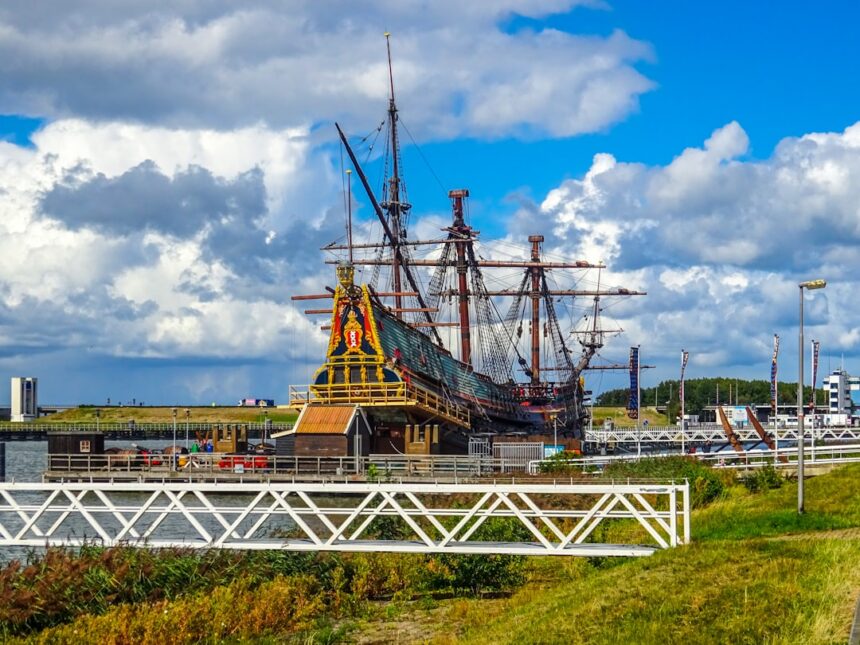
The annals of naval history, often presented as a grand narrative of triumphs and technological advancements, are in fact a complex tapestry woven with threads of forgotten perspectives, overlooked contributions, and inconvenient truths. A truly comprehensive understanding necessitates a deep dive beneath the surface of conventional accounts, much like exploring the submerged wreck of a once-proud vessel, to uncover the hidden realities that shaped maritime affairs. This article endeavors to illuminate some of these lesser-known facets, encouraging the reader to question established narratives and appreciate the broader, more nuanced picture.
Beneath the celebrated admirals and revolutionary ship designers lie countless individuals whose ingenuity, resilience, and often unacknowledged contributions were elemental to the development and projection of naval power.
The Role of Unskilled Labor
While the brilliance of master shipwrights is often lauded, the vast majority of shipbuilding throughout history relied on the tireless efforts of unskilled or semi-skilled laborers. These individuals, from timber felling to rope making and hull caulking, formed the bedrock of naval construction. Their demanding work, often poorly compensated and dangerous, was fundamental to the expansion of naval fleets. Consider, for instance, the sheer human effort involved in constructing a first-rate ship-of-the-line during the age of sail, a process that consumed vast quantities of raw materials and hundreds of thousands of man-hours. Their individual contributions, though often anonymous, were as critical as any strategic decision.
The Forgotten Contributions of Civilian Artisans
Naval capabilities extended far beyond the ship itself. Civilian artisans played a crucial role in equipping and sustaining fleets. Sailmakers, blacksmiths, coopers, and gun founders, among others, provided essential components and supplies. Their expertise, developed through generations of craftsmanship, directly impacted a ship’s performance and a fleet’s readiness. The quality of a ship’s rigging, the precision of its cannons, or the durability of its provisions often came down to the skill of these unsung civilian contributors.
The Impact of Indigenous Knowledge and Technology
European naval history often focuses on internal developments, yet significant advancements in shipbuilding, navigation, and maritime strategy were often influenced by non-European cultures. From the innovative hull designs of Polynesian canoes that facilitated vast ocean voyages to the sophisticated cartography and astronomical knowledge of Arab navigators, cross-cultural exchange profoundly shaped naval capabilities. Ignoring these influences creates an incomplete and ethnocentric understanding of global maritime development. The lateen sail, for example, a staple of European caravels and carracks, has its origins in the Indian Ocean.
Naval history is often filled with hidden truths that reveal the complexities of maritime warfare and its impact on global events. For those interested in exploring these lesser-known aspects, a related article can be found at In the War Room, which delves into the intricacies of naval strategies and the untold stories of sailors throughout history. This resource provides valuable insights into how naval power has shaped nations and influenced the course of conflicts.
The Human Cost of Naval Supremacy
Beyond the strategic implications and technological marvels, naval history also encompasses the profound human cost borne by those who served, often overlooked in the grand sweep of battles and treaties.
Disease as a Formidable Foe
Before accurate charts and powerful artillery, disease was often the most lethal adversary for naval crews. Scurvy, typhus, dysentery, and yellow fever ravaged ships’ companies, often claiming more lives than enemy action. The conditions aboard, including poor sanitation, contaminated water, and inadequate nutrition, created fertile breeding grounds for pathogens. Early naval medicine was rudimentary, and many voyages were as much a struggle against illness as they were against rival powers. The toll of disease often dictated the outcome of campaigns and the longevity of expeditions.
The Psychological Burden of Maritime Life
Life at sea, particularly in the pre-modern era, was characterized by isolation, harsh discipline, and constant danger. The psychological toll of long voyages, often stretching for months or even years, in confined and often squalid conditions, coupled with the ever-present threat of storms, battle, and disease, created a unique and profound psychological burden. Studies of historical naval logs and personal accounts reveal widespread instances of mental distress, mutiny stemming from despair, and desertion, all indicative of the immense psychological pressures faced by sailors and officers alike.
The Overlooked Plight of Press-Ganged Sailors
The “impressment” or press gang system, particularly prevalent in the British Royal Navy, forced thousands of men into naval service against their will. These individuals, often snatched from merchant ships or taverns, endured brutal discipline, poor pay, and dangerous conditions with no recourse. Their stories, often overshadowed by narratives of patriotic duty, represent a significant ethical stain on naval history, highlighting the coercive methods employed to man fleets. Understanding their experiences provides a stark counterpoint to idealized portrayals of naval recruitment.
The Subtleties of Naval Diplomacy and Power Projection
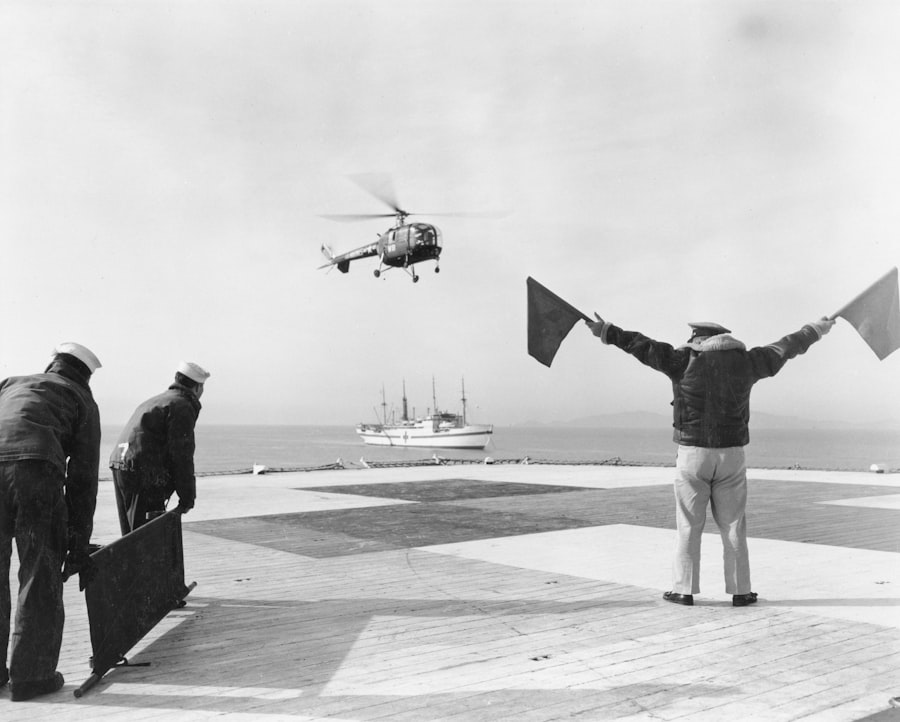
Naval power extended far beyond direct confrontation, acting as a potent tool of diplomacy, economic coercion, and cultural influence.
“Gunboat Diplomacy” and Asymmetric Power
The deployment of naval vessels, even without engaging in open hostilities, exerted significant political and economic pressure on nations with weaker navies. This “gunboat diplomacy” allowed imperial powers to enforce trade agreements, protect colonial interests, and influence internal politics without necessarily firing a shot. The mere presence of a modern warship in a foreign port could be a powerful catalyst for compliance, demonstrating the profound asymmetric power dynamics at play in global relations.
Naval Exploration as a Tool of Empire and Science
Naval expeditions were not solely about warfare or trade; they also served as crucial instruments of scientific discovery and imperial expansion. Voyages of exploration, while often lauded for their scientific contributions to cartography, botany, and zoology, also laid the groundwork for colonial claims and economic exploitation. The mapping of new coastlines, the discovery of strategic passages, and the identification of valuable resources were all integral to projecting national power and expanding spheres of influence. The overlap between scientific inquiry and imperial ambition is a recurring hidden truth.
The Economic Imperatives Behind Naval Expansion
Behind the narratives of national glory and strategic necessity often lay powerful economic imperatives. The protection of trade routes, the securing of access to raw materials, and the enforcement of mercantile policies were often primary drivers of naval expansion. Navies were, and remain, vital protectors of economic interests, ensuring the flow of goods and capital across global waterways. The sugar trade in the Caribbean, for example, heavily influenced British naval strategy during the 18th century.
The Untold Stories of Naval Minorities and Women
Traditional naval histories have often neglected the vital roles played by women and various ethnic and racial minorities, whose contributions were frequently marginalized or erased.
Women’s Roles Beyond the Shore
While predominantly a male domain, women played diverse and often critical roles in naval history, not solely as wives, mothers, or prostitutes on shore. Women often sailed on merchant ships, sometimes disguised as men, and even occasionally served in combat roles disguised as sailors. Furthermore, women were instrumental in supporting naval efforts on land, from working in dockyards and armories to producing uniforms and provisions. Their labor, though frequently unrecorded in official ledgers, was indispensable.
The Contribution of Sailors of Color
Throughout naval history, individuals of African, Asian, and other non-European descent served in navies across the globe. While often facing discrimination and prejudice, their labor and skills were essential to manning ships and fighting battles. From African-American sailors in the American Revolution and Civil War to Asian seamen in European merchant and naval fleets, their contributions, though often downplayed or ignored, are a crucial part of the maritime narrative. Their stories provide a powerful reminder of the diversity of those who served.
Indigenous Seafaring and Naval Encounters
The encounter between European navies and indigenous maritime cultures often involved complex interactions beyond outright conflict. Indigenous communities possessed sophisticated seafaring knowledge, unique vessel designs, and established trade networks. Their understanding of local waters, tides, and weather patterns was often invaluable to European navigators, even as their lands and maritime autonomy were threatened. Uncovering these interactions provides a more balanced perspective on the impact of European naval expansion. For example, the piloting skills of indigenous peoples in difficult straits was crucial for many exploratory voyages.
Naval history is often filled with hidden truths that reveal the complexities of maritime warfare and strategy. For those interested in exploring these lesser-known aspects, an insightful article can be found at In the War Room, which delves into the intricacies of naval engagements and the impact they have had on global politics. This resource provides a deeper understanding of how naval power has shaped history and the often-overlooked narratives that accompany these events.
Reinterpreting Naval Battles and Their Legacies
| Hidden Truth | Period | Impact on Naval Warfare | Source/Reference |
|---|---|---|---|
| Use of early submarine prototypes in the American Civil War | 1860s | Introduced underwater warfare concepts, influencing future submarine development | Naval Historical Center Archives |
| British use of deceptive naval signals in WWI | 1914-1918 | Allowed interception and misdirection of enemy fleets, impacting battle outcomes | Royal Navy Intelligence Records |
| Japanese use of kamikaze tactics in WWII naval battles | 1944-1945 | Changed naval defense strategies and highlighted desperation tactics | Imperial Japanese Navy War Diaries |
| Cold War underwater espionage using specialized submarines | 1947-1991 | Advanced underwater surveillance and intelligence gathering capabilities | CIA Declassified Documents |
| Hidden role of women in naval codebreaking during WWII | 1939-1945 | Crucial in deciphering enemy communications, influencing naval engagements | National Archives and Records Administration |
Even the most famous naval engagements and their perceived outcomes can benefit from a fresh examination, revealing complexities and alternative interpretations.
The Role of Luck and Unforeseen Circumstances
While historical accounts often emphasize strategic brilliance and tactical prowess, the unpredictable nature of the sea meant that luck, weather conditions, and unforeseen circumstances frequently played a decisive role in naval battles. A sudden squall, a shift in wind, or an unexpected fog could turn the tide of an engagement regardless of superior numbers or planning. Attributing outcomes solely to human agency often oversimplifies the chaotic reality of maritime warfare. The “fog of war” was often literal in naval encounters.
The Long-Term Consequences Beyond Victory
A “victory” in a naval battle often had far more complex and enduring consequences than simply the sinking of enemy ships. The economic strain of rebuilding fleets, the political reverberations of alliances shifting, and the social impact on mariners and their families were all part of the aftermath. Understanding the full legacy of a naval engagement requires looking beyond the immediate tactical outcome and considering its broader historical ripples. A tactical victory, for instance, could lead to a strategic defeat if a nation overextended its resources or provoked further, more powerful adversaries.
Battles Fought for Unjust Causes
Naval history, like all history, is replete with instances where individuals fought bravely for causes that, in retrospect, were unjust or morally questionable. From the enforcement of colonial subjugation to participation in the slave trade, naval power was frequently employed in pursuits that contradict contemporary ethical standards. A critical examination requires acknowledging these uncomfortable truths, rather than glossing over them in pursuit of a simplified heroic narrative. Such acknowledgment is not to diminish individual bravery, but to understand the wider context of their actions.
By delving into these hidden truths, we gain a more robust and ethically informed understanding of naval history. It compels us to move beyond superficial accounts and appreciate the multi-faceted nature of maritime power, acknowledging the contributions of the marginalized, the immense human cost, and the profound economic, political, and social forces at play. This journey beneath the waves of conventional history enriches our appreciation for the past and provides a clearer lens through which to view contemporary global affairs. The ocean, like history, holds many secrets, and only by exploring its depths can we truly comprehend its vastness.
WATCH NOW ▶️ SHOCKING: How The CIA Stole A Nuclear Submarine
FAQs
What are some common misconceptions about naval history?
Many common misconceptions include overestimating the role of certain famous battles, underestimating the impact of technological advancements, and overlooking the contributions of lesser-known navies and sailors.
How have hidden truths in naval history been uncovered?
Hidden truths have been uncovered through the examination of declassified documents, archaeological discoveries of shipwrecks, personal diaries and letters of sailors, and advances in underwater exploration technology.
Why is it important to study the lesser-known aspects of naval history?
Studying lesser-known aspects provides a more accurate and comprehensive understanding of naval warfare, strategy, and maritime culture, and it highlights the contributions of diverse groups and nations often overlooked in mainstream history.
What role did technology play in shaping naval history?
Technology played a crucial role by influencing ship design, navigation, weaponry, and communication, which in turn affected naval tactics, the outcome of battles, and the expansion of maritime empires.
How have naval histories been influenced by national biases?
Naval histories have often been influenced by national biases that emphasize a country’s victories and downplay defeats or controversial actions, leading to incomplete or skewed narratives that require critical re-examination.