The Cold War period fundamentally transformed military strategy, with naval warfare experiencing particularly dramatic changes. The United States and Soviet Union competed extensively to achieve underwater military superiority through submarine development and deployment. This competition encompassed technological advancement, strategic deployment, and broader geopolitical considerations beyond simple vessel construction numbers.
Both superpowers prioritized submarine development as central to their military planning. Underwater operations offered tactical advantages through stealth capabilities that could significantly alter strategic balance between the nations. The ocean depths provided concealment opportunities that surface vessels could not match.
Submarine technology advanced substantially during this period, transitioning from basic reconnaissance and limited combat platforms to complex weapons systems capable of nuclear missile deployment and clandestine operations. Nuclear propulsion represented the most significant technological breakthrough, enabling submarines to operate submerged for months without surfacing requirements. This advancement extended operational range while improving stealth characteristics, establishing submarines as primary strategic weapons.
The competitive dynamic between the superpowers intensified throughout the Cold War, creating a sustained arms race that influenced naval doctrine and strategy for subsequent decades. Each technological improvement by one side prompted countermeasures and advancements by the other, driving continuous innovation in submarine design, detection systems, and underwater warfare capabilities.
Key Takeaways
- Cold War submarines played a crucial role in underwater military dominance and espionage.
- Advanced technology enabled stealthy surveillance and top-secret missions beneath the ocean.
- Submarine crews faced significant psychological challenges due to prolonged underwater deployments.
- Declassified documents have unveiled many hidden operations and diplomatic impacts of submarine activities.
- The legacy of Cold War submarines continues to influence modern naval strategy and underwater exploration.
The Role of Submarines in the Cold War
Submarines played a pivotal role in the Cold War, serving as both deterrents and instruments of power projection. Their ability to remain hidden while carrying out missions made them essential components of national defense strategies. The United States and the Soviet Union recognized that a strong submarine fleet could serve as a counterbalance to each other’s military capabilities, particularly in the context of nuclear deterrence.
The presence of submarines equipped with intercontinental ballistic missiles (ICBMs) ensured that both nations could retaliate against a nuclear strike, thus maintaining a precarious balance of power known as Mutually Assured Destruction (MAD). Moreover, submarines were not only tools of deterrence but also vital for intelligence gathering and reconnaissance. They could operate close to enemy shores without detection, providing valuable information about naval movements and military installations.
This intelligence was crucial for formulating strategies and responding to potential threats. As tensions escalated during various crises, including the Cuban Missile Crisis, submarines became central to the military posturing of both superpowers, highlighting their importance in Cold War geopolitics.
The Top-Secret Missions of Cold War Submarines

The clandestine nature of submarine operations during the Cold War often meant that many missions remained shrouded in secrecy for years, if not decades. These top-secret missions ranged from intelligence gathering to direct military engagements, all conducted under the veil of ocean depths. One notable example was the U.S.
Navy’s Operation Ivy Bells, which involved tapping into Soviet underwater communication lines. This operation required immense skill and precision, as submarines had to navigate treacherous waters while avoiding detection by Soviet forces. Similarly, Soviet submarines undertook covert missions aimed at gathering intelligence on U.S.
naval activities and testing the waters for potential vulnerabilities. These missions often involved shadowing American fleets or conducting surveillance near strategic locations. The high-stakes nature of these operations meant that crews operated under immense pressure, knowing that their success or failure could have far-reaching implications for national security.
The secrecy surrounding these missions contributed to an atmosphere of intrigue and tension that characterized the Cold War.
The Technology Behind Cold War Submarines
The technological advancements that defined Cold War submarines were nothing short of revolutionary. The transition from diesel-electric propulsion to nuclear power marked a significant milestone in submarine design. Nuclear-powered submarines could remain submerged for months at a time, drastically increasing their operational capabilities and reducing their vulnerability to detection.
This shift allowed for longer missions and greater strategic flexibility, enabling submarines to operate far from their home ports without the need for refueling. In addition to propulsion advancements, Cold War submarines were equipped with cutting-edge sonar systems and advanced weaponry. These technologies allowed for improved detection of enemy vessels and enhanced targeting capabilities.
The development of torpedoes with greater range and accuracy further solidified submarines as formidable adversaries in naval warfare. Moreover, advancements in stealth technology made it increasingly difficult for enemy forces to detect submarines, allowing them to carry out their missions with a higher degree of success.
The Psychological Toll on Submarine Crews
| Metric | Details | Significance |
|---|---|---|
| Number of Submarines Deployed | Approximately 600 (USSR and USA combined) | Indicates the scale of underwater naval power during the Cold War |
| Maximum Operational Depth | Up to 1,000 meters (Soviet Alfa-class) | Allowed stealth and evasion from detection and attack |
| Top Submarine Speed | Over 40 knots (Alfa-class) | Enabled rapid repositioning and escape maneuvers |
| Number of Nuclear Submarines | Over 200 (US and USSR combined) | Key component of nuclear deterrence strategy |
| Acoustic Stealth Technologies | Use of anechoic tiles and quieting machinery | Reduced sonar detection, enhancing survivability |
| Notable Espionage Incidents | USS Pueblo capture (1968), K-219 sinking (1986) | Revealed vulnerabilities and intelligence value of submarines |
| Duration of Underwater Patrols | Up to 90 days | Extended missions increased strategic reach and endurance |
While the technological advancements of Cold War submarines were impressive, the psychological toll on crews was often overlooked. Life aboard a submarine was characterized by extreme conditions: confined spaces, limited social interaction, and prolonged periods away from family and friends. Crews faced unique challenges that tested their mental resilience and camaraderie.
The isolation inherent in submarine life could lead to feelings of anxiety and depression, particularly during long deployments. Moreover, the high-stakes nature of their missions added an additional layer of stress. Submarine crews were acutely aware that their actions could have significant consequences on a global scale.
The pressure to perform flawlessly in high-pressure situations often weighed heavily on them. To cope with these challenges, crews developed strong bonds and relied on each other for support. However, the psychological impact of such intense experiences often lingered long after their service ended, highlighting the need for mental health resources for veterans.
The Espionage and Surveillance Operations of Cold War Submarines
Espionage and surveillance were integral components of Cold War submarine operations. Both superpowers recognized that gathering intelligence on each other’s military capabilities was crucial for maintaining an edge in this high-stakes rivalry. Submarines were uniquely positioned to conduct these operations due to their stealthy nature and ability to operate close to enemy shores without detection.
U.S. submarines often engaged in surveillance missions aimed at monitoring Soviet naval activities and gathering information on missile tests. These operations required meticulous planning and execution, as crews had to navigate through potentially hostile waters while remaining undetected.
Similarly, Soviet submarines conducted espionage missions against U.S. naval forces, seeking to uncover vulnerabilities and assess American military readiness. The information gathered during these operations played a critical role in shaping military strategies and responses during the Cold War.
The Hunt for Sunken Cold War Submarines
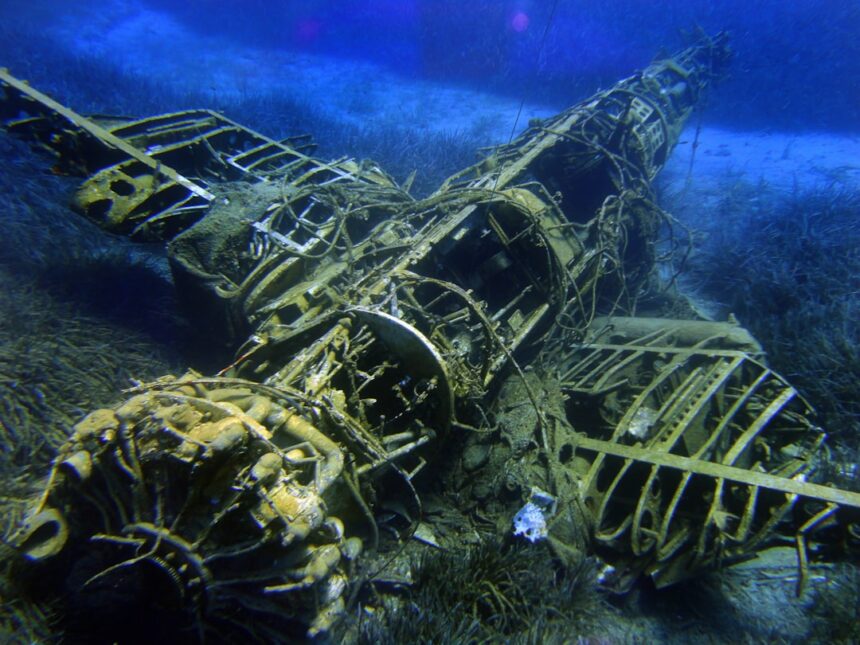
The depths of the ocean hold many secrets, including those of sunken Cold War submarines that met tragic fates during their missions.
Various factors contributed to submarine losses during this period, including mechanical failures, accidents, and hostile engagements.
The mystery surrounding these sunken vessels has captivated historians and enthusiasts alike. Efforts to locate and recover these submarines have involved advanced technology such as remotely operated vehicles (ROVs) and deep-sea submersibles. These expeditions not only aim to recover artifacts but also seek to understand the circumstances surrounding each submarine’s demise.
The stories behind these lost vessels provide valuable insights into the challenges faced by crews during the Cold War and serve as poignant reminders of the human cost associated with this intense rivalry.
The Legacy of Cold War Submarines
The legacy of Cold War submarines extends far beyond their operational capabilities; it encompasses the profound impact they had on military strategy, international relations, and technological innovation. The lessons learned from submarine operations during this period continue to shape modern naval warfare and inform contemporary military strategies. The emphasis on stealth, intelligence gathering, and deterrence remains relevant in today’s geopolitical landscape.
Furthermore, the technological advancements pioneered during the Cold War laid the groundwork for future developments in submarine design and capabilities. Modern submarines benefit from innovations that emerged during this era, including advanced sonar systems, stealth technologies, and improved weaponry. As nations continue to navigate complex security challenges in an increasingly multipolar world, the legacy of Cold War submarines serves as a reminder of the enduring importance of underwater supremacy.
Declassified Documents and Revelations
As time has passed since the end of the Cold War, many previously classified documents have been declassified, shedding light on the clandestine operations conducted by submarines during this tumultuous period. These revelations have provided historians and researchers with invaluable insights into the strategies employed by both superpowers and the extent of their underwater capabilities. Declassified documents have unveiled details about specific missions, technological advancements, and even instances of near-conflict that were previously unknown to the public.
These insights not only enhance our understanding of Cold War dynamics but also highlight the complexities involved in submarine warfare. As more information becomes available, it becomes increasingly clear how pivotal these underwater vessels were in shaping global events during this era.
Cold War Submarine Espionage and Diplomacy
The interplay between espionage and diplomacy during the Cold War was often influenced by submarine operations. While submarines were primarily seen as instruments of military power, they also played a role in shaping diplomatic relations between superpowers. Intelligence gathered through submarine surveillance could inform diplomatic negotiations or serve as leverage in discussions about arms control.
For instance, information obtained from submarine missions often influenced arms reduction talks between the United States and the Soviet Union. By understanding each other’s capabilities through espionage efforts, both nations could engage in more informed discussions about nuclear disarmament and strategic stability. This intricate relationship between military operations and diplomacy underscores the multifaceted role that submarines played during this critical period in history.
Cold War Submarine Secrets Revealed: What We Know Now
As historians continue to piece together the intricate puzzle of Cold War submarine operations, new revelations emerge that challenge previously held assumptions about this era. Recent studies have highlighted not only the technological advancements but also the human stories behind these missions—stories of bravery, sacrifice, and resilience among submarine crews. Moreover, ongoing research into declassified documents has revealed previously unknown incidents that underscore the precarious nature of underwater warfare during this time.
From near-misses between opposing submarines to unexpected alliances formed through shared experiences at sea, these revelations paint a more nuanced picture of Cold War dynamics than previously understood. In conclusion, Cold War submarines were not merely vessels of war; they were symbols of national pride, technological prowess, and human endurance under pressure. Their legacy continues to resonate today as nations navigate complex security challenges beneath the waves while reflecting on a past defined by competition and intrigue.
During the Cold War, submarine technology played a crucial role in naval strategy, with both the United States and the Soviet Union investing heavily in their underwater fleets. For a deeper understanding of the secrets and strategies behind these submarines, you can read more in the article available at this link. This article delves into the advancements in submarine technology and the covert operations that defined underwater warfare during this tense period in history.
FAQs
What were Cold War submarine secrets?
Cold War submarine secrets refer to classified information and technologies related to submarine operations, design, and missions during the Cold War period (approximately 1947-1991). These secrets included stealth technology, sonar capabilities, nuclear propulsion, and covert intelligence-gathering missions.
Why were submarines important during the Cold War?
Submarines were crucial during the Cold War because they provided strategic nuclear deterrence, intelligence gathering, and the ability to conduct covert operations. Their stealth and mobility allowed both the United States and the Soviet Union to monitor each other’s naval activities and maintain a balance of power.
What types of submarines were used in the Cold War?
The Cold War saw the use of several types of submarines, including ballistic missile submarines (SSBNs) equipped with nuclear missiles, attack submarines (SSNs) designed to hunt enemy vessels, and diesel-electric submarines used primarily for coastal defense and reconnaissance.
How did submarine technology evolve during the Cold War?
Submarine technology advanced significantly during the Cold War, with improvements in nuclear propulsion allowing submarines to stay submerged longer, enhanced sonar systems for detecting enemy vessels, quieter engines to avoid detection, and the development of missile systems capable of launching from underwater.
Were there any famous Cold War submarine incidents?
Yes, several notable incidents occurred, such as the 1968 sinking of the Soviet submarine K-129, the 1981 collision between the Soviet submarine K-314 and the U.S. submarine USS Augusta, and the 1986 loss of the Soviet submarine K-219. These incidents often involved espionage, accidents, or confrontations between rival navies.
How did intelligence agencies use submarines during the Cold War?
Intelligence agencies used submarines to conduct covert surveillance, tap undersea communication cables, gather electronic intelligence, and deploy special forces for secret missions. These operations were highly classified and critical to gaining strategic advantages.
Are Cold War submarine secrets still relevant today?
Many Cold War submarine technologies and tactics laid the foundation for modern submarine design and naval strategy. While some secrets have been declassified, understanding Cold War submarine operations remains important for historical research and current military developments.