The ocean depths, a realm of profound mystery and immense pressure, harbored a silent theater of Cold War espionage, where the United States Central Intelligence Agency (CIA) conducted clandestine operations beneath the waves. Far from the public eye, these missions involved audacious technological feats and strategic daring, primarily aimed at disrupting Soviet naval communications and understanding their technological advancements. This article delves into the historical context, operational methodology, and lasting impact of the CIA’s secret ocean floor endeavors.
The Cold War was not merely a terrestrial or aerial struggle but extended deep into the ocean’s abyss. Both the United States and the Soviet Union recognized the strategic importance of naval superiority and the critical role of submarine warfare. The proliferation of nuclear-armed submarines by the Soviet Union presented a significant threat, prompting the CIA to seek innovative methods of intelligence gathering. The ocean floor, often considered an impenetrable barrier, became a new frontier for espionage.
The Soviet Naval Threat
The Soviet Union’s formidable submarine fleet, including their ballistic missile submarines (SSBNs) and attack submarines (SSNs), posed a direct challenge to American national security. These vessels patrolled vast stretches of ocean, making their movements and communications a top intelligence priority. Understanding their capabilities, operational patterns, and, crucially, their communication infrastructure was paramount. The ability to intercept their secure communications was seen as a critical advantage in any potential conflict.
Technology’s Role in Subsurface Espionage
The mid-20th century witnessed rapid advancements in undersea technology, including sophisticated sonar systems, deep-diving submersibles, and autonomous underwater vehicles. These innovations provided the CIA with the tools necessary to venture into and exploit the ocean floor. The development of specialized vessels and equipment for deep-sea operations was a testament to the agency’s commitment to overcoming the immense technical challenges of operating in such a hostile environment.
The CIA has long been involved in covert operations, and one of the lesser-known aspects of their activities includes secret missions on the ocean floor. These operations often aimed to gather intelligence or recover lost technology. For a deeper understanding of these clandestine endeavors, you can read more in the related article on this topic at In the War Room.
Operation Ivy Bells: A Daring Wiretap
Perhaps the most famous of the CIA’s ocean floor missions was Operation Ivy Bells, an audacious program to tap into Soviet underwater communication cables. This operation, initiated in the early 1970s, targeted a crucial cable laid in the Sea of Okhotsk, connecting Soviet Pacific Fleet headquarters in Petropavlovsk-Kamchatskiy with the Soviet mainland. The Sea of Okhotsk, a body of water largely controlled by the Soviet Union, presented a significant operational challenge due to its strategic importance and heavy Soviet naval presence.
The USS Halibut: A Submarine Built for Espionage
At the heart of Operation Ivy Bells was the USS Halibut (SSN-587), a unique nuclear-powered submarine. Originally commissioned as a guided missile submarine, the Halibut was extensively modified for clandestine intelligence gathering. It was equipped with a large bow hangar bay capable of deploying submersibles and remote-operated vehicles (ROVs), complex acoustic and navigational systems, and advanced deep-diving capabilities. Its transformation into a dedicated spy platform underscored the innovative approach taken by the CIA and the U.S. Navy.
The “Pod” and its Installation
The centerpiece of the wiretap was a custom-built, 6-meter-long “pod” that encompassed the Soviet communication cable. This robust device was designed to inductively monitor the cable’s transmissions without physically penetrating its insulation, thereby minimizing the risk of detection. The installation of this highly sensitive equipment in extreme depths, amidst freezing temperatures and immense pressure, was a testament to the skill and ingenuity of the U.S. Navy divers and engineers involved. The process required pinpoint precision and extended periods of underwater work, often under the constant threat of discovery.
Intercepted Intelligence and its Value
For nearly a decade, the “pod” successfully intercepted a trove of Soviet naval communications. The intelligence gathered was invaluable, providing insights into Soviet submarine deployments, naval exercises, technological advancements, and strategic intentions. Crucially, the CIA learned that the Soviets believed the cable was secure and used it for unencrypted communications, a significant intelligence windfall. This information allowed American intelligence analysts to build a comprehensive picture of Soviet naval capabilities and intentions, offering a critical advantage in the geopolitical chess game of the Cold War.
Technological Marvels and Operational Challenges
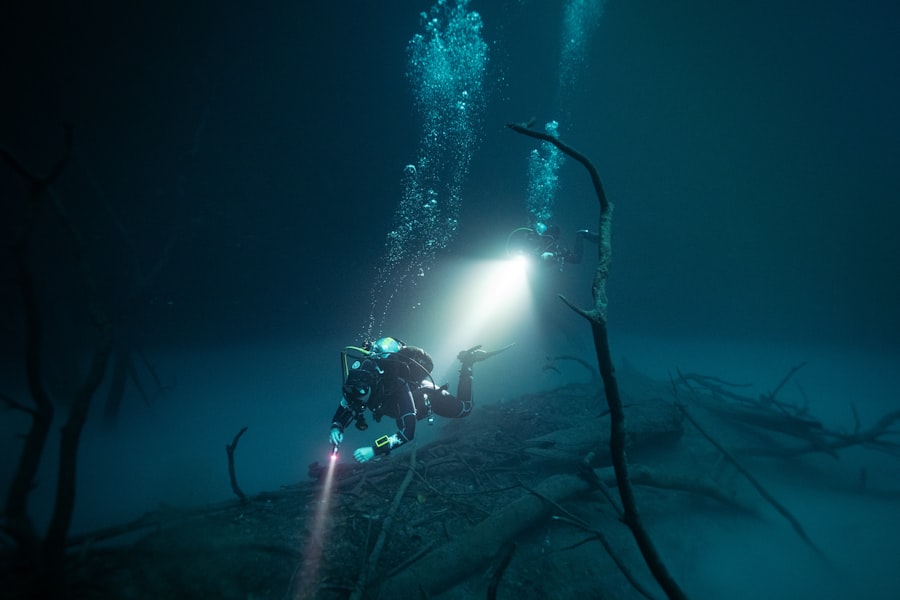
The execution of these deep-sea missions pushed the boundaries of existing technology and presented unprecedented operational challenges. The hostile environment of the deep ocean demanded innovative solutions in submarine design, underwater robotics, acoustic detection, and dive physiology.
Deep Submergence Systems
The CIA’s ocean floor missions relied heavily on specialized deep-submergence systems. These included manned submersibles like the NR-1, a nuclear-powered research submersible capable of prolonged deep-water operations, and various remotely operated vehicles (ROVs). These vehicles were equipped with advanced manipulators, cameras, sonar arrays, and data recording equipment, enabling precise manipulation of objects and detailed surveys of the ocean floor. The development and deployment of such systems were at the forefront of underwater engineering.
Navigation and Positioning at Extreme Depths
Accurate navigation and positioning in the abyssal plains, devoid of surface references, were monumental challenges. Specialized inertial navigation systems, acoustic positioning beacons, and detailed seafloor mapping were crucial for locating specific sites, deploying equipment, and retrieving valuable assets. The constant currents, shifting seabed, and the inherent limitations of traditional navigation methods at depth necessitated sophisticated and often experimental solutions. Imagine, if you will, trying to thread a needle in perfectly dark, turbulent water, with only your sense of touch and some very faint echoes to guide you. That metaphor encapsulates the difficulty of their task.
Secrecy and Deception
Maintaining absolute secrecy was paramount for these operations. Any leak could compromise the mission, endanger personnel, and provoke a serious international incident. Extensive measures were taken to camouflage the true nature of the missions, often disguised as scientific research or salvage operations. The personnel involved were subject to stringent security protocols and compartmentalization, ensuring that knowledge of these highly classified activities was limited to a very small inner circle.
The Betrayal and its Consequences
Operation Ivy Bells, despite its success, ultimately came to an abrupt and disastrous end due to betrayal. In the mid-1980s, Ronald Pelton, a former National Security Agency (NSA) communications specialist, sold details of the operation to the Soviet Union.
Ronald Pelton’s Espionage
Pelton, disillusioned and facing financial difficulties, approached the Soviet embassy in Washington D.C. and provided them with critical intelligence, including information about Operation Ivy Bells. His betrayal was a catastrophic blow to American intelligence, compromising one of its most valuable secrets.
The Discovery of the “Pod”
Armed with Pelton’s information, the Soviets swiftly located and retrieved the listening device. The discovery of the American wiretap was a moment of profound embarrassment and strategic loss for the United States. While the Soviets kept the discovery quiet for some time, it eventually became public knowledge, revealing the immense scope and audacity of the CIA’s deep-sea espionage.
Impact on Future Operations
The fallout from Pelton’s betrayal had significant repercussions. It forced the CIA to re-evaluate its intelligence-gathering methods and security protocols. While the specific nature of future deep-sea operations may have changed, the fundamental drive to gather intelligence from the ocean floor remained. The betrayal underscored the constant vulnerability of even the most sophisticated intelligence operations to human failings.
The CIA’s secret ocean floor missions have long been a topic of intrigue, revealing the agency’s covert operations that extend beyond traditional espionage. These underwater endeavors often intersect with military strategy and technological advancements, shedding light on the lengths to which intelligence agencies will go to secure national interests. For a deeper understanding of these clandestine activities, you can explore a related article that delves into the complexities of underwater surveillance and the historical context of these missions. Check it out here for more insights.
Legacy and Ongoing Relevance
| Mission Name | Year | Objective | Location | Duration | Outcome |
|---|---|---|---|---|---|
| Project Azorian | 1974 | Recover sunken Soviet submarine K-129 | North Pacific Ocean | 5 months | Partial recovery of submarine |
| Operation Ivy Bells | 1970s-1980s | Tap Soviet underwater communication cables | Bering Sea | Several years | Successful cable tapping until compromised |
| Project Jennifer | 1974 | Covert recovery of Soviet submarine | North Pacific Ocean | Months | Recovered parts of submarine |
| Operation Sand Dollar | 1960s | Underwater surveillance and reconnaissance | Various ocean locations | Ongoing | Enhanced underwater intelligence capabilities |
The CIA’s secret ocean floor missions, particularly Operation Ivy Bells, left an indelible mark on the history of intelligence gathering and naval warfare. Their legacy extends beyond the Cold War, influencing modern approaches to undersea intelligence and technology.
Evolution of Subsea Intelligence
The principles and technologies developed for operations like Ivy Bells continued to evolve. Modern intelligence agencies utilize sophisticated autonomous underwater vehicles (AUVs), advanced remote sensing capabilities, and satellite imagery to monitor subsea activities. The fundamental objective of understanding and influencing events beneath the waves remains a critical aspect of national security.
Technological Advancements for Deep Sea Operations
The immense investments in research and development for these clandestine missions spurred significant advancements in deep-sea technology. Many of these innovations, initially developed for military and intelligence purposes, have since found applications in scientific research, commercial exploration, and disaster recovery. The challenges of operating in extreme environments often drive innovation that benefits a broader spectrum of human endeavor.
A Continuing Chess Game Beneath the Waves
The ocean floor remains a vital arena for geopolitical competition. Nations continue to invest heavily in undersea warfare capabilities, including advanced submarines, anti-submarine warfare (ASW) technologies, and subsea surveillance systems. The silent chess game played out during the Cold War has merely evolved, with new players and new technologies, but the fundamental stakes remain just as high. The lessons learned from the CIA’s daring forays into the deep continue to inform contemporary strategies and technological developments in this crucial, hidden domain. The vast, dark canvas of the ocean floor continues to hold secrets, and the quest to uncover them endures.
WARNING: The $800 Million Mechanical Failure That Almost Started WWIII
FAQs
What were the CIA’s secret ocean floor missions?
The CIA’s secret ocean floor missions were covert operations aimed at exploring, mapping, and sometimes retrieving objects from the ocean floor. These missions often involved advanced technology and were conducted during the Cold War to gather intelligence and monitor underwater activities.
When did the CIA conduct these ocean floor missions?
Most of the CIA’s secret ocean floor missions took place during the Cold War era, particularly from the 1950s through the 1970s. This period was marked by intense espionage and technological competition between the United States and the Soviet Union.
What technologies were used in the CIA’s ocean floor missions?
The CIA employed a range of technologies including deep-sea submersibles, sonar mapping equipment, underwater cameras, and remotely operated vehicles (ROVs). These tools allowed agents to explore and retrieve objects from great depths on the ocean floor.
What was the purpose of these secret missions?
The primary purpose was to gather intelligence on Soviet and other foreign underwater activities, such as submarine movements and underwater installations. Some missions also aimed to recover sunken objects, including lost equipment or sensitive materials.
Are details about these missions publicly available?
While many details remain classified, some information about the CIA’s secret ocean floor missions has been declassified or revealed through investigative journalism and official disclosures. However, much about these operations remains confidential due to national security concerns.