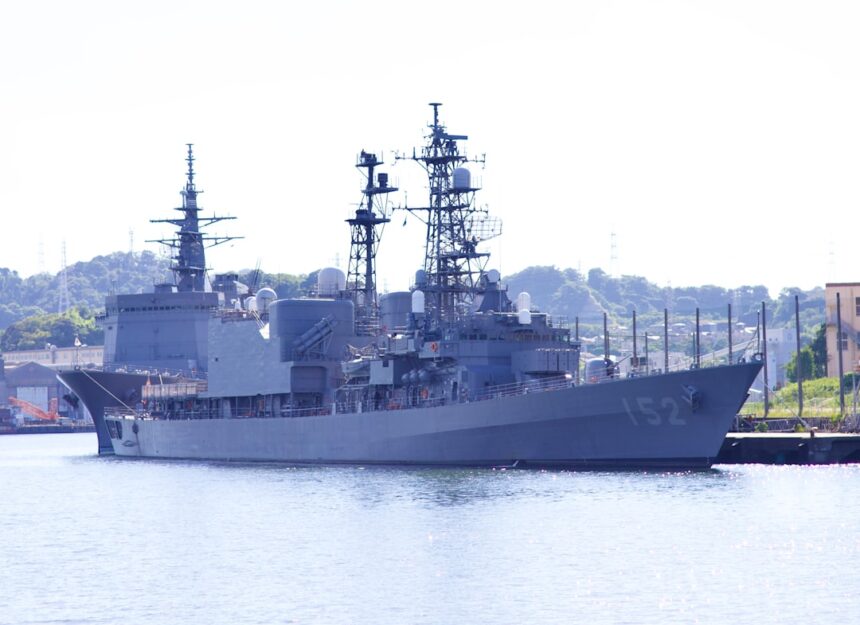
The U.S. Navy Fifth Fleet was established in 1944 and operates from its headquarters in Bahrain. The fleet maintains responsibility for maritime operations across the Arabian Gulf, Red Sea, and portions of the Indian Ocean.
Its primary mission involves securing shipping lanes, conducting naval operations, and coordinating with regional partner nations. The Fifth Fleet operates in a region characterized by complex security challenges. Its operational focus has evolved to address maritime threats including piracy, terrorism, and regional conflicts.
The fleet conducts regular patrols, participates in multinational exercises, and maintains a forward presence to support U.S. strategic interests in the Middle East. Through partnerships with allied nations, the Fifth Fleet contributes to regional maritime security operations and maintains open sea lanes critical to international commerce.
The history of the U.S. Navy Fifth Fleet in the Middle East is marked by significant events that have shaped its operational focus and strategic importance. Initially formed during World War II to support operations in the Pacific Theater, the Fifth Fleet was reactivated in 1995 to address the growing complexities of the post-Cold War era.
Its reestablishment coincided with an increased U.S. military presence in the Middle East, particularly following the Gulf War in 1991, which underscored the need for a robust naval force to ensure regional stability. Throughout its history, the Fifth Fleet has been involved in numerous operations that reflect its evolving mission.
From enforcing maritime sanctions against Iraq in the 1990s to conducting counter-terrorism operations following the September 11 attacks, the fleet has consistently adapted to meet new challenges. The events of the Arab Spring and subsequent conflicts further highlighted the need for a responsive naval presence, leading to increased engagement with regional partners and a focus on humanitarian assistance and disaster relief missions.
The primary role of the U.S. Navy Fifth Fleet is to ensure maritime security and freedom of navigation in its area of responsibility. This encompasses a wide range of responsibilities, including deterrence against potential adversaries, protection of vital shipping routes, and support for allied nations.
The fleet’s operational capabilities allow it to project power and respond swiftly to crises, making it an essential component of U.S. military strategy in the region. In addition to its combat readiness, the Fifth Fleet is tasked with fostering partnerships with regional navies and security forces.
This collaborative approach enhances collective security efforts and promotes stability through joint exercises, training programs, and information sharing. By working closely with allies and partners, the Fifth Fleet not only strengthens its own capabilities but also contributes to a more secure maritime environment across the Middle East.
Key Takeaways
- The U.S. Navy Fifth Fleet plays a critical role in maintaining security and stability in the Middle East.
- It has a rich history of operations and strategic presence in the region.
- The fleet collaborates closely with regional allies to address security challenges and threats.
- It conducts a range of missions including combat operations, humanitarian aid, and disaster relief.
- Advanced technology and evolving strategies shape the future outlook of the Fifth Fleet’s operations.
The operations and missions conducted by the U.S. Navy Fifth Fleet are diverse and multifaceted, reflecting the complexities of the region it serves. One of its primary missions is to ensure freedom of navigation in critical waterways such as the Strait of Hormuz, through which a significant portion of the world’s oil supply transits.
The fleet conducts regular patrols and exercises to deter potential threats from hostile actors who may seek to disrupt maritime trade. In addition to its deterrent role, the Fifth Fleet engages in various humanitarian missions aimed at providing assistance during crises. These operations can range from disaster relief following natural disasters to providing medical support during humanitarian emergencies.
The fleet’s ability to rapidly deploy resources and personnel allows it to respond effectively to urgent needs, showcasing its commitment to not only military objectives but also humanitarian principles.
Key Locations and Bases in the Middle East
The strategic positioning of the U.S. Navy Fifth Fleet is facilitated by several key locations and bases throughout the Middle East. The primary headquarters is located in Bahrain, which serves as a vital hub for operations and coordination within the region.
This base provides essential logistical support and enables rapid deployment of naval assets across the Arabian Gulf and beyond. In addition to Bahrain, other significant locations include naval facilities in Qatar and Djibouti, which further enhance operational reach and flexibility. These bases allow for increased collaboration with regional partners and provide critical support for ongoing missions.
The geographical distribution of these bases reflects a strategic approach to maintaining a robust naval presence while ensuring readiness to respond to emerging threats.
Collaboration with Regional Allies and Partners
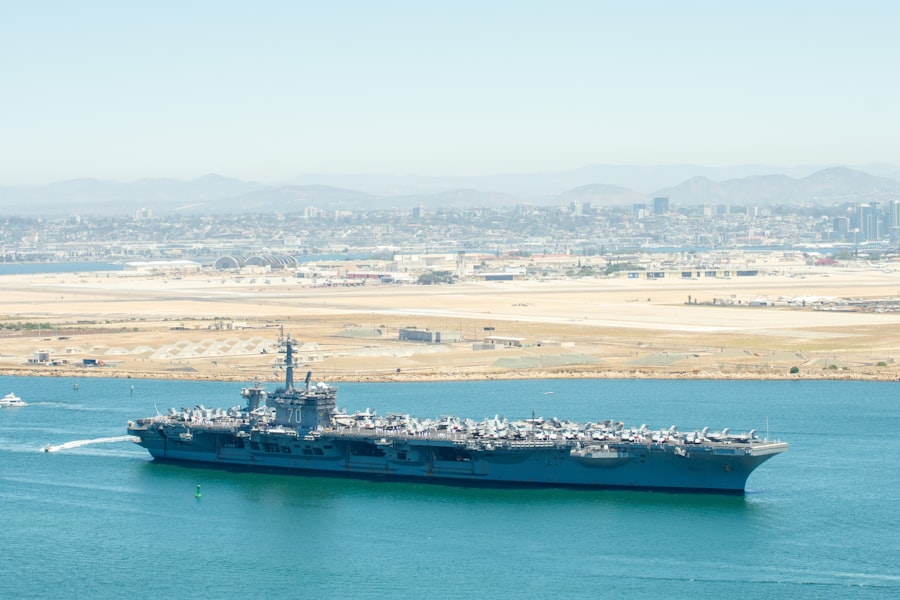
Collaboration with regional allies and partners is a cornerstone of the U.S. Navy Fifth Fleet’s operational strategy. The fleet engages in joint exercises and training programs with various navies in the Middle East, fostering interoperability and enhancing collective security capabilities.
These partnerships are crucial for addressing shared challenges such as piracy, terrorism, and regional instability. The Fifth Fleet’s commitment to collaboration extends beyond military exercises; it also involves diplomatic engagement with regional governments.
This collaborative approach not only strengthens regional security but also reinforces U.
commitments to its allies in an increasingly complex geopolitical landscape.
The U.S. Navy Fifth Fleet operates in an environment characterized by numerous challenges and threats that can impact its mission effectiveness. One of the most pressing concerns is the rise of asymmetric warfare tactics employed by non-state actors and regional adversaries.
These groups often utilize unconventional methods such as cyber warfare, drone attacks, and maritime sabotage, posing significant challenges to traditional naval operations. Additionally, geopolitical tensions among regional powers can complicate the fleet’s mission. Rivalries between nations such as Iran and Saudi Arabia create an unpredictable security environment that requires constant vigilance and adaptability from U.S.
forces. The potential for miscalculation or escalation during confrontations necessitates a careful balance between deterrence and diplomacy.
Humanitarian Assistance and Disaster Relief Efforts
Humanitarian assistance and disaster relief (HADR) efforts are integral components of the U.S. Navy Fifth Fleet’s mission in the Middle East. The fleet has demonstrated its commitment to providing aid during crises through various operations aimed at alleviating human suffering.
These missions often involve deploying naval assets equipped with medical facilities, supplies, and personnel trained in emergency response. In recent years, the Fifth Fleet has responded to natural disasters such as earthquakes and floods in neighboring countries, showcasing its ability to mobilize quickly in times of need. These HADR efforts not only provide immediate relief but also strengthen relationships with local communities and governments, reinforcing America’s role as a partner in times of crisis.
Technology and Equipment Used in Operations
| Metric | Value | Notes |
|---|---|---|
| Area of Responsibility | 2.5 million square miles | Includes Persian Gulf, Red Sea, Arabian Sea, and parts of Indian Ocean |
| Number of Ships | Approx. 30-40 | Varies based on deployment rotations |
| Personnel Strength | Over 20,000 | Includes sailors, marines, and support staff |
| Headquarters | Bahrain | Main operational command center |
| Primary Missions | Maritime security, counter-piracy, freedom of navigation | Ensures safe passage in strategic waterways |
| Annual Exercises | 5-7 major exercises | Includes multinational naval drills |
| Number of Aircraft | Approx. 70 | Includes helicopters and fixed-wing aircraft |
| Operational Deployments | Continuous | Maintains persistent presence in the region |
The effectiveness of the U.S. Navy Fifth Fleet is significantly enhanced by advanced technology and equipment utilized during operations. Modern naval vessels are equipped with state-of-the-art systems for surveillance, communication, and combat readiness.
Aircraft carriers, destroyers, submarines, and amphibious assault ships form a formidable fleet capable of projecting power across vast distances. Moreover, advancements in unmanned systems have transformed naval operations by providing enhanced reconnaissance capabilities without risking personnel. Drones are increasingly used for intelligence gathering, surveillance missions, and even targeted strikes when necessary.
This integration of technology allows the Fifth Fleet to maintain situational awareness while minimizing risks associated with traditional military engagements.
The impact of U.S. Navy Fifth Fleet operations in the Middle East extends beyond immediate military objectives; it shapes regional dynamics and influences global perceptions of American power. By maintaining a visible presence in key waterways, the fleet deters potential aggressors while reassuring allies of U.S.
commitment to their security. Furthermore, the fleet’s engagement in humanitarian missions fosters goodwill among local populations and governments, enhancing America’s image as a benevolent force in times of crisis. This dual approach—combining military readiness with humanitarian assistance—reinforces U.S.
interests while contributing to long-term stability in a region often marked by conflict.
Future Outlook and Evolution of Operations
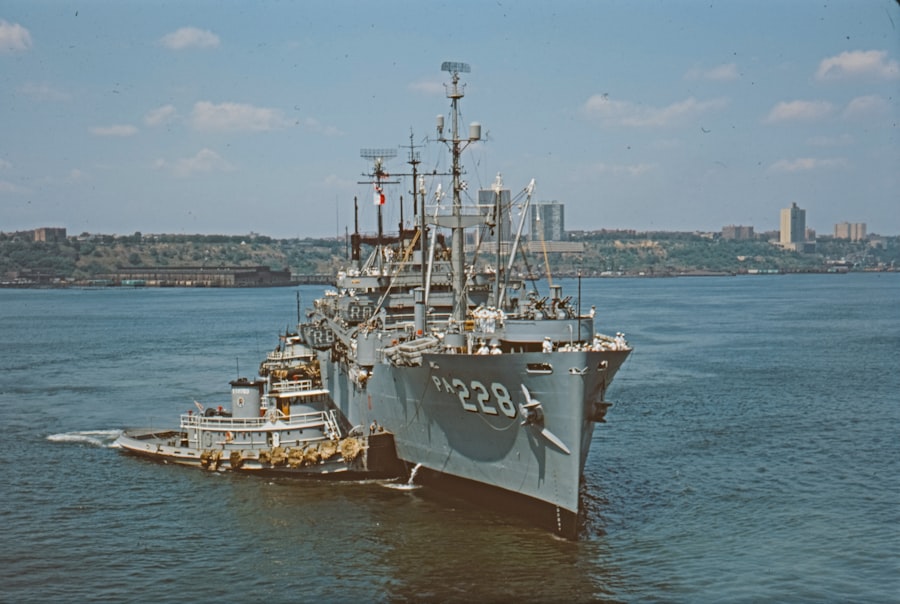
Looking ahead, the future outlook for the U.S. Navy Fifth Fleet will likely involve continued adaptation to an evolving security landscape marked by emerging threats and shifting geopolitical dynamics. As new technologies reshape warfare, the fleet will need to integrate these advancements into its operational framework while maintaining readiness for traditional naval engagements.
Moreover, collaboration with regional partners will remain essential as nations navigate complex challenges together. The emphasis on joint exercises and information sharing will be crucial for enhancing collective security efforts against common threats such as terrorism and piracy. In conclusion, as global dynamics continue to shift, so too will the role of the U.S.
Navy Fifth Fleet in ensuring maritime security and stability in the Middle East. Its ability to adapt to changing circumstances while fostering partnerships will be vital for maintaining peace in this strategically significant region for years to come.
The U.S. Navy Fifth Fleet plays a crucial role in maintaining maritime security and stability in the Middle East. For a deeper understanding of the strategic operations and challenges faced by the Fifth Fleet, you can read a related article on this topic at In the War Room. This article provides insights into the fleet’s recent missions and its impact on regional security dynamics.
FAQs
What is the U.S. Navy Fifth Fleet?
The U.S. Navy Fifth Fleet is a numbered fleet responsible for naval operations in the Persian Gulf, Red Sea, Arabian Sea, and parts of the Indian Ocean. It plays a critical role in maintaining maritime security and stability in these regions.
Where is the U.S. Navy Fifth Fleet headquartered?
The U.S. Navy Fifth Fleet is headquartered at Naval Support Activity Bahrain, located in Manama, Bahrain.
What are the primary missions of the U.S. Navy Fifth Fleet?
The primary missions include ensuring freedom of navigation, deterring aggression, conducting maritime security operations, supporting coalition forces, and providing humanitarian assistance and disaster relief when needed.
Which countries fall under the operational area of the Fifth Fleet?
The Fifth Fleet’s area of responsibility includes the Persian Gulf, Red Sea, Arabian Sea, Gulf of Oman, and parts of the Indian Ocean, covering waters near countries such as Saudi Arabia, Iran, Iraq, Kuwait, Bahrain, Qatar, United Arab Emirates, Oman, Yemen, and parts of East Africa.
What types of vessels and aircraft does the Fifth Fleet operate?
The Fifth Fleet operates a variety of vessels including aircraft carriers, destroyers, cruisers, submarines, and support ships. It also utilizes naval aircraft such as helicopters and fixed-wing planes for surveillance, reconnaissance, and combat missions.
How does the Fifth Fleet contribute to regional security?
The Fifth Fleet conducts patrols, escorts commercial shipping, participates in joint exercises with allied navies, and monitors maritime traffic to deter piracy, smuggling, and hostile activities, thereby enhancing regional security.
Does the Fifth Fleet work with other international naval forces?
Yes, the Fifth Fleet regularly collaborates with allied and partner navies through joint exercises, information sharing, and coordinated operations to promote collective maritime security.
How does the Fifth Fleet support humanitarian efforts?
The Fifth Fleet provides disaster relief and humanitarian assistance by delivering supplies, medical aid, and logistical support during natural disasters or crises in the region.
What is the historical significance of the Fifth Fleet?
The Fifth Fleet was established in 1995 to oversee naval operations in a strategically vital region. It has played key roles in conflicts such as the Gulf War, the Iraq War, and ongoing efforts to combat terrorism and piracy.
How can one learn more about the U.S. Navy Fifth Fleet’s current operations?
Information about the Fifth Fleet’s current operations can be found on official U.S. Navy websites, press releases, and through authorized military public affairs channels.