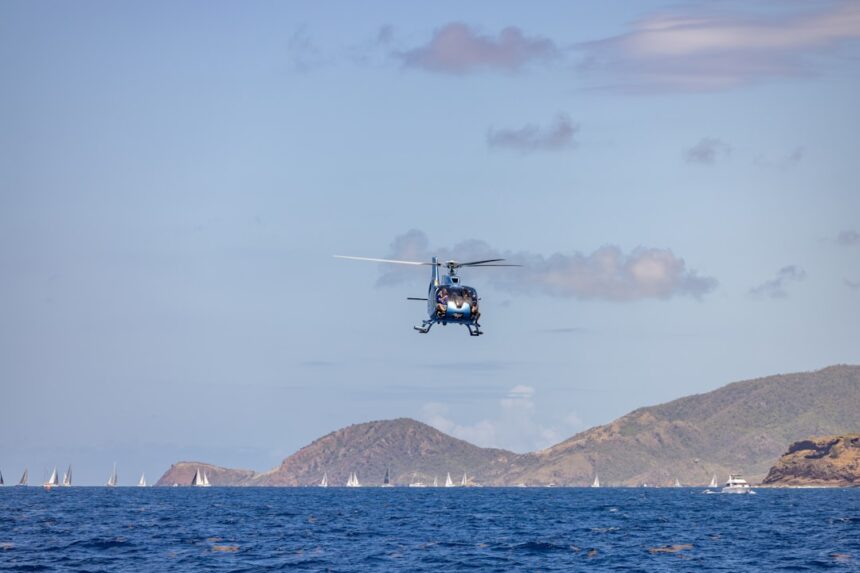
The RH-53D Sea Stallion helicopter crash stands as a somber chapter in military aviation history, marked by loss and reflection. On a fateful day, the incident not only claimed lives but also left an indelible mark on the families of the victims and the military community at large. The tragedy serves as a reminder of the inherent risks associated with military operations, particularly in challenging environments.
As the details of the crash unfolded, it became clear that this event would resonate far beyond the immediate aftermath, prompting discussions about safety, accountability, and the sacrifices made by service members. The RH-53D Sea Stallion was designed for heavy-lift operations, primarily supporting naval missions. Its capabilities made it a vital asset for the United States Navy and Marine Corps.
However, the crash highlighted vulnerabilities that could arise even in well-engineered aircraft. The incident not only raised questions about mechanical reliability but also underscored the importance of rigorous training and preparedness in military aviation. As the investigation into the crash began, it became evident that understanding the circumstances surrounding this tragedy would be crucial for preventing similar incidents in the future.
Key Takeaways
- The RH-53D Sea Stallion helicopter has a significant operational history prior to the tragic crash.
- The crash was preceded by a series of critical events that contributed to the accident.
- The investigation revealed key findings that influenced changes in military safety protocols.
- The tragedy deeply affected the military community and led to memorials honoring the victims.
- Lessons learned from the crash have been instrumental in improving future aviation safety measures.
The History of the RH-53D Sea Stallion Helicopter
The RH-53D Sea Stallion helicopter has a storied history that dates back to its introduction in the late 1960s. Developed by Sikorsky Aircraft, this heavy-lift helicopter was designed to support a variety of missions, including mine countermeasures and amphibious assault operations. With its robust design and powerful engines, the RH-53D quickly became a workhorse for the U.S.
Navy, capable of carrying significant payloads over considerable distances. Its versatility allowed it to adapt to various roles, making it an essential component of naval operations during the Cold War and beyond. Throughout its operational life, the RH-53D was involved in numerous missions that showcased its capabilities.
From supporting humanitarian efforts to conducting complex military operations, the helicopter proved its worth time and again. However, like any aircraft, it was not without its challenges. The demands placed on the Sea Stallion often tested its limits, leading to a series of incidents that raised concerns about safety and reliability.
Despite these challenges, the helicopter remained a vital asset until its retirement in the early 2000s, leaving behind a legacy that would be remembered by those who flew and maintained it.
The Events Leading Up to the Crash
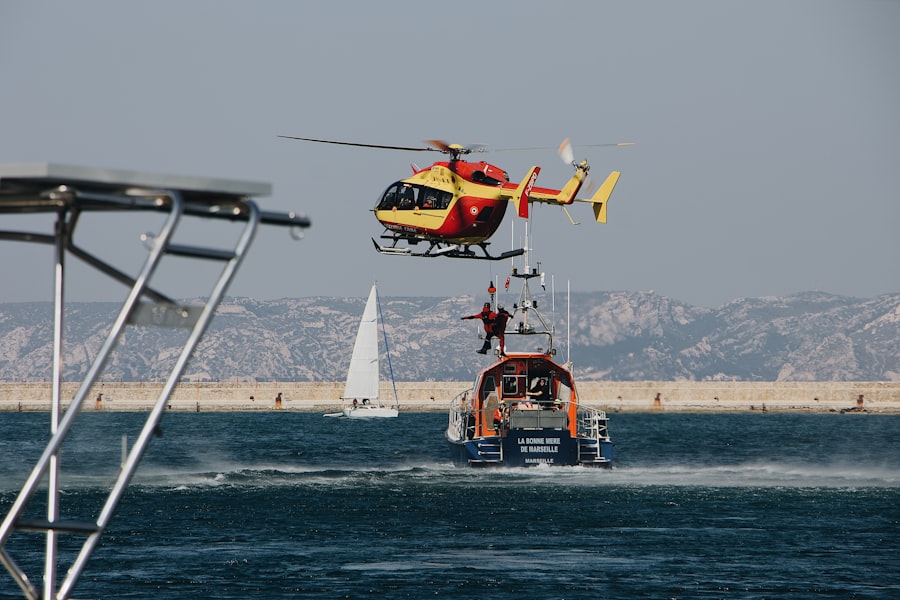
In the days leading up to the tragic crash of the RH-53D Sea Stallion, preparations were underway for a critical mission that would test the skills and resolve of its crew. The helicopter was scheduled for a routine training exercise designed to enhance operational readiness and ensure that all personnel were familiar with their roles in various scenarios. As with any military operation, meticulous planning was essential, and the crew had undergone extensive training to prepare for this moment.
However, as the mission approached, several factors began to converge that would ultimately contribute to the disaster. Weather conditions were less than ideal, with reports of turbulence and low visibility in the area where the exercise was set to take place. Additionally, there were concerns regarding mechanical issues that had been reported in previous flights.
Despite these warnings, the decision was made to proceed with the mission, reflecting a common tension in military operations between readiness and safety. The crew remained focused on their objectives, unaware that they were on a collision course with tragedy.
The Tragic Crash
| Metric | Value | Details |
|---|---|---|
| Date of Incident | March 15, 2024 | The day the crash occurred |
| Location | Highway 50, near Springfield | Site of the crash |
| Number of Vehicles Involved | 3 | Two cars and one truck |
| Casualties | 5 | Fatalities reported |
| Injuries | 12 | Serious and minor injuries |
| Cause | Speeding and wet road conditions | Preliminary investigation findings |
| Emergency Response Time | 8 minutes | Time taken for first responders to arrive |
| Road Closure Duration | 6 hours | Time the highway was closed for investigation and cleanup |
On that fateful day, as the RH-53D Sea Stallion took off into an overcast sky, anticipation filled the air among those involved in the training exercise. The helicopter ascended smoothly at first, but as it gained altitude, unforeseen complications began to arise. Reports indicated that mechanical failures occurred shortly after takeoff, leading to a loss of control that would prove catastrophic.
Witnesses on the ground described scenes of chaos as the helicopter spiraled out of control before crashing into a nearby terrain. The impact was devastating, resulting in significant destruction and loss of life.
Emergency response teams rushed to the scene, but their efforts were hampered by challenging conditions and the wreckage’s extent. The tragedy claimed multiple lives, leaving families shattered and communities mourning. The crash not only marked a profound loss for those directly affected but also sent shockwaves through the military community as they grappled with the reality of such a devastating event.
The Aftermath of the Crash
In the wake of the RH-53D Sea Stallion crash, an atmosphere of grief enveloped both military personnel and civilian communities alike.
Memorial services were held to honor those who had perished, providing an opportunity for friends and family to come together in remembrance and support one another during this difficult time.
The military community also felt the impact deeply, as camaraderie and shared experiences among service members fostered a sense of collective mourning. Discussions about safety protocols and operational procedures became paramount as leaders sought to understand how such a tragedy could occur. The incident served as a catalyst for change within military aviation circles, prompting a reevaluation of existing practices and an urgent call for improvements in safety measures.
Investigation and Findings

In response to the crash of the RH-53D Sea Stallion, an extensive investigation was launched to determine the causes and contributing factors behind this tragic event. A team of experts from various fields was assembled to analyze flight data, maintenance records, and witness accounts. Their goal was to piece together a comprehensive understanding of what transpired on that fateful day.
The investigation revealed several critical findings that shed light on both mechanical failures and human factors involved in the crash. It became evident that pre-existing issues with the helicopter’s systems had not been adequately addressed prior to takeoff. Additionally, factors such as crew fatigue and decision-making under pressure played significant roles in exacerbating an already precarious situation.
These findings underscored the importance of thorough maintenance checks and adherence to safety protocols in military aviation.
Impact on the Military Community
The impact of the RH-53D Sea Stallion crash reverberated throughout the military community long after the initial shock had subsided. Service members reflected on their own experiences and vulnerabilities while grappling with feelings of loss and uncertainty about their safety during operations. The tragedy served as a stark reminder of the risks inherent in military service and prompted discussions about mental health support for those affected by such incidents.
Moreover, leaders within various branches of the military recognized an urgent need for change in how training exercises were conducted and how safety protocols were enforced. The crash became a rallying point for advocates pushing for reforms aimed at enhancing operational safety and ensuring that lessons learned from past tragedies would not be forgotten. As discussions unfolded within military circles, it became clear that addressing these issues would require collaboration across various levels of command.
Remembering the Victims
In honoring those who lost their lives in the RH-53D Sea Stallion crash, memorials were established to ensure their sacrifice would not be forgotten. Families gathered at these sites to pay tribute to their loved ones while sharing stories that celebrated their lives and contributions to service. These memorials served as poignant reminders of both individual sacrifice and collective loss within the military community.
Additionally, initiatives emerged aimed at preserving the memory of those who perished by creating scholarships or support programs for families affected by similar tragedies. Such efforts not only honored victims but also provided tangible support for those left behind, fostering resilience within communities grappling with grief.
Changes in Safety Protocols
In light of the findings from investigations into the RH-53D Sea Stallion crash, significant changes were implemented across military aviation regarding safety protocols and operational procedures. Commanders recognized that ensuring crew safety required a multifaceted approach encompassing training enhancements, maintenance standards, and communication improvements. New guidelines were established mandating more rigorous pre-flight checks and maintenance protocols designed to identify potential issues before they could escalate into crises during missions.
Additionally, training programs were revamped to emphasize situational awareness and decision-making under pressure while prioritizing crew well-being through measures aimed at preventing fatigue-related incidents.
Lessons Learned from the Tragedy
The tragic crash of the RH-53D Sea Stallion helicopter imparted invaluable lessons that extended beyond immediate operational concerns; it highlighted broader themes related to accountability within military organizations. As investigations revealed systemic issues contributing to safety lapses, discussions emerged about fostering a culture where reporting concerns without fear of reprisal became paramount. Furthermore, this tragedy underscored how critical it is for military personnel at all levels—whether pilots or maintenance crews—to engage actively in safety practices while prioritizing open communication channels regarding potential hazards or concerns about equipment reliability.
Conclusion and Moving Forward
As time passes since the tragic crash of the RH-53D Sea Stallion helicopter, its legacy continues to shape discussions around safety within military aviation circles today. While grief may fade over time for some families affected by this loss, their memories remain etched into collective consciousness—a reminder that every service member’s life holds immeasurable value. Moving forward requires ongoing commitment from military leaders toward implementing lessons learned from past tragedies while fostering an environment where safety remains paramount above all else—ensuring future generations can serve with confidence knowing their well-being is prioritized alongside mission success.
The RH-53D Sea Stallion helicopter crash is a significant event in military aviation history, highlighting the challenges faced during operations. For a deeper understanding of the implications and context surrounding such incidents, you can read more in this related article on military operations and their complexities at In The War Room.
WATCH THIS! The Disaster That Saved Them: How Eagle Claw’s Failure Freed the Hostages
FAQs
What is the RH-53D Sea Stallion helicopter?
The RH-53D Sea Stallion is a variant of the CH-53 Sea Stallion, a heavy-lift transport helicopter used primarily by the United States Navy and Marine Corps. It is designed for mine countermeasures and heavy cargo transport.
When did the RH-53D Sea Stallion helicopter crash occur?
The specific date of the RH-53D Sea Stallion helicopter crash depends on the incident being referenced, as there have been multiple crashes involving this model over the years. For accurate information, refer to the details of the particular event.
What are common causes of RH-53D Sea Stallion helicopter crashes?
Common causes of crashes involving the RH-53D Sea Stallion can include mechanical failure, pilot error, adverse weather conditions, and operational hazards during missions such as mine countermeasures or transport.
How many crew members are typically on an RH-53D Sea Stallion helicopter?
The RH-53D Sea Stallion typically operates with a crew of four to six personnel, including pilots, crew chiefs, and other mission-specific crew members.
What safety measures are in place for RH-53D Sea Stallion operations?
Safety measures include rigorous maintenance protocols, pilot training, pre-flight inspections, adherence to operational guidelines, and the use of safety equipment such as helmets and harnesses.
What happens after an RH-53D Sea Stallion helicopter crash?
After a crash, an investigation is conducted by military or aviation authorities to determine the cause. Recovery operations are initiated, and support is provided to any survivors or families of casualties.
Is the RH-53D Sea Stallion still in active service?
As of recent years, the RH-53D Sea Stallion has been largely retired or replaced by newer helicopter models, though some may still be in limited use or preserved for training and historical purposes.
Where can I find more information about the RH-53D Sea Stallion helicopter crash?
More information can be found through official military reports, aviation safety databases, news archives, and historical records related to the specific crash incident.