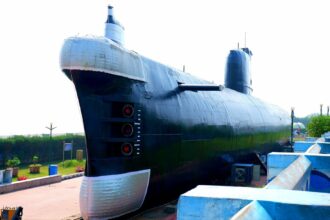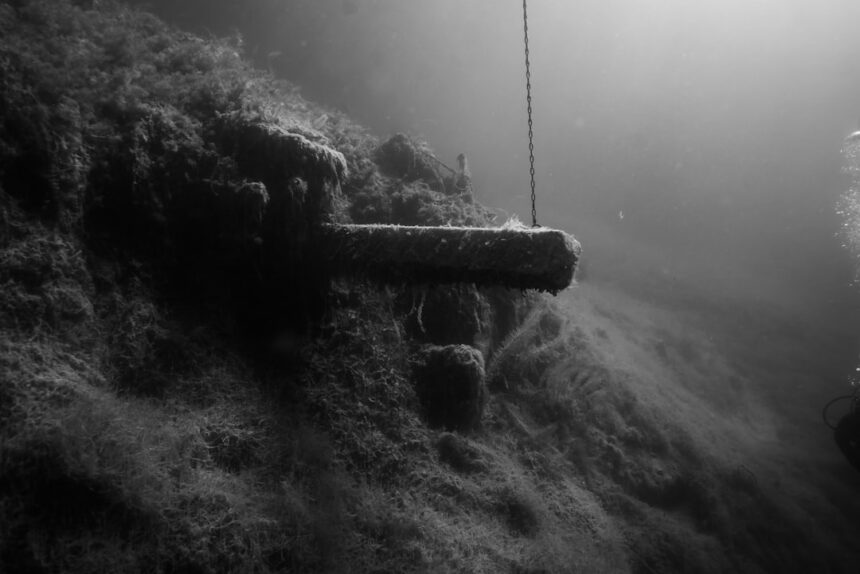
The USS Thresher (SSN-593) was a nuclear-powered attack submarine of the United States Navy, featuring advanced technology and capabilities. Launched in 1960, it represented a significant advancement in submarine design and warfare. On April 10, 1963, the Thresher sank during a deep-diving test off the coast of Cape Cod, Massachusetts, resulting in the loss of all 129 crew members aboard.
This incident stands as one of the most significant disasters in naval history and prompted critical questions about submarine safety protocols and operational procedures. The sinking of the USS Thresher shocked the nation and led to a comprehensive reassessment of submarine design and operational standards. The loss of this sophisticated vessel and its crew highlighted the inherent risks associated with underwater operations and the complexities of nuclear submarine management.
The disaster had far-reaching consequences, fundamentally altering submarine safety measures and naval operations in the decades that followed.
Key Takeaways
- The USS Thresher sank tragically due to critical design and construction flaws.
- Search and rescue efforts were extensive but ultimately unsuccessful in saving the crew.
- The disaster led to major improvements in submarine safety protocols and technology.
- Investigations revealed key failures that informed future naval engineering standards.
- The legacy of the USS Thresher continues to honor the crew and shape submarine operations.
The Design and Construction of the USS Thresher
The USS Thresher was designed as part of the U.S. Navy’s fleet of nuclear-powered submarines, which were intended to provide enhanced stealth and endurance compared to their diesel-electric predecessors. The Thresher was built at the Portsmouth Naval Shipyard in Kittery, Maine, and was notable for its innovative features, including a streamlined hull design that allowed for greater speed and maneuverability.
The submarine was equipped with advanced sonar systems and torpedo launch capabilities, making it a formidable asset in naval warfare. Construction of the Thresher began in 1956, and it was commissioned into service in 1961. The submarine was a product of cutting-edge engineering and reflected the Navy’s commitment to maintaining technological superiority during the Cold War.
However, despite its advanced design, the Thresher’s construction also highlighted some of the challenges associated with building such complex vessels. The integration of new technologies often led to unforeseen complications, which would later play a role in the events leading up to its tragic sinking.
The Tragic Events Leading to the Sinking
On that fateful day in April 1963, the USS Thresher was conducting routine deep-diving tests approximately 220 miles east of Boston. The submarine had successfully completed several dives prior to this test, and there were no indications that anything was amiss. However, shortly after diving to a depth of approximately 8,400 feet, the Thresher experienced a catastrophic failure.
Reports indicated that the submarine encountered mechanical issues that led to a loss of power and control. As the crew attempted to rectify the situation, communication with the surface ship was lost. The last transmission from the Thresher indicated that it was experiencing difficulties but did not provide specific details about the nature of the problems.
In a matter of minutes, the submarine sank to the ocean floor, taking with it all 129 crew members. The suddenness of the disaster left little time for any effective response or evacuation, marking a tragic end to what had been a promising mission.
The Search and Rescue Efforts
In the immediate aftermath of the sinking, search and rescue operations were launched to locate the USS Thresher and recover any survivors. The U.S. Navy deployed numerous ships and aircraft to scour the area where the submarine had last been reported.
Despite their best efforts, however, no signs of life were found. The search teams faced numerous challenges, including harsh weather conditions and the vastness of the ocean, which complicated their efforts to locate the wreckage. After several days of searching without success, it became clear that there would be no survivors from the Thresher.
The Navy eventually shifted its focus from rescue operations to recovery efforts, aiming to locate and retrieve the wreckage of the submarine for investigation. This transition marked a somber acknowledgment of the tragedy that had unfolded and underscored the need for answers regarding what had gone wrong during the ill-fated dive.
The Aftermath of the USS Thresher Sinking
| Metric | Data |
|---|---|
| Submarine Name | USS Thresher (SSN-593) |
| Type | Attack Submarine (Nuclear-powered) |
| Date of Sinking | April 10, 1963 |
| Location | Approximately 220 miles east of Cape Cod, Massachusetts |
| Depth at Sinking Site | Approximately 8,400 feet (2,560 meters) |
| Number of Crew Lost | 129 |
| Cause of Sinking | Mechanical failure leading to flooding and loss of control |
| Significance | Deadliest submarine disaster in U.S. history |
| Aftermath | Initiation of SUBSAFE program to improve submarine safety |
The sinking of the USS Thresher sent shockwaves through both military and civilian communities. Families of the crew members were left devastated by the loss, grappling with grief and uncertainty about what had happened to their loved ones. The Navy faced intense scrutiny as questions arose about safety protocols and operational procedures for nuclear submarines.
In response to this tragedy, an extensive investigation was launched to determine the cause of the sinking and to prevent similar incidents in the future. The aftermath also prompted changes within naval operations. The Navy recognized that improvements were necessary not only in submarine design but also in training and emergency preparedness for crews operating these complex vessels.
As investigations unfolded, it became evident that lessons learned from this tragedy would shape future policies regarding submarine safety and operational readiness.
The Impact on Submarine Safety

The sinking of the USS Thresher had profound implications for submarine safety protocols within the U.S. Navy. In response to the findings from investigations into the disaster, significant changes were implemented across various aspects of submarine operations.
One major outcome was an increased emphasis on crew training and emergency preparedness. Submariners were required to undergo more rigorous training programs that focused on handling emergencies and mechanical failures. Additionally, improvements were made in submarine design and engineering practices.
The Navy began to prioritize redundancy in critical systems to ensure that failures could be managed without catastrophic consequences. These changes reflected a broader commitment to enhancing safety measures for submarines operating in challenging underwater environments.
Remembering the Crew of the USS Thresher
The memory of those who lost their lives aboard the USS Thresher is honored through various memorials and tributes established in their name. Families of crew members have worked tirelessly to ensure that their loved ones are not forgotten, organizing events and ceremonies to commemorate their sacrifice. Each year, memorial services are held to pay tribute to those who perished in this tragic event, allowing families and friends to come together in remembrance.
The legacy of the crew extends beyond mere remembrance; it serves as a reminder of the risks faced by those who serve in submarines and other military capacities. Their bravery and dedication continue to inspire future generations of naval personnel as they navigate their own challenges in service to their country.
The Investigation and Findings
Following the sinking of the USS Thresher, an extensive investigation was conducted by a board of inquiry tasked with determining the cause of the disaster. The investigation revealed several contributing factors that ultimately led to the loss of the submarine.
The findings also highlighted deficiencies in crew training and emergency response protocols. It became evident that while crew members were skilled in many areas, they had not been adequately prepared for specific emergency scenarios that could arise during deep dives. These insights prompted significant changes within naval training programs aimed at better equipping submariners for potential crises.
The Legacy of the USS Thresher
The legacy of the USS Thresher extends far beyond its tragic sinking; it has become a pivotal moment in naval history that continues to influence submarine operations today. The lessons learned from this disaster have shaped policies regarding submarine safety, engineering practices, and crew training across all branches of military service. As a result, future generations of submariners benefit from improved safety measures designed to prevent similar tragedies.
Moreover, discussions surrounding nuclear submarine operations have evolved significantly since the sinking of the Thresher. The incident served as a catalyst for ongoing dialogue about safety standards within military operations involving nuclear technology. This legacy underscores not only a commitment to honoring those who lost their lives but also an enduring dedication to ensuring that such tragedies are not repeated.
Lessons Learned from the Tragedy
The tragedy of the USS Thresher provided invaluable lessons that have been integrated into modern naval practices. One key takeaway was the importance of thorough testing and validation of new technologies before deployment in operational settings. The investigation revealed that certain systems aboard the Thresher had not been adequately tested under realistic conditions, leading to unforeseen failures during critical moments.
Additionally, this incident highlighted the necessity for continuous improvement in training programs for submariners. Emphasizing realistic emergency scenarios during training has become standard practice within naval operations, ensuring that crews are better prepared for potential crises at sea. These lessons have not only enhanced safety protocols but have also fostered a culture of vigilance within submarine operations.
Honoring the Memory of the USS Thresher
Honoring the memory of the USS Thresher involves recognizing both its technological achievements and its tragic loss. Memorials dedicated to its crew serve as poignant reminders of their sacrifice while also celebrating their contributions to naval history. Various organizations have been established to support families affected by this tragedy, providing resources for those seeking closure or connection with others who share similar experiences.
In addition to memorial services, educational initiatives have emerged aimed at raising awareness about submarine safety and honoring those who served aboard vessels like the Thresher. By sharing stories and experiences related to this tragedy, future generations can learn from history while ensuring that such sacrifices are never forgotten. Through these efforts, both individuals and communities continue to pay tribute to those who lost their lives aboard this remarkable vessel.
The tragic sinking of the USS Thresher submarine in April 1963 remains one of the most significant events in naval history, highlighting the importance of submarine safety and engineering. For a deeper understanding of the implications of this disaster and its impact on naval operations, you can read a related article on the topic at In The War Room. This resource provides valuable insights into the lessons learned from the incident and how they shaped future submarine design and safety protocols.
FAQs
What was the USS Thresher?
The USS Thresher (SSN-593) was a nuclear-powered submarine of the United States Navy, commissioned in 1961. It was the lead boat of its class and designed for deep-diving and advanced underwater operations.
When did the USS Thresher sink?
The USS Thresher sank on April 10, 1963, during a deep-diving test in the Atlantic Ocean off the coast of New England.
What caused the sinking of the USS Thresher?
The exact cause of the sinking was determined to be a failure in the submarine’s piping system, which led to flooding and loss of power. This was compounded by the inability to surface due to mechanical failures.
How many crew members were lost in the USS Thresher disaster?
All 129 crew members and civilian technicians aboard the USS Thresher were lost when the submarine sank.
Where did the USS Thresher sink?
The USS Thresher sank approximately 220 miles east of Cape Cod, Massachusetts, in the Atlantic Ocean.
What was the impact of the USS Thresher sinking on submarine safety?
The disaster led to the implementation of the SUBSAFE program by the U.S. Navy, which significantly improved submarine safety standards, design, and maintenance protocols to prevent similar accidents.
Was the wreckage of the USS Thresher ever found?
Yes, the wreckage of the USS Thresher was located on the ocean floor at a depth of about 8,400 feet (2,560 meters) using deep-sea submersibles.
Did the USS Thresher sinking lead to changes in submarine design?
Yes, the sinking prompted extensive reviews and changes in submarine design, construction, and testing procedures to enhance structural integrity and emergency systems.
Is the USS Thresher memorialized?
Yes, there are memorials dedicated to the USS Thresher and its crew, including a monument at the United States Naval Academy and other sites honoring those lost in the tragedy.
What lessons were learned from the USS Thresher tragedy?
The tragedy highlighted the importance of rigorous testing, quality control, and emergency preparedness in submarine operations, leading to improved safety measures and protocols in the U.S. Navy.