The Cold War, an era of geopolitical tension and ideological confrontation, saw the United States and the Soviet Union engaged in a perpetual game of cat and mouse. Below the ocean’s surface, this game played out with particular intensity, as both superpowers vied for naval supremacy. One of the paramount challenges for the U.S. Navy was the tracking of Soviet submarines, a clandestine force capable of projecting strategic power and hindering American maritime operations. This article delves into the multifaceted surveillance techniques employed by the United States to monitor these elusive underwater threats, transforming the vast ocean into a battleground of technology and intelligence.
The urgency to track Soviet submarines became acutely apparent in the post-World War II era. As the Soviet Union developed its own nuclear arsenal and expanded its submarine fleet, the strategic implications were profound. These silent steel leviathans, armed with conventional torpedoes and, later, ballistic missiles, represented a direct threat to U.S. national security and the free flow of commerce. The United States, therefore, embarked on a concerted effort to develop sophisticated systems for their detection and monitoring.
Early Efforts: The Dawn of Sonar
Initially, the U.S. relied on techniques refined during World War II, primarily active sonar. This involved emitting pulses of sound and listening for echoes, much like a bat navigating in the dark.
- Active Sonar Limitations: While effective in certain scenarios, active sonar suffered from significant drawbacks. It announced the presence of the emitting vessel, making it vulnerable to detection and targeting. Furthermore, its range was limited, and reflections from natural underwater features like thermoclines and seamounts could obscure genuine submarine signatures.
- Passive Sonar Development: Recognizing these limitations, the focus quickly shifted to passive sonar, which involved listening for sounds emitted by submarines themselves. This paradigm shift was revolutionary, allowing for covert detection without betraying the listener’s position.
The Cold War Arms Race Underwater
The development of quieter Soviet submarines, particularly those incorporating anechoic coatings and advanced propulsion systems, continuously pushed the boundaries of American surveillance technology. This dynamic created an ongoing arms race, where every Soviet innovation was met with a U.S. countermeasure, often shrouded in secrecy.
In exploring the intricate methods employed by the United States to track Soviet submarines during the Cold War, one can gain further insights by reading a related article that delves into the technological advancements and intelligence strategies of that era. This article not only highlights the challenges faced by the US Navy but also discusses the evolution of submarine warfare. For more information, you can visit the article here: How the US tracked Soviet submarines.
The Sound Surveillance System (SOSUS): A Network of Eavesdropping
Perhaps the most ambitious and impactful surveillance system developed by the United States was the Sound Surveillance System, colloquially known as SOSUS. This monumental undertaking transformed the ocean floor into a vast listening post, allowing the U.S. to detect Soviet submarines from immense distances.
The Principles of SOSUS
SOSUS was an elaborate network of hydrophone arrays strategically placed on the ocean floor, primarily in the Atlantic and Pacific Oceans. These hydrophones, essentially underwater microphones, were designed to capture the subtle acoustic signatures of submerged vessels.
- Hydrophone Arrays: Each SOSUS array consisted of multiple hydrophones connected by underwater cables to shore-based processing stations. These stations, often located in remote coastal areas, were staffed by highly trained personnel who analyzed the incoming acoustic data.
- Acoustic Signatures: Every submarine, like every individual, possesses a unique acoustic fingerprint. This signature is composed of various noises emanating from its machinery, propeller cavitation, and hydrodynamic flow. SOSUS operators learned to identify and differentiate these subtle nuances, distinguishing between friend and foe, and even between different classes of Soviet submarines.
- Triangulation and Localization: By combining data from multiple SOSUS arrays, analysts could triangulate the approximate position of a detected submarine, effectively pinpointing its location within a broad oceanic area.
Operational Deployment and Impact
SOSUS proved to be an invaluable asset throughout the Cold War, providing critical early warnings of Soviet submarine movements. It significantly enhanced the U.S. Navy’s situational awareness and played a crucial role in anti-submarine warfare (ASW) operations.
- Strategic Deterrence: The very existence of SOSUS, even if its full capabilities were unknown to the Soviets, served as a deterrent. The knowledge that their movements could be tracked made it more challenging for them to operate with complete impunity.
- Targeting Assistance: While SOSUS could not provide precise targeting data for individual weapons, it could direct ASW aircraft and surface vessels to broad areas where Soviet submarines were operating, dramatically reducing search times.
- Intelligence Gathering: Beyond simply tracking movements, the acoustic data collected by SOSUS provided invaluable intelligence on Soviet submarine designs, operational patterns, and technological advancements.
Airborne Anti-Submarine Warfare (ASW) Platforms
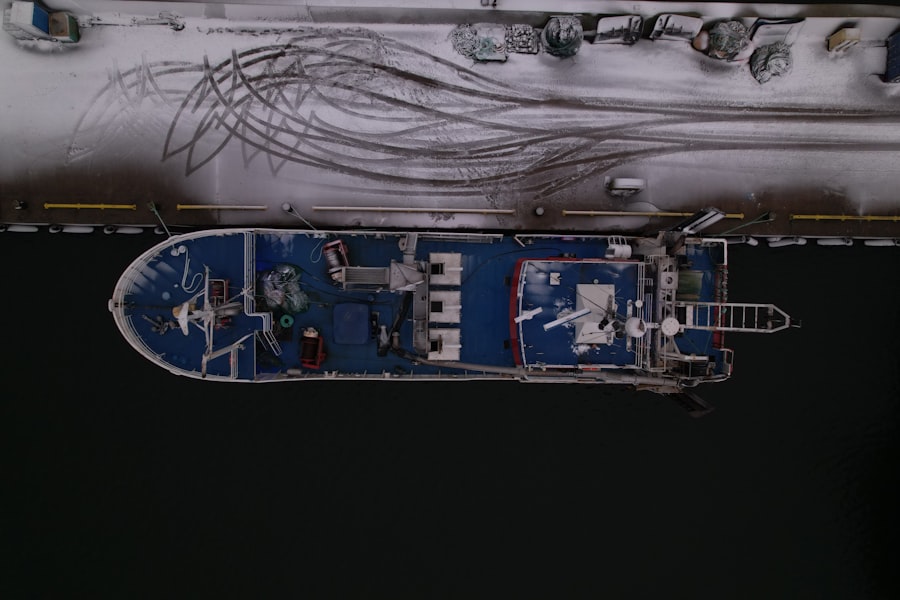
While SOSUS provided a broad-area surveillance capability, dedicated airborne platforms offered a more flexible and responsive means of tracking and, if necessary, engaging Soviet submarines. These aircraft were equipped with a suite of sophisticated sensors, turning them into flying submarine hunters.
The P-3 Orion: The Workhorse of ASW Patrol
The Lockheed P-3 Orion maritime patrol aircraft, derived from the civilian Electra turboprop, became the quintessential ASW platform for the U.S. Navy. Its long endurance and array of sensors made it ideal for sustained patrol missions over vast stretches of ocean.
- Sonobuoys: The P-3’s primary tool for localized submarine detection was the sonobuoy. These expendable, self-contained sonar devices were dropped from the aircraft and deployed in patterns to create an acoustic listening field.
- Passive Sonobuoys: These simply listened for submarine noises and transmitted the data back to the aircraft.
- Active Sonobuoys: These emitted sonar pulses, providing a more precise picture of underwater objects.
- Magnetic Anomaly Detector (MAD): Submarines, being large masses of ferrous metal, create distortions in the Earth’s magnetic field. The MAD boom, extending from the tail of the P-3, detected these magnetic anomalies, particularly when the aircraft flew directly over a submerged submarine. MAD had a very short range but was highly effective for close-range detection and localization.
- Radar and ESM (Electronic Support Measures): While primarily used for surface vessel detection, radar could occasionally detect submarine periscopes or snorkel masts when they were raised. ESM systems, on the other hand, passively detected and identified electronic emissions from Soviet submarines, such as radar signals or communications.
Helicopters in ASW: Agility and Proximity
Naval helicopters, such as the SH-3 Sea King and later the SH-60 Seahawk, played a crucial role in close-range ASW. Operating from aircraft carriers and frigates, they provided a rapid response capability to potential submarine threats.
- Dipping Sonar: Helicopters were equipped with dipping sonar, a transducer lowered into the water on a cable. This allowed for precise, localized acoustic searches and tracking, particularly effective in congested littoral waters or when investigating a potential contact.
- Torque Measurements and Doppler Shift: Advanced analysis of sonobuoy data, including subtle changes in propeller cavitation (torque measurements) and the perceived shift in sound frequency due to relative motion (Doppler shift), allowed for increasingly accurate tracking and speed estimation of suspected submarines.
Satellite Surveillance and Other Advanced Techniques

As technology progressed, the U.S. expanded its surveillance capabilities beyond acoustic and airborne methods, incorporating space-based assets and other cutting-edge techniques to maintain a comprehensive watch over Soviet submarine activity.
Ocean Surveillance Satellites (OSS)
While not directly detecting submerged submarines, Ocean Surveillance Satellites (OSS) played a vital role in providing crucial contextual intelligence.
- Surface Activity Monitoring: These satellites monitored Soviet naval bases and shipping lanes, detecting the outward and inward movements of surface vessels, including submarine tenders and support ships. This information could indirectly indicate potential submarine deployments or recoveries.
- Thermal Signatures and Disturbances: Research was also conducted into detecting subtle thermal signatures or surface disturbances caused by submerged submarines at shallow depths, but these techniques generally proved less reliable than acoustic methods.
Acoustic Research and Sound Propagation
A deep understanding of oceanography and how sound propagates through water was fundamental to all acoustic surveillance efforts. The U.S. invested heavily in research into these areas.
- Oceanic Thermoclines: Variations in water temperature create layers of differing densities, known as thermoclines, which can refract and scatter sound waves, making detection challenging. Understanding these phenomena allowed for more effective deployment of sensors and interpretation of data.
- Bottom Topography and Acoustic Channels: The shape of the ocean floor and the presence of underwater mountains or trenches could create acoustic channels or shadow zones, influencing sound propagation. Mapping these features was crucial for optimizing surveillance network placement.
- Ambient Noise Reduction: The ocean is a noisy environment, filled with biological sounds, weather-related noise, and distant shipping. Sophisticated signal processing techniques were developed to filter out this ambient noise, allowing the faint signatures of submarines to emerge.
Other Complementary Techniques
A myriad of other techniques, often classified, contributed to the overall surveillance effort. These included:
- Human Intelligence (HUMINT): Spies and informants within the Soviet Union provided invaluable insights into submarine construction, deployment schedules, and technological advancements.
- Signals Intelligence (SIGINT): Intercepting Soviet naval communications, even if encrypted, could provide clues about their submarine operations.
- Patrols and Observation: Surface ships and aircraft maintained physical patrols, sometimes encountering Soviet submarines and reporting their observations.
In exploring the intricate methods used by the US to track Soviet submarines during the Cold War, one can gain further insights by reading a related article on the subject. This piece delves into the technological advancements and intelligence strategies that shaped naval warfare at the time. For a deeper understanding, you can check out this informative article on naval intelligence and its impact on global security dynamics.
The Enduring Legacy: A Continuous Evolution of Surveillance
| Metric | Description | Value/Detail |
|---|---|---|
| Number of SOSUS Arrays | Underwater hydrophone arrays deployed to detect Soviet submarines | Over 25 arrays along US and allied coastlines |
| Detection Range | Approximate distance SOSUS could detect submarine noises | Up to 1,000 nautical miles |
| Frequency Range Monitored | Sound frequencies used to identify submarine signatures | Low-frequency range: 10 Hz to 1,000 Hz |
| Number of Tracked Soviet Submarines | Estimated number of Soviet subs tracked during Cold War | Hundreds annually during peak periods |
| Time to Detect | Average time from submarine entering monitored area to detection | Minutes to hours depending on location and noise |
| Data Processing Centers | Facilities analyzing SOSUS data and coordinating tracking | Multiple shore-based centers including Naval Facilities in the US and UK |
| Submarine Noise Signature Database | Catalog of acoustic signatures used to identify submarine classes | Thousands of recorded signatures from various Soviet subs |
| Use of Magnetic Anomaly Detection (MAD) | Additional technology to detect submarines by magnetic field disturbances | Deployed on aircraft and ships, effective at close range |
The Cold War may have ended, but the need for effective underwater surveillance persists. The techniques developed during that era, particularly those related to acoustic detection and passive listening, form the bedrock of modern anti-submarine warfare. The U.S. continues to refine and advance these capabilities in response to emerging threats.
From SOSUS to Integrated Undersea Surveillance
While the original SOSUS system has undergone significant modernization and consolidation, the concept of a fixed, long-range acoustic detection network remains vital. These systems are now integrated with other platforms, forming a more cohesive and sophisticated undersea surveillance picture.
- Advanced Sensor Fusion: Modern ASW systems combine data from multiple sources – sonobuoys, dipping sonar, towed arrays, and even specialized unmanned underwater vehicles (UUVs) – to create a comprehensive picture of the underwater environment. This “sensor fusion” overcomes the individual limitations of each system.
- Artificial Intelligence and Machine Learning: The vast amounts of data generated by modern surveillance systems necessitate the use of artificial intelligence and machine learning algorithms. These technologies can identify subtle patterns, classify acoustic signatures, and even predict submarine movements with increasing accuracy, relieving human operators from tedious manual analysis.
- Unmanned Underwater Vehicles (UUVs): UUVs are emerging as a game-changer in undersea surveillance. These autonomous platforms can be deployed for extended periods, conducting covert patrols and collecting data in challenging environments, complementing and extending the reach of traditional ASW platforms.
The New Cold War: A Resurgence of Undersea Competition
Today, a new era of strategic competition is unfolding, with great powers once again investing heavily in their submarine fleets. The tracking of advanced, increasingly stealthy submarines from nations like Russia and China presents a formidable challenge. The lessons learned from the Cold War, and the continuous evolution of surveillance techniques, are more relevant than ever. The ocean’s depths remain a critical arena for strategic advantage, and the silent hunt for the underwater giants continues.
WATCH NOW ▶️ SHOCKING: Why the Seafloor Went Silent
FAQs
1. What methods did the US use to track Soviet submarines during the Cold War?
The US employed a combination of sonar arrays, underwater listening devices, satellite surveillance, and reconnaissance aircraft to monitor Soviet submarine movements. The Sound Surveillance System (SOSUS) was a key underwater network used to detect and track submarines.
2. What was the Sound Surveillance System (SOSUS)?
SOSUS was a chain of underwater hydrophone arrays placed on the ocean floor, primarily in the Atlantic and Pacific Oceans. It was designed to detect low-frequency sounds emitted by Soviet submarines, allowing the US Navy to track their locations over vast distances.
3. How did technological advancements improve US submarine tracking capabilities?
Advancements in sonar technology, signal processing, and satellite reconnaissance enhanced the US’s ability to detect quieter and more advanced Soviet submarines. Improved data analysis and integration of multiple intelligence sources also contributed to more effective tracking.
4. Why was tracking Soviet submarines important for the US?
Tracking Soviet submarines was crucial for maintaining strategic military balance and ensuring national security. It helped the US monitor potential threats, protect its own naval assets, and maintain deterrence during the Cold War.
5. Did the US collaborate with allies in tracking Soviet submarines?
Yes, the US worked closely with NATO allies and other partners to share intelligence and coordinate surveillance efforts. This collaboration expanded the coverage area and improved the overall effectiveness of submarine tracking operations.