The consumption of processed snacks in the United States is widespread, offering convenience and often palatable tastes. However, beneath the appealing packaging and immediate gratification lies a complex landscape of ingredients, some of which have raised concerns regarding their potential impact on public health. This article examines several categories of potentially problematic additives commonly found in American snacks, exploring their presence, regulatory oversight, and the scientific basis for these concerns.
Artificial food colors, a vibrant palette designed to enhance the visual appeal of snacks, are a subject of ongoing debate. These synthetic compounds provide the bright reds, yellows, and blues that draw consumers, particularly children, to many snack products.
The Chemical Palette: Common Artificial Colors
The U.S. Food and Drug Administration (FDA) approves several artificial colors for use in food. Among the most prevalent in snacks are:
- FD&C Red No. 40 (Allura Red AC): This is one of the most widely used red dyes, found in everything from fruit-flavored candies and sugary cereals to potato chips and some baked goods. Its pervasive nature makes it a common point of discussion when artificial colors are examined.
- FD&C Yellow No. 5 (Tartrazine): Known for its bright yellow hue, Tartrazine is a staple in many cheese-flavored snacks, lemon-lime beverages, and gummy treats. It is also a known allergen for a subset of the population.
- FD&C Yellow No. 6 (Sunset Yellow FCF): This orange-yellow dye contributes to the color of many orange and yellow snacks, including cheese puffs, certain cookies, and maraschino cherries used as garnishes.
- FD&C Blue No. 1 (Brilliant Blue FCF): Used to create blue and green shades, this color is common in candy, beverages, and ice cream.
Safety Assessments and Regulatory Oversight
The FDA’s approval process for food additives is based on extensive scientific data submitted by manufacturers. For artificial colors, this includes studies on toxicity, carcinogenicity, and other potential health effects. The agency sets acceptable daily intake (ADI) levels, which are estimates of the amount of a substance that can be consumed daily over a lifetime without appreciable health risk.
However, the interpretation of this data and the adequacy of current safety standards are points of contention. Critics argue that regulatory bodies sometimes lag behind emerging scientific evidence, particularly concerning the long-term, cumulative effects of consuming multiple artificial additives.
Emerging Concerns: Behavioral Effects and Allergies
A significant area of concern, especially in relation to children’s snacks, is the potential link between artificial colors and behavioral issues. Some studies, though debated in their methodology and conclusions, have suggested that certain artificial dyes may exacerbate hyperactivity in a subset of children. The “Southampton study” in the UK, for instance, concluded that a combination of certain artificial food colors and the preservative sodium benzoate increased hyperactivity in children. While the FDA maintains that available data does not establish a causal link, the agency has encouraged manufacturers to voluntarily reduce or eliminate these colors from their products.
Furthermore, artificial colors can act as allergens for sensitive individuals. Tartrazine (Yellow No. 5) is particularly noted for its association with allergic reactions, which can range from mild skin rashes to more severe respiratory symptoms. For individuals with yellow dye sensitivity, navigating the snack aisle can be a minefield.
In recent discussions about the health implications of American snacks, a pertinent article highlights the dangers of toxic food additives commonly found in these products. The article delves into the various chemicals used to enhance flavor, texture, and shelf life, raising concerns about their long-term effects on consumer health. For more insights on this critical issue, you can read the full article at In The War Room.
Preservatives: Extending Shelf Life, Extending Concerns
Preservatives are essential for maintaining the shelf life of processed snacks, preventing spoilage and the growth of harmful microorganisms. However, some of these chemicals themselves have come under scrutiny for their potential health implications.
The Guardians of Freshness: Common Preservatives
A variety of preservatives are employed to keep snacks fresh and appealing for extended periods:
- Sodium Benzoate and Benzoic Acid: These are widely used preservatives found in acidic foods, including many fruit-flavored snacks, carbonated beverages, and some baked goods. They work by inhibiting the growth of bacteria, yeasts, and molds.
- Artificial Sweeteners (e.g., Aspartame, Sucralose, Saccharin): While not exclusively preservatives, many artificial sweeteners are incorporated into “diet” or “sugar-free” snacks to reduce calorie content. They also possess some antimicrobial properties. Their presence, especially concerning their metabolic effects and potential health risks, warrants separate consideration.
- BHA (Butylated Hydroxyanisole) and BHT (Butylated Hydroxytoluene): These synthetic antioxidants are used to prevent fats and oils in snacks from becoming rancid, thereby extending their shelf life and preventing off-flavors. They are found in many fatty snacks like crackers, crisps, and some baked goods.
Biological Pathways and Health Questions
The primary concern surrounding many preservatives stems from their interaction with biological systems.
- Sodium Benzoate and Vitamin C: When sodium benzoate is combined with ascorbic acid (Vitamin C), particularly under conditions of heat or light, it can form benzene, a known carcinogen. While the amounts of benzene formed are typically very small in most food products, the presence of this potential carcinogen at any level is a point of concern for public health advocates. Regulatory bodies monitor these levels, but the interaction itself is a key area of scientific investigation.
- Artificial Sweeteners and Metabolic Health: The long-term effects of consuming artificial sweeteners are a subject of active research. Some studies suggest potential links to altered gut microbiota, insulin resistance, and even an increased risk of type 2 diabetes. The debate centers on whether these sweeteners truly offer a healthier alternative to sugar or introduce a different set of metabolic challenges. The complexity lies in disentangling the effects of individual sweeteners and their combined impact alongside other dietary components.
- BHA and BHT: Antioxidants with Ambiguity: While intended to prevent oxidation, BHA and BHT have been the subject of scientific debate regarding their own potential effects. Some animal studies have indicated potential endocrine-disrupting properties and links to certain cancers, though the relevance of these findings to human consumption at typical levels remains a subject of ongoing evaluation. Regulatory bodies have set limits for their use, but the interpretation of the data and the cumulative exposure from multiple sources continue to fuel discussion.
Trans Fats: A Silent Lurker
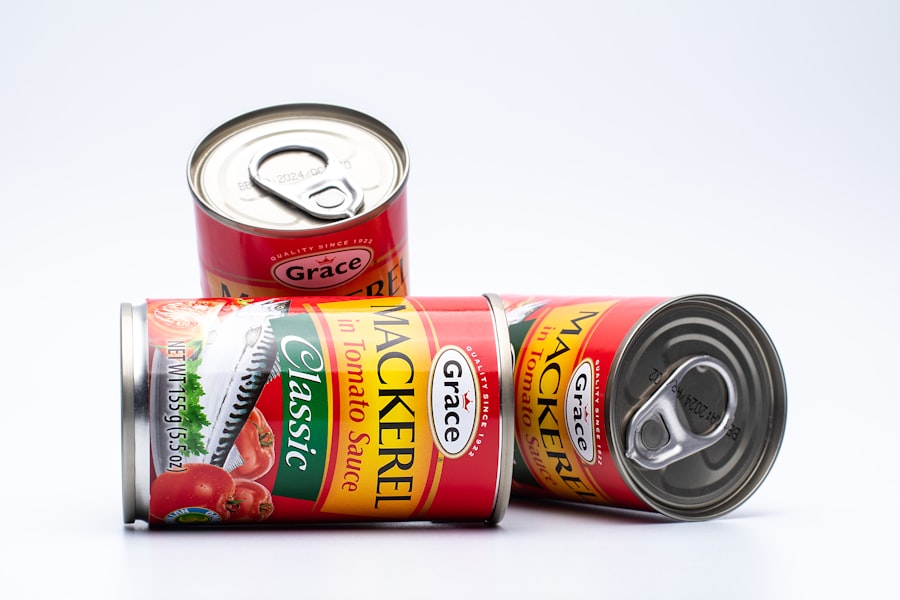
Trans fats, often created through a process called hydrogenation, were once hailed as a way to improve the texture and shelf life of processed foods, including many snacks. However, their detrimental impact on cardiovascular health has led to widespread efforts to eliminate them.
The Process and its Products
Industrial trans fats are formed when liquid vegetable oils are hydrogenated, a process that adds hydrogen atoms and solidifies the oil. This results in fats that are more stable and less prone to spoilage, making them desirable for snack manufacturers aiming for a specific mouthfeel and extended shelf life.
- Partially Hydrogenated Oils (PHOs): These were the primary source of artificial trans fats in the food supply. They were found in a vast array of snacks, from cookies and crackers to pastries and fried foods, contributing to crispiness and flakiness.
The Cardiovascular Calamity
The scientific consensus on trans fats is unambiguous: they are harmful to human health.
- Negative Impact on Cholesterol Levels: Trans fats raise levels of low-density lipoprotein (LDL) cholesterol, often referred to as “bad” cholesterol, while simultaneously lowering high-density lipoprotein (LDL) cholesterol, the “good” cholesterol. This dual action creates an unfavorable cholesterol profile that significantly increases the risk of heart disease.
- Increased Risk of Heart Disease and Stroke: Numerous studies have linked the consumption of trans fats to an increased risk of coronary heart disease, heart attacks, and strokes. The mechanism involves not only cholesterol manipulation but also inflammation and damage to blood vessel linings.
Regulatory Action and Residual Concerns
Recognizing the grave health risks associated with trans fats, regulatory bodies in the United States have taken significant action. In 2015, the FDA determined that partially hydrogenated oils (PHOs) were no longer Generally Recognized As Safe (GRAS) for use in food. This ruling effectively phased out most artificial trans fats from the American food supply.
Despite this significant progress, residual concerns remain:
- Trace Amounts: While PHOs have been largely removed, very small amounts of trans fats may still be present in some foods due to naturally occurring trans fats in animal products or processing methodologies.
- Natural Trans Fats: Trans fats occur naturally in small amounts in dairy products and meat from ruminant animals. While present in lower concentrations, their long-term impact in a diet high in processed foods is an area for continued monitoring.
High Fructose Corn Syrup: A Sweetener with a Bitter Aftertaste
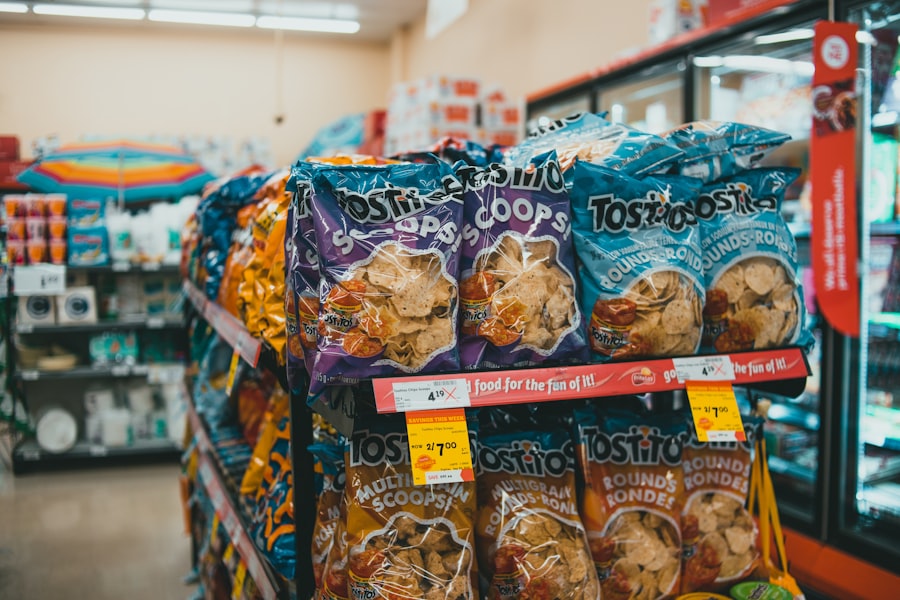
High fructose corn syrup (HFCS) became a dominant sweetener in American processed foods, including many snacks, due to its low cost and functional properties. However, its widespread use has been linked to a range of metabolic health issues.
The Rise of the Sweetener
HFCS is produced from corn starch through an enzymatic process that converts some of its glucose into fructose. It exists in various forms, with HFCS-42 and HFCS-55 being common in beverages and processed foods, respectively.
- Ubiquitous Presence: HFCS is found in a vast array of snack products, including cookies, cakes, cereals, granola bars, and even some savory snacks like ketchup-based dips. Its versatility and cost-effectiveness made it an attractive ingredient for manufacturers.
Metabolic Pathways and Health Outcomes
The concern surrounding HFCS largely stems from the distinct metabolic pathways of fructose compared to glucose.
- Fructose Metabolism in the Liver: Unlike glucose, which can be metabolized by most cells in the body, fructose is primarily processed by the liver. When consumed in large quantities, as is often the case with HFCS, the liver can convert excess fructose into fat. This can contribute to fat accumulation in the liver (non-alcoholic fatty liver disease), increased triglycerides, and altered blood lipid profiles.
- Insulin Resistance and Type 2 Diabetes: The metabolic consequences of excessive fructose intake, including increased fat deposition and impaired insulin signaling, are thought to contribute to insulin resistance, a precursor to type 2 diabetes.
- Weight Gain and Obesity: The ubiquity of HFCS in calorie-dense processed snacks, combined with its metabolic effects, is considered a significant contributor to the obesity epidemic. The palatable sweetness encourages overconsumption, and the efficient conversion to fat further exacerbates weight gain.
- Impact on Gut Microbiota: Emerging research suggests that high fructose intake may also negatively impact the composition and function of the gut microbiome, which plays a crucial role in overall health and metabolism.
The Sugar Debate: HFCS vs. Sucrose
The debate over HFCS often extends to a comparison with sucrose (table sugar). While both contain fructose and glucose, the way they are bonded can influence their metabolic impact. Some research suggests that the free form of fructose in HFCS may be more readily metabolized by the liver, leading to greater adverse effects compared to the bound fructose in sucrose. However, the overall contribution of added sugars, regardless of source, to poor health outcomes remains a primary concern.
Many consumers are becoming increasingly aware of the potential dangers posed by toxic food additives found in American snacks. For those interested in exploring this topic further, a related article discusses the hidden risks associated with these additives and their impact on health. You can read more about it in the article here. This growing awareness is prompting individuals to scrutinize ingredient labels more closely and seek healthier alternatives.
Additives of Concern: A Broad Spectrum of Ingredients
| Additive | Common Snacks Containing It | Potential Health Risks | Regulatory Status | Average Daily Intake (mg) |
|---|---|---|---|---|
| Monosodium Glutamate (MSG) | Chips, flavored nuts, snack mixes | Headaches, nausea, allergic reactions | Generally Recognized as Safe (GRAS) by FDA | 0.3 – 1.0 |
| Artificial Food Dyes (e.g., Red 40, Yellow 5) | Colored candies, fruit snacks, cereals | Hyperactivity in children, allergic reactions | Approved with limits by FDA | 2 – 5 |
| Butylated Hydroxyanisole (BHA) | Potato chips, crackers, cereals | Possible carcinogen, endocrine disruption | Permitted in limited quantities by FDA | 0.02 – 0.1 |
| Butylated Hydroxytoluene (BHT) | Snack bars, cereals, chewing gum | Potential liver and kidney damage | Permitted in limited quantities by FDA | 0.02 – 0.1 |
| Propyl Paraben | Snack coatings, baked goods | Endocrine disruption, reproductive toxicity | Allowed in small amounts by FDA | 0.01 – 0.05 |
| High Fructose Corn Syrup (HFCS) | Sodas, candy, sweetened snacks | Obesity, diabetes, metabolic syndrome | Generally Recognized as Safe (GRAS) by FDA | 20 – 50 |
Beyond the categories already discussed, a multitude of other additives are present in American snacks, each with its own set of scientific considerations and consumer concerns.
Flavor Enhancers and Their Impact
Flavor enhancers are designed to amplify the existing tastes in snack foods, creating a more desirable and often addictive eating experience.
- Monosodium Glutamate (MSG): MSG is a sodium salt of glutamic acid, an amino acid. It is used to impart a savory or umami flavor to foods. While the FDA classifies MSG as Generally Recognized As Safe (GRAS), some individuals report experiencing adverse reactions, often referred to as “MSG symptom complex,” including headaches, flushing, and sweating. The scientific community continues to investigate the biological basis of these reactions.
- Artificial Flavors: These are complex chemical mixtures created in laboratories to mimic natural flavors. Their secretive formulations, often proprietary, can make it difficult for consumers and researchers to fully understand their composition and potential health implications. The sheer number of different artificial flavors and the potential for synergistic effects are areas of ongoing interest.
Emulsifiers and Stabilizers: The Texture Architects
Emulsifiers and stabilizers play a crucial role in maintaining the texture and consistency of many snacks.
- Lecithin: A common emulsifier derived from soybeans or eggs, lecithin helps to blend oil and water-based ingredients. While generally considered safe, concerns can arise if the soybeans are genetically modified or if individuals have specific allergies.
- Carrageenan: This polysaccharide extracted from red seaweed is used as a thickener and stabilizer in many dairy-based snacks, yogurts, and some baked goods. Some animal studies have suggested potential inflammatory effects and links to digestive issues, though human relevance remains debated and is subject to ongoing research.
Artificial Sweeteners: A Deeper Dive
Given their widespread use in “healthier” snack options, artificial sweeteners warrant a more in-depth look.
- Aspartame: Composed of aspartic acid and phenylalanine, aspartame is a low-calorie sweetener. Concerns have been raised regarding potential links to neurological issues, cancer, and metabolic disorders, though major regulatory bodies have consistently affirmed its safety based on extensive review of scientific data. The difficulty lies in the vastness of studies and the varying methodologies employed.
- Sucralose: A chlorinated derivative of sucrose, sucralose is heat-stable and used in a wide range of snacks. While generally considered safe, some studies have explored its potential impact on gut bacteria and its breakdown products under high heat conditions.
- Saccharin: One of the oldest artificial sweeteners, saccharin was once linked to bladder cancer in rat studies, leading to warning labels. However, subsequent research in humans did not find a similar link, and warning labels were removed. Nevertheless, ongoing research into its broader metabolic and microbiome effects continues.
The Challenge of Cumulative Exposure
A significant challenge in assessing the safety of snack additives lies not in the isolated effects of individual ingredients but in the cumulative exposure. Consumers often ingest a cocktail of various artificial colors, preservatives, flavorings, and sweeteners within a single snack, and across multiple snacks throughout the day. The potential for synergistic interactions between these additives, or their combined burden on the body’s detoxification systems, is a complex area that requires further scientific investigation.
The landscape of ingredients in American snacks is a testament to both innovation in food science and the ongoing quest for greater consumer understanding and well-being. While many additives serve functional purposes and are deemed safe by regulatory bodies, a critical examination of the scientific evidence and potential long-term effects is essential for making informed dietary choices. The presence of these “invisible hands” in our food underscores the importance of vigilance and continued dialogue between consumers, manufacturers, and scientific researchers.
▶️ Your Pantry Is A Lie: 33 Secrets Big Food Is Hiding From You
FAQs
What are toxic food additives commonly found in American snacks?
Toxic food additives in American snacks often include artificial colors, preservatives like BHA and BHT, high levels of sodium, and certain flavor enhancers such as monosodium glutamate (MSG). Some additives have been linked to health concerns when consumed in large amounts.
Are all food additives in American snacks harmful?
No, not all food additives are harmful. Many additives are approved by regulatory agencies like the FDA and are considered safe in regulated amounts. However, some additives may pose health risks if consumed excessively or by sensitive individuals.
How can consumers identify toxic additives in snack products?
Consumers can identify potentially toxic additives by reading ingredient labels carefully. Look for artificial colors (e.g., Red 40, Yellow 5), preservatives like BHA/BHT, and excessive amounts of sodium or sugar. Researching unfamiliar additives can also help determine their safety.
What health risks are associated with consuming toxic food additives?
Health risks linked to toxic food additives may include allergic reactions, hyperactivity in children, digestive issues, and in some cases, increased risk of cancer or other chronic diseases. The severity depends on the type and amount of additive consumed.
How can people reduce exposure to toxic food additives in snacks?
To reduce exposure, consumers can choose snacks made with natural ingredients, avoid products with artificial colors and preservatives, prepare homemade snacks, and opt for organic or minimally processed options. Reading labels and staying informed about additives is also important.