
A cloud of controversy has settled over the global manufacturing landscape, with serious allegations of financial impropriety now casting a long shadow over Toshiba Machine, a prominent subsidiary of the broader Toshiba Corporation. Recent investigative reports and internal inquiries have brought to light a complex web of alleged accounting irregularities and potentially fraudulent activities within certain overseas operations, prompting a swift and significant response from the parent company. This developing situation, which has the potential to ripple through international supply chains and investor confidence, is currently unfolding with significant implications for corporate governance and transparency in the industrial sector. The full extent of the damage and the precise nature of the transgressions are still being meticulously uncovered, but the initial revelations paint a picture of a significant challenge for Toshiba Machine and, by extension, the Toshiba brand.
The genesis of this scandal can be traced to a series of internal audits and, reportedly, whistle-blower complaints that illuminated a concerning departure from standard financial reporting practices within specific Toshiba Machine subsidiaries. These initial red flags, like a faint but persistent alarm on a complex control panel, signaled that something was amiss, prompting a more intensive investigation. The allegations primarily revolve around the misrepresentation of financial data, with suspicions of inflated revenues and concealed losses.
The Nature of the Suspected Fraud
Investigators are meticulously examining transactions and accounting entries that appear to deviate from accepted accounting principles. The focus, sources suggest, is on how financial performance was reported, particularly in profit and loss statements and balance sheets. The core of the allegations points towards a deliberate manipulation of figures to present a healthier financial picture than reality warranted.
Revenue Inflation Schemes
One of the key areas under scrutiny is the alleged inflation of revenue. This could manifest in various ways, from fictitious sales to premature recognition of revenue before goods or services were fully delivered or rendered. The goal, it is believed, was to artificially boost the perceived financial health of these overseas entities.
Early Revenue Recognition Practices
Reports indicate that in some instances, revenue may have been recognized before all contractual obligations were met, thereby bringing future earnings into the present. This practice, if confirmed, would be a direct violation of accounting standards designed to ensure that revenue is recognized when earned and realized.
Recording of Fictitious Sales
More disturbingly, there are allegations of the recording of sales that never actually occurred. These phantom transactions would have served to create a false impression of market demand and sales success, a tactic that, if proven, represents a severe breach of trust and a potentially criminal act.
Concealment of Losses and Expenses
Complementing the revenue inflation is the alleged concealment of financial shortfalls. This could involve deferring the recognition of legitimate expenses or classifying them in a manner that obscures their true impact on profitability.
Expense Deferral Tactics
Instead of recording expenses when they were incurred, there is suspicion that some costs were improperly deferred to future reporting periods. This tactic would artificially depress current expenses, leading to an overstatement of current profits.
Misclassification of Financial Obligations
Another avenue of investigation involves the potential misclassification of financial obligations. This could involve portraying debts as something other than what they were, or failing to report liabilities altogether, thereby presenting a more favorable balance sheet.
The Role of Overseas Subsidiaries
The scandal appears to be concentrated within specific overseas subsidiaries of Toshiba Machine. This geographical focus suggests that the alleged misconduct may have been localized, though the implications of such actions can easily transcend borders.
Geographic Concentration of Irregularities
Initial reports point to operations in particular regions as being the nexus of the alleged financial wrongdoings. The specific locations are being carefully identified as part of the ongoing investigation.
Management Accountability in Foreign Operations
This highlights the persistent challenge of ensuring robust oversight and accountability for management teams operating in distant international markets. The geographical distance can sometimes create a diffusion of responsibility.
Influence of Local Market Conditions
It is also possible that local market conditions and pressures played a role in the alleged behavior, though this does not absolve individuals of their duty to adhere to ethical and legal financial reporting standards.
The Toshiba Machine subsidiary scandal has raised significant concerns regarding corporate governance and ethical practices within large corporations. For a deeper understanding of the implications and the unfolding events surrounding this issue, you can read a related article that explores the broader context of corporate accountability and the challenges faced by multinational companies. For more information, visit this article.
Parent Company’s Response: Swift Action and Internal Investigations
Upon becoming aware of the seriousness of the allegations, Toshiba Corporation has initiated a swift and comprehensive response. The parent company has moved to distance itself from the alleged misconduct while simultaneously launching an in-depth investigation to ascertain the full scope of the problem and identify those responsible.
The Establishment of Fact-Finding Committees
Toshiba Corporation has publicly committed to uncovering the truth and has established dedicated fact-finding committees to lead the investigation. These committees are tasked with gathering evidence, interviewing relevant personnel, and providing an objective assessment of the situation.
Internal Audit Procedures Triggered
The alleged irregularities were likely brought to light through the company’s internal audit procedures, which act as an internal immune system, tasked with detecting anomalies. This suggests that, while the breach occurred, the company’s internal controls ultimately flagged the issue.
Independent External Auditing Involvement
In addition to internal efforts, external auditing firms are often brought in to provide an independent perspective and ensure the integrity of the investigation. This adds an extra layer of scrutiny to the process.
Communications with Regulatory Bodies
Toshiba Machine and Toshiba Corporation have also been engaged in communication with relevant regulatory bodies in the jurisdictions where the alleged misconduct occurred. This proactive approach signals a commitment to transparency and cooperation with legal and financial authorities.
Public Statements and Investor Relations
The parent company has issued public statements to address the concerns of investors, employees, and the wider public. The tone of these communications aims to convey seriousness and a commitment to resolving the issue, while avoiding premature declarations of guilt or innocence.
Rebuilding Investor Confidence
A primary objective of these communications is to begin the process of rebuilding investor confidence, which can be severely shaken by financial scandals. Clarity and decisive action are key to this endeavor.
Transparency in Reporting the Investigation’s Progress
The company has pledged to provide updates on the investigation’s progress, a crucial element in managing stakeholder expectations and demonstrating accountability.
Potential Consequences and Ramifications
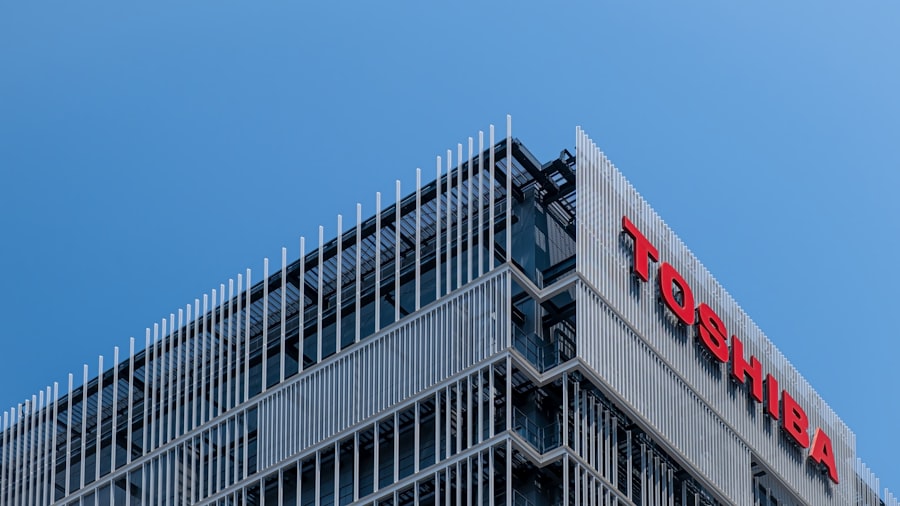
The fallout from this scandal is likely to be multifaceted, impacting not only Toshiba Machine and Toshiba Corporation but also its stakeholders, including customers, suppliers, and the broader financial markets. The repercussions can be compared to a seismic event that causes instability far beyond its immediate epicenter.
Financial Impact and Market Reactions
The immediate financial impact is often felt in the stock market, with share prices potentially declining as investors react to the news and the uncertainty surrounding the extent of the damage.
Share Price Volatility
Investors will be closely watching for news regarding the financial implications, leading to potential volatility in Toshiba Corporation’s stock.
Impact on Earnings and Future Outlook
The uncovered financial irregularities could lead to significant write-downs of assets, restatements of past earnings, and a re-evaluation of the company’s future financial outlook.
Legal and Regulatory Scrutiny
The allegations of financial impropriety will undoubtedly attract significant legal and regulatory scrutiny. Investigations by financial regulators in multiple jurisdictions are a strong possibility.
Potential Fines and Penalties
If fraud is proven, Toshiba Machine and its responsible individuals could face substantial fines and penalties imposed by regulatory bodies.
Lawsuits from Shareholders and Other Parties
Shareholders who have suffered losses may pursue legal action against the company, seeking compensation for damages.
Reputational Damage and Loss of Trust
Perhaps the most insidious consequence of such a scandal is the damage to reputation and the erosion of trust. For a company that relies on its credibility in the global marketplace, this can be a long and arduous recovery process.
Impact on Customer Relationships
Customers may reconsider their business relationships with Toshiba Machine if they perceive a lack of integrity or reliability.
Employee Morale and Recruitment Challenges
The scandal can also impact employee morale and make it more challenging to attract and retain top talent, as potential employees may be hesitant to join a company embroiled in controversy.
The Broader Implications for Corporate Governance
This scandal serves as a stark reminder of the critical importance of robust corporate governance and unwavering ethical conduct. The case highlights vulnerabilities that can exist within even large and established organizations.
The Dangers of Weak Internal Controls
The alleged financial irregularities underscore the dangers of weak or circumvented internal controls. These controls are the bedrock of financial integrity and accountability within any organization.
The “Tone at the Top” Principle
Moreover, the scandal raises questions about the “tone at the top” – the ethical leadership and commitment to integrity emanating from senior management, which sets the standard for the entire organization.
Importance of an Independent Audit Committee
An active and independent audit committee plays a crucial role in overseeing financial reporting and internal controls. Its effectiveness can be a critical safeguard against misconduct.
The Need for Enhanced Transparency and Accountability
In the wake of such revelations, there is an increased call for greater transparency and accountability throughout the corporate world. This involves not only financial reporting but also the communication of risks and challenges.
Whistle-blower Protection Mechanisms
The role of whistle-blowers in exposing wrongdoing is often invaluable. Ensuring effective and secure mechanisms for reporting concerns without fear of reprisal is paramount.
Ethical Training and Culture Reinforcement
Investing in comprehensive ethical training programs and fostering a culture that prioritizes integrity over short-term gains are essential for preventing future issues.
The recent scandal involving Toshiba’s machine subsidiary has raised significant concerns about corporate governance and accountability within large corporations. This situation echoes similar issues faced by other companies in the industry, highlighting the need for stricter oversight and transparency. For a deeper understanding of the implications of such corporate scandals, you can read more in this insightful article on corporate governance challenges at In The War Room.
Moving Forward: Rebuilding and Remediation
| Metric | Details |
|---|---|
| Company Involved | Toshiba Machine Co., Ltd. |
| Type of Scandal | Accounting Fraud |
| Year Discovered | 2015 |
| Duration of Fraud | Approximately 7 years (2008-2015) |
| Amount Overstated | Over 1 billion yen |
| Impact on Toshiba Machine | Loss of investor trust, management shakeup |
| Consequences | Resignations of executives, legal investigations |
| Industry | Manufacturing / Industrial Machinery |
The path forward for Toshiba Machine and Toshiba Corporation will undoubtedly be challenging, requiring a concerted effort to address the root causes of the scandal, implement corrective measures, and rebuild trust with all stakeholders.
Remedial Actions and Disciplinary Measures
As the investigation progresses, specific remedial actions will be implemented. This will likely include disciplinary measures for individuals found to have engaged in misconduct, as well as broader systemic reforms.
Restructuring of Overseas Operations
In some cases, a restructuring of the affected overseas operations may be necessary to strengthen oversight and prevent recurrence.
Strengthening Financial Reporting Systems
Investing in and upgrading financial reporting systems to ensure greater accuracy and real-time visibility will be a crucial step.
Long-Term Strategy and Commitment to Integrity
Beyond immediate remediation, Toshiba Corporation must demonstrate a long-term commitment to integrity and ethical business practices. This will involve embedding these principles into the very fabric of the company’s operations.
Rebuilding Stakeholder Trust
The ultimate success will be measured by the company’s ability to rebuild trust with investors, customers, employees, and the public. Transparency, consistent ethical behavior, and demonstrable improvements will be key.
A Renewed Focus on Compliance and Ethics
This scandal, while damaging, can serve as a catalyst for positive change, leading to a renewed and unwavering focus on compliance and ethical conduct throughout the entire Toshiba empire. The lessons learned, though painful, can pave the way for a more resilient and trustworthy future.

WATCH NOW ▶️ WARNING: The $17M Deal That Blinded The US Navy
FAQs
What was the Toshiba machine subsidiary scandal about?
The Toshiba machine subsidiary scandal involved financial misconduct and accounting irregularities at one of Toshiba’s subsidiary companies. It centered around the manipulation of financial statements to inflate profits and hide losses.
When did the Toshiba machine subsidiary scandal come to light?
The scandal was publicly revealed in 2015, following internal investigations and whistleblower reports that uncovered the extent of the accounting fraud within the subsidiary.
Which Toshiba subsidiary was involved in the scandal?
The scandal involved Toshiba Machine Co., Ltd., a subsidiary specializing in manufacturing industrial machinery and equipment.
What were the consequences of the Toshiba machine subsidiary scandal?
The scandal led to significant financial restatements, loss of investor trust, legal investigations, and management changes within Toshiba and its subsidiary. It also prompted regulatory scrutiny and reforms in corporate governance.
How did Toshiba respond to the subsidiary scandal?
Toshiba conducted internal audits, cooperated with regulatory authorities, implemented stricter compliance measures, and restructured its management to prevent future misconduct. The company also worked to improve transparency and restore its reputation.