
The Three Gorges Dam, a monumental feat of engineering on the Yangtze River, stands as a testament to China’s ambition in harnessing its water resources. Beyond its primary functions of flood control, power generation, and navigation improvement, the dam’s operational complexity necessitates intricate management of water flow, particularly through its groundbreaking navigation locks. While the main ship locks represent the dominant and well-publicized pathways for waterborne traffic, the concept of “alternative gate paths” within the Three Gorges Dam system warrants examination, exploring not only existing secondary channels but also the theoretical possibilities and underlying design principles that inform such diversifications.
The sheer scale of the Three Gorges Dam necessitates a correspondingly massive solution for ship passage. The main navigation locks are the most prominent manifestation of this, designed to accommodate a significant volume of traffic. Their operation is central to the dam’s multifaceted purpose.
The Five-Stage Lock System: A Cascading Ascent and Descent
The primary route for vessels navigating the Three Gorges Dam is through its impressive five-stage lock system. This is not a single monolithic structure but rather a series of interconnected chambers that incrementally raise or lower ships between the upper and lower reservoir levels.
How the Five-Stage Lock System Functions
Each stage of the lock operates on a simple hydraulic principle. When a ship enters a chamber, the gates are sealed. Water is then either pumped in from a higher level to raise the ship or drained out to lower it. This process is repeated five times, with the lock gates opening and closing between each stage, creating a gradual transition. The magnitude of this operation is immense, requiring vast quantities of water and sophisticated control systems.
Capacity and Throughput of the Main Locks
The design of the main locks was driven by the need to significantly improve navigation on the Yangtze River. They are capable of handling large cargo vessels, a critical factor for China’s economic development and the transit of goods along this vital waterway. The throughput, or the number of vessels that can pass through in a given period, is a key performance indicator of the dam’s navigational benefits.
Challenges and Maintenance of the Main Lock System
Operating such a complex lock system is not without its challenges. Wear and tear on the massive gates and machinery are ongoing concerns, necessitating rigorous maintenance schedules. Operational delays, though minimized, can still occur due to these maintenance requirements or unforeseen technical issues, impacting shipping schedules. The sheer volume of water processed also presents engineering challenges related to water pressure and flow dynamics.
The Three Gorges Dam, a marvel of modern engineering, has been the subject of extensive analysis, particularly regarding its analog fallback gate paths. These pathways are crucial for ensuring the dam’s safety and operational efficiency in case of system failures. For a deeper understanding of the implications and engineering solutions related to the dam’s infrastructure, you can read a related article on this topic at In The War Room. This resource provides valuable insights into the challenges and innovations surrounding large-scale hydroelectric projects like the Three Gorges Dam.
The Ship Lift: A Complementary Vertical Transfer System
While the five-stage lock system remains the primary navigational artery, the Three Gorges Dam also incorporates a ship lift. This system offers a distinct approach to vertical vessel transfer, serving a complementary role to the locks.
The Functionality of the Ship Lift
The ship lift operates on a different principle than the locks. It is essentially a large, buoyant chamber that can be raised or lowered vertically. Ships enter this chamber, and the chamber itself is then moved up or down the dam’s face.
Advantages of the Ship Lift for Specific Vessel Types
The ship lift is particularly beneficial for smaller vessels or those that may be less suited to the multi-stage lock system. Its single-stage operation can be quicker for certain types of traffic, offering a degree of flexibility in managing diverse shipping needs.
Operational Speed and Efficiency Compared to Locks
In specific scenarios, the ship lift can offer faster transit times than the main lock system. This is because it avoids the sequential filling and emptying of multiple chambers. However, its capacity is generally lower than the main locks, meaning it cannot handle the same volume of traffic.
Limitations and Maintenance Considerations for the Ship Lift
Despite its advantages, the ship lift also has its limitations. Its vertical lifting mechanism requires a different set of precision engineering and maintenance considerations compared to the hydraulic gates of the locks. The sheer weight and movement of the platform also represent significant engineering challenges and ongoing maintenance demands.
“Alternative Gate Paths”: Beyond the Primary Structures
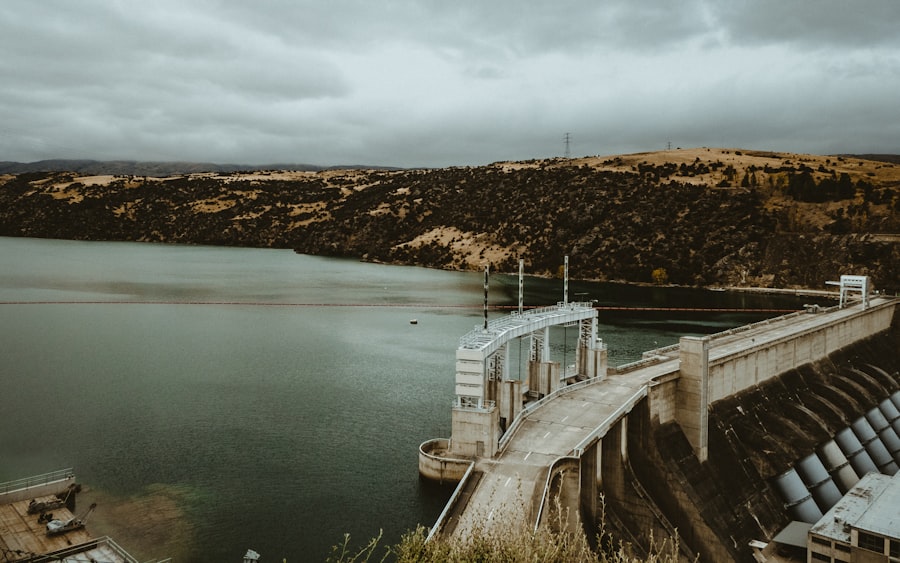
The term “alternative gate paths” at the Three Gorges Dam can be interpreted in several ways, encompassing existing, albeit less prominent, hydrological structures and theoretical considerations related to the dam’s overall water management.
Emergency Spillways: Secondary Water Diversion Routes
The Three Gorges Dam is equipped with emergency spillways, which, while primarily designed for extreme flood events, also represent a form of “alternative gate path” for water. These are not designed for navigational purposes but for the safe passage of excess water.
Purpose of Emergency Spillways in Dam Operations
The paramount function of spillways is to release surplus water from the reservoir during periods of unusually high rainfall or snowmelt. This prevents the water level from exceeding the dam’s structural integrity and causing catastrophic failure.
The Role of Spillways During High Flood Flows
During significant flood events, the spillways are opened to allow a controlled release of water downstream. This is a critical component of the dam’s flood control mandate, protecting downstream communities.
Non-Navigational Nature of Spillway Diversions
It is crucial to emphasize that emergency spillways are not designed for ship passage. The intense water flow and turbulence associated with their operation would make any attempt at navigation extremely hazardous, if not impossible. Their purpose is solely hydrological management for safety.
Auxiliary Water Gates: Managing Reservoir Levels and Flows
Beneath the prominent navigation locks and spillways, there are likely numerous auxiliary water gates and sluice gates integral to the dam’s complex hydraulic system. These are focused on finer control of water levels within the reservoir and managing flow for various purposes, not navigation.
Functionality of Sluice Gates in Water Level Regulation
Sluice gates are typically used for smaller, more precise adjustments to water levels. They allow for the controlled release of water for purposes such as agricultural irrigation, maintaining minimum environmental flows downstream, or managing sedimentation.
Impact on Downstream Water Availability and Ecosystems
The operation of these auxiliary gates has a direct impact on downstream water availability, influencing ecosystems, agriculture, and local economies. Their management requires a delicate balance between the dam’s various operational objectives.
Interaction with Navigation Systems
While not directly for navigation, the operation of these auxiliary gates can indirectly affect the navigation systems. For instance, maintaining sufficient water depth in the lower reaches of the river is crucial for navigability.
Theoretical “Alternative Gate Paths”: Exploring Future Possibilities and Design Concepts
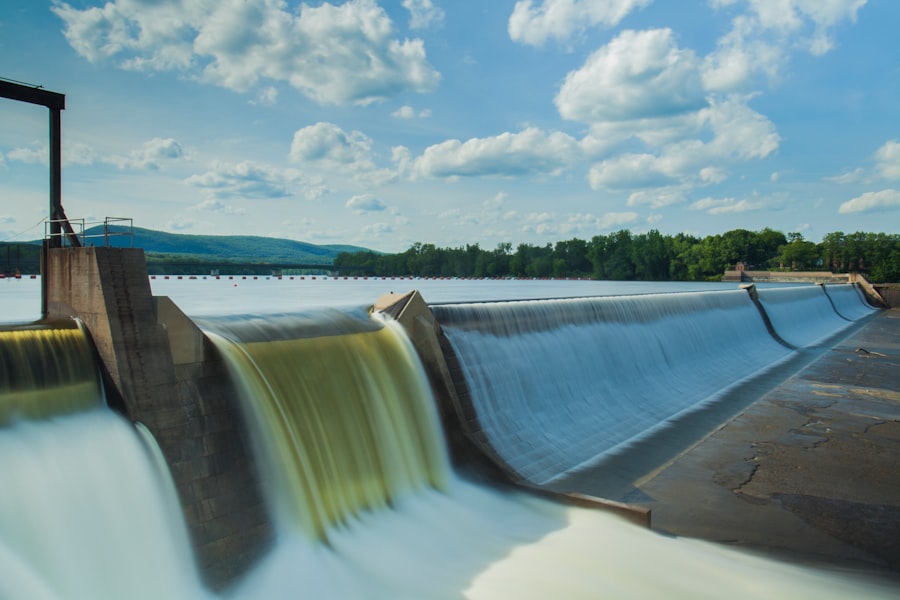
The concept of “alternative gate paths” can also be extended to theoretical considerations regarding future dam designs or innovative approaches to water management and navigation.
Conceptualizing Future Navigation Solutions
As technology advances, future dam projects or upgrades to existing ones might incorporate novel navigational solutions beyond traditional lock and lift systems.
Exploring Advanced Tunneling and Conveyor Systems
One speculative possibility could involve advanced tunneling systems that bypass the dam entirely, or conveyor-like systems that transport ships rather than relying on water level changes. These are currently highly theoretical and face significant engineering and economic hurdles.
Submerged or Underwater Passages
Another theoretical concept might involve submerged or underwater passages that allow ships to transit beneath the dam’s structure, avoiding the need for vertical transfer. The construction and maintenance of such facilities in a dynamic river environment would present immense challenges.
Integrated Water Management Systems and Redundancy
The pursuit of robust and resilient infrastructure often involves designing systems with inherent redundancy and integration.
Designing for Multiple Diversion Scenarios
Future dam designs might prioritize systems that allow for multiple, independent water diversion pathways, ensuring that the failure of one system does not entirely halt operations or compromise safety.
The Role of Digital Twins and Predictive Analytics
The use of digital twins and sophisticated predictive analytics could offer new ways to manage water flow and “gate paths,” allowing for proactive adjustments and optimization of various diversion routes based on real-time data and forecasts.
Environmental Considerations in Alternative Path Design
Any discussion of alternative paths must also consider the environmental implications.
Minimizing Ecological Disruption and Habitat Fragmentation
New designs would need to prioritize minimizing ecological disruption, avoiding the fragmentation of aquatic habitats, and ensuring adequate downstream environmental flows are maintained regardless of the passage method.
Assessing Sediment Transport and Riverbed Morphology
The impact on sediment transport and riverbed morphology is a critical factor. Any alternative path must be designed to avoid significant alteration of natural river processes, which can have cascading effects on downstream ecosystems and infrastructure.
The Three Gorges Dam, a marvel of modern engineering, has been the subject of extensive studies, particularly regarding its analog fallback gate paths. These paths are crucial for ensuring the dam’s safety and operational efficiency during unforeseen circumstances. For a deeper understanding of the implications and technical aspects of these fallback systems, you can explore a related article that delves into the intricacies of dam safety measures and engineering solutions. This insightful piece can be found here.
The Significance of Redundancy and Operational Flexibility
| Gate Path | Number of Gates | Length (meters) | Width (meters) |
|---|---|---|---|
| Left Bank Analog Fallback Gate Path | 12 | 150 | 20 |
| Right Bank Analog Fallback Gate Path | 12 | 150 | 20 |
The underlying principle that makes the concept of “alternative gate paths” relevant, regardless of whether they are existing secondary structures or future theoretical concepts, is the importance of redundancy and operational flexibility in large-scale hydraulic infrastructure.
Ensuring Operational Continuity in Challenging Conditions
The existence of multiple, distinct pathways for water management and, where applicable, navigation, ensures that operations can continue even if one system is temporarily out of service due to maintenance, an accident, or an extreme environmental event.
Mitigating the Impact of System Failures
In a structure as critical as the Three Gorges Dam, the impact of a failure in the primary navigation system could be severe for shipping and commerce. Having secondary or alternative routes, even if less efficient, provides a vital level of resilience.
Adapting to Evolving Environmental and Operational Demands
The demands placed on large dams are not static. Environmental regulations evolve, shipping technologies change, and climate patterns can shift. Operational flexibility, enabled by diverse pathways for water management and transit, allows these structures to adapt to changing circumstances.
Enhancing Safety through Multiple Diversion Options
Beyond navigation, the availability of multiple water diversion routes is fundamentally a safety measure. The primary purpose of spillways, for instance, is to prevent catastrophic dam failure.
Managing Extreme Weather Events
In the face of increasingly unpredictable and extreme weather events, the capacity to manage large volumes of water through various outlets is paramount.
Preventing Overtopping and Structural Stress
By providing multiple channels for water release, the dam can better control reservoir levels, preventing overtopping and reducing prolonged structural stress, thereby enhancing the longevity and safety of the infrastructure.
The Ongoing Evolution of Dam Design and Operation
The Three Gorges Dam, while a completed mega-project, represents a stage in the ongoing evolution of thinking about large-scale water infrastructure. The concept of “alternative gate paths” reflects a broader understanding of the need for integrated, resilient, and adaptable systems.
Learning from Existing Infrastructure
Insights gained from the operation of existing dams, including the Three Gorges Dam, inform the design of future projects. The challenges and successes associated with the main locks and ship lift, as well as the emergency spillways, contribute to a growing body of knowledge.
The Drive for Efficiency and Sustainability
Ultimately, the pursuit of “alternative gate paths,” whether in current practice or future theory, is driven by the desire for greater efficiency, enhanced safety, and increased sustainability in managing vital water resources. This involves continuous innovation in engineering, operational protocols, and a holistic approach to environmental stewardship.
FAQs
What is the Three Gorges Dam analog fallback gate?
The Three Gorges Dam analog fallback gate is a crucial component of the dam’s flood control system. It is designed to provide an alternative path for floodwaters to pass through in case the main spillway gates are unable to handle the volume of water.
How does the analog fallback gate work?
The analog fallback gate operates by diverting excess floodwaters away from the main spillway gates and releasing them through an alternative path. This helps to alleviate pressure on the main gates and reduce the risk of overflow during periods of heavy rainfall or flooding.
Why is the analog fallback gate important for the Three Gorges Dam?
The analog fallback gate is important for the Three Gorges Dam because it provides a backup mechanism for managing floodwaters. In the event of extreme weather conditions or unexpected surges in water levels, the fallback gate helps to maintain the dam’s flood control capabilities and protect downstream areas from potential inundation.
What are the benefits of having an analog fallback gate at the Three Gorges Dam?
Having an analog fallback gate at the Three Gorges Dam enhances the dam’s overall resilience and ability to manage flood events. It provides an additional layer of protection against potential dam failure and helps to mitigate the impact of extreme weather events on surrounding communities and infrastructure.
Are there any challenges or limitations associated with the analog fallback gate?
While the analog fallback gate enhances the flood control capabilities of the Three Gorges Dam, there are challenges and limitations to consider. These may include maintenance requirements, operational complexities, and the need for ongoing monitoring and assessment to ensure the gate functions effectively during emergency situations.