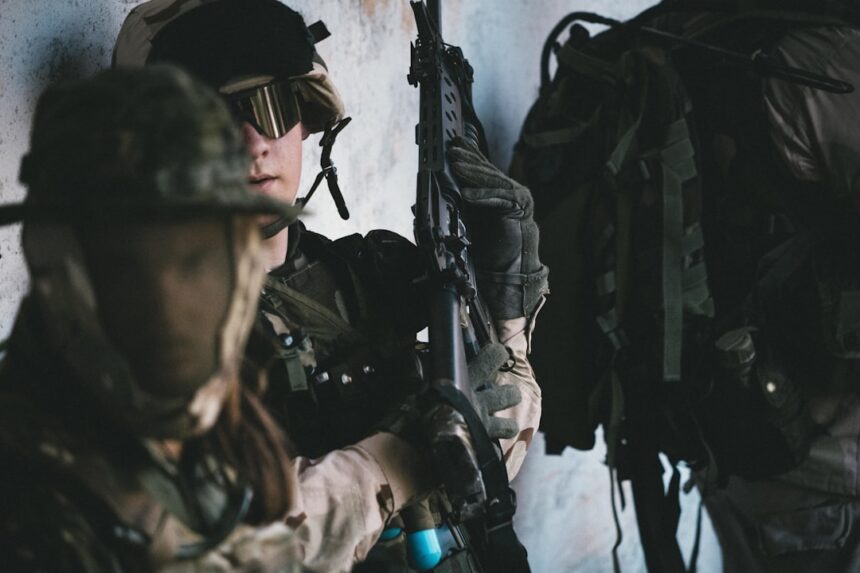
The WAR Room: Military Analysis Documentary
An examination of a documentary series that delves into the intricacies of military strategy, historical conflicts, and contemporary geopolitical tensions.
The Documentary Framework
“The WAR Room: Military Analysis Documentary” (henceforth referred to as “The WAR Room”) is a multifaceted documentary series that aims to dissect the complexities of warfare and military operations. It adopts a structured approach, often presenting specific conflicts or strategic concepts as case studies. The series primarily employs a blend of archival footage, expert interviews, and detailed animated maps to convey its information. The intent is not to glorify conflict, but rather to foster a deeper understanding of the decisions, technologies, and human factors that shape military outcomes. Each episode functions as a distinct analytical unit, dissecting particular aspects of military history or doctrine.
Defining “Military Analysis”
Within the context of “The WAR Room,” “military analysis” refers to the systematic examination of military power, capabilities, strategies, and doctrines. This involves understanding the historical evolution of warfare, the impact of technological advancements, the political and economic drivers of conflict, and the psychological dimensions of combat. The series attempts to move beyond a superficial recounting of battles, instead seeking to identify the underlying principles and recurring patterns that govern military endeavors. This analytical lens is crucial for understanding the series’ objective: to educate viewers on the strategic thinking that underpins military actions.
The Target Audience and Its Implications
The documentary series appears to be designed for an audience with a keen interest in military history, geopolitics, and international relations. It caters to individuals who seek detailed explanations rather than broad overviews. This suggests a target demographic that values in-depth research and expert opinion, and is willing to engage with complex strategic concepts. The factual and analytical approach employed by “The WAR Room” directly addresses this audience, providing the substance and rigor they are likely seeking.
For those interested in a deeper understanding of military strategies and the complexities of modern warfare, a related article can be found at The WAR Room military analysis documentary. This documentary provides insightful perspectives on various military operations and decision-making processes, making it a valuable resource for anyone looking to explore the intricacies of military tactics and their implications in today’s world.
Historical Case Studies: Learning from the Past
World Wars and Their Strategic Lessons
“The WAR Room” frequently revisits the World Wars, recognizing them as monumental crucibles of military innovation and strategic miscalculation. The series endeavors to extract enduring lessons from these global conflicts, applying them to contemporary strategic dilemmas.
The Eastern Front: A Crucible of Attrition
One notable area of focus within the World Wars episodes often concerns the Eastern Front of World War II. Here, the documentary series highlights the brutal realities of attrition warfare. It details the immense scale of operations, the unforgiving terrain, and the ideological fervor that fueled both sides. The series meticulously dissects key campaigns, such as Operation Barbarossa and the Battle of Stalingrad, not merely as sequences of events, but as strategic chess matches played out on an immense scale. Expert commentary typically emphasizes the logistical challenges, the effectiveness of combined arms tactics (or the lack thereof), and the human cost of this protracted struggle. Viewers are presented with analyses that go beyond simple casualty figures, delving into the strategic objectives, the flawed assumptions made by commanders, and the eventual turning points that dictated the war’s trajectory on this critical front. The series may also touch upon the psychological impact of prolonged, high-intensity combat on both soldiers and civilian populations.
The Pacific Theater: Island Hopping and Naval Supremacy
The Pacific Theater of World War II is another frequent subject. “The WAR Room” explores the unique challenges of amphibious warfare, the critical role of naval power, and the evolution of air superiority. The strategy of “island hopping” is often a central theme, with the documentary series illustrating how this approach allowed Allied forces to bypass heavily fortified Japanese strongholds while securing strategically vital islands. The naval battles, from Coral Sea to Midway, are analyzed in detail, with emphasis placed on the technological advancements in naval aviation and the daring tactical maneuvers employed. The series likely contrasts the different approaches to warfare prevalent in the opposing forces, examining the Japanese doctrine of decisive battle versus the American strategy of attrition and strategic positioning. The documentary’s visual aids, such as animated maps, would be particularly effective here in depicting fleet movements and the vast distances involved. The long-term implications of naval power projection and the establishment of forward operating bases are also likely discussed, connecting these historical events to modern maritime strategy.
The Cold War: A Game of Proxy and Deterrence
The Cold War era, characterized by its ideological struggle and the ever-present threat of nuclear annihilation, forms a significant portion of “The WAR Room’s” historical analysis.
Nuclear Deterrence: The Tightrope of Mutually Assured Destruction
The concept of Mutually Assured Destruction (MAD) is often dissected. The series explores the doctrine of nuclear deterrence, examining the strategic calculations that prevented direct military confrontation between the superpowers. This involves analyzing the development of nuclear arsenals, the doctrine of first and second-strike capabilities, and the intricate command and control systems designed to manage these devastating weapons. The documentary series may present historical simulations or expert discussions on the numerous near-misses and crises that brought the world to the brink of nuclear war. The psychological dimension of living under the constant threat of nuclear annihilation is also likely explored, along with the political maneuvering and espionage that defined this era. The series aims to illustrate how the specter of nuclear war, while terrifying, paradoxically maintained a fragile peace, forcing both sides to engage in a perpetual strategic standoff.
Proxy Wars: The Battlegrounds of Ideology
“The WAR Room” also delves into the numerous proxy wars that were fought during the Cold War. Conflicts like those in Korea, Vietnam, and Afghanistan are presented not as isolated regional disputes, but as extensions of the larger ideological struggle between communism and capitalism. The documentary series often analyzes the motivations of the involved superpowers, the tactics employed by the proxy forces, and the devastating impact on the nations caught in the middle. The effectiveness of different forms of intervention, from direct military support to covert operations, is typically examined. The series may also highlight the unintended consequences and the long-term legacies of these conflicts, demonstrating how the geopolitical landscape was reshaped by these seemingly localized engagements. The analysis often focuses on the complexities of asymmetric warfare and the challenges of combating insurgencies fueled by external support and ideological conviction.
Contemporary Geopolitical Tensions: Modern Arenas of Conflict
The Evolving Nature of Warfare in the 21st Century
“The WAR Room” shifts its focus to contemporary conflicts, analyzing how warfare has transformed in the wake of technological advancements and shifting global power dynamics.
The Rise of Asymmetric Warfare and Insurgency
The series dedicates considerable attention to the rise of asymmetric warfare and insurgency. It dissects the tactics employed by non-state actors and their ability to challenge conventional military forces. This includes an analysis of improvised explosive devices (IEDs), guerrilla tactics, and the strategic use of media and propaganda. The documentary series often examines specific insurgencies, such as those in Iraq and Afghanistan, to understand the complex interplay of political, social, and religious factors that fuel such movements. The challenges faced by conventional militaries in counterinsurgency operations are a recurring theme, highlighting the difficulties in distinguishing combatants from civilians and the importance of winning the “hearts and minds” of the local population. The analysis often contrasts the rigid hierarchies of traditional armies with the fluid and adaptable nature of insurgent networks.
Cyber Warfare and the Digital Battlefield
A significant area of exploration is the emergence of cyber warfare. “The WAR Room” examines how digital infrastructure has become a new theater of conflict, with states and non-state actors engaging in espionage, sabotage, and disruption through cyberattacks. The documentary series may delve into the technologies and methodologies used in cyber warfare, as well as the legal and ethical challenges it presents. The potential for massive disruption to critical infrastructure, financial systems, and democratic processes is a key concern. The series aims to illustrate how the battlefield has expanded beyond physical boundaries, encompassing the abstract realm of cyberspace. Expert interviews would likely focus on the evolving nature of cyber threats, the importance of cybersecurity, and the ongoing arms race in the digital domain. The intangible nature of cyber warfare, where the attacker can be difficult to identify and the damage can be widespread and invisible, is a central theme.
The Role of Technology and Innovation
“The WAR Room” consistently highlights the pivotal role of technology in shaping military capabilities and outcomes.
Lethal Autonomous Weapons Systems: The Ethical Frontier
The series addresses the controversial development of Lethal Autonomous Weapons Systems (LAWS). It explores the technological advancements that enable weapons to identify and engage targets without direct human intervention, raising profound ethical and moral questions. The documentary series often presents a balanced view, outlining the potential military advantages while also foregrounding the concerns of human control, accountability, and the risk of unintended escalation. Expert discussions may involve ethicists, military strategists, and technologists grappling with the implications of delegating life-and-death decisions to machines. The series aims to stimulate a broader public discourse on this emerging frontier of warfare. The notion of a “kill chain” being automated and its implications for human responsibility in warfare is often a central point of discussion.
Drones and Unmanned Aerial Vehicles: Reconnaissance to Retaliation
The proliferation and impact of drones and Unmanned Aerial Vehicles (UAVs) are extensively reviewed. “The WAR Room” traces the evolution of these technologies from reconnaissance tools to sophisticated platforms for precision strikes. The documentary series examines the strategic advantages offered by UAVs, including reduced risk to personnel, extended operational reach, and the ability to conduct persistent surveillance. However, it also addresses the controversies surrounding drone warfare, including issues of civilian casualties, sovereignty concerns, and the psychological impact on operators. The series often uses real-world examples to illustrate the tactical applications and strategic implications of drone technology. The ability to conduct strikes with a degree of deniability, or at least distance, is a key aspect explored.
Strategic Thinking and Decision-Making Under Pressure
The Human Element in Warfare
Despite the increasing reliance on technology, “The WAR Room” underscores the enduring significance of the human element in warfare.
Leadership and Command Decisions
The series frequently analyzes the decisions made by military leaders at various levels. It examines how factors such as experience, personality, intelligence, and even ego can influence strategic choices, with potentially catastrophic or triumphant outcomes. The documentary series often reconstructs critical decision-making processes during historical battles or crises, seeking to understand the thought processes and the pressures faced by commanders. The concept of “fog of war” – the inherent uncertainty and confusion in combat – is often highlighted as a significant challenge for leaders. The series aims to demonstrate that while strategy can be codified, its execution is ultimately a human endeavor, susceptible to both brilliance and error. The importance of clear communication, robust intelligence gathering, and adaptability in the face of unforeseen circumstances are often stressed.
Morale, Psychology, and the Will to Fight
The psychological aspects of warfare are explored in depth. “The WAR Room” examines the factors that contribute to maintaining troop morale, the impact of combat stress, and the psychological resilience required to endure prolonged conflict. The series may also delve into the psychology of adversaries, seeking to understand their motivations, their strengths, and their vulnerabilities. The concept of “willpower” – both individual and collective – is presented as a critical, though often intangible, component of military success. The documentary series might utilize soldier testimonies or historical accounts to illustrate the profound psychological toll of combat and the strategies employed to mitigate its effects. The series often looks at how propaganda and information warfare can impact the morale and psychology of both combatants and the civilian population.
The Art and Science of Military Planning
“The WAR Room” treats military planning as both an art and a science, acknowledging the need for rigorous analysis alongside creative strategic thinking.
Intelligence Gathering and Analysis: The Foundation of Strategy
The paramount importance of intelligence is a recurring theme. The series illustrates how effective intelligence gathering and analysis are the bedrock upon which sound military strategies are built. It examines the various methods of intelligence collection, from human intelligence (HUMINT) and signals intelligence (SIGINT) to open-source intelligence (OSINT). The process of transforming raw intelligence into actionable insights is often a focus, highlighting the challenges of discerning truth from deception and anticipating enemy actions. The documentary series may present historical examples where intelligence failures led to disastrous consequences. Conversely, it would also showcase instances where superior intelligence provided a decisive advantage. The series emphasizes that intelligence is not a static entity, but a dynamic and continuous process.
Logistics and Supply Lines: The Unsung Heroes of War
Logistics, often the least glamorous but most critical aspect of military operations, receives due attention. “The WAR Room” underscores how the ability to supply troops with food, ammunition, equipment, and reinforcements can determine the success or failure of any campaign. The documentary series analyzes the complexities of establishing and maintaining robust supply lines, particularly in vast or contested territories. Historical campaigns are often examined through the lens of their logistical challenges, demonstrating how a failure to adequately support the front lines can cripple even the most well-conceived offensive. The series would likely highlight the vital role of transportation networks, engineering corps, and administrative efforts in sustaining military endeavors. The phrase “an army marches on its stomach” is often implicitly or explicitly referenced, underscoring the foundational importance of logistics.
In exploring the complexities of modern military strategy, viewers of The WAR Room military analysis documentary may find it insightful to read a related article that delves deeper into the evolution of warfare tactics. This piece offers a comprehensive overview of how technology has reshaped battlefield dynamics and decision-making processes. For more information, you can check out the article here.
The Future of Warfare: Emerging Threats and Adaptations
| Metric | Details |
|---|---|
| Title | The WAR Room |
| Genre | Military Analysis Documentary |
| Release Year | 2010 |
| Director | Chris Whipple |
| Runtime | 90 minutes |
| Main Focus | U.S. Military Strategy and Decision Making |
| Key Topics | War Room Operations, Military Leadership, Conflict Analysis |
| Audience Rating (IMDb) | 7.2/10 |
| Critical Reception | Positive reviews for in-depth military insights |
Anticipating Tomorrow’s Battlespaces
“The WAR Room” looks beyond current conflicts to consider the future trajectory of warfare, attempting to predict and analyze emerging threats and strategic adaptations.
Space as a New Domain of Conflict
The series begins to explore the increasing militarization of space. It examines the strategic importance of satellites for communication, navigation, and intelligence gathering, and the potential for space-based weapons systems. The documentary series may discuss the implications of anti-satellite weapons (ASATs) and the growing vulnerability of critical space infrastructure. The challenges of establishing clear rules of engagement and de-escalation in this new domain are often highlighted. The notion of “space domain awareness” and the race to achieve dominance in orbit are explored. This section of the documentary series often serves as a stark reminder that the frontiers of conflict are constantly expanding.
The Blurring Lines Between Peace and War: Hybrid Warfare
A significant amount of attention is given to the concept of hybrid warfare. “The WAR Room” dissects how modern conflicts often involve a blend of conventional military action, irregular warfare, cyber operations, and information warfare. The series argues that the traditional distinctions between peace and war are increasingly becoming blurred, with adversaries employing a range of tactics to destabilize nations and achieve strategic objectives below the threshold of overt armed conflict. The documentary series may provide examples of how hybrid warfare has been employed to sow political division, influence public opinion, and disrupt economic stability. The challenge for conventional militaries in responding to such multifaceted threats is a key area of analysis. The series aims to illustrate that future conflicts may be less about decisive battlefield victories and more about sustained campaigns of attrition and subversion played out across multiple domains.
FAQs
What is The WAR Room military analysis documentary about?
The WAR Room is a documentary that provides an in-depth analysis of military strategies, operations, and decision-making processes. It explores key battles, leadership decisions, and the impact of military tactics on the outcomes of conflicts.
Who are the main contributors featured in The WAR Room documentary?
The documentary features military experts, historians, veterans, and analysts who provide insights and commentary on various aspects of warfare and military history.
When was The WAR Room military analysis documentary released?
The exact release date of The WAR Room documentary varies depending on the version or platform, but it was generally released in the early 2020s.
What types of military conflicts are covered in The WAR Room?
The documentary covers a range of military conflicts, including modern warfare, historical battles, and strategic military campaigns from different periods and regions.
Where can viewers watch The WAR Room military analysis documentary?
The WAR Room documentary is available on various streaming platforms, military history channels, and sometimes through educational or documentary-focused services. Availability may vary by region.