The Cold War, a period marked by intense geopolitical rivalry between the United States and the Soviet Union, was characterized by a pervasive atmosphere of suspicion and hostility. Following World War II, the two superpowers emerged as dominant forces, each vying for ideological supremacy—capitalism versus communism. This ideological battle was not merely a clash of political systems; it permeated every aspect of life, influencing international relations, military strategies, and even cultural exchanges.
The arms race escalated, with both nations amassing nuclear arsenals that could obliterate entire cities in mere moments.
As tensions escalated, various flashpoints emerged that threatened to ignite a full-scale conflict.
Events such as the Berlin Blockade, the Korean War, and the Cuban Revolution heightened anxieties on both sides. The world watched with bated breath as the superpowers engaged in a series of proxy wars and diplomatic standoffs. The Cuban Missile Crisis of 1962 would become one of the most critical moments in this ongoing struggle, bringing the world to the brink of nuclear war.
It was within this context of fear and uncertainty that clandestine meetings and negotiations took place, often shrouded in secrecy and intrigue.
Key Takeaways
- The secret submarine meeting between Kennedy and Khrushchev eased Cold War tensions.
- Submarines played a crucial role in Cold War espionage and diplomacy.
- Kennedy’s decision to meet Khrushchev marked a pivotal moment in US-Soviet relations.
- The meeting influenced the resolution of the Cuban Missile Crisis.
- The event left a lasting legacy on Cold War diplomacy and conflict management.
The Secret Submarine Meeting
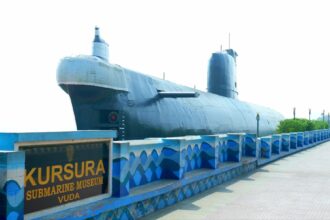
Amidst the escalating tensions of the Cold War, a clandestine meeting took place aboard a Soviet submarine that would have far-reaching implications for international relations. This secretive gathering involved high-ranking officials from both the United States and the Soviet Union, who sought to navigate the treacherous waters of diplomacy during a time when communication channels were fraught with mistrust. The submarine, a symbol of military might and technological prowess, served as an unlikely venue for dialogue between two nations on the brink of confrontation.
The decision to hold this meeting in such an unconventional setting was not without its risks. Submarines were often viewed as instruments of warfare, capable of launching devastating attacks from beneath the waves. However, the leaders recognized that traditional diplomatic avenues had become increasingly ineffective in addressing the growing crisis.
By convening in the depths of the ocean, they aimed to create an atmosphere conducive to honest dialogue, free from the prying eyes of the media and political adversaries. This meeting would ultimately serve as a pivotal moment in their efforts to de-escalate tensions and avert disaster.
Kennedy’s Decision to Meet Khrushchev
President John F. Kennedy’s decision to engage with Soviet Premier Nikita Khrushchev was driven by a profound understanding of the stakes involved. The Cuban Missile Crisis had thrust both nations into a perilous standoff, with nuclear weapons poised to unleash catastrophic consequences.
Faced with mounting pressure from military advisors advocating for aggressive action, Kennedy recognized that dialogue was essential to prevent an escalation into war. His willingness to meet with Khrushchev reflected a commitment to diplomacy over confrontation, a choice that would define his presidency. Kennedy’s approach was not without its challenges.
He had to navigate a complex political landscape, balancing the demands of hawkish advisors with the need for a peaceful resolution. The prospect of meeting Khrushchev was fraught with uncertainty; both leaders had their own agendas and concerns. However, Kennedy believed that establishing direct communication could foster mutual understanding and reduce the risk of miscalculations that could lead to disaster.
This decision marked a significant turning point in U.S.-Soviet relations, setting the stage for future negotiations and diplomatic efforts.
Khrushchev’s Perspective on the Meeting
From Nikita Khrushchev’s perspective, the meeting with Kennedy represented an opportunity to assert Soviet interests while also seeking a path toward de-escalation. The Cuban Missile Crisis had placed immense pressure on his leadership, as he faced criticism from hardliners within the Soviet Union who demanded a more aggressive stance against the United States. Khrushchev understood that engaging with Kennedy could provide a platform for negotiating terms that would safeguard Soviet security while also addressing American concerns.
Khrushchev’s motivations were multifaceted; he sought to project strength on the global stage while also demonstrating a willingness to engage in dialogue. He recognized that both nations were teetering on the edge of catastrophe and that finding common ground was essential for avoiding conflict. The submarine meeting offered him a chance to convey his perspective directly to Kennedy, bypassing intermediaries who might distort his intentions.
In this context, Khrushchev viewed the meeting as a crucial step toward stabilizing relations and preventing further escalation.
The Impact of the Submarine Meeting
| Metric | Data | Notes |
|---|---|---|
| Submarine Name | Unknown | Referenced in context of Kennedy and Khrushchev era |
| Era | Cold War | 1960s, during Kennedy and Khrushchev leadership |
| Country | Likely Soviet Union or USA | Based on leaders involved |
| Submarine Type | Unknown | No specific data available |
| Purpose | Military/Strategic | Cold War naval operations |
| Known Incidents | None documented | Submarine details remain classified or unknown |
The impact of the submarine meeting reverberated far beyond its immediate context, shaping subsequent diplomatic efforts between the United States and the Soviet Union. By establishing a direct line of communication between Kennedy and Khrushchev, the meeting laid the groundwork for future negotiations aimed at reducing tensions and fostering cooperation. It signaled a recognition on both sides that dialogue was essential for navigating the complexities of their relationship.
In addition to its diplomatic significance, the submarine meeting also had profound implications for military strategy. Both leaders emerged from the encounter with a renewed understanding of each other’s perspectives and concerns. This newfound awareness contributed to subsequent arms control agreements and initiatives aimed at reducing nuclear arsenals.
The meeting served as a reminder that even amidst hostility, there existed opportunities for collaboration and compromise—an essential lesson in an era defined by conflict.
The Role of Submarines in the Cold War
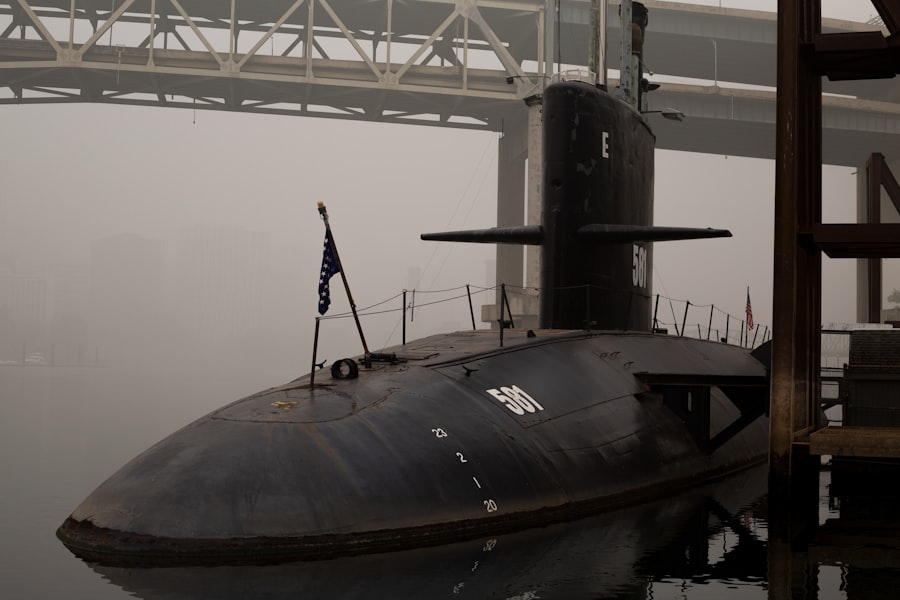
Submarines played a pivotal role in shaping military strategies during the Cold War, serving as both instruments of deterrence and tools for covert operations. The development of nuclear-powered submarines equipped with ballistic missiles transformed naval warfare, allowing nations to project power from beneath the waves while remaining hidden from enemy detection. This technological advancement shifted the balance of power, as submarines became central to both U.S.
and Soviet military doctrines. The strategic importance of submarines extended beyond their offensive capabilities; they also served as platforms for intelligence gathering and surveillance operations. Both superpowers deployed submarines to monitor each other’s activities, contributing to an atmosphere of paranoia and mistrust.
The presence of submarines in contested waters heightened tensions, as each side sought to assert its dominance while remaining vigilant against potential threats. In this context, submarines became emblematic of the broader struggle for supremacy during the Cold War.
The Significance of the Kennedy-Khrushchev Meeting
The Kennedy-Khrushchev meeting stands as a landmark moment in Cold War history, symbolizing a shift toward diplomacy in an era defined by confrontation. It marked a departure from previous approaches characterized by brinkmanship and hostility, highlighting the importance of direct communication between leaders. By engaging in dialogue, Kennedy and Khrushchev demonstrated that even amidst deep-seated animosities, there existed pathways toward understanding and cooperation.
The significance of this meeting extended beyond its immediate outcomes; it set a precedent for future diplomatic engagements between superpowers. Subsequent negotiations on arms control and conflict resolution drew inspiration from this encounter, emphasizing the need for open lines of communication in preventing misunderstandings that could lead to war. The legacy of the Kennedy-Khrushchev meeting continues to resonate today, serving as a reminder of the power of diplomacy in addressing global challenges.
The Legacy of the Submarine Meeting
The legacy of the submarine meeting is one marked by its enduring impact on international relations and diplomacy. It underscored the necessity of dialogue in resolving conflicts and highlighted the potential for cooperation even among adversaries. In an era where tensions often threatened to spiral out of control, this meeting served as a beacon of hope—a testament to the idea that leaders could come together to address pressing issues through conversation rather than confrontation.
In subsequent years, the lessons learned from this clandestine gathering informed diplomatic strategies across various global conflicts. Leaders recognized that establishing trust through direct communication could pave the way for meaningful agreements and foster stability in volatile regions. The submarine meeting became emblematic of a broader shift toward diplomacy as a means of conflict resolution—a legacy that continues to shape international relations today.
The Submarine Meeting and the Cuban Missile Crisis
The submarine meeting played a crucial role in shaping responses during the Cuban Missile Crisis, which had brought U.S.-Soviet relations to an unprecedented low point. As both nations grappled with the implications of nuclear weapons stationed just 90 miles from American shores, tensions reached a boiling point that threatened global security. The clandestine nature of the submarine meeting allowed leaders to discuss strategies for de-escalation without public scrutiny or political posturing.
During this critical period, both Kennedy and Khrushchev recognized that miscommunication could lead to catastrophic consequences. The submarine meeting provided an opportunity for them to clarify their positions and intentions directly, fostering an environment conducive to negotiation. By addressing concerns openly, they were able to navigate through misunderstandings that could have otherwise spiraled into conflict—ultimately contributing to a peaceful resolution of one of history’s most dangerous standoffs.
The Aftermath of the Kennedy-Khrushchev Meeting
In the aftermath of the Kennedy-Khrushchev meeting, both leaders faced significant challenges as they sought to implement agreements reached during their discussions. While there was optimism regarding improved relations, underlying tensions persisted as each side remained wary of potential provocations from the other. Nevertheless, this encounter marked a turning point in U.S.-Soviet relations—one that would influence subsequent diplomatic efforts throughout the Cold War.
The meeting also prompted discussions around arms control initiatives aimed at reducing nuclear arsenals and preventing future crises from escalating into conflict.
This shift toward diplomacy laid important groundwork for future agreements like the Nuclear Non-Proliferation Treaty (NPT), which sought to curb nuclear proliferation globally.
Lessons Learned from the Unknown Submarine Meeting
The unknown submarine meeting serves as a powerful reminder of several key lessons relevant not only during the Cold War but also in contemporary international relations. First and foremost is the importance of direct communication between leaders—especially during times of crisis—where misunderstandings can have dire consequences. Establishing open lines of dialogue fosters trust and allows for more effective conflict resolution strategies.
Additionally, this clandestine gathering highlights how unconventional settings can facilitate meaningful discussions away from public scrutiny or political pressures. By removing themselves from traditional diplomatic venues, leaders can engage more candidly about their concerns and aspirations without fear of immediate backlash or misinterpretation by external parties. Ultimately, these lessons continue to resonate today as global leaders navigate complex geopolitical landscapes fraught with challenges requiring cooperation rather than confrontation.
In exploring the intricate dynamics of the Cold War, particularly the tense relationship between the United States and the Soviet Union, the article on the Kennedy-Khrushchev submarine incident sheds light on a lesser-known yet pivotal moment in history. For a deeper understanding of the geopolitical implications and the strategic maneuvers of both leaders during this period, you can read more in this related article on In The War Room.
WATCH THIS! 🎬 THE HIDDEN SUBMARINE WAR: How One Man Stopped Mutiny and Nuclear Armageddon
FAQs
What is the Kennedy Khrushchev submarine incident?
The Kennedy Khrushchev submarine incident refers to a lesser-known Cold War event involving a submarine encounter or operation linked to U.S. President John F. Kennedy and Soviet Premier Nikita Khrushchev. Details about this incident remain largely classified or obscure, contributing to its “unknown” status.
When did the Kennedy Khrushchev submarine event take place?
The event likely occurred during the early 1960s, a period marked by intense Cold War naval activity and direct communications between the United States and the Soviet Union under Kennedy and Khrushchev’s leadership.
Why is the Kennedy Khrushchev submarine incident considered “unknown”?
The incident is considered “unknown” because it has not been widely documented or disclosed in public historical records. Many details remain classified or have only recently come to light through declassified documents or investigative research.
What role did submarines play during the Kennedy-Khrushchev era?
Submarines were critical strategic assets during the Kennedy-Khrushchev era, used for nuclear deterrence, intelligence gathering, and covert operations. Both the U.S. and Soviet navies maintained significant submarine fleets to monitor each other’s activities.
Are there any official records or declassified documents about this submarine incident?
Some declassified documents and archival materials may reference submarine operations during the Kennedy-Khrushchev period, but specific details about this particular incident remain scarce or incomplete.
How did submarine operations impact U.S.-Soviet relations during the Cold War?
Submarine operations were a key element of Cold War military strategy, often increasing tensions due to the risk of accidental conflict. However, they also served as tools for intelligence and deterrence, influencing diplomatic negotiations between the U.S. and the Soviet Union.
Where can I find more information about Cold War submarine incidents?
Information can be found in Cold War history books, declassified government archives, naval military records, and scholarly articles focusing on U.S.-Soviet naval interactions during the 1960s. Museums and institutions specializing in Cold War history may also provide resources.