The history of undersea cables dates back to the mid-19th century, marking a significant milestone in the evolution of global communication. The first successful undersea telegraph cable was laid in 1858, connecting Ireland and Newfoundland. This groundbreaking achievement allowed messages to be transmitted across the Atlantic Ocean in mere minutes, a feat that was previously unimaginable.
However, the initial cable was short-lived, suffering from technical issues and ultimately failing after just a few weeks. Despite this setback, the ambition to connect continents through undersea cables persisted, leading to further advancements in technology and engineering. By the late 19th century, the laying of undersea cables became more refined and widespread.
The establishment of the Eastern and Western Telegraph Companies facilitated the expansion of a global network of telegraph lines. These cables not only connected major cities but also played a crucial role in international trade and diplomacy. The introduction of the transatlantic telephone cable in 1956 marked another leap forward, allowing for voice communication across oceans.
Over the decades, undersea cables evolved from simple telegraph lines to complex systems capable of transmitting vast amounts of data, paving the way for the internet revolution.
Key Takeaways
- Undersea cables are critical infrastructure enabling the majority of global internet traffic and international communications.
- Advanced technology and complex processes are involved in laying and maintaining these cables across ocean floors.
- Cable breaks can cause significant disruptions to global internet connectivity and require rapid repair efforts.
- Undersea cables play a vital role in national security by supporting secure communications and data transfer.
- They contribute to economic growth and help bridge the digital divide by connecting remote and underserved regions.
The Importance of Undersea Cables for Global Internet Connectivity
Undersea cables are the backbone of global internet connectivity, facilitating the transfer of data across vast distances. Approximately 99% of international data traffic travels through these cables, underscoring their critical role in modern communication. Without them, the seamless exchange of information that people have come to expect would be impossible.
From streaming services to online banking, undersea cables enable a myriad of digital services that are integral to daily life in the 21st century. Moreover, undersea cables contribute significantly to economic growth and development. They connect countries and regions, fostering international trade and collaboration.
In developing nations, access to undersea cables can enhance digital infrastructure, promoting innovation and entrepreneurship. As such, undersea cables are not merely conduits for data; they are vital arteries that support global economic activity and social interaction.
The Technology Behind Undersea Cables

The technology behind undersea cables has advanced dramatically since their inception. Modern cables are composed of multiple optical fibers that transmit data using light signals, allowing for incredibly high bandwidth and speed. Each fiber can carry terabits of data per second, making them capable of supporting the demands of contemporary internet usage.
The design of these cables is also engineered to withstand harsh underwater conditions, including pressure, temperature variations, and potential damage from marine life. In addition to optical fibers, undersea cables are equipped with repeaters that amplify signals over long distances. These repeaters are strategically placed along the cable route to ensure that data can travel thousands of miles without degradation.
The installation of advanced materials and protective layers further enhances the durability of these cables, allowing them to function effectively in challenging environments. As technology continues to evolve, innovations such as space-division multiplexing are being explored to increase capacity even further, ensuring that undersea cables can meet future demands.
The Process of Laying Undersea Cables
Laying undersea cables is a complex and meticulous process that involves careful planning and execution. The journey begins with extensive surveys of the ocean floor to determine the most suitable route for the cable. This involves mapping underwater topography and assessing potential hazards such as shipwrecks or geological formations that could pose risks during installation.
Once a route is established, teams work on manufacturing the cable itself, which can be thousands of kilometers long. The actual laying of the cable is typically carried out by specialized ships equipped with advanced technology. These vessels are designed to deploy the cable onto the ocean floor with precision, ensuring it remains secure and undamaged.
The process can take several months or even years, depending on the length and complexity of the route. After installation, extensive testing is conducted to verify that the cable is functioning correctly before it is officially put into service. This meticulous approach ensures that undersea cables can provide reliable connectivity for years to come.
The Challenges of Maintaining Undersea Cables
| Metric | Value | Description |
|---|---|---|
| Total Length of Undersea Cables | 1.3 million km | Approximate global length of active submarine fiber optic cables |
| Percentage of Global Internet Traffic | 95% | Share of international internet data transmitted via undersea cables |
| Number of Active Undersea Cables | 450+ | Currently operational submarine cables worldwide |
| Average Data Capacity per Cable | Terabits per second (Tbps) | Typical data transmission capacity of modern cables |
| Top Controlling Countries | USA, China, Japan, UK | Countries with major ownership or control over undersea cable infrastructure |
| Average Cable Lifespan | 25 years | Expected operational duration before replacement or upgrade |
| Number of Landing Stations | 300+ | Points where undersea cables connect to terrestrial networks |
Maintaining undersea cables presents a unique set of challenges due to their remote locations and harsh environments. One of the primary concerns is damage caused by natural phenomena such as earthquakes or underwater landslides, which can disrupt cable integrity. Additionally, human activities like fishing or shipping can inadvertently lead to cable breaks, necessitating prompt repairs to restore connectivity.
When a cable is damaged, locating the exact point of failure can be a daunting task. Specialized ships equipped with remotely operated vehicles (ROVs) are often deployed to identify and assess the damage before repairs can be made. This process can be time-consuming and costly, particularly if the cable is located in deep waters or difficult-to-reach areas.
Despite these challenges, ongoing advancements in technology and engineering practices continue to improve maintenance efforts, ensuring that undersea cables remain operational and effective.
The Impact of Undersea Cable Breaks on Global Internet Connectivity
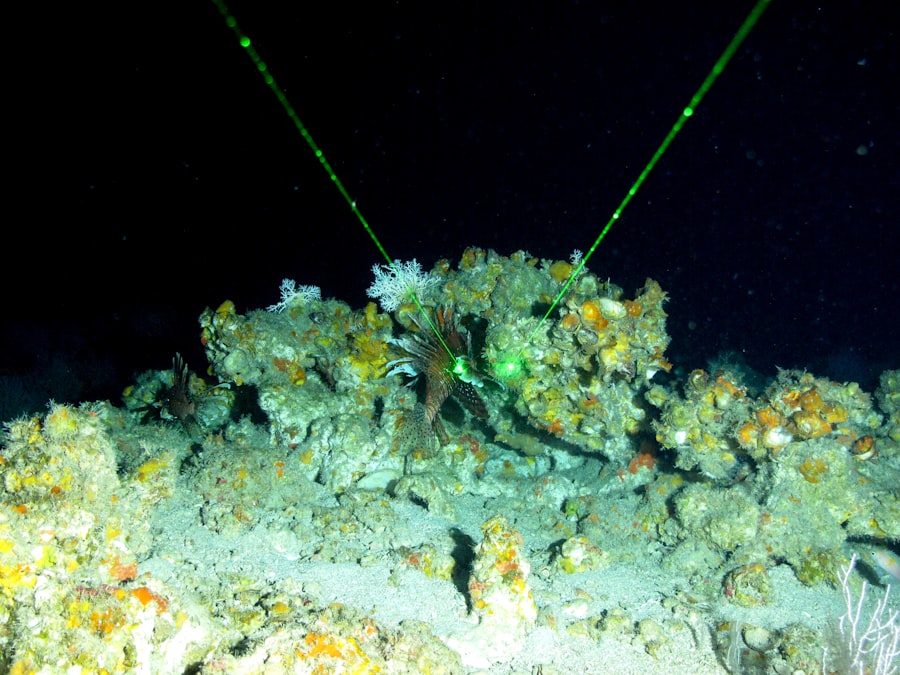
The impact of undersea cable breaks on global internet connectivity can be profound and far-reaching. When a cable is severed or damaged, it can lead to significant disruptions in data transmission for entire regions or countries. This can result in slower internet speeds, increased latency, and even complete outages for businesses and individuals reliant on stable connections.
In an increasingly digital world, such disruptions can have serious economic consequences. Moreover, the effects of cable breaks are not limited to local areas; they can ripple across global networks. For instance, if a major transatlantic cable is compromised, it may affect internet traffic between continents, leading to congestion on alternative routes.
This interconnectedness highlights the vulnerability of global internet infrastructure and underscores the importance of maintaining robust systems for redundancy and resilience.
The Role of Undersea Cables in National Security
Undersea cables play a crucial role in national security by facilitating secure communication between governments and military organizations across borders. The ability to transmit sensitive information quickly and reliably is essential for national defense operations and intelligence sharing among allied nations. As such, undersea cables are often viewed as strategic assets that require protection from potential threats.
In recent years, concerns have arisen regarding the security of undersea cables amid geopolitical tensions and cyber threats. Nations have begun investing in measures to safeguard these critical infrastructures from espionage or sabotage. This includes monitoring activities around cable routes and enhancing cybersecurity protocols to protect data transmitted through these channels.
The Future of Undersea Cables and Global Internet Connectivity
The future of undersea cables appears promising as demand for global internet connectivity continues to grow exponentially. With advancements in technology enabling higher data transmission rates and increased capacity, new projects are being initiated to expand existing networks and lay new cables across oceans. These developments aim not only to meet current demands but also to prepare for future innovations such as 5G technology and the Internet of Things (IoT).
Additionally, there is a growing emphasis on sustainability within the industry. As environmental concerns become more pressing, companies are exploring eco-friendly materials and practices for cable production and installation. This shift towards greener solutions reflects a broader commitment to balancing technological advancement with environmental stewardship as society moves forward into an increasingly interconnected future.
The Environmental Impact of Undersea Cables
While undersea cables are essential for global connectivity, their installation and maintenance can have environmental implications that warrant consideration. The process of laying cables often involves disturbing marine ecosystems, which can impact local wildlife habitats and biodiversity. Additionally, concerns have been raised about potential long-term effects on ocean floor structures and sediment displacement.
To mitigate these impacts, industry stakeholders are increasingly adopting environmentally responsible practices during cable installation. This includes conducting thorough environmental assessments prior to laying cables and employing techniques that minimize disruption to marine life. Furthermore, ongoing research into the ecological effects of undersea cables aims to inform best practices that balance technological needs with environmental conservation efforts.
The Economic Importance of Undersea Cables
Undersea cables hold immense economic importance as they underpin global trade and commerce in an increasingly digital economy. By facilitating rapid communication between businesses across continents, these cables enable efficient transactions and collaboration on a scale previously unimaginable. The ability to share information instantaneously has transformed industries ranging from finance to entertainment, driving innovation and growth.
Moreover, investments in undersea cable infrastructure can stimulate local economies by creating jobs in construction, maintenance, and technology sectors. Regions that gain access to reliable internet connectivity through new cable projects often experience enhanced opportunities for entrepreneurship and development. As such, undersea cables serve not only as conduits for data but also as catalysts for economic progress on a global scale.
The Role of Undersea Cables in Bridging the Digital Divide
Undersea cables play a pivotal role in bridging the digital divide between developed and developing nations by providing access to reliable internet connectivity. Many regions around the world still lack adequate infrastructure for digital communication, hindering economic growth and social development. By extending undersea cable networks into underserved areas, countries can enhance their digital capabilities and promote inclusivity.
Efforts to expand access through undersea cables have been met with enthusiasm from governments and organizations seeking to empower communities through technology. Initiatives aimed at connecting remote islands or rural areas can foster educational opportunities, improve healthcare access, and stimulate local economies by enabling e-commerce platforms. In this way, undersea cables not only facilitate communication but also serve as vital tools for social equity in an increasingly interconnected world.
In conclusion, undersea cables represent a remarkable achievement in human ingenuity that has transformed global communication over the past century and a half. Their significance extends beyond mere connectivity; they are integral to economic growth, national security, environmental considerations, and efforts to bridge societal divides. As technology continues to advance and demand for connectivity grows, undersea cables will undoubtedly remain at the forefront of shaping our interconnected future.
Undersea cables play a crucial role in controlling global internet connectivity, as they facilitate the majority of international data transmission. For a deeper understanding of the strategic importance of these cables and their impact on global communications, you can read more in this insightful article on In The War Room.
FAQs
What are undersea cables?
Undersea cables, also known as submarine cables, are fiber optic cables laid on the ocean floor that carry telecommunications signals, including internet data, between continents and countries.
How do undersea cables control the global internet?
Undersea cables form the backbone of the global internet by transmitting the vast majority of international data traffic. They connect different regions of the world, enabling fast and reliable communication and data exchange across continents.
How many undersea cables are there worldwide?
There are hundreds of undersea cables currently in operation worldwide, with new cables being laid regularly to increase capacity and improve connectivity.
Who owns and operates undersea cables?
Undersea cables are typically owned and operated by consortia of telecommunications companies, technology firms, and sometimes governments. Ownership can be shared among multiple stakeholders.
What materials are used in undersea cables?
Undersea cables consist of fiber optic strands for data transmission, surrounded by protective layers including steel wire armoring, waterproofing materials, and insulation to withstand harsh underwater conditions.
How are undersea cables installed?
Specialized cable-laying ships deploy the cables on the ocean floor, carefully navigating to avoid underwater hazards. The cables are buried in shallow waters to protect them from fishing activities and anchors.
What are the risks to undersea cables?
Undersea cables face risks from natural events like earthquakes and underwater landslides, as well as human activities such as fishing, shipping, and intentional sabotage.
How is data transmitted through undersea cables?
Data is transmitted as pulses of light through fiber optic strands within the cables, allowing for high-speed and high-capacity communication over long distances.
Can undersea cables be repaired if damaged?
Yes, damaged cables can be repaired by specialized ships that retrieve the cable from the ocean floor, fix or replace the damaged section, and then carefully lay it back down.
Why are undersea cables important for global communication?
Undersea cables enable the majority of international internet traffic, supporting global communication, commerce, finance, and access to information, making them critical infrastructure for the modern world.