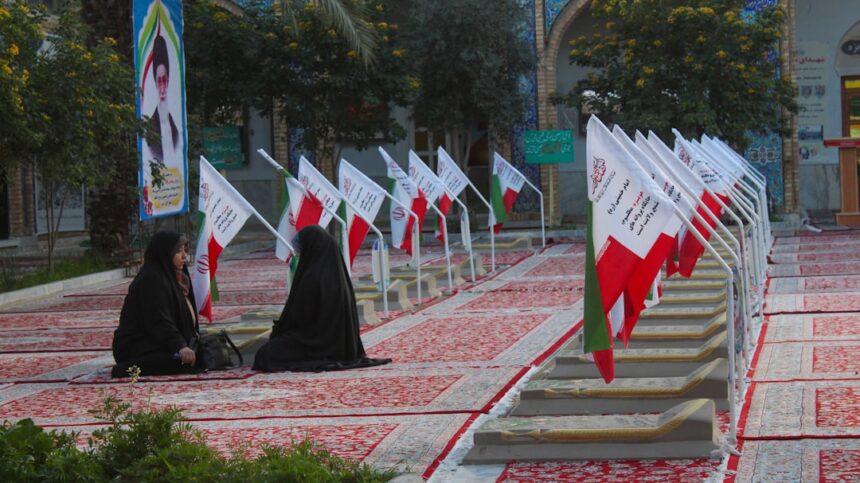
The relationship between the United States and Iran has been fraught with tension and conflict, particularly in the context of military involvement. The U.
military’s engagement in Iran has evolved over decades, shaped by a complex interplay of geopolitical interests, historical events, and cultural misunderstandings.
From the early 20th century to the present day, the U.S. has navigated a tumultuous landscape marked by interventions, coups, and wars, all of which have left indelible marks on both nations. Understanding this intricate history is crucial for comprehending the current dynamics of U.S.-Iran relations and the broader implications for regional stability.
As the U.S. military continues to grapple with its role in the Middle East, Iran remains a focal point of concern. The strategic importance of Iran, with its vast oil reserves and pivotal geographical position, has drawn the attention of American policymakers and military leaders alike.
However, the complexities of Iranian society and politics have often eluded U.S. understanding, leading to miscalculations and unintended consequences. This article seeks to explore the historical context of U.S.
military involvement in Iran, examining key events that have shaped the relationship and offering insights into the lessons learned from past engagements.
The historical context of U.S. military interventions in Iran is rooted in a series of events that date back to the early 20th century. Initially, American interests in Iran were primarily economic, driven by the desire for access to oil resources and trade opportunities.
However, as geopolitical tensions escalated during World War II and the subsequent Cold War, the U.S. began to take a more active role in Iranian affairs. The establishment of a pro-Western regime under Shah Mohammad Reza Pahlavi in 1953 marked a significant turning point, as the U.S.
sought to counter Soviet influence in the region. Throughout the latter half of the 20th century, U.S. military involvement in Iran was characterized by a series of interventions aimed at maintaining stability and supporting allied regimes.
The 1953 coup d’état, orchestrated by the CIA, exemplified this approach, as it sought to reassert American control over Iranian politics. However, these interventions often overlooked the complexities of Iranian society and governance, leading to long-term repercussions that would haunt U.S.-Iran relations for decades to come.
Key Takeaways
- The U.S. military has a long history of involvement in Iran, marked by interventions and covert operations.
- Key events like the 1953 coup significantly shaped U.S.-Iran relations and had lasting consequences.
- A lack of deep understanding of Iranian culture and politics contributed to strategic missteps, including failing to foresee the 1979 revolution.
- U.S. military actions during the Iran-Iraq War and the Iran-Contra affair further complicated relations.
- Despite sanctions and military efforts, the U.S. has struggled to prevent Iran’s nuclear program, highlighting challenges in its 21st-century approach.
The 1953 coup against Prime Minister Mohammad Mossadegh stands as a pivotal moment in Iranian history and a defining event in U.S.-Iran relations. Orchestrated by the CIA and British intelligence, the coup aimed to restore the Shah to power after Mossadegh nationalized Iran’s oil industry, threatening Western interests. While the immediate outcome was a return to monarchical rule, the coup sowed deep-seated resentment among Iranians toward the United States, fostering a sense of betrayal that would resonate for generations.
The long-term impact of the coup cannot be overstated. It not only solidified authoritarian rule under the Shah but also contributed to widespread discontent among various segments of Iranian society. The lack of democratic governance and political repression fueled opposition movements that would eventually culminate in the 1979 Islamic Revolution.
This revolution not only overthrew the Shah but also established an anti-American regime that viewed the U.S. as a primary adversary. The legacy of the 1953 coup continues to shape Iranian perceptions of American intentions and actions, complicating any efforts at reconciliation.
One of the most significant challenges faced by the U.S. military in its dealings with Iran has been a profound lack of understanding of Iranian culture and political dynamics. American policymakers often approached Iran through a Western lens, failing to appreciate the complexities of its historical narratives, religious influences, and social structures.
This cultural disconnect has led to miscalculations that have exacerbated tensions between the two nations. For instance, during the lead-up to the 1979 revolution, U.S. officials underestimated the depth of popular discontent with the Shah’s regime.
They viewed opposition movements as fragmented and lacking cohesion, not recognizing that they were united by a shared desire for change. This misjudgment resulted in a failure to anticipate the revolution’s magnitude and its implications for U.S.-Iran relations. The inability to grasp the nuances of Iranian society has persisted into contemporary times, hindering effective diplomatic engagement and contributing to ongoing hostilities.
Failure to Anticipate the 1979 Revolution
The 1979 Iranian Revolution marked a seismic shift in both Iranian society and U.S.
The revolution was characterized by widespread protests against the Shah’s regime, fueled by grievances related to political repression, economic inequality, and cultural alienation. Despite clear signs of unrest, U.S.
intelligence agencies failed to predict the revolution’s imminent success, largely due to their reliance on flawed assessments that downplayed popular sentiment. The aftermath of the revolution saw the establishment of an Islamic Republic under Ayatollah Khomeini, fundamentally altering Iran’s political landscape and its relationship with the United States. The hostage crisis that ensued further solidified anti-American sentiment within Iran and marked a definitive break between the two nations.
The failure to anticipate this transformative event underscored a broader pattern of misjudgment by U.S. officials regarding Iranian aspirations and motivations.
The Iran-Iraq War (1980-1988) presented another critical juncture for U.S. military involvement in Iran, albeit indirectly. Initially, the United States maintained a policy of neutrality as Iraq invaded Iran in 1980; however, as the conflict dragged on and regional stability became increasingly precarious, American interests shifted.
The U.S. began providing support to Iraq under Saddam Hussein, viewing it as a bulwark against Iranian expansionism. This support included intelligence sharing and military assistance, which ultimately contributed to prolonging a brutal conflict that resulted in immense human suffering on both sides.
The U.S.’s involvement in this war further complicated its relationship with Iran, as it was perceived as an act of aggression against an already beleaguered nation. The legacy of this conflict continues to influence Iranian perceptions of American intentions and actions in the region.
The Iran-Contra Affair represents another chapter in the complex narrative of U.S.-Iran relations during the 1980s. In an effort to fund Contra rebels fighting against Nicaragua’s Sandinista government while simultaneously seeking to improve relations with Iran, members of the Reagan administration engaged in covert arms sales to Tehran. This controversial initiative was fraught with contradictions and ethical dilemmas, as it sought to reconcile opposing foreign policy objectives.
The fallout from this affair had significant implications for both domestic politics in the United States and international perceptions of American credibility. For Iran, it underscored a willingness on the part of U.S. officials to engage with its adversary when it suited their interests, further complicating an already fraught relationship.
The scandal also highlighted systemic issues within U.S. foreign policy decision-making processes, raising questions about accountability and oversight.
U.S. sanctions against Iran have been a cornerstone of American foreign policy since the 1979 revolution, aimed at curbing Tehran’s nuclear ambitions and regional influence. These sanctions have evolved over time, becoming increasingly comprehensive and punitive in nature.
While intended to pressure the Iranian government into compliance with international norms, they have also had profound humanitarian consequences for ordinary Iranians. The impact of sanctions has been multifaceted; while they have succeeded in isolating Iran economically and politically, they have also fueled anti-American sentiment among Iranians who perceive these measures as collective punishment for their government’s actions. The sanctions have exacerbated economic hardships, leading to inflation, unemployment, and shortages of essential goods—factors that have further complicated internal dynamics within Iran and stymied potential avenues for reform.
The issue of Iran’s nuclear program has emerged as one of the most contentious points in U.S.-Iran relations over recent decades. Despite extensive intelligence efforts aimed at monitoring Tehran’s nuclear activities, U.S. military and intelligence agencies have struggled to prevent advancements in Iran’s nuclear capabilities effectively.
This failure can be attributed to a combination of factors, including underestimating Iran’s technological ambitions and over-reliance on diplomatic measures that ultimately proved ineffective. The inability to halt Iran’s nuclear program has raised significant concerns among American policymakers regarding regional security dynamics and proliferation risks. As tensions escalated over Tehran’s nuclear ambitions, military options were frequently discussed but often deemed too risky given potential repercussions for regional stability.
This dilemma underscores a broader challenge faced by U.S. military planners: balancing deterrence with diplomacy while navigating an increasingly complex geopolitical landscape.
In the 21st century, U.S.-Iran relations have continued to be characterized by tension and mistrust, with military considerations playing a prominent role in shaping American policy toward Tehran. Following events such as the September 11 attacks and subsequent wars in Afghanistan and Iraq, Iran emerged as a key player in regional dynamics—often viewed through a lens of suspicion by American military strategists. The approach taken by U.S. military leaders has evolved over time; while some advocated for direct confrontation with Iranian forces or proxies throughout the region, others emphasized diplomatic engagement as a means to de-escalate tensions. The Joint Comprehensive Plan of Action (JCPOA) negotiated during President Obama’s administration represented an attempt at diplomacy but faced significant backlash from subsequent administrations that favored a more confrontational stance.
Lessons Learned and Future Implications
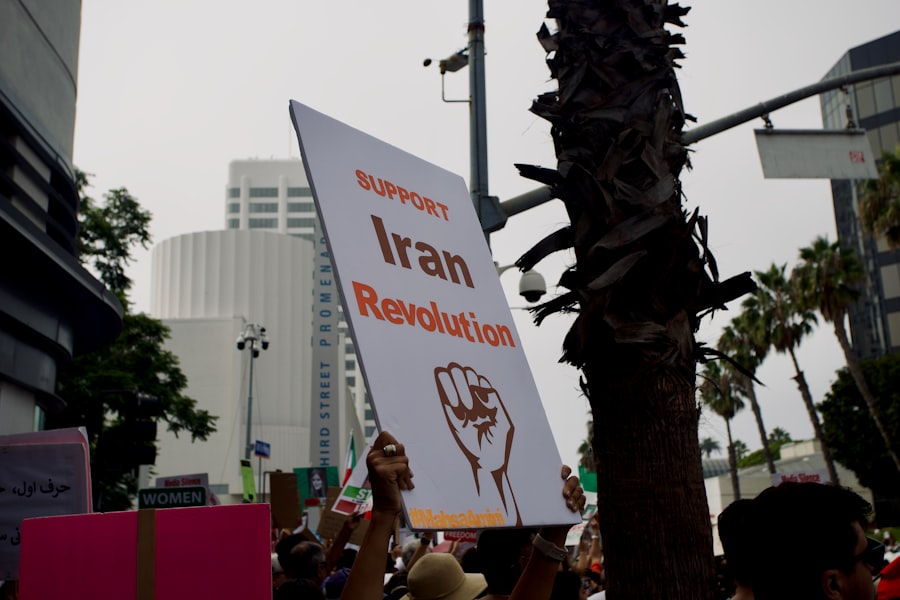
The history of U.S.-Iran relations is marked by a series of missteps and misunderstandings that have shaped both nations’ trajectories over decades. From early interventions rooted in economic interests to contemporary challenges posed by nuclear proliferation and regional conflicts, lessons abound regarding effective engagement with complex societies like Iran. Moving forward, it is imperative for American policymakers and military leaders to recognize the importance of cultural understanding and nuanced diplomacy when addressing issues related to Iran.
Acknowledging past mistakes can pave the way for more constructive dialogue aimed at fostering stability in an increasingly volatile region—ultimately benefiting both nations while contributing to broader global security efforts.
In examining the complexities surrounding the U.S. military’s challenges in Iran, it is insightful to consider the broader implications of military strategy and foreign policy. A related article that delves into these themes is available at this link, which discusses the historical context and strategic missteps that have influenced U.S. operations in the region. Understanding these factors can provide a more comprehensive view of why the military faced significant obstacles in achieving its objectives in Iran.
WATCH THIS! The Disaster That Saved Them: How Eagle Claw’s Failure Freed the Hostages
FAQs
Why did the U.S. military fail in Iran?
The U.S. military faced failure in Iran due to a combination of factors including underestimating local resistance, lack of clear objectives, insufficient understanding of Iran’s political and cultural landscape, and logistical challenges. Additionally, strong nationalist sentiments and effective Iranian military strategies contributed to the U.S. setbacks.
What were the main challenges faced by the U.S. military in Iran?
Key challenges included navigating complex terrain, dealing with guerrilla warfare tactics employed by Iranian forces, managing supply lines over long distances, and facing widespread local opposition. Political constraints and limited international support also hindered U.S. military operations.
Did the U.S. have clear goals in Iran?
The U.S. military’s goals in Iran were often unclear or shifting, which complicated mission planning and execution. Ambiguity in objectives led to strategic confusion and difficulty in measuring progress, contributing to the overall failure.
How did Iranian forces counter the U.S. military?
Iranian forces utilized asymmetric warfare tactics such as ambushes, hit-and-run attacks, and leveraging local knowledge of the terrain. They also capitalized on strong nationalist sentiment to mobilize popular support against U.S. forces.
Was international support a factor in the U.S. military’s failure in Iran?
Limited international support for U.S. military actions in Iran affected operational capabilities and diplomatic leverage. Many countries were reluctant to back U.S. intervention, which isolated the U.S. and complicated coalition-building efforts.
What lessons were learned from the U.S. military’s failure in Iran?
Lessons include the importance of understanding local cultures and politics, setting clear and achievable objectives, preparing for asymmetric warfare, and securing broad international support. These insights have influenced U.S. military strategy in subsequent conflicts.