
The defense industry, a colossus of global commerce, commands a staggering financial footprint that transcends mere national budgets. Its annual expenditures, often a euphemism for investment in security, routinely eclipse a trillion dollars worldwide. This vast ecosystem, encompassing research and development, manufacturing, procurement, and ongoing maintenance, operates within a complex web of governmental oversight, private enterprise, and international relations. Uncovering the secrets of such a behemoth requires an examination of its multifaceted nature, from the motivations driving its existence to the intricate mechanisms that sustain its immense scale.
The modern defense industry is not merely a response to extant hostilities. Its origins are deeply intertwined with the evolution of geopolitical thought, the perception of threats, and the strategic imperative to maintain national sovereignty and influence. What began as rudimentary arms production has blossomed into a sophisticated sector fueled by continuous innovation and a calculated assessment of potential vulnerabilities.
The Specter of Threat: Perceived and Manufactured
The primary driver for defense spending, and consequently the industry’s growth, has historically been the perception of threats. These can range from tangible military aggressions by rival nation-states to less defined challenges like terrorism, cyber warfare, or even the specter of internal instability. The understanding and dissemination of these threats are central to the industry’s narrative.
National Security Imperatives
At its core, defense spending is justified by the need to protect a nation’s citizenry, its territorial integrity, and its economic interests. This foundational principle, while ostensibly altruistic, opens the door to substantial financial outlays as “insurance” against potential aggression. The definition of what constitutes a sufficient level of security is often a malleable concept, open to interpretation and influenced by a variety of actors.
The Role of Intelligence Agencies
Intelligence agencies play a crucial, albeit often opaque, role in shaping threat perceptions. By gathering, analyzing, and disseminating information about potential adversaries and emerging dangers, they provide the foundational intelligence that informs defense policy and budget allocations. The very nature of intelligence work necessitates a degree of secrecy, which can, in turn, shield aspects of the defense industry from public scrutiny.
The Industrial-Military Complex: A Symbiotic Relationship
The term “military-industrial complex,” coined by President Dwight D. Eisenhower in his farewell address, remains remarkably relevant. It describes the powerful nexus between a nation’s military, its defense contractors, and political figures. This relationship is characterized by mutual interdependence, where the military requires advanced weaponry, contractors seek profitable contracts, and politicians gain political leverage and campaign contributions.
Lobbying and Political Influence
Defense contractors are among the most significant lobbying entities in many countries. They actively engage with lawmakers to advocate for policies that favor increased defense spending, the acquisition of specific weapon systems, and favorable regulatory frameworks. This influence is often exerted through direct lobbying efforts, campaign donations, and the cultivation of strong relationships within governmental bodies.
Revolving Door Phenomenon
A significant aspect of the industrial-military complex is the “revolving door” phenomenon. This refers to the movement of individuals between high-level positions in the military, defense industry, and government. Former military officers often find lucrative employment with defense contractors, bringing with them invaluable knowledge, connections, and insights into military needs. Similarly, former government officials can leverage their experience and contacts to benefit their new employers.
The trillion-dollar defense industry is shrouded in secrecy, with numerous articles exploring the intricate web of contracts, technologies, and policies that govern it. For a deeper understanding of the complexities and implications of this vast sector, you can read a related article that delves into the hidden aspects of defense spending and the impact on national security. Check it out here: In the War Room.
Global Arms Trade: A Multi-Billion Dollar Exchange
The defense industry is an inherently global enterprise. The exchange of military hardware and technology across national borders constitutes a significant portion of international trade, driven by a complex interplay of defense needs, political alliances, and economic interests.
Major Exporting Nations and Their Motivations
A handful of nations dominate the global arms export market. Their motivations for selling military equipment are multifaceted, extending beyond simple profitability.
Economic Diversification and Job Creation
For many countries, arms exports represent a vital component of their economy. The defense industry provides high-skilled employment, stimulates technological innovation, and generates foreign currency reserves. The ability to export advanced weaponry can also be a means of solidifying domestic manufacturing capabilities.
Diplomatic Leverage and Alliance Building
The provision of military assistance and hardware can be a powerful tool of diplomacy. Nations that export arms often do so to strengthen alliances, gain influence in strategic regions, and ensure the interoperability of their military forces with those of their partners. Such transactions can create long-term dependencies and foster political alignment.
Maintaining Technological Superiority
Exporting excess military hardware can also serve the purpose of offloading older, but still functional, equipment. This allows nations to invest in newer, more advanced technologies for their own forces while recouping some of the developmental costs. It also prevents potential adversaries from gaining access to cutting-edge innovations.
Importing Nations and Their Security Calculations
Countries that import military hardware do so out of a perceived need to bolster their defenses, project power, or fulfill specific strategic objectives. The decisions behind these purchases are often influenced by a complex matrix of factors.
Deterrence and Defense Strategies
The primary reason for importing arms is to enhance a nation’s deterrent capabilities and strengthen its defensive posture. This can involve acquiring advanced fighter jets, sophisticated missile systems, or robust naval fleets to counter perceived threats from neighboring countries or transnational organizations.
Internal Security and Counter-Insurgency
In many regions, the focus of defense spending is not on interstate conflict but on maintaining internal security and combating insurgencies. This leads to the demand for less conventional weaponry, such as armored vehicles, surveillance drones, and specialized equipment for law enforcement and counter-terrorism operations.
Modernization and Technological Advancement
Many nations seek to modernize their armed forces to keep pace with technological advancements and the military capabilities of potential adversaries. Importing advanced systems, even if manufactured elsewhere, can be a faster and more cost-effective way to achieve this than independent research and development.
The Black Box of Research and Development: Innovation and Secrecy
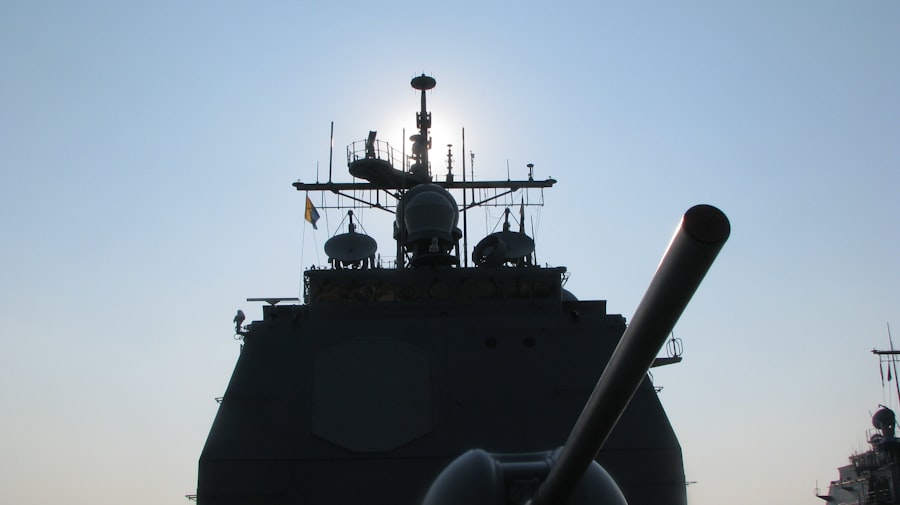
The defense industry is a hotbed of technological innovation, driven by a continuous pursuit of tactical and strategic advantages. However, the very nature of this innovation is often shrouded in secrecy, making it difficult to ascertain the true scope and direction of research and development efforts.
Cutting-Edge Technologies: From AI to Hypersonics
The defense sector is at the forefront of developing and implementing some of the most advanced technologies in existence. This includes areas that have significant civilian applications but are often pioneered with military objectives in mind.
Artificial Intelligence and Autonomy
The integration of artificial intelligence (AI) into military systems is a rapidly expanding frontier. This encompasses everything from autonomous weapons systems and enhanced intelligence analysis to sophisticated logistical planning and cyber warfare capabilities. The ethical implications of AI in warfare are a subject of intense debate, often conducted behind closed doors.
Cyber Warfare and Electronic Countermeasures
In the digital age, the battlefield has expanded to include the cyber realm. Nations invest heavily in developing offensive and defensive cyber capabilities, including sophisticated hacking tools, network defense systems, and electronic warfare technologies designed to disrupt enemy communications and sensor systems.
Advanced Materials and Propulsion Systems
Innovation extends to the physical components of military hardware. This includes the development of lighter, stronger materials for aircraft and vehicles, as well as advancements in propulsion systems for faster and more efficient weapons platforms, including the pursuit of hypersonic capabilities.
The Secrecy Imperative: Protecting Intellectual Property and Strategic Advantage
A significant portion of defense research and development is classified, making it inaccessible to the public and often even to many within governmental review bodies. This secrecy is predicated on several factors.
Protecting Intellectual Property and Trade Secrets
Defense contractors invest billions of dollars in research and development. Secrecy is essential to protect this intellectual property from competitors, both domestic and international, and to maintain a competitive edge in the market.
Maintaining Strategic Advantage and Operational Security
The disclosure of advanced military technologies could provide potential adversaries with crucial information, undermining a nation’s strategic advantage and jeopardizing the effectiveness of its armed forces. Operational security dictates that the capabilities and vulnerabilities of military systems remain unknown to potential enemies.
Avoiding Public Scrutiny and Ethical Debates
The development of certain advanced weaponry, particularly autonomous systems or weapons with potentially widespread destructive capabilities, can spark significant public debate and ethical concerns. Secrecy can serve to shield these developments from immediate public scrutiny, allowing for their continued progression.
The Unseen Hand of Contracts: Procurement and Profitability
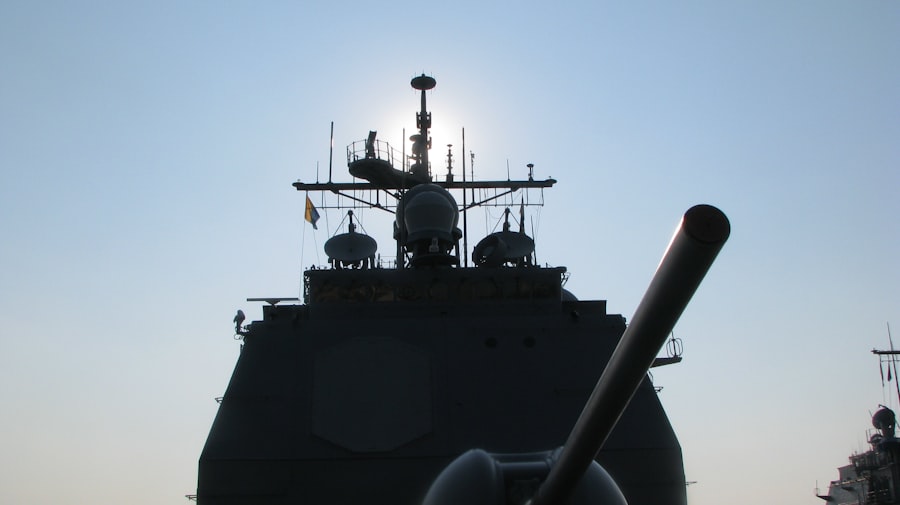
The procurement process within the defense industry is a labyrinth of regulations, negotiations, and immense financial transactions. The awarding of contracts is the lifeblood of defense corporations, and understanding this process is crucial to understanding the industry’s operations.
The Anatomy of a Defense Contract
Defense contracts are rarely simple. They are complex legal agreements that can span years, involve multiple subcontractors, and contain intricate specifications and performance clauses.
Competitive Bidding and Sole-Source Procurement
While many contracts are theoretically awarded through competitive bidding processes, a significant number are sole-source or “no-bid” contracts. These can arise due to the specialized nature of the required technology or the existing relationship between the government and a particular contractor. Critics argue that this can lead to inflated prices and reduced accountability.
Cost Overruns and Contract Modifications
It is a common, almost expected, occurrence for defense projects to experience significant cost overruns. This can be attributed to a variety of factors, including unforeseen technical challenges, changes in requirements, and optimistic initial cost estimations. Contract modifications, often numerous, can further complicate the original agreement and add to the overall expense.
The Profit Motive: A Driving Force
The defense industry, like any other sector, is driven by the pursuit of profit. However, the scale of profits and the mechanisms through which they are generated within this industry are often subject to considerable debate.
Profit Margins and Shareholder Value
Defense contractors are publicly traded companies whose primary responsibility is to generate returns for their shareholders. This necessitates the pursuit of profitable contracts and efficient production, though the definition of “efficient” can be influenced by the cost-plus nature of many government contracts.
The Importance of Long-Term Sustainment Contracts
Beyond the initial sale of hardware, defense companies often secure lucrative long-term sustainment and maintenance contracts. These agreements ensure ongoing revenue streams for years, often decades, after the initial procurement. This creates a vested interest in the continued operation and support of military equipment.
The complexities of the trillion dollar defense industry are often shrouded in secrecy, making it difficult for the public to grasp the full extent of its operations. A related article that delves into the intricacies of this sector can be found at this link, where it explores the hidden aspects of defense contracts and the implications for national security. Understanding these elements is crucial for anyone interested in the intersection of government spending and military strategy.
The Shadow of Regulation and Oversight: Accountability and Transparency
| Industry Secrets | Metrics |
|---|---|
| Research and Development Budget | 100 billion |
| Number of Top Defense Contractors | 5 |
| Annual Revenue | 1 trillion |
| Number of Employees | 3 million |
The defense industry, by its very nature, operates under a significant degree of governmental oversight. However, the effectiveness of this oversight, and the level of transparency it affords, are subjects of ongoing scrutiny and debate.
Governmental Oversight Bodies and Their Mandates
Various governmental bodies are tasked with overseeing defense spending, procurement, and the activities of defense contractors. These can include legislative committees, auditing agencies, and specialized procurement review boards.
congressional Oversight and Budgetary Controls
Legislative bodies hold significant power over defense budgets and procurement decisions. They hold hearings, conduct investigations, and approve or reject funding requests. However, the influence of lobbying efforts and the sheer complexity of defense issues can sometimes influence these decisions.
Audit and Accountability Agencies
Agencies like the Government Accountability Office (GAO) in the United States are tasked with auditing defense spending and identifying areas of waste, fraud, and abuse. Their reports can be instrumental in highlighting inefficiencies and recommending corrective actions, though their recommendations are not always implemented.
The Struggle for Transparency: Information Gaps and Classified Information
Despite oversight mechanisms, a significant information gap often exists between the public, and even many within government, and the inner workings of the defense industry.
The Classification System and its Implications
The classification of information is a pervasive feature of the defense sector. While necessary for national security, the extensive use of classification can obscure decision-making processes, hinder accountability, and prevent informed public discourse about defense spending and priorities.
Whistleblower Protections and Their Limitations
Whistleblowers who attempt to expose waste, fraud, or impropriety within the defense industry play a vital role in promoting accountability. However, they often face significant risks, including retaliation and legal challenges, and the effectiveness of whistleblower protection laws can vary.
In conclusion, the trillion-dollar defense industry is a complex and influential entity whose operations are driven by a confluence of perceived threats, economic imperatives, technological ambition, and political maneuvering. Uncovering its secrets requires looking beyond the surface of national security pronouncements and delving into the intricate relationships, vast financial flows, and inherent opacity that define this critical sector of the global economy. The ongoing quest for greater transparency and accountability remains a crucial challenge in understanding and shaping the future of defense spending and its impact on the world.
FAQs
What is the trillion dollar defense industry?
The trillion dollar defense industry refers to the global market for military equipment, technology, and services. It includes companies that manufacture weapons, vehicles, aircraft, and other defense-related products, as well as those that provide support services to military organizations.
How does the defense industry impact the economy?
The defense industry has a significant impact on the economy, as it generates billions of dollars in revenue and provides employment opportunities. It also drives innovation and technological advancements, which can have spillover effects into other industries.
What are some of the key secrets within the trillion dollar defense industry?
Some of the key secrets within the trillion dollar defense industry include classified military technologies, strategic military plans, and sensitive information related to defense contracts and procurement processes. These secrets are closely guarded to maintain national security and competitive advantage.
How does the defense industry impact national security?
The defense industry plays a critical role in national security by providing the military with the necessary equipment, technology, and support services to defend the country against potential threats. It also contributes to the development of defense capabilities and deterrence strategies.
What are some challenges facing the trillion dollar defense industry?
Some of the challenges facing the trillion dollar defense industry include geopolitical tensions, budget constraints, technological disruptions, and ethical considerations related to the development and use of military technologies. Additionally, the industry must navigate complex regulatory frameworks and international trade dynamics.