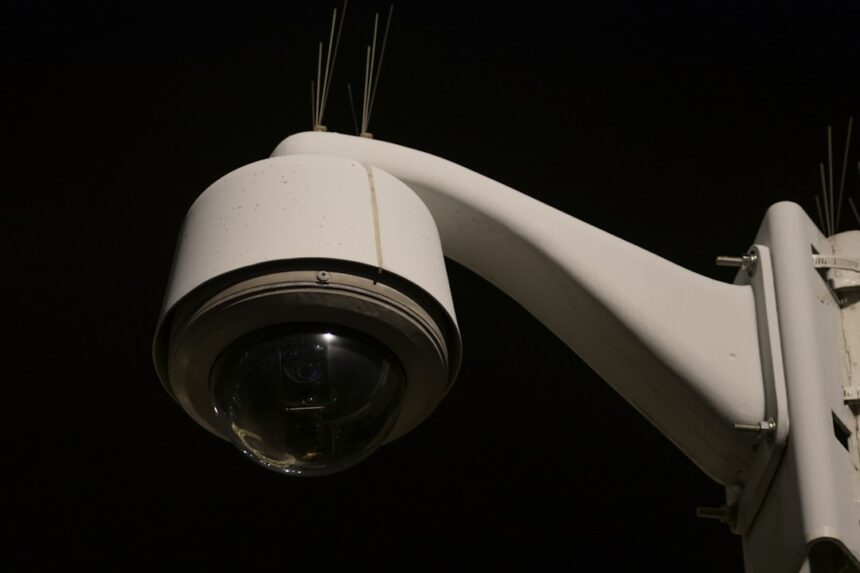
Government espionage, the clandestine gathering of information by state actors, presents a complex and ever-evolving threat to the privacy, security, and democratic processes of individuals and nations. This practice, deeply rooted in history, has been amplified by technological advancements, transforming from the realm of shadowy operatives with coded messages to sophisticated digital surveillance encompassing vast swathes of communication and data. Understanding the multifaceted nature of this threat necessitates a deep dive into its motivations, methods, implications, and the countermeasures employed to mitigate its impact.
The desire to know an adversary’s intentions or capabilities is as old as conflict itself. Early forms of espionage involved human intelligence—spies infiltrating enemy ranks, bribing informants, or intercepting physical communications. The advent of new technologies, however, has profoundly reshaped the landscape of government surveillance.
The Dawn of Technological Espionage
The early 20th century witnessed the emergence of signals intelligence (SIGINT), the interception and analysis of electronic communications. Radio intercepts, telegraph tapping, and later, the decoding of encrypted messages became crucial tools for wartime advantage and diplomatic maneuvering. The Second World War, in particular, saw a massive acceleration in SIGINT capabilities, with breakthroughs like the cracking of the Enigma code at Bletchley Park demonstrating its strategic importance.
The Digital Revolution: A New Frontier
The digital age has ushered in an unprecedented era of data generation and connectivity. Every online interaction, every transaction, every digitally stored piece of information – from emails and social media posts to financial records and health data – represents a potential trove for intelligence agencies. The sheer volume and granular detail of this data allow for micro-level surveillance, moving beyond simply intercepting conversations to mapping relationships, predicting behaviors, and even influencing public opinion.
The Snowden Revelations: A Paradigm Shift
The revelations by Edward Snowden in 2013 acted as a global earthquake, exposing the vast extent of digital surveillance programs conducted by intelligence agencies such as the U.S. National Security Agency (NSA) and its international partners. These revelations illuminated the existence of mass surveillance programs that collected metadata on billions of phone calls, intercepted internet traffic through partnerships with telecommunications companies, and utilized sophisticated tools to infiltrate computer systems. This event forced a global reckoning with the trade-offs between national security and individual privacy.
Government espionage has long been a topic of intrigue and concern, as nations engage in covert operations to gather intelligence on each other. A related article that delves deeper into the implications and methodologies of such activities can be found at In The War Room. This piece explores the historical context of espionage, the technologies involved, and the ethical dilemmas faced by governments in their pursuit of national security.
Motivations Behind Government Espionage
The rationale for government espionage is multifaceted, ranging from traditional national security concerns to more contemporary interests in economic advantage and political control. Understanding these motivations is crucial to appreciating the pervasiveness of the threat.
National Security Imperatives
The primary justification for government espionage has historically been the protection of national security. This includes:
Counter-Terrorism Efforts
Intelligence agencies are tasked with identifying and thwarting terrorist plots before they can materialize. This often involves monitoring communications of suspected individuals and groups, tracking their movements, and disrupting their networks. The argument is that without sufficient surveillance capabilities, intelligence agencies would be operating blind, leaving populations vulnerable to attack.
Foreign Intelligence Gathering
States engage in espionage to understand the intentions, military capabilities, and economic policies of other nations. This information is vital for diplomatic negotiations, strategic planning, and maintaining a balance of power in the international arena. It is akin to a chess player constantly observing their opponent’s pieces and anticipating their next moves.
Cyber Warfare and Defense
In an interconnected world, cyber threats are as real as physical ones. Governments employ espionage to understand the capabilities and tactics of potential adversaries in cyberspace, as well as to defend their own critical infrastructure from cyberattacks. Proactive intelligence gathering in this domain is seen as a crucial component of national defense.
Economic and Industrial Advantage
Beyond traditional security concerns, espionage is increasingly employed to gain economic and industrial advantages.
Intellectual Property Theft
Competitor nations may seek to acquire proprietary technologies, trade secrets, and research and development data from other countries. This can provide their own industries with a significant competitive edge, eroding the innovation and economic productivity of the targeted nation. It’s a race to the marketplace, and for some, espionage is seen as a shortcut to the finish line.
Market Intelligence
Understanding the economic plans and strategies of other nations can inform domestic policy and investment decisions. This can involve gathering information on trade agreements, financial markets, and resource development plans.
Political and Social Control
In some contexts, espionage can be used to maintain political power and suppress dissent.
Monitoring Political Opposition
Intelligence agencies may be used to surveil journalists, activists, and political opponents, gathering information that can be used to discredit, intimidate, or prosecute them. This practice undermines democratic freedoms and the right to free expression.
Influencing Public Opinion
Sophisticated surveillance capabilities can be used to understand public sentiment and deploy targeted disinformation campaigns to manipulate public opinion and influence electoral outcomes. This represents a direct assault on the integrity of democratic processes.
Methods and Technologies Employed

The toolkit of government espionage is diverse and constantly evolving, leveraging both human ingenuity and cutting-edge technology. The effectiveness of these methods often lies in their ability to operate both overtly and covertly, often blurring the lines between legitimate data collection and intrusive surveillance.
Signals Intelligence (SIGINT)
SIGINT remains a cornerstone of government espionage, encompassing the interception and analysis of electronic signals.
Communications Interception (COMINT)
This involves tapping phone lines, intercepting emails, listening to digital voice communications, and capturing data transmitted wirelessly. Advanced decryption techniques are crucial for making sense of protected communications.
Electronic Intelligence (ELINT)
ELINT focuses on the interception and analysis of non-communications electronic signals, such as those emitted by radar systems, weapon systems, and other military or civilian electronic devices. This provides insights into the capabilities and operations of adversaries.
Foreign Instrumentation Signals (FISINT)
FISINT involves monitoring signals from foreign telemetry, tracking, and command and control systems, particularly those associated with missile tests and other advanced technological developments.
Human Intelligence (HUMINT)
Despite the rise of technology, human sources remain invaluable.
Agents and Informants
Recruiting individuals within target organizations or governments to provide inside information is a classic HUMINT tactic. These agents can gain access to sensitive documents and offer firsthand accounts of internal decisions and operations.
Defectors and Asylum Seekers
Individuals fleeing their home countries may possess valuable intelligence regarding their former governments’ actions and intentions.
Diplomatic and Covert Operations
Traditional diplomatic channels can provide cover for intelligence gathering, while more covert operations might involve clandestine meetings and information exchanges.
Open-Source Intelligence (OSINT)
The increasing digitization of information has made publicly available sources a rich area for intelligence gathering.
Social Media Analysis
Monitoring social media platforms can reveal public sentiment, identify influential figures, and track the activities of individuals and groups.
Publicly Available Databases and Publications
Information found in academic journals, news articles, government reports, and corporate filings can provide significant insights into a nation’s capabilities and plans.
Cyber Espionage Techniques
The digital realm offers a vast array of sophisticated intrusive methods.
Hacking and Malware Deployment
Gaining unauthorized access to computer systems through hacking or deploying malicious software (malware) allows for the exfiltration of data, installation of surveillance tools, and disruption of operations.
Exploiting Software Vulnerabilities
Intelligence agencies often seek out and exploit zero-day vulnerabilities in software and hardware to gain access to targeted systems.
Network Intrusion and Lateral Movement
Once inside a network, sophisticated actors can move laterally to access different systems and gather further intelligence without detection.
Data Mining and Big Data Analysis
The sheer volume of data collected necessitates advanced analytical tools to identify patterns, connections, and anomalies that might indicate hostile activity or valuable intelligence. These tools can sift through mountains of information, like a prospector panning for gold in a river.
Geo-spatial Intelligence (GEOINT)
The collection and analysis of imagery and geospatial information.
Satellite Imagery
High-resolution satellite imagery provides real-time views of military installations, infrastructure projects, and troop movements.
Aerial Photography
Aircraft-mounted cameras can be used for detailed surveillance of specific areas.
Implications for Privacy and Civil Liberties
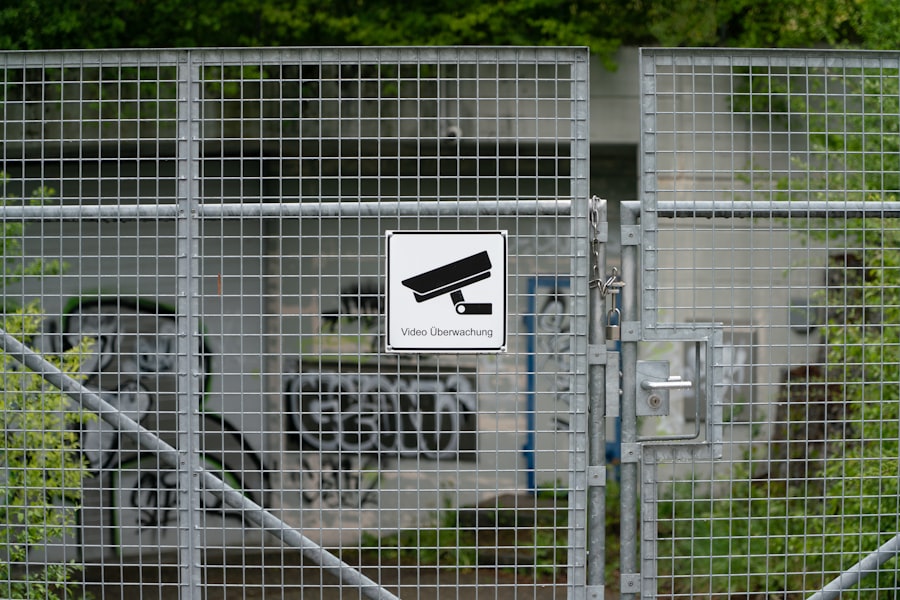
The pervasive nature of government espionage poses a significant threat to fundamental rights and freedoms. The erosion of privacy can have a chilling effect on expression and association, and the potential for misuse of collected information can undermine democratic accountability.
The Erosion of Privacy as a Fundamental Right
Privacy is not merely about secrecy; it is about autonomy, control over one’s personal information, and the freedom to develop one’s thoughts and beliefs without constant scrutiny. When governments possess the ability to monitor virtually every aspect of an individual’s digital life, this fundamental right is significantly compromised. It’s like living in a house with no curtains, where every action is potentially observable.
The Chilling Effect on Free Speech and Association
Knowledge of constant surveillance can deter individuals from expressing dissenting opinions, engaging in activism, or associating with like-minded individuals for fear of reprisal. This chilling effect stifles public discourse and weakens the foundations of a democratic society. The fear of being “on a list” can silence voices that need to be heard.
Discrimination and Profiling
The data collected through espionage can be used to create profiles of individuals based on their beliefs, associations, or behavior. This information can be used to discriminate against certain groups, deny them opportunities, or subject them to heightened scrutiny, even in the absence of any wrongdoing.
Misuse of Information and Political Manipulation
The potential for misuse of collected intelligence is significant. Information gathered for national security purposes could be leveraged for personal or political gain, to silence critics, or to manipulate public opinion. The history of intelligence agencies operating with limited oversight is rife with examples of such abuses.
The Impact on Journalism and Whistleblowing
Journalists rely on confidential sources to investigate and report on matters of public interest. The fear that intelligence agencies can easily identify and expose these sources can make investigative journalism significantly more dangerous and less effective. Similarly, whistleblowers who expose wrongdoing within governments or corporations face immense risks.
Government espionage has long been a topic of intrigue and concern, especially as technology continues to evolve. Recent discussions surrounding the implications of surveillance and data collection have highlighted the delicate balance between national security and individual privacy. For a deeper understanding of the complexities involved, you can explore a related article that delves into the historical context and modern challenges of espionage practices. This insightful piece can be found here.
Countermeasures and Safeguards
| Country | Known Espionage Agencies | Reported Espionage Incidents (Last 5 Years) | Primary Targets | Estimated Annual Budget (in billions) |
|---|---|---|---|---|
| United States | CIA, NSA, FBI | 120+ | Foreign governments, corporations, cyber threats | 80 |
| Russia | SVR, FSB, GRU | 90+ | Political opponents, foreign governments, military secrets | 50 |
| China | MSS, PLA Unit 61398 | 150+ | Technology, trade secrets, government data | 60 |
| United Kingdom | MI6, GCHQ | 40+ | Counterterrorism, foreign intelligence | 15 |
| Israel | Mossad, Shin Bet | 30+ | Regional threats, terrorism, technology | 10 |
In response to the threat of government espionage, a range of countermeasures and safeguards have been developed and implemented, although their effectiveness can vary.
Legal and Regulatory Frameworks
Laws and regulations are crucial in defining the boundaries of government surveillance and ensuring accountability.
Data Protection Laws
Legislation like the General Data Protection Regulation (GDPR) in Europe aims to give individuals more control over their personal data and sets strict rules for how it can be collected, processed, and stored by both public and private entities.
Oversight Mechanisms
Independent bodies, such as parliamentary committees or judicial review boards, are established to oversee the activities of intelligence agencies, ensuring that surveillance is conducted lawfully and proportionately.
Warrants and Judicial Authorization
In many democratic nations, obtaining a warrant from an independent judiciary is required before conducting intrusive surveillance on individuals, providing a legal check on executive power.
Technological Defenses
Individuals and organizations can also employ technological solutions to protect themselves.
Encryption
End-to-end encryption for communications, secure file storage, and virtual private networks (VPNs) can make it significantly harder for unauthorized parties to access sensitive information.
Anonymity Tools and Privacy-Enhancing Technologies
Tools like Tor (The Onion Router) and decentralized communication platforms aim to obscure user identity and location, making online tracking more difficult.
Cybersecurity Best Practices
Implementing robust cybersecurity measures, such as strong passwords, regular software updates, and two-factor authentication, can help prevent unauthorized access to systems and data.
Public Awareness and Advocacy
Informed citizens are crucial in holding governments accountable.
Whistleblower Protections
Strong legal protections for whistleblowers are essential to encourage the reporting of government misconduct without fear of retribution.
Civil Liberties Advocacy Groups
Organizations dedicated to protecting civil liberties play a vital role in advocating for stronger privacy protections and challenging overly broad surveillance programs.
International Cooperation and Treaties
Addressing global espionage requires international cooperation to establish norms and agreements that govern state behavior in cyberspace and information gathering.
The Ongoing Challenge: Balancing Security and Liberty
The threat of government espionage is not a static phenomenon; it is a dynamic and evolving challenge that will continue to shape the relationship between the state and its citizens. The ease with which digital information can be collected, analyzed, and disseminated means that the potential for surveillance will only grow. The central question remains: how can governments effectively protect their citizens from genuine threats without undermining the very freedoms they are sworn to uphold?
The Constant Arms Race
As technological capabilities for surveillance expand, so too do the methods and tools to circumvent it. This creates an ongoing arms race between intelligence agencies and those seeking to maintain their privacy. Innovations in encryption, anonymization, and decentralized technologies will continue to push the boundaries, prompting intelligence agencies to develop new methods.
The Globalization of Surveillance
The interconnectedness of the internet means that surveillance capabilities are not confined by national borders. Intelligence sharing agreements between countries can amplify the reach of surveillance programs, raising concerns about extraterritorial reach and the erosion of privacy for citizens of countries whose governments may not have such extensive capabilities.
The Future of Digital Privacy
The future of digital privacy will depend on a delicate balancing act. It will require a commitment to robust legal frameworks, independent oversight, and ongoing public discourse about the appropriate limits of government power in the digital age. The choices made today regarding data governance, online freedoms, and intelligence oversight will have profound and lasting consequences for the nature of society and the rights of individuals. The constant vigilance of citizens and civil society will be paramount in ensuring that the tools of security do not become instruments of oppression.
FAQs
What is government espionage?
Government espionage refers to the practice of governments secretly gathering information about other countries, organizations, or individuals to gain a strategic, political, or military advantage.
Which agencies are typically involved in government espionage?
Government espionage is usually conducted by intelligence agencies such as the CIA (United States), MI6 (United Kingdom), FSB (Russia), and MSS (China), among others.
What methods are commonly used in government espionage?
Common methods include electronic surveillance, cyber hacking, human intelligence (spies), intercepting communications, and covert operations.
Is government espionage legal?
The legality of government espionage varies by country and context. While it is often considered a necessary part of national security, it can violate international laws and treaties, especially when conducted against allied nations.
How does government espionage impact international relations?
Espionage can lead to diplomatic tensions, mistrust, and conflicts between countries if discovered. However, it is also a longstanding practice that many governments accept as part of international politics.