
In the annals of Greek mythology, few deities command as much respect and fear as Poseidon, the god of the sea. Revered as the ruler of oceans and waters, Poseidon embodies both the beauty and terror of the natural world. His dominion extends beyond mere waves and tides; he is also associated with earthquakes and horses, symbolizing his multifaceted influence over nature.
The ancient Greeks understood Poseidon not just as a figure of worship but as a powerful force that could bring both bountiful harvests from the sea and devastating storms that could obliterate entire fleets. This duality of Poseidon’s character serves as a reminder of humanity’s vulnerability in the face of nature’s might. Poseidon’s power is not merely a relic of ancient tales; it resonates with contemporary concerns about environmental changes and natural disasters.
As climate change intensifies, the metaphorical “wrath” of Poseidon becomes increasingly relevant. Rising sea levels, more frequent and severe storms, and unpredictable oceanic behavior all echo the capricious nature attributed to this ancient god. In this context, understanding Poseidon’s power transcends mythology, becoming a lens through which to examine humanity’s relationship with the natural world and the consequences of its actions.
Key Takeaways
- Poseidon’s power has been a subject of fascination and concern throughout history.
- In Greek mythology, Poseidon is a powerful and unpredictable deity with control over the seas and earthquakes.
- The Pentagon is concerned about Poseidon’s power due to its potential to disrupt naval operations and global trade.
- Poseidon’s wrath poses a significant threat to naval operations, including ships, submarines, and maritime infrastructure.
- Poseidon’s power has the potential to disrupt global trade and impact climate change, requiring collaborative efforts to address the challenges it presents.
Poseidon’s Influence in Greek Mythology
Poseidon’s influence permeates various aspects of Greek mythology, where he is often depicted as a formidable figure wielding a trident, capable of stirring the seas and causing earthquakes with a mere flick of his wrist. His relationships with other gods and mortals further illustrate his significance in mythological narratives. For instance, Poseidon was known for his rivalry with Athena over the patronage of Athens, a contest that showcased not only his power but also his desire for recognition and respect among the pantheon of deities.
This rivalry highlights the competitive nature of divine relationships in Greek mythology, where power struggles often lead to significant consequences for humanity. Moreover, Poseidon’s role as a protector of sailors and fishermen underscores his dual nature as both a benefactor and a potential adversary. While he could grant safe passage and bountiful catches, he was equally capable of unleashing storms that could sink ships and drown sailors.
This ambivalence reflects humanity’s complex relationship with nature—one that is characterized by both reverence and fear. The stories surrounding Poseidon serve as cautionary tales, reminding mortals of their place in the grand scheme of existence and the need to respect the forces that govern their lives.
The Pentagon’s Concerns about Poseidon
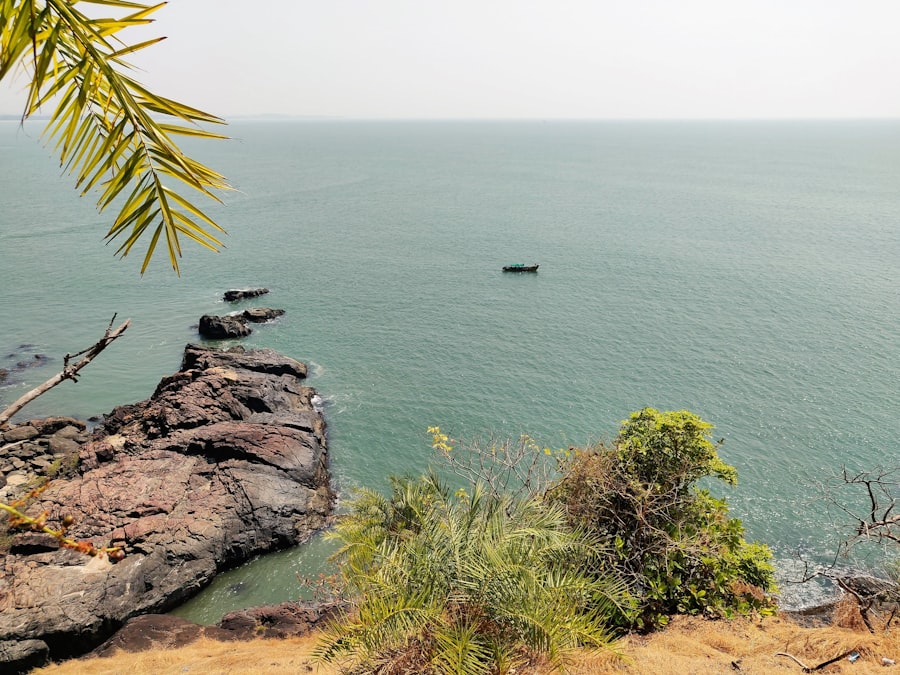
In modern times, the metaphorical implications of Poseidon’s power have captured the attention of military strategists, particularly within institutions like the Pentagon. As climate change continues to reshape global landscapes, concerns about rising sea levels and extreme weather events have prompted military leaders to consider how these changes could impact national security. The Pentagon recognizes that Poseidon’s wrath—symbolizing the unpredictable nature of the oceans—poses significant challenges for naval operations and coastal security.
For instance, melting ice in the Arctic opens new shipping routes but also raises concerns about territorial disputes among nations vying for access to these newly navigable waters. The Pentagon’s strategic assessments increasingly incorporate environmental factors, acknowledging that Poseidon’s power can disrupt traditional military operations and necessitate new approaches to defense planning.
The Threat of Poseidon’s Wrath on Naval Operations
| Naval Operations | Threat of Poseidon’s Wrath |
|---|---|
| Ship Damage | Increased risk of ship damage due to rough seas and storms |
| Navigation Disruption | Poseidon’s wrath can disrupt navigation systems and communication |
| Personnel Safety | Higher risk to the safety of naval personnel during Poseidon’s wrath |
| Operational Delays | Delays in naval operations due to adverse weather conditions |
The threat posed by Poseidon’s wrath is particularly pronounced in naval operations, where unpredictable weather patterns and rising sea levels can have dire consequences for maritime activities. Naval fleets rely on stable conditions for safe navigation, training exercises, and logistical support. However, as climate change leads to more frequent storms and rough seas, the operational readiness of naval forces may be compromised.
The unpredictability associated with Poseidon’s domain can hinder mission planning and execution, forcing military leaders to adapt to an ever-changing environment. Furthermore, the implications extend beyond immediate operational challenges. The potential for increased maritime conflict arises when nations are forced to compete for dwindling resources or access to strategic waterways affected by climate change.
The need for adaptability in naval operations underscores the importance of understanding and respecting the power attributed to Poseidon.
The Impact of Poseidon’s Power on Climate Change
Poseidon’s power serves as a poignant metaphor for the broader implications of climate change on global ecosystems. Rising sea levels, driven by melting ice caps and thermal expansion, threaten coastal communities worldwide. The very essence of Poseidon—his dominion over water—becomes a symbol of both beauty and destruction as communities grapple with flooding, erosion, and habitat loss.
The impact on marine life is equally profound; changing ocean temperatures disrupt ecosystems, leading to shifts in species distribution and threatening biodiversity. Moreover, Poseidon’s influence extends beyond immediate environmental concerns; it also raises questions about humanity’s responsibility toward the planet. As societies confront the consequences of climate change, they must reckon with their historical relationship with nature—a relationship often characterized by exploitation rather than stewardship.
The stories surrounding Poseidon remind humanity that neglecting the balance of nature can lead to catastrophic outcomes, urging a reevaluation of practices that contribute to environmental degradation.
The Potential for Poseidon’s Power to Disrupt Global Trade
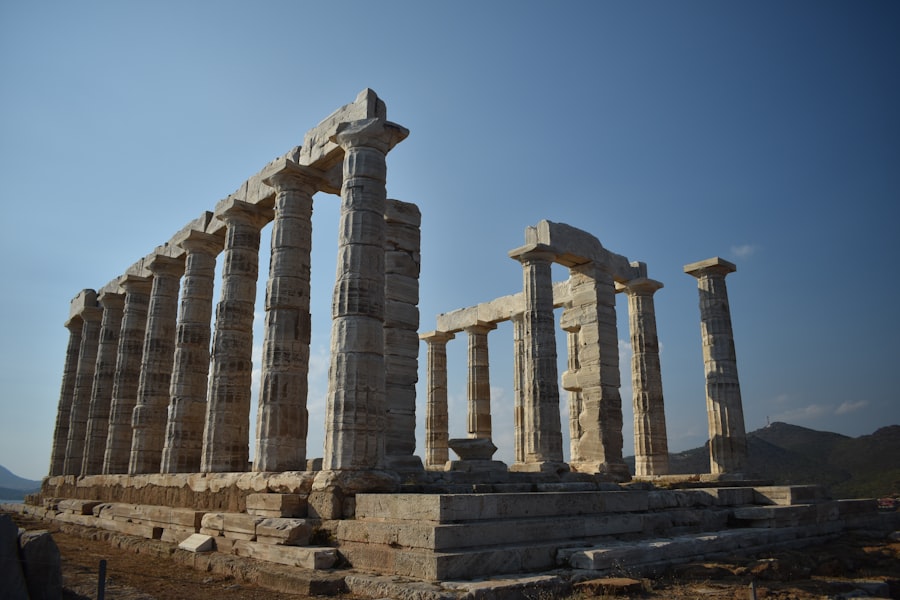
The metaphorical power of Poseidon also has significant implications for global trade, particularly as maritime routes become increasingly vulnerable to climate-related disruptions. Shipping lanes are essential for international commerce, facilitating the movement of goods across vast distances. However, as storms become more frequent and sea levels rise, these routes face heightened risks that could lead to delays, increased costs, and even loss of cargo.
The unpredictability associated with Poseidon’s domain poses challenges for businesses reliant on timely deliveries. Additionally, disruptions in global trade can have cascading effects on economies worldwide. Countries that depend on imports or exports may find themselves grappling with shortages or inflated prices due to shipping delays caused by adverse weather conditions or damaged infrastructure.
As nations navigate these challenges, they must consider how best to adapt their supply chains to mitigate the risks posed by Poseidon’s power. This adaptation may involve investing in resilient infrastructure or exploring alternative transportation methods that can withstand the whims of nature.
Strategies for Mitigating the Threat of Poseidon’s Power
To address the multifaceted threats posed by Poseidon’s power, governments and organizations must adopt comprehensive strategies aimed at mitigating risks associated with climate change and its impact on maritime activities. One approach involves investing in resilient infrastructure designed to withstand extreme weather events and rising sea levels. Coastal cities can implement adaptive measures such as seawalls, flood barriers, and improved drainage systems to protect against flooding while preserving vital ecosystems.
In addition to infrastructure improvements, fostering international cooperation is essential for addressing shared challenges related to climate change. Collaborative efforts among nations can lead to more effective responses to natural disasters exacerbated by environmental changes. By sharing resources, knowledge, and best practices, countries can enhance their collective resilience against Poseidon’s wrath while promoting sustainable practices that honor the delicate balance between humanity and nature.
The Role of Technology in Monitoring and Predicting Poseidon’s Actions
Advancements in technology play a crucial role in monitoring and predicting the actions attributed to Poseidon’s power. Satellite imagery, oceanographic sensors, and predictive modeling tools enable scientists to gather data on ocean conditions, weather patterns, and climate trends. This information is invaluable for understanding how changes in Poseidon’s domain may impact coastal communities, marine ecosystems, and global trade routes.
Moreover, technology facilitates real-time monitoring of maritime conditions, allowing naval forces to adapt their operations based on current weather forecasts and oceanic behavior. By harnessing data analytics and artificial intelligence, military strategists can make informed decisions that enhance operational readiness while minimizing risks associated with unpredictable environmental factors. In this way, technology serves as a vital ally in navigating the complexities posed by Poseidon’s power.
Collaborative Efforts to Address Poseidon’s Power
Addressing the challenges posed by Poseidon’s power requires collaborative efforts across various sectors—governmental agencies, private industries, scientific communities, and non-profit organizations must work together to develop comprehensive solutions. International agreements focused on climate action can foster cooperation among nations while promoting sustainable practices that mitigate environmental degradation. Additionally, public awareness campaigns can educate communities about the importance of respecting natural forces like those embodied by Poseidon.
By fostering a culture of stewardship toward the environment, societies can cultivate resilience against climate-related challenges while honoring the lessons imparted by ancient myths. Collaborative initiatives that prioritize sustainability not only address immediate threats but also pave the way for a more harmonious relationship between humanity and nature.
The Ethical and Environmental Implications of Harnessing Poseidon’s Power
As societies grapple with the implications of climate change and its effects on global ecosystems, ethical considerations arise regarding humanity’s attempts to harness Poseidon’s power for energy production or resource extraction. While renewable energy sources such as tidal or wave energy offer promising alternatives to fossil fuels, they also raise questions about potential ecological impacts on marine life and coastal habitats. Balancing technological advancement with environmental stewardship requires careful consideration of ethical implications surrounding resource extraction from oceans—actions that may disrupt delicate ecosystems or infringe upon indigenous rights.
Engaging diverse stakeholders in decision-making processes ensures that multiple perspectives are considered when evaluating projects aimed at harnessing Poseidon’s power while safeguarding marine environments.
Navigating the Perils of Poseidon’s Power
In conclusion, navigating the perils associated with Poseidon’s power necessitates a multifaceted approach that encompasses understanding its historical significance in mythology while addressing contemporary challenges posed by climate change and environmental degradation. As societies confront rising sea levels, extreme weather events, and disruptions in global trade routes—all manifestations of Poseidon’s influence—they must adopt strategies rooted in resilience and collaboration. By leveraging technology for monitoring and prediction while fostering international cooperation among nations, humanity can better prepare for the uncertainties ahead.
Ultimately, recognizing both the beauty and terror embodied by Poseidon serves as a reminder that respect for nature is paramount in ensuring a sustainable future—a future where humanity learns to coexist harmoniously with the powerful forces that govern our world.
Poseidon, the underwater drone developed by Russia, has raised significant concerns within the Pentagon due to its potential to deliver nuclear payloads undetected. This advanced technology poses a unique threat to national security, as it could bypass traditional defense systems. For a deeper understanding of the implications of such military advancements, you can read more in the article available at this link.
WATCH THIS! The Secret Russian Weapon That Terrifies NATO
FAQs
What is Poseidon?
Poseidon is a nuclear-powered and nuclear-armed unmanned underwater vehicle (UUV) developed by Russia. It is designed to be a long-range, high-speed, and deep-diving UUV capable of carrying a nuclear warhead.
Why does Poseidon terrify the Pentagon?
The Pentagon is concerned about Poseidon because it represents a new and potentially game-changing threat to U.S. national security. Poseidon’s ability to travel long distances at high speeds and carry a nuclear warhead makes it a formidable weapon that could potentially bypass traditional missile defense systems.
How does Poseidon differ from traditional nuclear weapons?
Poseidon is unique in that it is a UUV, meaning it operates underwater and is not subject to the same detection and interception capabilities as traditional ballistic missiles. This makes it a more elusive and potentially devastating weapon.
What are the potential implications of Poseidon for global security?
The development and deployment of Poseidon could lead to a new arms race and increased tensions between nuclear powers. Its capabilities could also challenge existing arms control agreements and force a reevaluation of current defense strategies.
What is the current status of Poseidon’s development and deployment?
As of the writing of this article, Poseidon is still in the testing and development phase. However, Russia has indicated its intention to deploy the weapon in the near future, which has raised concerns among U.S. defense officials.