The Iran-Iraq War began in September 1980, arising from multiple interconnected factors including territorial disputes, political tensions, and sectarian differences. Following the 1979 Iranian Revolution that removed Shah Mohammad Reza Pahlavi and established an Islamic Republic under Ayatollah Ruhollah Khomeini, Iraq’s President Saddam Hussein became concerned about potential revolutionary influence on Iraq’s Shiite population, which comprised approximately 60% of the country’s demographic. A primary territorial dispute centered on the Shatt al-Arab waterway, formed by the confluence of the Tigris and Euphrates rivers, which serves as a crucial shipping route for petroleum exports from both nations.
Religious and political ideologies further intensified the conflict. Iran’s new Shiite theocratic government contrasted sharply with Iraq’s secular Ba’athist party, which maintained Sunni leadership despite governing a majority Shiite population. The Iranian government actively promoted Islamic revolution throughout the region, directly challenging Iraq’s secular nationalist ideology.
These competing interests, combined with unresolved border demarcation issues dating to earlier agreements, created conditions that led to eight years of warfare from 1980 to 1988.
Key Takeaways
- The Iran-Iraq conflict originated from deep-seated political and territorial disputes, escalating into a prolonged war.
- Tankers played a crucial role as strategic targets, leading to the intense and destructive Tanker War phase.
- International actors became involved, influencing the conflict’s dynamics and prompting global responses.
- The Tanker War significantly disrupted global oil markets, causing economic and geopolitical ripple effects.
- The conflict left a lasting legacy on maritime warfare tactics and modern geopolitical relations.
The Role of Tankers in the Conflict
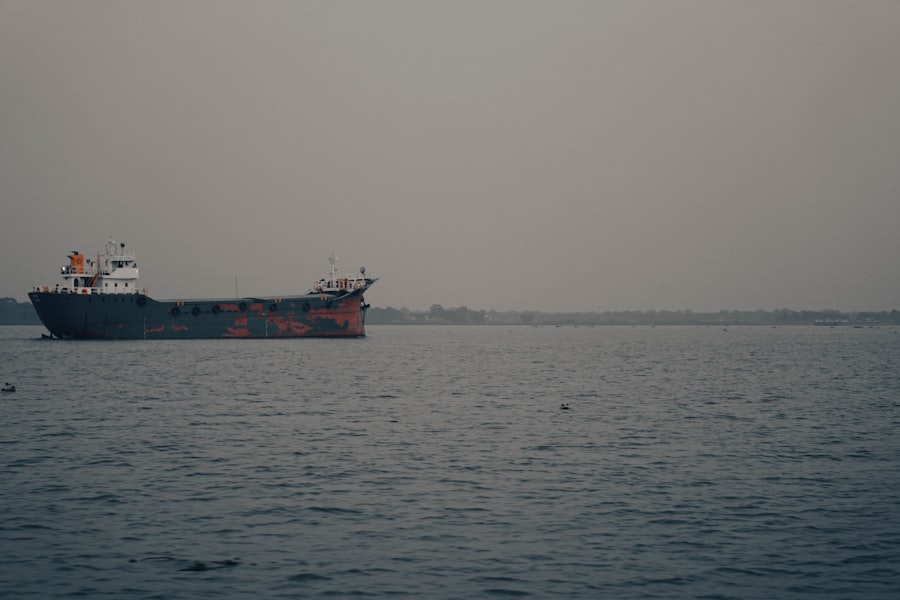
As the Iran-Iraq War progressed, the significance of oil tankers became increasingly pronounced. Both nations relied heavily on oil exports to finance their military efforts and sustain their economies. The Persian Gulf, with its strategic shipping lanes, became a battleground for control over these vital resources.
Tankers, which transported crude oil from the Gulf to global markets, were not only economic lifelines but also symbols of national pride and power. The conflict saw both Iran and Iraq targeting each other’s oil infrastructure and shipping routes. Iran employed tactics such as mining the waters and launching missile strikes against Iraqi tankers, while Iraq retaliated by attacking Iranian vessels.
This tit-for-tat strategy aimed to disrupt the enemy’s oil exports and cripple their economies. The stakes were high, as control over oil supplies could determine the outcome of the war and influence global energy markets.
Escalation of the Tanker War
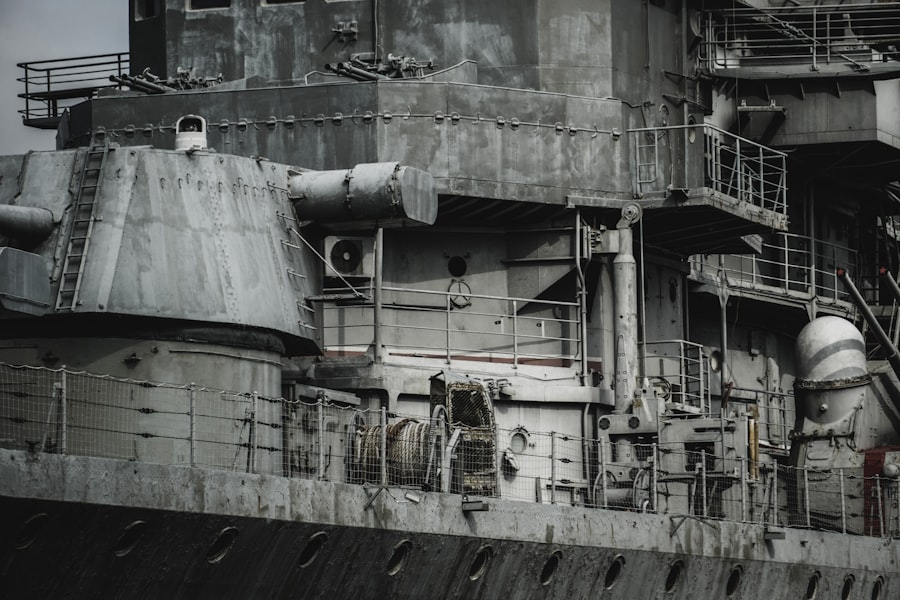
The so-called “Tanker War” officially began in 1984 when both Iran and Iraq escalated their attacks on each other’s maritime assets. This phase of the conflict marked a significant shift in tactics, as both nations recognized that disrupting oil exports could have far-reaching consequences beyond their borders. The attacks on tankers intensified, with both sides employing a range of military assets, including aircraft and submarines, to target vessels in the Gulf.
The escalation of hostilities led to a dramatic increase in insurance rates for shipping companies operating in the region. Many international firms began to withdraw from the Gulf, fearing for their safety and financial stability. As a result, oil prices surged due to supply concerns, further complicating an already volatile situation.
The Tanker War not only affected the immediate participants but also reverberated throughout global markets, highlighting the interconnectedness of regional conflicts and international economies.
International Involvement and Response
The international community’s response to the Tanker War was multifaceted and often contradictory. On one hand, Western nations, particularly the United States, sought to protect their interests in the region by ensuring the free flow of oil. The U.S. provided support to Iraq through intelligence sharing and military assistance, viewing Saddam Hussein as a bulwark against Iranian expansionism. Conversely, Iran received backing from various groups and nations sympathetic to its revolutionary cause. The United Nations attempted to mediate between the warring parties but faced significant challenges due to the entrenched positions of both Iran and Iraq. In 1987, the UN Security Council passed Resolution 598, calling for a ceasefire and negotiations to end hostilities. However, it took another year before both sides agreed to a truce, highlighting the difficulty of achieving peace in such a deeply polarized conflict.
Impact on Global Oil Markets
| Year | Number of Attacks on Tankers | Major Incidents | Countries Involved | Estimated Oil Tanker Losses | Impact on Global Oil Supply |
|---|---|---|---|---|---|
| 1984 | 15 | First major attacks on oil tankers in the Persian Gulf | Iran, Iraq, Kuwait, Saudi Arabia | 3 tankers damaged or sunk | Minimal disruption, increased insurance costs |
| 1985 | 30 | Escalation of attacks, including mining and missile strikes | Iran, Iraq, Kuwait, UAE | 7 tankers damaged or sunk | Moderate disruption, rerouting of shipping lanes |
| 1986 | 45 | Operation Earnest Will begins, US escorts Kuwaiti tankers | Iran, Iraq, USA, Kuwait | 10 tankers damaged or sunk | Significant disruption, increased naval presence |
| 1987 | 60 | US-Iran naval clashes, including USS Stark incident | Iran, Iraq, USA | 12 tankers damaged or sunk | High disruption, spike in oil prices |
| 1988 | 25 | Ceasefire between Iran and Iraq, reduction in attacks | Iran, Iraq | 5 tankers damaged or sunk | Decreasing disruption, gradual normalization |
The Tanker War had profound implications for global oil markets during its duration. As attacks on tankers escalated, fears of supply disruptions led to significant fluctuations in oil prices. The uncertainty surrounding the security of shipping routes in the Persian Gulf prompted many countries to seek alternative energy sources or increase their strategic reserves.
This shift underscored the vulnerability of global energy supplies to regional conflicts. Moreover, the war highlighted the geopolitical significance of oil as a strategic resource. Nations around the world began to recognize that stability in the Middle East was crucial not only for regional security but also for maintaining global economic stability.
The Tanker War served as a stark reminder of how localized conflicts could have far-reaching consequences for international trade and energy security.
The Human Cost of the Tanker War
While much attention has been focused on the economic ramifications of the Tanker War, its human cost was staggering. Thousands of lives were lost as both nations engaged in brutal military confrontations at sea and on land. Civilians were not spared from the violence; many were caught in the crossfire or targeted directly as part of military strategies aimed at demoralizing the enemy.
The psychological toll on those living in proximity to the conflict was immense. Families were torn apart as soldiers were conscripted into service or killed in action. The war also led to widespread displacement as communities fled from areas deemed too dangerous due to ongoing hostilities.
The long-term effects of this human suffering would resonate for generations, leaving scars that would shape both Iranian and Iraqi societies long after the cessation of hostilities.
The Legacy of the Tanker War
The legacy of the Tanker War is multifaceted and continues to influence regional dynamics today. The conflict solidified Iraq’s position as a key player in Middle Eastern geopolitics while simultaneously establishing Iran as a formidable force with aspirations for regional hegemony. The war also set a precedent for future conflicts in which maritime assets would be targeted as part of broader military strategies.
In addition to shaping military tactics, the Tanker War left an indelible mark on international relations in the region. The alliances formed during this period would have lasting implications for subsequent conflicts, including those involving U.
intervention in Iraq and ongoing tensions between Iran and its neighbors.
The lessons learned from this conflict continue to inform contemporary discussions about security and stability in the Persian Gulf.
Lessons Learned from the Conflict
The Tanker War provided several critical lessons for military strategists and policymakers alike. One key takeaway was the importance of securing maritime routes during conflicts that involve vital resources like oil. The attacks on tankers underscored how vulnerable shipping lanes could be to military action and how quickly global markets could react to perceived threats.
Furthermore, the conflict highlighted the need for international cooperation in addressing regional disputes that have global implications. The failure of diplomatic efforts during the Tanker War serves as a cautionary tale about the consequences of neglecting dialogue in favor of military solutions. As nations continue to grapple with similar challenges today, these lessons remain relevant in shaping responses to contemporary conflicts.
The Evolution of Maritime Warfare
The Tanker War marked a significant evolution in maritime warfare tactics that would influence naval strategies for years to come. The use of asymmetric warfare techniques—where smaller forces engage larger ones through unconventional means—became more pronounced during this period. Both Iran and Iraq demonstrated that naval power could be effectively countered through guerrilla tactics and targeted strikes against vulnerable assets.
This evolution has continued into modern times, with non-state actors also adopting similar strategies in maritime contexts. The rise of piracy and terrorism at sea can be traced back to lessons learned during conflicts like the Tanker War, where traditional naval engagements gave way to more unpredictable forms of warfare that challenge conventional military responses.
The Tanker War’s Influence on Modern Geopolitics
The geopolitical landscape shaped by the Tanker War continues to resonate today as nations navigate complex relationships influenced by historical grievances and resource competition. The conflict laid bare the vulnerabilities inherent in relying on oil exports for economic stability, prompting many countries to diversify their energy sources and seek greater energy independence. Moreover, ongoing tensions between Iran and its neighbors can be traced back to this period of conflict.
The legacy of mistrust and rivalry established during the Tanker War has contributed to contemporary geopolitical dynamics in the Middle East, influencing everything from nuclear negotiations to proxy wars across the region.
Remembering the Tanker War: Commemorating the Conflict’s 30th Anniversary
As nations reflect on the 30th anniversary of the end of the Tanker War, it is essential to remember not only its historical significance but also its enduring impact on contemporary society. Commemorative events can serve as opportunities for dialogue about peacebuilding and reconciliation between Iran and Iraq while acknowledging the profound human cost incurred during this tumultuous period. These commemorations can also foster greater awareness about maritime security issues that persist today, encouraging discussions about how nations can work together to prevent similar conflicts from arising in an increasingly interconnected world.
By remembering the lessons learned from the Tanker War, policymakers can strive toward a more peaceful future while honoring those who suffered during this dark chapter in history.
The Tanker War, which took place between Iran and Iraq from 1984 to 1988, was a significant maritime conflict that saw both nations targeting each other’s oil tankers in an effort to cripple their economies. For a deeper understanding of the geopolitical implications and the broader context of this conflict, you can read more in the article available at In the War Room. This resource provides valuable insights into the strategies employed during the Tanker War and its lasting effects on regional stability.
FAQs
What was the Tanker War during the Iran-Iraq conflict?
The Tanker War refers to a phase of the Iran-Iraq War (1980-1988) from 1984 to 1988, where both Iran and Iraq targeted oil tankers and merchant shipping in the Persian Gulf to disrupt each other’s oil exports and economic resources.
Why did the Tanker War start between Iran and Iraq?
The Tanker War began as both countries sought to weaken each other’s economies by attacking oil tankers and shipping vessels in the Persian Gulf, a critical route for global oil exports, during the ongoing Iran-Iraq War.
Which countries’ ships were targeted during the Tanker War?
Primarily, Iranian and Iraqi oil tankers were targeted, but ships from other nations, including neutral countries and those allied with either side, were also attacked or caught in the crossfire during the Tanker War.
What methods were used to attack tankers during the Tanker War?
Both Iran and Iraq used naval mines, missile attacks, and small boat raids to damage or sink oil tankers and merchant vessels in the Persian Gulf.
How did the Tanker War affect global oil markets?
The Tanker War caused significant disruptions in oil shipping routes, leading to increased insurance costs, higher oil prices, and concerns over the security of oil supplies from the Persian Gulf region.
What role did the United States play in the Tanker War?
The United States intervened to protect oil shipping lanes in the Persian Gulf, escorting Kuwaiti and other allied tankers, and engaging in naval skirmishes with Iranian forces to ensure the free flow of oil.
When did the Tanker War end?
The Tanker War effectively ended in 1988, coinciding with the conclusion of the Iran-Iraq War following a ceasefire agreement brokered by the United Nations.
What was the impact of the Tanker War on the Iran-Iraq War overall?
The Tanker War intensified the Iran-Iraq conflict by expanding hostilities to international waters, increasing foreign involvement, and exacerbating economic pressures on both countries.