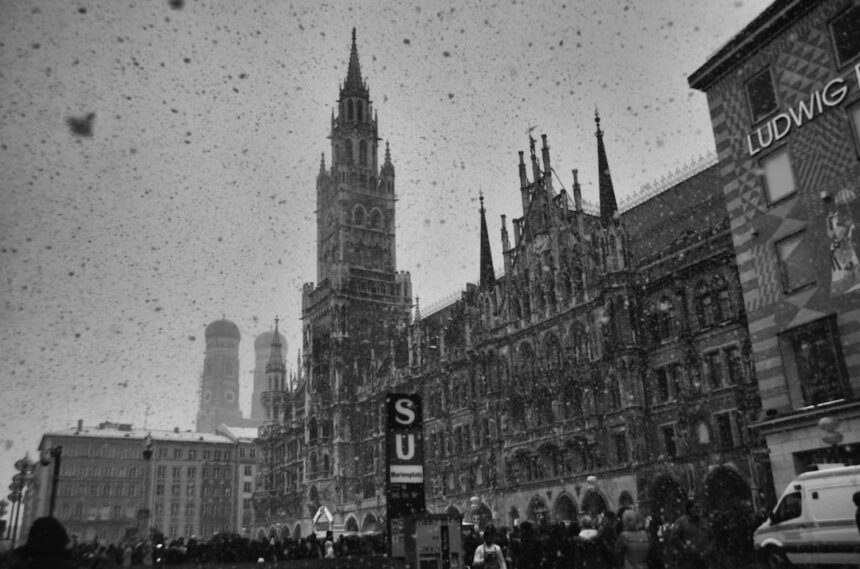
The year 1945 marked the catastrophic implosion of Nazi Germany, a regime that had systematically projected an image of invincible strength and ideological purity. However, beneath the veneer of total war and unwavering national will lay a deeply fractured and ultimately unsustainable system. The collapse was not a singular event but rather the culmination of interconnected failures, ranging from the strategic blunders of its leadership to the erosion of its economic foundations and the moral bankruptcy of its ideology. By early 1945, the Reich was a colossus with feet of clay, its once formidable structure crumbling under the immense pressures it had itself created.
The Nazi war machine, lauded for its early blitzkrieg successes, ultimately succumbed to its own hubris and a series of critical strategic errors. The ambition to conquer vast swathes of territory and subjugate diverse populations proved to be a logistical and military impossibility, stretching resources and manpower far beyond their breaking point.
The Two-Front War: A Fatal Strategic Error
Hitler’s decision to invade the Soviet Union in June 1941, Operation Barbarossa, fundamentally altered the trajectory of the war. This not only opened a massive eastern front, demanding an unprecedented commitment of men and materiel, but also effectively trapped Germany in a protracted, two-front conflict.
The Undermining of Blitzkrieg Doctrine
The initial successes on the Eastern Front masked deeper systemic issues. The reliance on the rapid maneuver warfare of Blitzkrieg was ill-suited to the vast distances, harsh climate, and sheer tenacity of the Soviet Union. The Wehrmacht, designed for shorter, decisive campaigns, found itself bogged down in a war of attrition it was ill-equipped to win.
The Strain on Resources and Manpower
Fighting simultaneously against the Soviet Union and the Western Allies placed an unsustainable burden on Germany’s industrial capacity and its pool of trained soldiers. Every division deployed to the East was one less available to defend the West, and vice versa. This strategic dichotomy crippled Germany’s ability to either achieve decisive victory or effectively hold its ground.
The Failure to Secure Global Resources
Germany’s industrial and military machine was heavily dependent on imported raw materials, including oil, rubber, and certain metals. Its inability to secure reliable access to these resources on a global scale was a crippling long-term weakness.
The Blockade’s Cumulative Effect
The naval blockade imposed by the Allied powers, particularly Great Britain, gradually choked off vital imports. While Germany had made efforts to develop synthetic alternatives, these were often costly, inefficient, and produced in insufficient quantities to meet wartime demands.
The Overextension of Supply Lines
The vast territorial ambitions of the Reich meant that supply lines became incredibly long and vulnerable to interdiction by Allied air power and partisan activity. Maintaining these lines across occupied Europe and into the Soviet Union proved an increasingly impossible task.
Escalation of Total War and the Erosion of Military Cohesion
As the war progressed, the Nazi regime increasingly embraced a strategy of total war, blurring the lines between civilian and military objectives and demanding ever-greater sacrifices from its population. This, coupled with the increasing interference of political leadership in military strategy, led to a decline in military effectiveness.
The Politicization of Military Command
Hitler’s increasing tendency to override experienced generals and impose his own strategic dictates, often based on ideological imperatives rather than pragmatic military considerations, proved disastrous. Decisions like the refusal to allow strategic retreats, famously seen at Stalingrad, resulted in the annihilation of entire armies.
The Rise of Ideological Units and the Decline of Professionalism
The increasing reliance on ideologically driven formations, such as the Waffen-SS, sometimes at the expense of the regular army (Wehrmacht), led to a dilution of military professionalism and a rise in brutality, which in turn fueled enemy resistance.
The systemic failures of Nazi Germany in 1945 can be attributed to a combination of military overreach, economic collapse, and internal dissent. As the Allies closed in, the once-mighty regime struggled to maintain control, leading to chaotic conditions and widespread despair among its populace. For a deeper understanding of these events and their implications, you can read a related article that explores the downfall of the Third Reich in detail at this link.
Economic Exhaustion and Industrial Collapse
The Nazi economic system, geared towards rapid rearmament and the pursuit of territorial conquest, proved ultimately unsustainable. It was built on plunder, exploitation, and a disregard for long-term economic health, leading to an inevitable collapse under the strain of total war.
The Inefficient Mobilization of the Economy
While Nazi Germany achieved initial successes in ramping up arms production, its economic mobilization was far from optimal. It suffered from a lack of centralized planning and coordination, leading to inefficiencies and resource misallocation.
The Overemphasis on Heavy Industry
The focus remained heavily on building tanks, planes, and warships, often at the expense of producing goods essential for civilian life and even for the comfort and morale of the troops. This led to severe shortages in everyday necessities.
The Inability to Adapt to Long-Term Warfare
The economy was structured for a short, decisive war, not the protracted, resource-intensive conflict that ensued. By 1945, the production of even basic armaments was severely hampered by a lack of raw materials and skilled labor.
The Exploitation of Occupied Territories: A Double-Edged Sword
A cornerstone of the Nazi economic strategy was the systematic exploitation of conquered territories. This provided a temporary boost but ultimately sowed the seeds of resentment and resistance, hindering production and draining resources through ongoing suppression.
The Plunder of Resources and Labor
Vast quantities of raw materials, machinery, and food were systematically looted from occupied countries. Millions of foreign laborers were conscripted and subjected to brutal working conditions in German factories and mines, often producing at incredibly low efficiency due to hardship and lack of motivation.
The Fueling of Partisan Warfare
The brutal occupation policies and economic exploitation directly fueled widespread resistance movements and partisan activities across occupied Europe. These uprisings disrupted supply lines, sabotaged production, and tied down significant German occupation forces.
The Impact of Allied Bombing Campaigns
The relentless strategic bombing campaign by the Allied air forces had a devastating impact on Germany’s industrial infrastructure and its ability to wage war. Factories, transportation networks, and cities were systematically targeted, crippling production and decimating morale.
The Destruction of Industrial Capacity
By 1945, many of Germany’s key industrial centers had been heavily damaged or destroyed, making it impossible to maintain even a fraction of the previous level of arms production. The ability to replace lost equipment was severely compromised.
The Crippling of Transportation Networks
The bombing of railways, bridges, and canals paralyzed Germany’s internal transportation system. This made it incredibly difficult to move troops, supplies, and raw materials to the front lines or to evacuate vital industries.
The Impact on Civilian Morale and Labor
The intense bombing created immense hardship for the civilian population, leading to a decline in morale and a diversion of labor towards civil defense efforts, further impacting industrial output.
Ideological Bankruptcy and Moral Decay
The Nazi ideology, based on racial supremacy, antisemitism, and a totalitarian worldview, was not only morally reprehensible but also fundamentally flawed as a basis for a functional state and a lasting military endeavor. Its inherent contradictions and brutality ultimately contributed to its undoing.
The Cult of Personality and Unquestioning Obedience
The Nazi regime was built around the cult of personality of Adolf Hitler. This fostered an environment of unquestioning obedience, discouraging critical thinking and dissent even when facing clear evidence of strategic or economic failure.
The Stifling of Innovation and Dissent
The fear of reprisal and the rigid adherence to ideological dogma stifled any potential for innovation or open discussion of problems within the military and government. This meant that critical errors went uncorrected for too long.
The Promotion of Fanaticism Over Pragmatism
The emphasis on ideological purity and fanatical devotion often trumped pragmatic considerations of military necessity or economic reality. This led to decisions that were often irrational and self-destructive.
The ‘Final Solution’ and Its Enormous Human and Material Cost
The systematic extermination of Jews and other targeted groups, the “Final Solution,” while driven by pure hatred, also represented a colossal misallocation of resources and manpower that could have been directed towards the war effort.
The Diversion of Manpower and Resources
The logistics of operating extermination camps, the transportation of victims, and the bureaucratic machinery involved in such a vast undertaking consumed significant human and material resources that were desperately needed at the front or in maintaining the war economy.
The Moral and Psychological Impact
The sheer depravity of the regime’s actions, once gradually revealed, served as a powerful propaganda tool for the Allies and contributed to the increasing resolve of resistance movements. For those within Germany aware of the atrocities, it undoubtedly fostered a sense of moral revulsion, even if expressed in silence.
The Propaganda Machine and Its Inevitable Unraveling
The Nazi regime relied heavily on a sophisticated propaganda apparatus to maintain public support and project an image of unassailable strength. However, as reality diverged increasingly from the narrative, this propaganda began to lose its effectiveness and ultimately contributed to the regime’s implosion.
The Disconnect Between Propaganda and Reality
By 1945, the stark reality of military defeats, widespread bombing, and severe shortages stood in stark contrast to the triumphalist narratives presented by Goebbels’ propaganda ministry. This growing disconnect eroded public trust and belief in the regime.
The Loss of Credibility and Rising Despair
As the war dragged on and the promises of victory remained unfulfilled, the propaganda became increasingly hollow. This led to a widespread sense of despair and disillusionment among the German population, diminishing their willingness to endure further sacrifices.
Political Fragmentation and Internal Instability
As the military and economic situation deteriorated, so too did the cohesion of the Nazi regime’s political structure. Internal rivalries, power struggles, and a desperate scramble to salvage personal positions further weakened an already tottering system.
The Erosion of Hitler’s Authority
While Hitler’s word was law for much of the war, by 1945, his grip on power had been severely weakened by the continuous string of military disasters. His increasingly erratic pronouncements and refusal to acknowledge the gravity of the situation led to a growing disconnect between his vision and the reality on the ground.
The Rise of Competing Power Centers
While Hitler remained the ultimate authority, the chaos of the collapsing war effort allowed various figures within the Nazi hierarchy to pursue their own agendas and vie for influence. This created a fragmented and often contradictory decision-making process.
The Growing Disillusionment Among the Elite
Even those who had been fervent supporters of Hitler began to privately question his leadership and the direction of the war. However, the fear of reprisal and the ingrained culture of loyalty prevented open dissent from coalescing into organized opposition.
The Ineffectiveness of the Nazi Bureaucracy
The Nazi state was characterized by a sprawling and often overlapping bureaucracy, riddled with personal loyalties and ideological enforcers rather than pure administrative efficiency. This made coordinated response to crises incredibly difficult.
The Overlap and Rivalry of Agencies
Numerous ministries and party organizations wielded competing powers, leading to confusion, duplication of effort, and an inability to implement unified strategies. The SS, for example, often operated as a state within a state, with its own vast economic and military interests.
The Paralysis of Decision-Making
In the face of overwhelming challenges, the bureaucratic inertia and infighting within the Nazi administration frequently led to paralysis rather than decisive action. Vital decisions were delayed or made in a piecemeal fashion.
The Growing Influence of the SS and the Party Over the State
As the traditional state structures began to weaken, the SS and the Nazi Party gained increasing control over all aspects of German life, including military affairs and the economy. This further politicized and weaponized institutions that should have been focused on national survival.
The SS as a parallel government
The SS, under Himmler, expanded its influence to encompass a vast empire of businesses, police forces, and even military formations, often operating with a degree of autonomy from other government bodies. This created a complex web of command and control.
The Purging of Potential Opposition
The regime’s constant vigilance against any perceived internal opposition meant that individuals with competence but without absolute ideological conformity were often marginalized or eliminated, further weakening the state’s capacity.
The systemic failures of Nazi Germany in 1945 can be traced to a combination of military overreach, resource mismanagement, and the collapse of morale among both the leadership and the populace. As the Allies advanced, the once formidable regime struggled to maintain control, leading to a rapid disintegration of its infrastructure and authority. For a deeper understanding of these failures and their implications, you can explore a related article that delves into the factors contributing to the downfall of the Third Reich. This insightful piece can be found here.
Military Defeat and the Collapse of the Fronts
| Aspect | Metric |
|---|---|
| Economic | Hyperinflation reached its peak in 1945 |
| Military | Defeat in World War II, leading to the fall of Nazi Germany |
| Social | Widespread devastation and loss of life |
| Political | Downfall of the Nazi regime and establishment of Allied occupation |
By the spring of 1945, the military situation for Nazi Germany was irretrievable. Allied forces were converging from both the West and the East, overwhelming the exhausted and increasingly demoralized German defenses.
The Soviet Onslaught in the East
The Red Army, having weathered the initial storm of the German invasion, had grown into a formidable fighting force. By 1945, it was advancing relentlessly towards Berlin, inflicting devastating losses on the Wehrmacht.
The Battle of Berlin: The Final Act
The Battle of Berlin was a brutal and bloody culmination of the Eastern Front campaign. The city, defended fanatically by a mix of regular soldiers, Volkssturm militia, and Hitler Youth, ultimately fell to the overwhelming might of the Red Army.
The Collapse of German Defenses in the East
The Soviet offensives, such as the Vistula-Oder Offensive, systematically shattered German defensive lines, pushing them back towards the Reich’s inner territories. The sheer scale of the Soviet advance made organized resistance increasingly impossible.
The Allied Advance in the West
In the West, Allied forces, having secured a foothold in Normandy and liberated France, were pushing deeper into Germany. The German surrender in the West was ultimately inevitable given the overwhelming Allied superiority.
The Crossing of the Rhine and the Ruhr Pocket
The successful crossing of the Rhine by Allied forces in March 1945 opened the way for a final thrust into the heart of Germany. The subsequent encirclement and destruction of German forces in the Ruhr Pocket effectively ended significant organized resistance in the West.
The Combined Pressure of Allied Armies
The synchronized offensives from both East and West created a pincer movement that Germany was incapable of breaking. The strain on its remaining forces and resources was immense.
The Surrender and the End of the Third Reich
With its capital under siege and its armies disintegrating, the Nazi regime’s collapse was swift. Hitler committed suicide on April 30, 1945, and Germany surrendered unconditionally on May 8, 1945, marking the end of the Third Reich and the catastrophic realization of its systemic failures.
The Inevitability of Defeat
By early 1945, the military, economic, and ideological foundations of Nazi Germany had been so fundamentally eroded that defeat was not a possibility but a certainty. The system had been designed for conquest and domination, not for sustained attrition or survival when faced with superior adversaries and internal contradictions.
The Legacy of Systemic Failure
The collapse of Nazi Germany in 1945 was not a sudden implosion but the agonizing implosion of a system that had consistently prioritized ideology over pragmatism, aggression over sustainability, and tyranny over human dignity. Its failure serves as a stark historical testament to the dangers of unchecked power, ideological extremism, and the profound consequences of strategic overreach.
FAQs
What were some systemic failures in Nazi Germany in 1945?
Some systemic failures in Nazi Germany in 1945 included the collapse of the economy, the breakdown of the military, and the loss of support from the civilian population.
How did the collapse of the economy contribute to the systemic failure of Nazi Germany in 1945?
The collapse of the economy in Nazi Germany in 1945 was a result of Allied bombing campaigns, shortages of resources, and the disruption of transportation and communication networks. This led to widespread poverty, hunger, and desperation among the civilian population.
What role did the breakdown of the military play in the systemic failure of Nazi Germany in 1945?
The breakdown of the military in Nazi Germany in 1945 was a result of heavy losses on the Eastern and Western fronts, as well as a lack of resources and manpower. This weakened the Nazi regime’s ability to defend itself and maintain control over its territories.
How did the loss of support from the civilian population contribute to the systemic failure of Nazi Germany in 1945?
The loss of support from the civilian population in Nazi Germany in 1945 was a result of the hardships they faced, as well as the realization of the true nature of the Nazi regime’s atrocities. This weakened the regime’s ability to govern and maintain order.
What were the consequences of the systemic failure of Nazi Germany in 1945?
The systemic failure of Nazi Germany in 1945 led to the eventual surrender of the Nazi regime, the occupation of Germany by Allied forces, and the beginning of the denazification process and the Nuremberg trials.