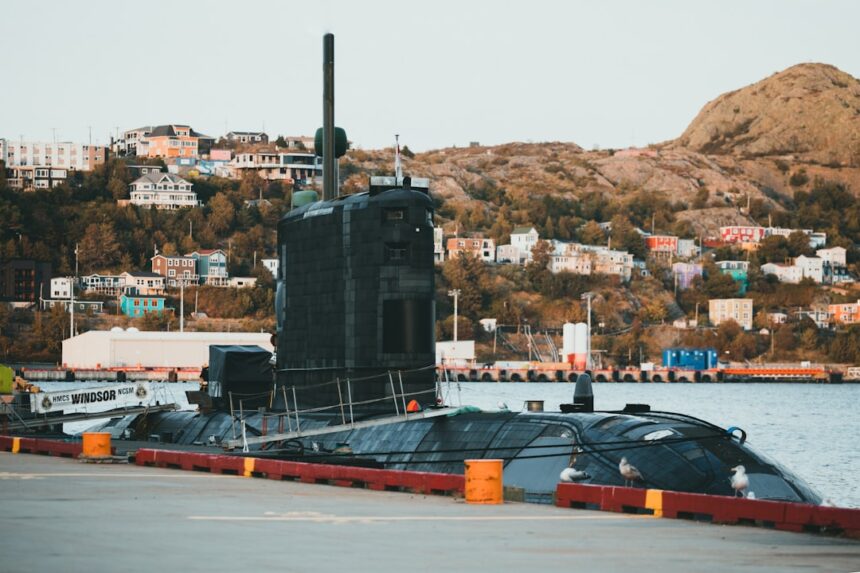
The Soviet submarine fleet was a major component of the Soviet Navy that significantly influenced Soviet maritime strategy throughout the 20th century. Developed during the early Cold War period, the fleet served multiple purposes: projecting military power, conducting intelligence operations, and deterring Western naval forces. Beyond their military function, these submarines represented important technological advances and national achievements.
The fleet’s development reflected the geopolitical tensions of the era, demonstrating the Soviet Union’s strategic objectives and its reactions to perceived threats from NATO and Western nations. The Soviet submarine fleet underwent continuous modernization and adaptation as warfare tactics and technology evolved. The fleet progressed from diesel-electric submarines to nuclear-powered vessels, demonstrating Soviet engineering capabilities.
Despite these technological advances, the fleet encountered significant operational and logistical challenges that limited its overall effectiveness. Examining these obstacles clarifies the complexities of Soviet military planning and explains the gradual reduction of Soviet naval influence.
Key Takeaways
- The Soviet submarine fleet played a crucial role during the Cold War but faced significant strategic and operational challenges.
- Technological stagnation and insufficient training undermined the effectiveness of Soviet submarines.
- Poor communication, political interference, and mismanagement further weakened fleet performance.
- Overreliance on nuclear deterrence and underestimating Western naval advancements limited Soviet naval strategy.
- Despite its shortcomings, the Soviet submarine fleet left a lasting impact on military strategy and naval warfare.
The Cold War and the Soviet Submarine Strategy
During the Cold War, the Soviet Union viewed its submarine fleet as a critical element in maintaining a balance of power against NATO forces. The strategy was rooted in the belief that submarines could effectively counter Western naval superiority by threatening vital sea lanes and projecting power into contested waters. The Soviet leadership invested heavily in developing a diverse range of submarines, including attack submarines, ballistic missile submarines, and specialized vessels for reconnaissance missions.
This multifaceted approach aimed to ensure that the Soviet Navy could operate effectively across various theaters of conflict. The Cold War also saw an escalation in submarine warfare tactics, with both sides engaging in a cat-and-mouse game beneath the waves. The Soviets employed a strategy of stealth and surprise, relying on their submarines to infiltrate enemy waters undetected.
This approach was complemented by an extensive network of intelligence-gathering operations that sought to monitor Western naval movements. However, as tensions escalated, so did the risks associated with submarine operations. The need for secrecy often clashed with operational demands, leading to a complex interplay between strategy and execution. The documentary reveals the shocking story of a KGB mole who infiltrated the highest levels of government.
Lack of Technological Innovation
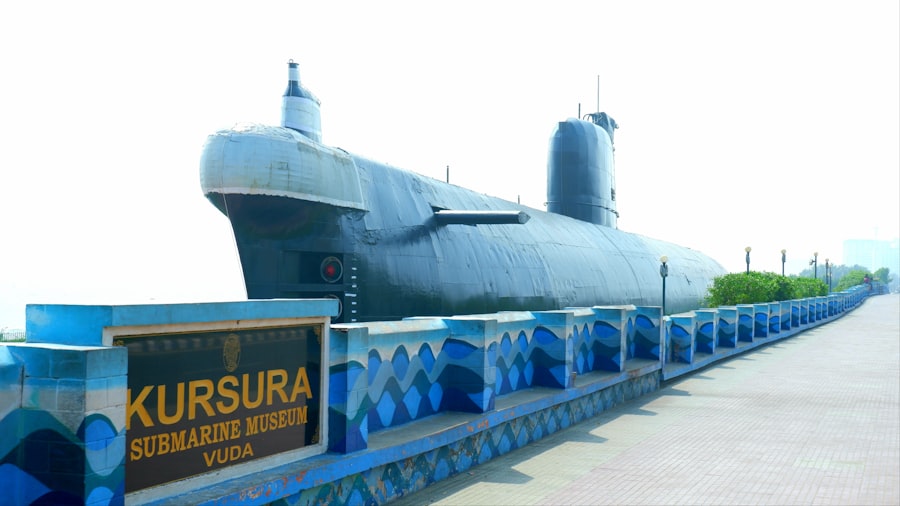
Despite its initial successes, the Soviet submarine fleet struggled with a lack of technological innovation as the Cold War progressed. While early designs were groundbreaking, subsequent models often lagged behind their Western counterparts in terms of capabilities and performance. The reliance on outdated technology became increasingly apparent as advancements in sonar systems, stealth technology, and weaponry emerged in Western navies.
This technological stagnation limited the effectiveness of Soviet submarines in both offensive and defensive roles. Moreover, the bureaucratic nature of the Soviet military-industrial complex stifled creativity and innovation. Engineers and designers faced significant obstacles in implementing new ideas due to rigid hierarchies and a focus on meeting production quotas rather than fostering technological advancement.
As a result, many submarines were built with outdated systems that could not compete with the evolving threats posed by NATO forces. This lack of innovation ultimately hampered the fleet’s ability to adapt to changing maritime warfare dynamics.
Inadequate Training and Maintenance
In addition to technological shortcomings, inadequate training and maintenance plagued the Soviet submarine fleet throughout its existence. Crews often received insufficient training, which compromised their ability to operate complex systems effectively. The emphasis on quantity over quality meant that many submariners lacked the necessary skills to respond to emergencies or execute advanced maneuvers.
This deficiency became particularly evident during high-stakes operations where quick decision-making was crucial. Maintenance issues further exacerbated these challenges. The aging fleet suffered from a lack of resources and support for regular upkeep, leading to mechanical failures and operational limitations.
Submarines that were once cutting-edge became increasingly unreliable due to neglect and insufficient funding for repairs. As a result, many missions were conducted under less-than-ideal conditions, increasing the risk of accidents and operational failures.
Poor Communication and Coordination
| Metric | Data/Value | Explanation |
|---|---|---|
| Number of Submarines at Peak | Over 400 | Despite large numbers, many were outdated or technologically inferior. |
| Operational Readiness | Estimated 50-60% | Many submarines were not fully operational due to maintenance and resource issues. |
| Technological Gap | 10-15 years behind NATO | Lag in sonar, propulsion, and missile technology compared to Western counterparts. |
| Accident Rate | High (dozens of incidents) | Frequent accidents and losses due to design flaws and poor maintenance. |
| Strategic Impact | Limited deterrence effectiveness | Failures in stealth and missile reliability reduced strategic value. |
| Budget Allocation | Significant but inefficient | High spending with poor resource management and corruption. |
| Post-Cold War Fleet Size | Reduced to less than 50 | Collapse of the Soviet Union led to drastic downsizing and decommissioning. |
Effective communication and coordination are vital components of any military operation, yet these elements were often lacking within the Soviet submarine fleet. The hierarchical structure of the Soviet military created barriers to information sharing between different branches and units. Submarine commanders frequently operated with limited situational awareness, which hindered their ability to make informed decisions during critical moments.
Additionally, coordination between submarines and surface vessels was often inadequate. Joint operations required seamless communication to ensure that all units could work together effectively. However, the lack of integrated command structures led to confusion and misalignment during missions.
This disorganization not only diminished operational effectiveness but also increased the likelihood of friendly fire incidents or miscalculations during engagements with enemy forces.
Political Interference and Mismanagement

Political interference played a significant role in shaping the trajectory of the Soviet submarine fleet. Decisions regarding naval strategy and resource allocation were often influenced by political considerations rather than military necessity. Leaders prioritized showcasing military strength over addressing fundamental issues within the fleet, leading to mismanagement and inefficiencies.
The emphasis on political loyalty over professional competence further complicated matters. Officers who were politically connected often ascended to leadership positions regardless of their operational expertise. This practice undermined morale among skilled personnel who felt sidelined by individuals lacking relevant experience.
As a result, strategic decisions were frequently made without adequate understanding of naval warfare principles or operational realities.
Overreliance on Nuclear Deterrence
The Soviet Union’s overreliance on nuclear deterrence significantly impacted its submarine strategy. While nuclear-powered submarines provided a formidable second-strike capability, this focus on nuclear deterrence often overshadowed conventional naval warfare considerations. The belief that nuclear weapons could deter conflict led to a neglect of traditional naval capabilities, leaving the fleet ill-prepared for non-nuclear engagements.
This overemphasis on nuclear deterrence also created a paradoxical situation where conventional forces were underfunded and undervalued. As tensions with NATO escalated, the Soviet leadership prioritized developing more advanced ballistic missile submarines at the expense of improving conventional submarine capabilities.
Underestimation of Western Naval Capabilities
Throughout much of the Cold War, Soviet leadership underestimated Western naval capabilities, particularly those of NATO forces. This miscalculation stemmed from a combination of ideological bias and a lack of accurate intelligence regarding Western advancements in technology and tactics. The Soviets often viewed their own capabilities through an inflated lens while dismissing the potential effectiveness of NATO’s maritime strategies.
This underestimation had profound implications for Soviet naval operations. It led to strategic miscalculations during confrontations with Western forces, where Soviet submarines found themselves outmatched by superior technology and tactics. The failure to recognize the evolving nature of naval warfare left the fleet vulnerable during critical moments when adaptability was essential.
Ineffective Anti-Submarine Warfare Tactics
As submarine warfare evolved, so too did anti-submarine warfare (ASW) tactics employed by NATO forces. However, the Soviet Union struggled to develop effective countermeasures against these tactics. The reliance on traditional methods such as passive sonar systems limited their ability to detect and engage enemy submarines effectively.
As NATO improved its ASW capabilities through advanced technology and innovative strategies, Soviet submarines faced increasing challenges in evading detection. Moreover, the lack of coordination between different branches of the military further hampered ASW efforts. Submarine operations were often conducted in isolation without adequate support from surface vessels or aircraft equipped for anti-submarine missions.
This disjointed approach left gaps in coverage that NATO forces exploited during engagements, further diminishing the effectiveness of Soviet submarine operations.
Impact on Soviet Military Strategy
The challenges faced by the Soviet submarine fleet had far-reaching implications for overall military strategy within the Soviet Union. As one of the key components of naval power, shortcomings in submarine operations affected broader strategic objectives related to deterrence and power projection. The inability to maintain a credible underwater threat undermined confidence in Soviet military capabilities among both allies and adversaries.
Furthermore, these challenges contributed to a shift in focus within military planning circles. As conventional naval capabilities waned due to neglect, there was an increasing reliance on land-based missile systems as primary tools for deterrence. This shift reflected a recognition that traditional naval engagements were becoming less viable in light of technological advancements by NATO forces.
Legacy of the Soviet Submarine Fleet
The legacy of the Soviet submarine fleet is complex and multifaceted. While it represented significant technological achievements during its peak years, it ultimately fell short due to various systemic issues that plagued its operations throughout its existence. The lessons learned from its challenges continue to resonate within modern naval strategies worldwide.
In retrospect, the Soviet submarine fleet serves as a cautionary tale about the importance of innovation, training, communication, and adaptability in military operations.
As nations reflect on their own naval strategies today, they must consider these historical lessons to avoid repeating past mistakes while navigating an increasingly complex global security environment.
The strategic failure of the Soviet submarine fleet during the Cold War can be attributed to a combination of technological shortcomings and mismanagement. For a deeper understanding of the implications of these failures on naval strategy, you can read the article on this topic at this link. This article provides insights into how the Soviet Union’s inability to effectively deploy and maintain its submarine capabilities ultimately affected its maritime dominance.
WATCH THIS 🛑 SHOCKING: The KGB Mole Who Made Every Soviet Submarine Visible
FAQs
What were the main reasons for the strategic failure of the Soviet submarine fleet?
The strategic failure of the Soviet submarine fleet was primarily due to technological shortcomings, poor maintenance, inadequate training, and outdated tactics. Additionally, the fleet struggled with reliability issues in its nuclear propulsion and missile systems, which undermined its effectiveness.
How did technological limitations impact the Soviet submarine fleet’s performance?
Technological limitations, such as noisy propulsion systems and less advanced sonar and missile technology compared to Western counterparts, made Soviet submarines easier to detect and less effective in combat. This reduced their strategic deterrence capability during the Cold War.
What role did maintenance and training play in the fleet’s strategic failure?
Maintenance problems led to frequent mechanical failures and reduced operational readiness. Inadequate training of submarine crews further compromised mission success, as crews were often unprepared for complex underwater operations and emergency situations.
Were there any specific incidents that highlighted the Soviet submarine fleet’s weaknesses?
Yes, several incidents, including the loss of submarines like K-219 and K-278 Komsomolets, exposed vulnerabilities in design, safety protocols, and crisis management. These accidents highlighted systemic issues within the fleet.
How did the Soviet submarine fleet compare to its Western counterparts?
The Soviet submarine fleet was generally noisier, less technologically advanced, and less reliable than Western fleets, particularly the U.S. Navy’s. This disparity limited the Soviet fleet’s ability to effectively challenge NATO naval forces and maintain strategic deterrence.
Did the strategic failure of the Soviet submarine fleet affect the overall Cold War naval balance?
Yes, the limitations of the Soviet submarine fleet contributed to NATO’s naval superiority, particularly in anti-submarine warfare. This imbalance influenced strategic planning and naval deployments during the Cold War.
What lessons were learned from the strategic failure of the Soviet submarine fleet?
Key lessons included the importance of technological innovation, rigorous maintenance, comprehensive crew training, and effective safety protocols. These insights have influenced modern submarine design and operational strategies worldwide.