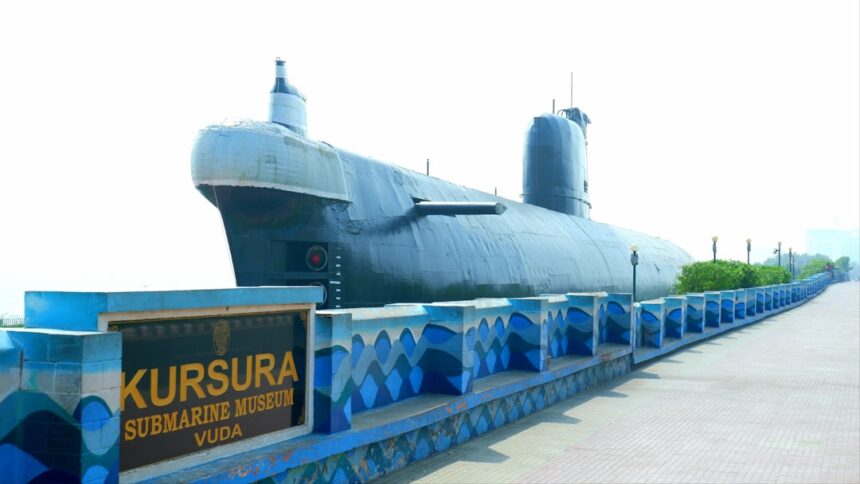
The Soviet submarine fleet was a major component of the Soviet Navy that played a significant role in USSR military strategy throughout the 20th century. Following World War II, the Soviet Union developed this fleet to extend its military reach, counter potential adversaries, and protect its strategic interests worldwide. The program prioritized nuclear-powered submarines, including ballistic missile submarines designed to carry nuclear weapons and attack submarines for offensive operations.
During the Cold War, the Soviet submarine fleet demonstrated the USSR’s technical capabilities and military ambitions. The fleet underwent continuous improvements in design and operational capacity, enabling it to function across multiple regions.
Despite its substantial size and technological innovations, the fleet encountered significant operational limitations that affected its overall performance. A comprehensive understanding of the Soviet submarine fleet requires examining its historical development, strategic purposes, and the various factors that determined its operational outcomes.
Key Takeaways
- The Soviet submarine fleet played a crucial role during the Cold War but faced significant strategic and technological challenges.
- Technological limitations and inadequate training hindered the effectiveness of Soviet submarines.
- Communication, coordination, and intelligence failures further weakened the fleet’s operational capabilities.
- Political and economic constraints limited the development and maintenance of the submarine force.
- Despite its shortcomings, the Soviet submarine fleet influenced military strategy and left a lasting legacy in naval history.
The Cold War Context and the Role of Submarines
The Cold War era was characterized by intense geopolitical rivalry between the United States and the Soviet Union, with both superpowers vying for global influence. In this context, submarines played a pivotal role in naval warfare, serving as stealthy platforms for nuclear deterrence and power projection. The Soviet Union recognized that a robust submarine fleet was essential for countering American naval dominance and ensuring its own security.
As a result, significant resources were allocated to the development and expansion of submarine capabilities. Submarines were not merely tools of warfare; they were integral to the broader strategy of deterrence. The Soviet leadership understood that a credible nuclear deterrent hinged on the ability to launch retaliatory strikes from concealed platforms.
This led to the development of advanced ballistic missile submarines capable of carrying nuclear warheads deep into enemy territory. The presence of these submarines in strategic locations around the world served as a powerful deterrent against potential aggression from NATO forces, reinforcing the notion that the Soviet Union was prepared to defend its interests at all costs. The documentary reveals the shocking story of a KGB mole who infiltrated the highest levels of government.
Strategic Goals and Failures of the Soviet Submarine Fleet
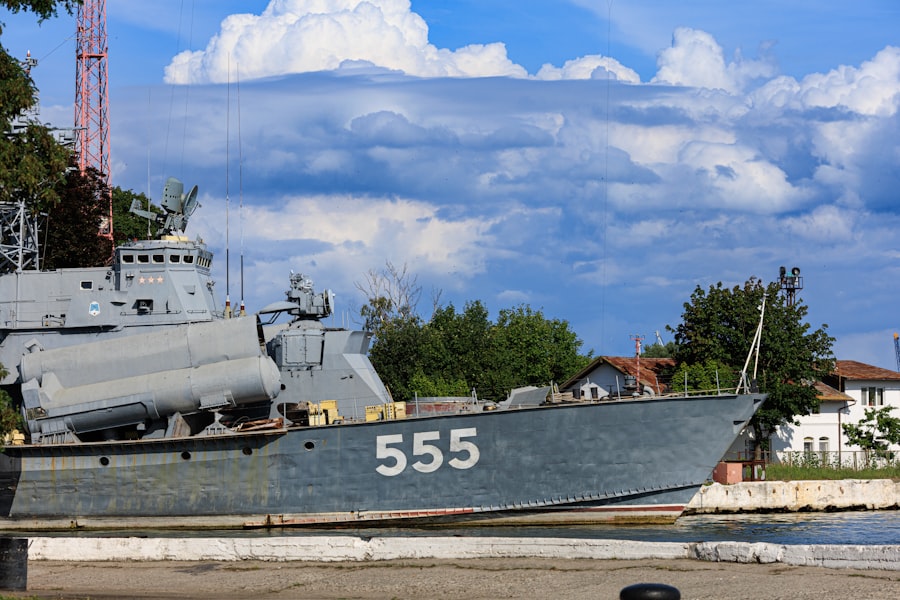
The strategic goals of the Soviet submarine fleet were ambitious and multifaceted. Primarily, the fleet aimed to establish a credible second-strike capability that would ensure mutual assured destruction in the event of a nuclear conflict. Additionally, it sought to project power in key maritime regions, disrupt enemy supply lines, and gather intelligence on adversary movements.
However, despite these lofty objectives, the fleet encountered significant operational failures that undermined its effectiveness. One notable failure was the inability to maintain a continuous at-sea deterrent posture. While the Soviet Union invested heavily in building a large fleet of submarines, logistical challenges and maintenance issues often resulted in a reduced operational readiness.
Submarines frequently spent extended periods in port for repairs or upgrades, limiting their availability for deterrent patrols. This inconsistency raised questions about the reliability of the Soviet nuclear deterrent and created vulnerabilities that could be exploited by adversaries.
Technological Limitations and Deficiencies
Technological limitations played a crucial role in shaping the operational capabilities of the Soviet submarine fleet. While the USSR made significant strides in submarine design and construction, it often lagged behind Western counterparts in critical areas such as sonar technology, stealth capabilities, and weapon systems. The reliance on outdated technologies hampered the fleet’s ability to effectively engage in modern naval warfare.
For instance, many Soviet submarines were equipped with less advanced sonar systems compared to their American counterparts. This disadvantage made it challenging for Soviet submarines to detect enemy vessels or avoid detection themselves. Additionally, issues related to noise levels during operation further compromised their stealth capabilities.
As a result, Soviet submarines often struggled to fulfill their intended roles as covert platforms for strategic deterrence and offensive operations.
Lack of Training and Experience
| Metric | Data/Value | Explanation |
|---|---|---|
| Number of Submarines at Peak | Approximately 400 | Peak Soviet submarine fleet size during the Cold War |
| Operational Readiness Rate | Below 60% | Percentage of submarines fully operational at any given time |
| Accident Rate | High (dozens of incidents) | Frequent accidents including fires, collisions, and sinkings |
| Technological Lag | 5-10 years behind NATO | Delay in sonar, propulsion, and missile technology compared to Western counterparts |
| Strategic Impact | Limited | Failed to effectively counter NATO naval dominance and secure second-strike capability |
| Budget Allocation | Significant but Inefficient | Large resources spent but hampered by corruption and mismanagement |
| Decommissioning Rate Post-Cold War | Over 200 submarines | Rapid reduction due to obsolescence and economic constraints |
Another significant factor contributing to the challenges faced by the Soviet submarine fleet was a lack of training and experience among personnel. The rapid expansion of the fleet during the Cold War meant that many crew members were inadequately trained for their roles. While technical proficiency was emphasized, practical experience in real-world scenarios was often lacking.
This gap in training had serious implications for operational effectiveness. Moreover, the rigid structure of the Soviet military hierarchy stifled innovation and adaptability among submarine crews. Commanders were often reluctant to deviate from established protocols or experiment with new tactics due to fear of repercussions from superiors.
This culture limited the ability of crews to respond effectively to dynamic situations at sea, ultimately impacting mission success rates and overall fleet performance.
Communication and Coordination Issues
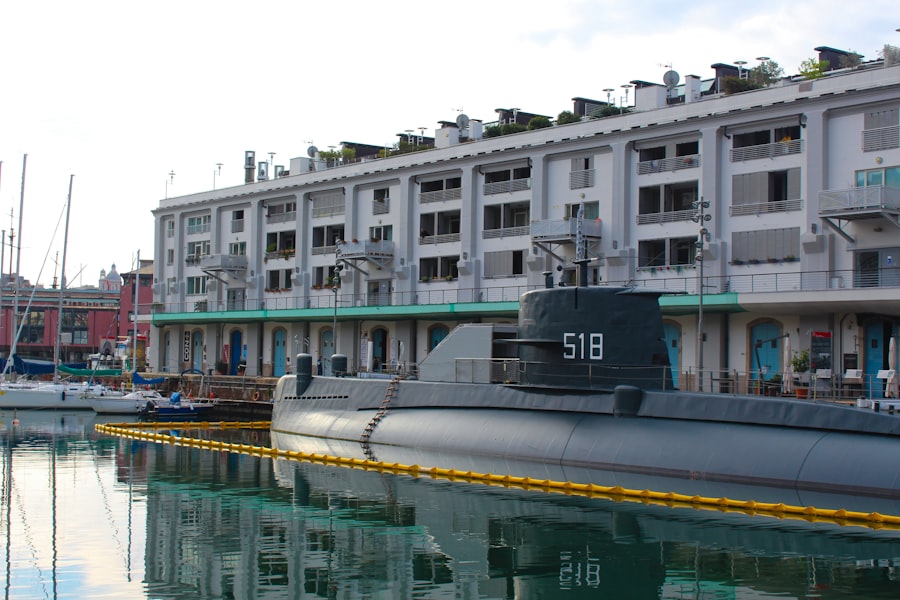
Effective communication and coordination are vital components of any military operation, yet these elements were often problematic within the Soviet submarine fleet. The vastness of the oceans combined with limited communication technologies created challenges for coordinating operations among different submarines and surface vessels. This lack of effective communication hindered situational awareness and made it difficult for commanders to make informed decisions during critical moments.
Additionally, inter-service coordination between submarines and other branches of the military was often lacking. The absence of seamless communication channels between naval forces and land-based command structures further complicated operational planning and execution. As a result, opportunities for joint operations or coordinated responses to emerging threats were frequently missed, diminishing the overall effectiveness of the Soviet naval strategy.
Intelligence Failures and Lack of Information
Intelligence failures also played a significant role in shaping the operational landscape for the Soviet submarine fleet. The ability to gather accurate information about enemy movements and capabilities is essential for effective military planning. However, the Soviet Union faced challenges in obtaining reliable intelligence on Western naval operations, which limited its understanding of adversary strategies and tactics.
The reliance on outdated intelligence-gathering methods further exacerbated these issues. While technological advancements in reconnaissance were being made by Western powers, the Soviet Union struggled to keep pace with developments in satellite surveillance and electronic intelligence collection. This lack of timely and accurate information hindered decision-making processes within the submarine fleet and contributed to operational miscalculations during critical moments.
Political and Economic Constraints
Political and economic constraints significantly impacted the development and operational capabilities of the Soviet submarine fleet. The centralized nature of decision-making within the Soviet government often led to misallocation of resources and prioritization of certain projects over others. While there was an emphasis on expanding submarine capabilities, competing demands from other branches of the military sometimes resulted in insufficient funding or support for submarine programs.
Moreover, economic challenges faced by the USSR during its later years further strained military budgets. As resources became increasingly scarce, maintaining a large fleet of submarines became increasingly difficult. This economic reality forced difficult choices regarding maintenance schedules, training programs, and technological upgrades—decisions that ultimately affected operational readiness and effectiveness.
Impact on Soviet Military Strategy
The challenges faced by the Soviet submarine fleet had profound implications for overall Soviet military strategy. The inability to maintain a credible deterrent posture raised questions about the effectiveness of nuclear strategy during critical moments in history. As tensions escalated during events such as the Cuban Missile Crisis, doubts about submarine readiness could have influenced decision-making at the highest levels of government.
Furthermore, operational failures within the submarine fleet highlighted broader issues within Soviet military doctrine. The reliance on quantity over quality became evident as technological deficiencies hampered performance in real-world scenarios. This realization prompted discussions about reforming military strategies and investing in more advanced technologies—conversations that would shape future developments within Russian naval forces.
Lessons Learned and Legacy of the Soviet Submarine Fleet
The legacy of the Soviet submarine fleet is one marked by both achievements and shortcomings.
The lessons learned from its operational challenges continue to resonate within modern naval strategies.
In retrospect, one key takeaway is that technological superiority alone does not guarantee success in military endeavors; effective training programs and adaptable strategies are equally crucial components for achieving operational goals. Additionally, fostering open lines of communication among various branches of military forces can enhance coordination and situational awareness—lessons that remain relevant for contemporary naval operations.
The End of the Soviet Submarine Fleet and its Impact on History
The dissolution of the Soviet Union in 1991 marked a significant turning point for its submarine fleet, leading to a dramatic reduction in size and capabilities. Many submarines were decommissioned or scrapped due to budget constraints and shifting geopolitical realities. However, remnants of this once-mighty fleet continue to influence naval strategies today.
The impact of the Soviet submarine fleet on history is profound; it shaped not only Cold War dynamics but also contemporary understandings of naval warfare and deterrence strategies. As nations reflect on past military endeavors, they recognize that lessons learned from both successes and failures can inform future decisions—ensuring that history does not repeat itself while adapting to new challenges in an ever-evolving global landscape.
The strategic failure of the Soviet submarine fleet during the Cold War can be attributed to a combination of technological shortcomings and mismanagement. For a deeper understanding of the implications of these failures on naval strategy, you can read more in the article available at this link. This article delves into the operational challenges faced by the Soviet fleet and how they influenced the broader geopolitical landscape of the time.
WATCH THIS 🛑 SHOCKING: The KGB Mole Who Made Every Soviet Submarine Visible
FAQs
What were the main reasons for the strategic failure of the Soviet submarine fleet?
The strategic failure of the Soviet submarine fleet was primarily due to technological shortcomings, poor maintenance, inadequate training, and outdated tactics. Additionally, the fleet struggled with reliability issues in its nuclear propulsion and missile systems, which undermined its effectiveness.
How did technological limitations impact the Soviet submarine fleet’s performance?
Technological limitations, such as noisy propulsion systems and less advanced sonar and missile technology compared to Western counterparts, made Soviet submarines easier to detect and less effective in combat. This reduced their strategic deterrence capability during the Cold War.
What role did maintenance and training play in the fleet’s strategic failure?
Maintenance problems led to frequent mechanical failures and reduced operational readiness. Inadequate training of submarine crews further compromised mission success, as crews were often unprepared for complex underwater operations and emergency situations.
Were there any specific incidents that highlighted the Soviet submarine fleet’s failures?
Yes, several incidents, including the loss of submarines like K-219 and K-278 Komsomolets, exposed vulnerabilities in design, safety protocols, and crisis management. These accidents highlighted systemic issues within the fleet.
How did the strategic failure of the Soviet submarine fleet affect the Cold War naval balance?
The fleet’s shortcomings limited the Soviet Union’s ability to challenge NATO naval dominance effectively. This imbalance allowed Western navies to maintain control over key maritime routes and contributed to the overall strategic advantage of NATO forces.
Did the Soviet Union attempt to address these failures?
Yes, the Soviet Union invested in new submarine designs, improved missile technology, and enhanced crew training programs. However, many of these efforts were too late or insufficient to fully overcome the existing strategic disadvantages before the dissolution of the Soviet Union.
What lessons were learned from the strategic failure of the Soviet submarine fleet?
Key lessons include the importance of technological innovation, rigorous maintenance, comprehensive crew training, and adaptability in naval strategy. These factors are critical for maintaining an effective and credible submarine force.