Nuclear drones represent a fascinating intersection of advanced technology and military strategy, combining the capabilities of unmanned aerial vehicles (UAVs) with the formidable power of nuclear energy. These drones are designed to perform a variety of tasks, from reconnaissance to combat missions, while harnessing nuclear propulsion systems that allow for extended operational ranges and reduced logistical burdens. As nations around the world explore the potential of these sophisticated machines, the implications for warfare, international relations, and global security become increasingly significant.
The concept of nuclear drones raises numerous questions about their role in modern warfare and the ethical considerations surrounding their use. As military forces seek to enhance their operational capabilities, the integration of nuclear technology into drone systems could redefine the landscape of aerial combat and surveillance. This article delves into the history, current developments, potential applications, and the myriad concerns associated with nuclear drones, providing a comprehensive overview of this emerging field.
Key Takeaways
- Nuclear drones are unmanned aerial vehicles equipped with nuclear technology for various applications.
- The history of nuclear drones dates back to the Cold War era, with the development of nuclear-powered drones by the United States and the Soviet Union.
- Current development of nuclear drones includes advancements in technology and the potential for use in surveillance, reconnaissance, and strategic military operations.
- Potential applications of nuclear drones range from military and defense purposes to civilian and commercial uses, such as disaster response and environmental monitoring.
- International regulations and concerns surrounding nuclear drones focus on the potential for misuse, proliferation, and environmental impact, leading to calls for strict oversight and control.
History of Nuclear Drones
The history of nuclear drones can be traced back to the mid-20th century when the advent of nuclear technology began to influence military strategies. The Cold War era saw significant advancements in both drone technology and nuclear capabilities, leading to early concepts of unmanned vehicles powered by nuclear reactors. The United States and the Soviet Union engaged in a race to develop more sophisticated military technologies, which included exploring the feasibility of nuclear-powered UAVs.
S. military initiated several projects aimed at creating drones that could operate on nuclear power. One notable example was the development of the “Nuclear-Powered Drone” program, which sought to create long-range reconnaissance drones capable of flying for extended periods without refueling.
Although these early efforts faced numerous technical challenges and safety concerns, they laid the groundwork for future research and development in this area. Over the decades, advancements in materials science, miniaturization, and reactor design have brought the concept of nuclear drones closer to reality.
Current Development of Nuclear Drones
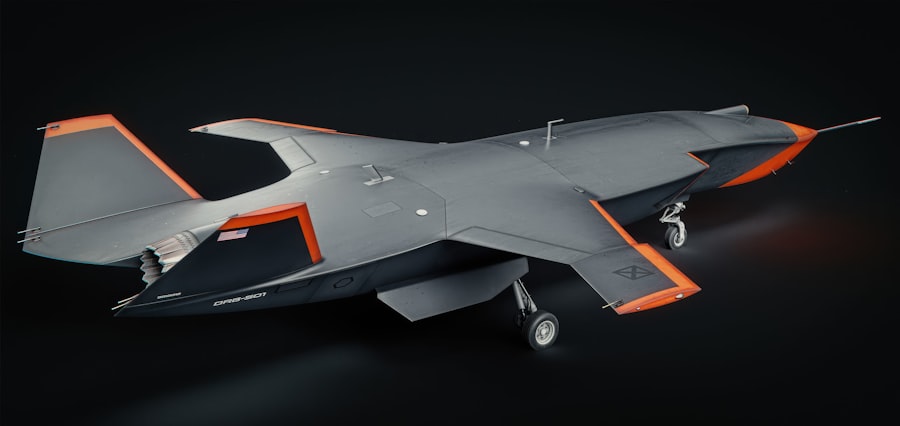
As of 2023, several nations are actively pursuing the development of nuclear drones, recognizing their potential advantages in military operations. Countries like the United States, Russia, and China have invested heavily in research and development programs aimed at creating UAVs powered by nuclear reactors. These efforts are driven by the desire for enhanced endurance, reduced vulnerability during missions, and the ability to operate in contested environments without relying on traditional fuel sources.
Current prototypes and experimental models showcase a range of designs and capabilities. For instance, some nations are focusing on stealthy reconnaissance drones that can gather intelligence over vast distances without detection. Others are exploring armed variants capable of delivering precision strikes against high-value targets.
The integration of artificial intelligence and advanced navigation systems further enhances the operational effectiveness of these drones, allowing for autonomous missions that can adapt to changing battlefield conditions.
Potential Applications of Nuclear Drones
| Application | Metric |
|---|---|
| Environmental Monitoring | Radiation levels, air quality |
| Disaster Response | Search and rescue, radiation mapping |
| Infrastructure Inspection | Nuclear facility monitoring, power line inspection |
| Agriculture | Soil analysis, crop monitoring |
The potential applications of nuclear drones are vast and varied, extending beyond traditional military uses. In warfare, these drones could serve as strategic assets for surveillance, reconnaissance, and precision strikes. Their ability to remain airborne for extended periods without refueling makes them ideal for monitoring enemy movements or conducting long-range missions in hostile territories.
Additionally, they could be deployed in scenarios where human pilots would face significant risks, such as in heavily defended airspace or during chemical and biological warfare. Beyond military applications, nuclear drones could also play a role in humanitarian efforts and disaster response. For instance, they could be utilized for aerial surveys following natural disasters, providing real-time data on affected areas while minimizing risks to human responders.
Furthermore, their capacity for long-duration flights could facilitate environmental monitoring and research in remote regions, contributing valuable insights into climate change and ecological preservation.
International Regulations and Concerns
The development and deployment of nuclear drones raise significant international regulatory challenges and concerns. The potential for these technologies to alter the balance of power among nations has prompted discussions within various international forums regarding arms control and non-proliferation. Existing treaties governing nuclear weapons may need to be revisited to address the unique challenges posed by unmanned systems powered by nuclear reactors.
Moreover, there are apprehensions about the proliferation of nuclear drone technology to rogue states or non-state actors. The possibility that such entities could acquire or develop their own nuclear-powered UAVs poses a serious threat to global security. As a result, international cooperation is essential to establish frameworks that govern the research, development, and deployment of nuclear drones while ensuring that safety protocols are adhered to.
Advantages of Nuclear Drones
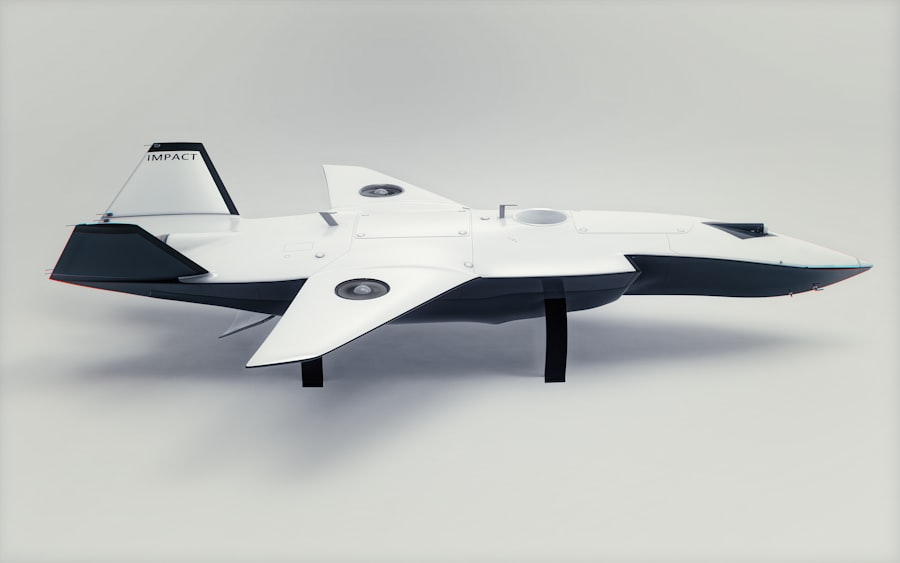
Nuclear drones offer several advantages that make them appealing to military strategists and defense planners. One of the most significant benefits is their extended operational range. Unlike conventional drones that rely on fuel sources with limited endurance, nuclear-powered UAVs can remain airborne for weeks or even months at a time.
This capability allows for continuous surveillance over vast areas without the need for frequent refueling or logistical support.
Their ability to fly at high altitudes and cover long distances makes them suitable for missions in contested airspace or regions with limited access to fuel supplies.
Furthermore, their potential for stealthy operation enhances their effectiveness in gathering intelligence or conducting precision strikes without detection.
Disadvantages of Nuclear Drones
Despite their advantages, nuclear drones also come with significant disadvantages that must be carefully considered. One major concern is the safety risks associated with operating nuclear reactors in unmanned systems. Accidents involving nuclear-powered drones could lead to catastrophic consequences, including radiation leaks or contamination in populated areas.
The potential for malfunction or failure during flight raises questions about the reliability and safety protocols necessary for their operation. Moreover, the ethical implications surrounding the use of nuclear drones cannot be overlooked. The prospect of deploying autonomous systems capable of making life-and-death decisions raises moral dilemmas about accountability and responsibility in warfare.
As nations grapple with these issues, it becomes crucial to establish clear guidelines governing the use of such technologies to ensure compliance with international humanitarian law.
Safety Measures and Protocols
To mitigate the risks associated with nuclear drones, robust safety measures and protocols must be implemented throughout their design, development, and operational phases. This includes rigorous testing and evaluation processes to ensure that all components function reliably under various conditions. Additionally, comprehensive training programs for personnel involved in operating these systems are essential to minimize human error and enhance situational awareness.
Furthermore, international collaboration is vital in establishing best practices for safety protocols related to nuclear drones. Sharing knowledge and expertise among nations can help create standardized guidelines that address potential hazards while promoting transparency in research and development efforts. By fostering a culture of safety within the field of nuclear drone technology, stakeholders can work together to minimize risks while maximizing operational effectiveness.
Environmental Impact of Nuclear Drones
The environmental impact of nuclear drones is another critical consideration that warrants attention. While these systems may offer advantages in terms of operational efficiency, their reliance on nuclear power raises concerns about potential ecological consequences. The risk of accidents involving radiation leaks or contamination poses a threat not only to human populations but also to wildlife and ecosystems.
Moreover, the production and disposal of nuclear materials used in drone technology must be managed responsibly to prevent environmental degradation. As nations pursue advancements in this field, it is essential to prioritize sustainable practices that minimize harm to the environment while ensuring compliance with international regulations governing nuclear materials.
Future Outlook for Nuclear Drones
Looking ahead, the future outlook for nuclear drones appears promising yet fraught with challenges. As technological advancements continue to evolve rapidly, nations will likely invest further in research and development efforts aimed at refining these systems’ capabilities. The integration of artificial intelligence and machine learning may enhance their operational effectiveness while addressing some safety concerns through improved decision-making algorithms.
However, as countries race to develop nuclear drone technology, it is imperative that they engage in meaningful dialogue regarding ethical considerations and international regulations. Establishing frameworks that govern the use of these systems will be crucial in preventing an arms race while ensuring accountability in their deployment.
Conclusion and Recommendations
In conclusion, nuclear drones represent a significant advancement in military technology with far-reaching implications for global security and warfare dynamics. While they offer numerous advantages such as extended operational range and enhanced capabilities in contested environments, they also pose substantial risks related to safety, ethics, and environmental impact. As nations continue to explore this emerging field, it is essential that they prioritize international cooperation and dialogue to establish robust regulatory frameworks governing their development and use.
Recommendations include fostering transparency among nations regarding research efforts while promoting best practices for safety protocols related to nuclear drone technology. Additionally, engaging stakeholders from various sectors—including military leaders, policymakers, scientists, and ethicists—will be crucial in addressing the complex challenges posed by these systems. By taking proactive steps toward responsible development and deployment, stakeholders can work together to harness the potential benefits of nuclear drones while mitigating associated risks.
The Status 6 nuclear drone, also known as Poseidon, represents a significant advancement in underwater warfare technology, designed to evade traditional defense systems and deliver devastating payloads. For a deeper understanding of its implications and capabilities, you can read more in this related article on the topic at In The War Room. This article provides insights into the strategic importance of such drones in modern military operations.
WATCH THIS! The Secret Russian Weapon That Terrifies NATO
FAQs
What is the Status-6 nuclear drone?
The Status-6, also known as Kanyon, is a nuclear-powered and nuclear-armed underwater drone developed by Russia.
What is the purpose of the Status-6 nuclear drone?
The Status-6 nuclear drone is designed to be a long-range, high-speed, and deep-sea autonomous vehicle capable of carrying a nuclear warhead.
How does the Status-6 nuclear drone operate?
The Status-6 nuclear drone is intended to be launched from submarines and travel underwater to its target at high speeds, making it difficult to detect and intercept.
What are the potential implications of the Status-6 nuclear drone?
The development of the Status-6 nuclear drone has raised concerns about the escalation of nuclear capabilities and the potential for a new arms race.
Is the Status-6 nuclear drone currently operational?
As of the latest information available, the Status-6 nuclear drone is still in the testing and development phase and has not been deployed for operational use.