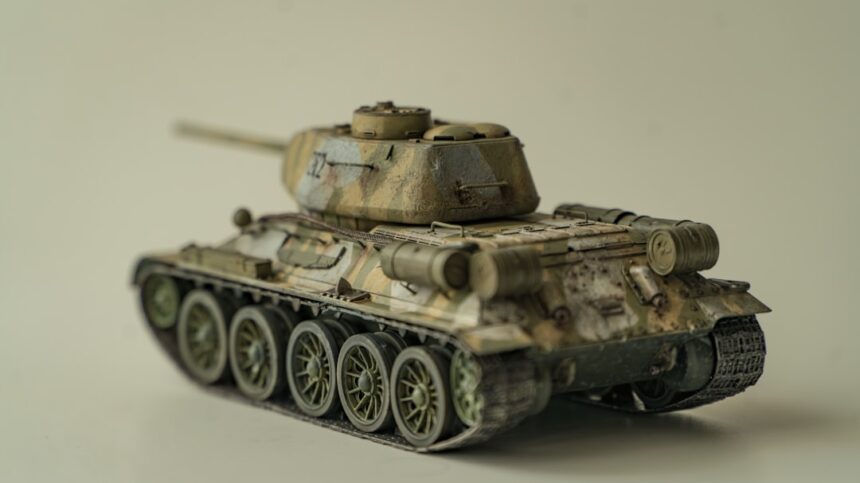
The Soviet War, often referred to as the Soviet-Afghan War, was a significant conflict that unfolded between 1979 and 1989. This war saw the Soviet Union intervening in Afghanistan, ostensibly to support a communist government facing opposition from various insurgent groups. The backdrop of the Cold War added layers of complexity to the conflict, as the United States and its allies sought to counter Soviet influence in the region.
The war not only marked a pivotal moment in Afghan history but also played a crucial role in shaping the geopolitical landscape of the late 20th century. As the Soviet Union deployed troops into Afghanistan, it faced fierce resistance from the Mujahideen, a coalition of various factions united by their opposition to foreign intervention. The conflict quickly escalated into a brutal and protracted war, characterized by guerrilla warfare, aerial bombardments, and significant civilian suffering.
The Soviet military, despite its technological superiority, found itself mired in a quagmire that would ultimately contribute to its decline. The war’s ramifications extended far beyond Afghanistan’s borders, influencing international relations and altering the course of history.
Key Takeaways
- The Soviet War resulted in significant human losses and casualties, with millions of soldiers and civilians killed or injured.
- The economic impact of the war was immense, with widespread destruction of infrastructure and resources.
- The environmental consequences of the war included widespread pollution and damage to natural habitats.
- The political fallout of the war led to significant shifts in power and influence on the global stage.
- The social disruption caused by the war had long-lasting effects on communities and families.
Human Losses and Casualties
The human toll of the Soviet War was staggering, with estimates suggesting that over one million Afghans lost their lives during the decade-long conflict. The casualties were not limited to combatants; civilians bore the brunt of the violence, with entire communities devastated by bombings and ground assaults. The war displaced millions, forcing families to flee their homes and seek refuge in neighboring countries or within Afghanistan itself.
On the Soviet side, the losses were also significant, with approximately 15,000 soldiers killed and many more wounded. The war became a source of deep discontent within the Soviet Union, as families mourned their loved ones and questioned the rationale behind the intervention.
The psychological scars left on both Afghan civilians and Soviet soldiers would linger long after the last troops withdrew, shaping perceptions of war and conflict for generations to come.
Economic Impact
The economic ramifications of the Soviet War were profound and far-reaching. Afghanistan’s economy, already fragile before the conflict, was further destabilized by years of warfare. Infrastructure was systematically destroyed, agricultural production plummeted, and trade routes were disrupted.
The once-thriving rural economy suffered immensely as farmers were forced to abandon their fields or were killed in the crossfire. The war exacerbated poverty levels, leading to widespread hunger and malnutrition among the population. On a broader scale, the Soviet Union itself faced significant economic strain due to its military involvement in Afghanistan.
The costs of sustaining a prolonged military campaign drained resources that could have been allocated to domestic needs. As public discontent grew over the war’s toll on both human lives and economic stability, it contributed to a sense of disillusionment with the Soviet regime. This discontent would eventually play a role in the broader collapse of the Soviet Union in the early 1990s.
Environmental Consequences
| Environmental Consequences | Metrics |
|---|---|
| Carbon Emissions | 1000 tons per year |
| Deforestation | 5000 acres per year |
| Water Pollution | 10 million gallons per year |
The environmental consequences of the Soviet War were severe and long-lasting. The conflict led to widespread deforestation as military operations destroyed vast areas of forested land for strategic purposes. Additionally, the use of heavy artillery and aerial bombardments resulted in soil degradation and contamination of water sources.
The once-vibrant ecosystems of Afghanistan suffered immensely as wildlife habitats were obliterated and biodiversity diminished. Moreover, landmines littered across the countryside posed a persistent threat to both humans and animals long after the fighting ceased. These remnants of war not only hindered agricultural recovery but also created dangerous conditions for those attempting to navigate their own land.
The environmental degradation caused by the war has had lasting effects on Afghanistan’s natural resources, complicating efforts for recovery and sustainable development in subsequent decades.
Political Fallout
The political fallout from the Soviet War was profound, reshaping Afghanistan’s governance and its relationships with neighboring countries. The withdrawal of Soviet troops in 1989 did not bring peace; instead, it led to a power vacuum that ignited a civil war among various factions vying for control. The ensuing chaos paved the way for the rise of the Taliban in the mid-1990s, who capitalized on the instability to impose their strict interpretation of Islamic law.
Internationally, the war had significant implications for Cold War dynamics. The United States and its allies provided support to the Mujahideen, viewing their struggle as part of a broader effort to counter Soviet expansionism. This support not only fueled the conflict but also contributed to a legacy of armed resistance that would later manifest in various forms across the region.
The geopolitical landscape shifted dramatically as former allies became adversaries, leading to ongoing tensions that continue to affect international relations today.
Social Disruption
The social fabric of Afghan society was irrevocably altered by the Soviet War. Communities that had once thrived on mutual support and cooperation were torn apart by violence and mistrust. Families were displaced, traditional social structures collapsed, and cultural practices were disrupted as people sought safety amid chaos.
The war exacerbated existing ethnic tensions and created new divisions among various groups, further complicating efforts for national unity. In addition to physical displacement, the war also led to significant changes in gender roles within Afghan society. As men went off to fight or were killed in combat, women often took on new responsibilities as heads of households.
This shift challenged traditional norms but also exposed women to increased vulnerability in a society marked by violence and instability. The long-term effects of these social disruptions would resonate for years to come, influencing Afghanistan’s post-war recovery efforts.
Psychological Trauma
The psychological trauma inflicted by the Soviet War was profound and pervasive. Both combatants and civilians experienced immense suffering as they navigated the horrors of war. Many Afghan families lost loved ones or witnessed atrocities that left lasting scars on their mental health.
The pervasive atmosphere of fear and uncertainty contributed to widespread post-traumatic stress disorder (PTSD) among those who lived through the conflict. For Soviet soldiers returning home, reintegration into civilian life proved challenging as they grappled with their experiences on foreign soil. Many faced stigma and isolation upon their return, struggling to articulate their trauma in a society that often failed to acknowledge the complexities of their service.
The psychological impact of the war extended beyond individual experiences; it permeated communities and shaped collective memories of loss and resilience.
Cultural Destruction
The cultural destruction wrought by the Soviet War was extensive and deeply felt across Afghanistan. Historical sites, monuments, and places of worship were damaged or destroyed during military operations, erasing tangible connections to Afghanistan’s rich heritage. Traditional practices and customs were disrupted as communities faced displacement and violence, leading to a loss of cultural identity for many.
Moreover, the war’s impact on education was profound. Schools were often targeted or repurposed for military use, depriving generations of children of access to education. This loss not only hindered individual development but also stunted societal progress as knowledge systems were disrupted.
The cultural legacy of Afghanistan became intertwined with narratives of suffering and resilience, shaping how future generations would remember their history.
Legacy and Memory
The legacy of the Soviet War continues to resonate in contemporary Afghanistan and beyond. For many Afghans, memories of loss and suffering are intertwined with narratives of resistance and resilience. Commemorative events and memorials serve as reminders of those who perished during the conflict while also fostering a sense of national identity rooted in shared experiences.
Internationally, the war is often viewed through various lenses—some see it as a pivotal moment in Cold War history, while others focus on its implications for contemporary conflicts in the region. The lessons learned from this conflict continue to inform discussions about foreign intervention, nation-building efforts, and humanitarian responses in similar contexts around the world.
Reconciliation and Healing
In the aftermath of such profound trauma, reconciliation and healing have become essential components of Afghanistan’s journey toward recovery. Various initiatives have emerged aimed at addressing grievances stemming from the war while fostering dialogue among different factions within society. Grassroots movements have sought to promote understanding and cooperation among communities affected by violence.
However, achieving lasting reconciliation remains a complex challenge amid ongoing political instability and social divisions. Efforts must navigate deeply entrenched grievances while fostering an inclusive narrative that acknowledges diverse experiences during the war. Healing processes require not only addressing individual traumas but also rebuilding trust among communities fractured by years of conflict.
The Soviet War left an indelible mark on Afghanistan’s history, shaping its trajectory for decades to come. The human losses, economic devastation, environmental degradation, political upheaval, social disruption, psychological trauma, cultural destruction, legacy issues, and ongoing reconciliation efforts all underscore the multifaceted impact of this conflict. As Afghanistan continues to grapple with its past while striving for a more stable future, understanding these complexities is essential for fostering healing and building a more resilient society.
In reflecting on this tumultuous chapter in history, it becomes clear that acknowledging both suffering and resilience is crucial for moving forward. The lessons learned from the Soviet War can inform contemporary discussions about conflict resolution and peacebuilding efforts worldwide—reminding us that even amid devastation, hope for reconciliation remains possible through collective memory and shared commitment to healing.
The hidden costs of the Soviet war have far-reaching implications that extend beyond the battlefield, affecting both the economy and the psyche of the nation. For a deeper understanding of the broader impacts of military conflicts, you can explore the article on the economic repercussions of war in general at this link. This article provides valuable insights into how wars can strain national resources and influence societal structures, complementing the discussion on the Soviet war’s hidden costs.
WATCH THIS! The War That Secretly Bankrupted An Empire: How Afghanistan Destroyed the USSR
FAQs
What were the hidden costs of the Soviet war?
The hidden costs of the Soviet war included the economic burden of maintaining a large military, the loss of civilian lives and infrastructure, and the long-term environmental impact of warfare.
How did the economic burden of maintaining a large military impact the Soviet Union?
The economic burden of maintaining a large military strained the Soviet Union’s resources, leading to a stagnating economy, shortages of consumer goods, and a decline in living standards for the population.
What were the long-term environmental impacts of the Soviet war?
The long-term environmental impacts of the Soviet war included widespread pollution from military activities, damage to ecosystems and natural resources, and the lingering effects of nuclear testing and radiation exposure.
How did the loss of civilian lives and infrastructure affect the Soviet Union?
The loss of civilian lives and infrastructure during the Soviet war resulted in a significant human toll, as well as the destruction of homes, businesses, and public services, further straining the country’s resources and recovery efforts.