The Soviet Union, a vast and complex entity that existed from 1922 until its dissolution in 1991, was heavily reliant on its oil resources. This dependence on oil was not merely a facet of its economy; it was a cornerstone that shaped its political landscape, influenced its foreign relations, and ultimately contributed to its downfall. The discovery of significant oil reserves in the 1950s and 1960s transformed the Soviet Union into one of the world’s leading oil producers.
This newfound wealth provided the government with the means to fund extensive industrialization efforts, military expansion, and social programs. However, this reliance also created vulnerabilities that would later manifest in various crises. As the global demand for oil surged, the Soviet Union positioned itself as a key player in the international energy market.
The state-controlled oil industry became a vital source of revenue, allowing the government to maintain its grip on power and support its ideological ambitions. Yet, this dependence on a single commodity also meant that fluctuations in oil prices could have devastating effects on the economy. The Soviet leadership’s focus on oil production often came at the expense of other sectors, leading to an imbalanced economy that would struggle to adapt to changing global conditions.
Key Takeaways
- The Soviet Union heavily relied on oil as a key component of its economy and foreign policy.
- Oil played a significant role in the Soviet economy, contributing to its growth and development.
- The oil crisis of the 1980s had a detrimental effect on the Soviet Union, leading to economic instability and decline.
- The Soviet Union struggled to keep up with oil production, leading to internal and external challenges.
- Oil played a crucial role in the Soviet Union’s foreign policy, influencing its international relations and alliances.
The impact of oil on the Soviet economy
The impact of oil on the Soviet economy was profound and multifaceted. In the early years of its oil boom, the Soviet Union experienced significant economic growth, driven largely by the influx of foreign currency from oil exports. This revenue allowed for increased investment in infrastructure, technology, and military capabilities.
However, this economic model was inherently flawed. The heavy reliance on oil revenues created a lack of diversification within the economy.
While other sectors such as agriculture and manufacturing languished, the oil industry flourished, leading to an over-dependence on a volatile market. When global oil prices fell or production levels dropped due to mismanagement or geopolitical tensions, the repercussions were felt throughout the entire economy. This cyclical nature of boom and bust became a defining characteristic of the Soviet economic landscape.
The oil crisis of the 1980s and its effect on the Soviet Union

The oil crisis of the 1980s marked a turning point for the Soviet Union, as it faced significant challenges stemming from declining oil prices and production levels. In the early part of the decade, high global oil prices had provided a temporary cushion for the Soviet economy, but as prices plummeted in the mid-1980s, the consequences were dire. The government found itself grappling with budget deficits and a growing inability to fund essential services and programs that had been reliant on oil revenues.
This crisis exacerbated existing economic problems within the Soviet Union, leading to widespread discontent among the populace. As shortages of basic goods became more pronounced and living standards declined, public trust in the government eroded. The leadership’s inability to effectively respond to these challenges contributed to a sense of hopelessness among citizens, setting the stage for broader social unrest and political upheaval.
The Soviet Union’s struggle to keep up with oil production
| Year | Oil Production (million tons) | Shortfall from target (million tons) |
|---|---|---|
| 1970 | 601 | 20 |
| 1975 | 655 | 35 |
| 1980 | 680 | 40 |
| 1985 | 650 | 60 |
Despite being one of the largest producers of oil in the world, the Soviet Union faced significant challenges in maintaining its production levels throughout the 1980s.
As fields became depleted and new discoveries became increasingly rare, production began to stagnate.
This decline was particularly troubling given that many aspects of the Soviet economy were intricately tied to oil output. The government’s response to these challenges was often reactive rather than proactive. Instead of investing in modernization or exploring alternative energy sources, leaders continued to prioritize short-term gains from existing fields.
This lack of foresight not only hindered production but also left the economy vulnerable to external shocks. As global demand for energy shifted and new players emerged in the market, the Soviet Union’s inability to adapt became increasingly apparent.
The role of oil in the Soviet Union’s foreign policy
Oil played a crucial role in shaping the foreign policy of the Soviet Union throughout its existence. The government leveraged its status as a major oil producer to exert influence over other nations, particularly those in Europe and developing countries that were heavily reliant on energy imports. By controlling oil supplies, the Soviet leadership sought to enhance its geopolitical standing and promote its ideological agenda.
Moreover, oil diplomacy often involved strategic partnerships with other nations rich in natural resources. The Soviet Union engaged in various agreements and alliances that allowed it to secure favorable terms for energy exports while simultaneously supporting regimes aligned with its interests. However, this approach also created dependencies that could backfire; when relationships soured or when economic conditions changed, the repercussions were felt both domestically and internationally.
The collapse of oil prices and its impact on the Soviet Union
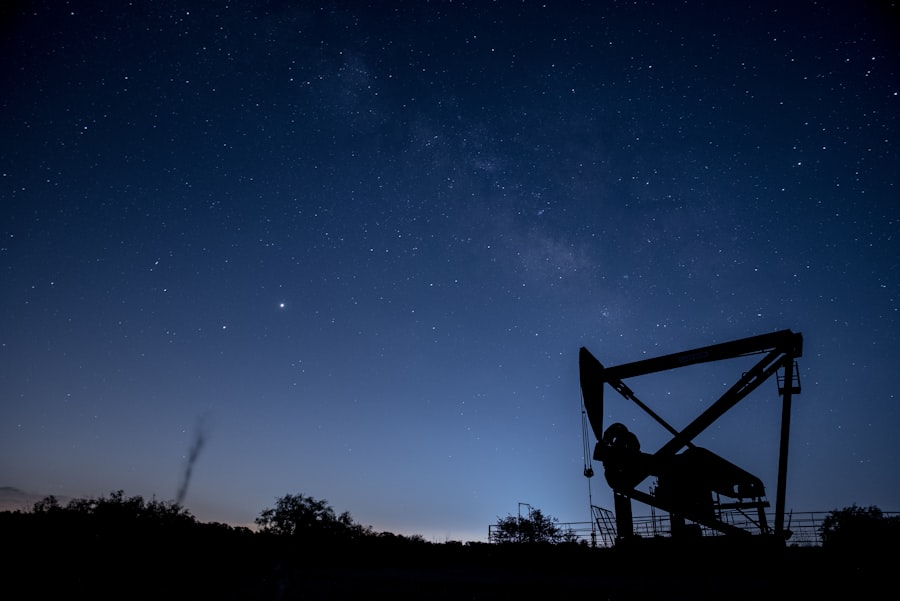
The collapse of oil prices in the late 1980s had catastrophic effects on an already fragile Soviet economy. As revenues dwindled, the government struggled to meet its financial obligations, leading to widespread shortages and economic instability. The once-thriving oil sector became a liability rather than an asset, contributing to a broader crisis of confidence in the state’s ability to manage its resources effectively.
This decline in oil revenues not only affected economic stability but also had profound political implications. As citizens faced increasing hardships due to shortages and declining living standards, public discontent grew. Protests erupted across various republics within the Soviet Union, fueled by frustrations over economic mismanagement and a perceived lack of accountability from leadership.
The collapse of oil prices thus served as a catalyst for broader social movements that ultimately contributed to the dissolution of the Soviet state.
The Soviet Union’s inability to diversify its economy away from oil
One of the most significant failures of the Soviet Union was its inability to diversify its economy away from an over-reliance on oil. While other nations successfully developed varied economic sectors—such as technology, agriculture, and services—the Soviet leadership remained fixated on maximizing oil production as a means of sustaining growth. This singular focus stunted innovation and left many industries underdeveloped.
As global economic conditions shifted and new technologies emerged, the lack of diversification became increasingly problematic. The Soviet economy struggled to adapt to changes in consumer demand and technological advancements that were reshaping industries worldwide. This rigidity not only hampered economic growth but also made it difficult for the state to respond effectively to crises when they arose.
The environmental consequences of the Soviet Union’s oil industry
The environmental consequences of the Soviet Union’s oil industry were severe and far-reaching. Rapid industrialization and extensive drilling operations led to significant ecological degradation across vast regions of the country. Oil spills, gas flaring, and pollution from refineries became commonplace as environmental regulations were often overlooked in favor of maximizing production.
The long-term effects of this environmental neglect were profound. Ecosystems suffered irreparable damage, affecting biodiversity and local communities that relied on natural resources for their livelihoods. Additionally, public health concerns arose as pollution levels increased, leading to rising rates of respiratory illnesses and other health issues among populations living near industrial sites.
The environmental legacy of the Soviet oil industry remains a cautionary tale about prioritizing short-term gains over sustainable practices.
The role of oil in exacerbating internal tensions within the Soviet Union
Oil played a significant role in exacerbating internal tensions within the Soviet Union, particularly among its various republics. Regions rich in natural resources often found themselves at odds with central authorities over how revenues were allocated and managed. This created feelings of resentment among local populations who felt they were not receiving their fair share of wealth generated from their own resources.
As economic conditions deteriorated in the late 1980s due to falling oil prices, these tensions intensified further. Republics began demanding greater autonomy and control over their resources as dissatisfaction with central governance grew. The struggle for control over lucrative oil reserves became a flashpoint for broader nationalist movements within various regions, ultimately contributing to calls for independence that would lead to the dissolution of the Soviet Union.
The collapse of the Soviet Union and its connection to oil
The collapse of the Soviet Union in 1991 can be closely linked to its reliance on oil as both an economic driver and a source of political power. As falling oil prices undermined state revenues and exposed systemic weaknesses within the economy, public discontent reached a boiling point. Citizens grew increasingly frustrated with shortages, corruption, and mismanagement—issues that were exacerbated by an over-dependence on a single commodity.
In this context, calls for reform gained momentum across various republics, leading to demands for greater autonomy and independence from Moscow’s control. The inability of central authorities to effectively address these grievances further fueled discontent among citizens who felt marginalized by a system that prioritized oil profits over their well-being. Ultimately, this combination of economic decline and rising nationalist sentiments culminated in the dissolution of one of history’s most formidable superpowers.
The legacy of the Soviet Union’s reliance on oil and its impact on modern Russia
The legacy of the Soviet Union’s reliance on oil continues to shape modern Russia’s political landscape and economic structure. Following the collapse of the USSR, Russia emerged as one of the world’s leading energy producers, inheriting vast reserves that have become central to its economy. Oil revenues remain crucial for funding government programs and maintaining social stability; however, this dependence also poses significant risks.
In contemporary Russia, fluctuations in global oil prices still have profound implications for economic stability and political power dynamics. The government has made efforts to diversify its economy; however, challenges persist as many sectors remain underdeveloped compared to energy production. Additionally, environmental concerns stemming from decades of exploitation continue to haunt Russia today as it grapples with balancing economic growth with sustainable practices.
In conclusion, while oil has been a source of wealth for Russia since Soviet times, it has also created vulnerabilities that echo through history into modern governance and economic strategies. Understanding this legacy is essential for comprehending both Russia’s current position in global affairs and its ongoing struggles with resource management and environmental sustainability.
The role of oil in the Soviet failure is a complex topic that intertwines economic, political, and social factors. For a deeper understanding of the geopolitical implications of energy resources, you may find the article on energy dynamics in conflict zones particularly insightful. You can read more about it in this related article: Energy Dynamics in Conflict Zones.
WATCH THIS! The War That Secretly Bankrupted An Empire: How Afghanistan Destroyed the USSR
FAQs
What role did oil play in the failure of the Soviet Union?
Oil played a significant role in the failure of the Soviet Union as it was a major source of revenue for the country. The decline in oil prices in the 1980s severely impacted the Soviet economy, leading to economic instability and ultimately contributing to the collapse of the Soviet Union.
How did the decline in oil prices affect the Soviet economy?
The decline in oil prices led to a significant decrease in revenue for the Soviet Union, which heavily relied on oil exports to fund its economy. This decline in revenue contributed to economic instability, inflation, and a lack of resources to support the country’s infrastructure and social programs.
Did the Soviet Union’s dependence on oil contribute to its failure?
Yes, the Soviet Union’s heavy dependence on oil exports made it vulnerable to fluctuations in oil prices. The decline in oil prices in the 1980s severely impacted the Soviet economy, contributing to its failure.
What other factors contributed to the failure of the Soviet Union?
In addition to the decline in oil prices, other factors that contributed to the failure of the Soviet Union included economic mismanagement, political corruption, military overspending, and a lack of political and economic reforms. These factors, combined with the decline in oil prices, led to the eventual collapse of the Soviet Union.