The Soviet Union’s Defense Spending: A Look at GDP
Understanding the immense financial weight of the Soviet Union’s defense apparatus requires an examination of its Gross Domestic Product (GDP). This metric, a fundamental tool for economic analysis, reveals the scale of resources allocated to military might, often at the expense of other sectors. For decades, the Soviet Union operated under a unique economic system, a planned economy where central authorities dictated production and distribution. This fundamental difference from market economies significantly shaped how defense spending was calculated, perceived, and ultimately, how it impacted the nation’s overall economic health.
This article will delve into the complexities of Soviet defense spending, using GDP as a yardstick, to provide a factual and nuanced understanding of this critical aspect of Soviet history. We will explore the challenges in obtaining accurate figures, the methods of measurement, the sheer scale of allocated resources, and the profound consequences this had on the Soviet economy and its citizens.
To even begin to grasp the scale of Soviet defense spending, one must first confront the inherent difficulties in obtaining reliable economic data. The Soviet Union, unlike Western nations, did not routinely publish transparent and independently verifiable economic statistics. This was not solely for nefarious purposes, but a consequence of its centrally planned system.
The Information Vacuum: Secrecy as State Policy
The Soviet government operated with a high degree of secrecy, particularly concerning military matters. Figures related to defense production, research and development, personnel, and procurement were classified, making it exceedingly difficult for external analysts to form an accurate picture. This inherent opacity created a fertile ground for speculation and educated guesses, often leading to divergent estimates among Western scholars and intelligence agencies. Imagine trying to map a vast continent with only scattered reports from intrepid explorers and occasional satellite images; the overall shape might be discernible, but the intricate details and precise measurements would remain elusive.
Methodological Divergences:apples and oranges
Furthermore, the very methodology of calculating GDP in the Soviet Union differed from Western practices. The Soviet system valued physical output and plan fulfillment over profitability and market prices. Prices were often set administratively rather than determined by supply and demand. This meant that direct comparisons of Soviet defense spending, expressed in rubles, to Western defense spending, expressed in dollars or pounds, were fraught with challenges. Converting rubles to dollars involved complex and often speculative exchange rates, further complicating accurate assessments. It was akin to trying to compare the nutritional value of two dishes based solely on their appearance and the chef’s description, without knowing the ingredients or cooking methods.
The Impact of Price Controls
Price controls were a defining feature of the Soviet economy. Essential goods and services, including many that might be considered intermediate inputs for defense, were artificially cheapened. This had a cascading effect on how defense spending, as a percentage of GDP, was calculated. If the price of steel, a crucial component of tanks and aircraft, was deliberately kept low, then the ruble value of a tank would also appear lower, even if the real resources, labor, and energy consumed in its production were substantial. This meant that a seemingly moderate percentage of GDP dedicated to defense might actually represent a far larger proportion of real economic activity and resource allocation than the figure alone would suggest.
An insightful article that delves into the complexities of Soviet Union defense spending in relation to its GDP can be found at this link: Soviet Defense Spending and Economic Implications. This piece explores how the Soviet Union’s military expenditures impacted its economic stability and growth, providing a comprehensive analysis of the balance between national security and economic health during the Cold War era.
Estimating the Unseen: Methods of Soviet Defense Spending Analysis
Given the lack of transparent data, Western analysts developed various methods to estimate Soviet defense spending, attempting to bridge the information gap with ingenuity and critical analysis.
The Bottom-Up Approach: Deconstructing the Military Machine
One common approach was the “bottom-up” method. This involved meticulously analyzing visible evidence of Soviet military power. Analysts would count tanks, aircraft, ships, and other military hardware; estimate the production capacity of defense factories; and study personnel levels based on military parades, defections, and intelligence reports. By estimating the cost of each component – from raw materials and labor to research and development – and then aggregating these costs across the entire Soviet military-industrial complex, a rough estimate of total defense expenditure could be constructed. This process was like assembling a giant jigsaw puzzle, placing each piece of evidence with care to reveal the larger picture.
The Top-Down Approach: Analyzing Macroeconomic Indicators
Conversely, the “top-down” approach focused on broader macroeconomic indicators. This involved analyzing Soviet trade patterns, consumption levels, and known budget allocations to other sectors. By identifying any significant discrepancies or unexplained drains on the economy, analysts could infer the extent of hidden defense spending. If, for instance, a nation was experiencing low levels of consumer goods production and a lack of investment in infrastructure, but maintained a formidable military, it was logical to conclude that resources were being diverted to the military sector. This method relied on identifying the economic “fingerprints” of a massive military establishment.
The “Defensive Burden” Hypothesis and its Critics
Some scholars proposed the “defensive burden” hypothesis, suggesting that the Soviet Union’s perceived need for military parity with the West led to an unsustainable level of defense spending relative to its economic capacity. While this provided a compelling narrative, it also faced criticism. Critics argued that the Soviet military-industrial complex was not solely driven by defensive imperatives but also by internal political dynamics, inter-branch rivalries within the military, and the desire for technological prestige. Furthermore, the extent to which the Soviet leadership truly believed in the imminence of a Western attack, and thus genuinely acted out of purely defensive necessity, remains a subject of historical debate.
The Sheer Scale: Defense Expenditure as a Percentage of GDP
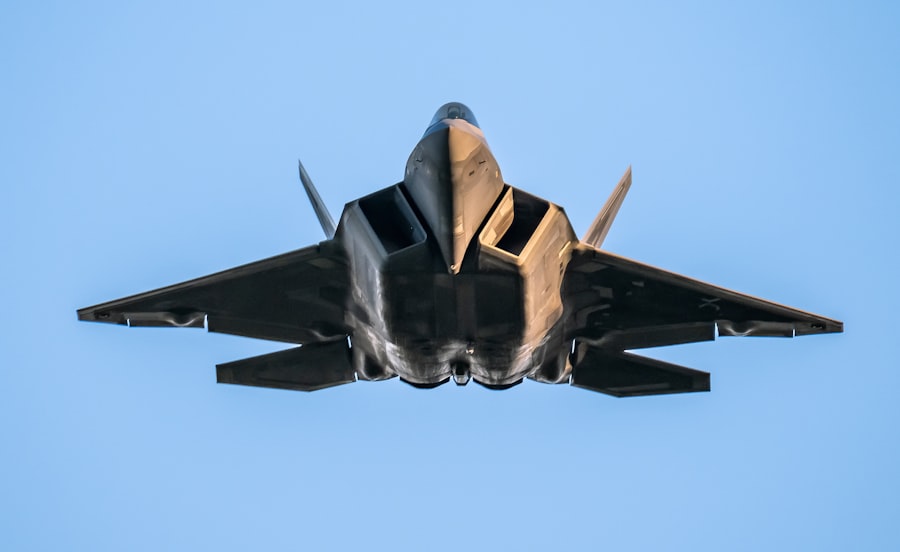
The most striking revelation from analyses of Soviet defense spending is its monumental scale, particularly when viewed as a percentage of the nation’s GDP. While precise figures are debated, the consensus among historians and economists points to a consistently high allocation.
Consistently High Percentages: A Nation Under Arms
Estimates for Soviet defense spending as a percentage of GDP varied over time and across different analytical sources, but generally fell within a range that would be considered astronomical by international standards. Figures of 10-15% of GDP were not uncommon, and some estimates, particularly for specific periods of intense military buildup during the Cold War, pushed even higher, potentially reaching 20% or more. To put this into perspective, most developed nations today spend between 2-5% of their GDP on defense. This means the Soviet Union was dedicating a significantly larger slice of its economic pie to its military than its Western counterparts. Imagine a family that spends half its income on security systems and guards, leaving little for food, education, or leisure; this was the economic reality for the Soviet state.
The Arms Race: A Constant drain on Resources
The relentless arms race with the United States and its allies was a primary driver of this immense expenditure. The development and deployment of new weapons systems, from intercontinental ballistic missiles (ICBMs) to sophisticated naval fleets, required vast investments in research, development, and production. Each technological advance by one side necessitated a response from the other, creating a cyclical and incredibly costly competition. The Soviet leadership viewed military strength not just as a means of defense, but as a critical element of its ideological struggle and its standing on the global stage.
The Military-Industrial Complex: A Self-Perpetuating Engine
The Soviet Union developed a formidable military-industrial complex, a vast network of research institutes, design bureaus, and factories dedicated to military production. This complex became a powerful economic and political force within the Soviet system, influencing resource allocation and often advocating for increased defense spending. It was a self-perpetuating engine, fueled by constant demand for new and improved weaponry, which in turn justified its continued existence and expansion.
The Economic Repercussions: A System Under Strain
The disproportionate allocation of resources to defense had profound and ultimately detrimental consequences for the Soviet economy. While the military sector was a source of technological innovation and employment, it starved other crucial areas of investment and development.
Neglect of Consumer Goods and Civilian Industry
One of the most visible impacts was the chronic shortage of consumer goods and the poor quality of those that were available. The vast majority of the Soviet Union’s skilled labor, scientific talent, and industrial capacity was directed towards military production. This left a comparatively small pool of resources for the production of food, clothing, housing, and other necessities for the civilian population. Citizens often endured long queues for basic items, and the lack of variety and quality in consumer offerings was a constant source of dissatisfaction. The Soviet economy, in essence, was a car with a powerful engine for its tank division, but with tires that were bald and a chassis that was corroding due to neglect.
Stifled Innovation in Non-Military Sectors
While the Soviet military was at times technologically advanced, the focus on military applications often stifled innovation in civilian sectors. The scientific and engineering talent that could have been developing advancements in computing, telecommunications, or consumer electronics was instead channeled into designing more advanced bombers or missile systems. This led to a widening technological gap between the Soviet Union and the West in many civilian domains, further hindering economic competitiveness and quality of life.
Inefficiencies and the Black Market
The centrally planned system, coupled with the secrecy surrounding defense spending, bred inefficiencies and fostered a thriving black market. Resources intended for the military may have been diverted or misused. Factory managers, under pressure to meet production targets in a system that often prioritized quantity over quality, sometimes resorted to shoddy practices or the illicit acquisition of materials. The black market provided a mechanism for individuals to acquire goods and services that were officially scarce, creating a parallel economy that operated outside of state control and further distorted official economic figures.
The relationship between Soviet Union defense spending and GDP has been a topic of extensive analysis, particularly in understanding the economic pressures that influenced its eventual collapse. A related article on this subject can provide deeper insights into how military expenditures impacted the overall economy and social structure of the Soviet state. For those interested in exploring this complex dynamic further, you can read more in this detailed analysis.
The Weight of the Bear: Long-Term Consequences and Collapse
| Year | Defense Spending (Billion Rubles) | GDP (Billion Rubles) | Defense Spending as % of GDP |
|---|---|---|---|
| 1960 | 45 | 500 | 9.0% |
| 1970 | 70 | 800 | 8.8% |
| 1980 | 120 | 1200 | 10.0% |
| 1985 | 150 | 1400 | 10.7% |
| 1990 | 180 | 1600 | 11.3% |
The sustained and immense burden of defense spending played a significant, though not exclusive, role in the eventual collapse of the Soviet Union. The economic strain became unsustainable, creating internal pressures that the system could no longer withstand.
The Economic Exhaustion of the Soviet State
By the 1980s, the Soviet economy was showing clear signs of exhaustion. Decades of prioritizing military expenditure over productive investment had led to declining rates of economic growth, technological stagnation in many civilian sectors, and widespread public discontent. The immense cost of maintaining military parity with the West, coupled with costly interventions in Afghanistan and a desire to project power globally, drained the state’s coffers. The Soviet Union, like a runner pushed to sprint a marathon, began to falter under the prolonged and extreme exertion.
Gorbachev’s Reforms and the Burden of Military Spending
Mikhail Gorbachev’s attempts at reform, known as Perestroika and Glasnost, were partly driven by the recognition of this economic malaise. He sought to reduce military spending, reallocate resources towards civilian industry, and introduce market-like mechanisms to stimulate the economy. However, the deeply entrenched military-industrial complex resisted change, and the sheer scale of the existing defense commitments made rapid disarmament difficult. The ingrained habits of resource allocation and the powerful lobbies of the defense sector proved formidable obstacles.
The Unseen Cost: Social and Human Capital
Beyond the purely economic figures, the immense defense spending also represented a significant investment in human capital that was diverted from other potentially more beneficial uses. Generations of scientists, engineers, and skilled laborers were educated and employed within the military-industrial complex. While their work contributed to national security, it also meant fewer such individuals were available to drive innovation and productivity in civilian industries, potentially impacting the long-term development and well-being of the population. The weight of the bear, as the Soviet Union was often colloquially referred to, was not just measured in rubles, but in the unfulfilled potential of its people. The ultimate reckoning of Soviet defense spending, therefore, is not just found in economic statistics, but in the historical trajectory of a superpower that ultimately buckled under the immense and unsustainable pressure of its own military might.

SHOCKING: How Stealth Technology Bankrupted An Empire
FAQs
What was the general trend of Soviet Union defense spending compared to its GDP?
The Soviet Union consistently allocated a significant portion of its GDP to defense spending, often estimated between 15% to 20% during the height of the Cold War, which was substantially higher than most Western countries.
How did Soviet defense spending impact its overall economy?
High defense spending placed considerable strain on the Soviet economy, diverting resources from consumer goods and infrastructure, which contributed to economic inefficiencies and shortages in civilian sectors.
How reliable are the estimates of Soviet defense spending as a percentage of GDP?
Estimates vary due to the secretive nature of the Soviet government and differences in accounting methods, but most scholars agree that defense spending was a large and sustained share of the Soviet GDP, though exact figures remain debated.
Did Soviet defense spending levels change over time?
Yes, defense spending as a percentage of GDP fluctuated, generally increasing during periods of heightened Cold War tensions, such as the 1960s and early 1980s, and decreasing somewhat during the late 1980s under Gorbachev’s reforms.
How did Soviet defense spending compare to that of the United States?
While the Soviet Union spent a higher percentage of its GDP on defense, the United States spent more in absolute terms due to its larger economy. The Soviet focus was on maintaining military parity despite economic limitations.