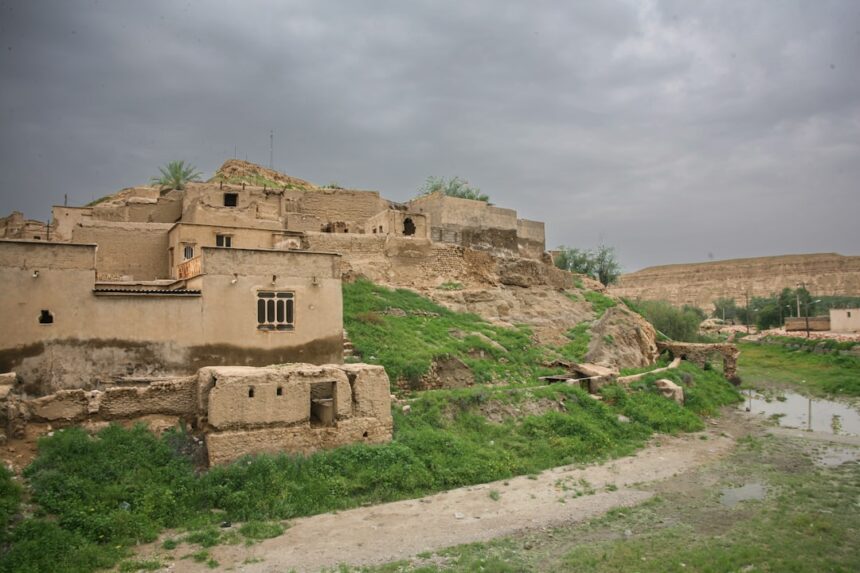
The Soviet Union, once a formidable superpower, faced a catastrophic decline that culminated in its eventual bankruptcy. This decline was not merely a result of economic mismanagement or political strife; it was a complex interplay of various factors, including military overreach, ideological rigidity, and social unrest. The invasion of Afghanistan in 1979 marked a significant turning point in the Soviet Union’s trajectory, leading to a protracted conflict that drained resources and morale.
As the Soviet leadership grappled with the consequences of this military engagement, the foundations of the state began to crumble, revealing deep-seated vulnerabilities that had long been masked by propaganda and ideological fervor. The bankruptcy of the Soviet Union was not an overnight phenomenon but rather a gradual process that unfolded over several years. The invasion of Afghanistan served as a catalyst, exposing the weaknesses within the Soviet economy and military.
As the war dragged on, it became increasingly clear that the Soviet Union was unable to sustain its ambitions both domestically and internationally.
Key Takeaways
- The Soviet Union’s invasion of Afghanistan in 1979 was a key factor in its eventual bankruptcy, leading to economic and military costs that contributed to its decline.
- The international response to the Soviet Union’s invasion of Afghanistan included widespread condemnation and economic sanctions, further straining the country’s resources.
- The Afghan War had a significant impact on Soviet society, leading to increased dissent and disillusionment with the government’s policies.
- Afghanistan played a crucial role in the Soviet Union’s bankruptcy, as the costs of the war and the inability to achieve its objectives further weakened the country’s economy and military.
- The political fallout from the Afghan War included a loss of confidence in the government and leadership, ultimately contributing to the collapse of the Soviet Union.
The Soviet Union’s Invasion of Afghanistan
In December 1979, the Soviet Union launched a military intervention in Afghanistan, ostensibly to support a communist government facing internal rebellion. This decision was rooted in a desire to expand Soviet influence in Central Asia and to prevent the spread of Islamic fundamentalism that threatened its southern borders. However, what began as a strategic maneuver quickly devolved into a quagmire that would consume vast resources and lead to significant loss of life.
The initial invasion was met with little resistance, but as Afghan guerrilla fighters, known as the Mujahideen, rallied against the foreign troops, the conflict escalated into a brutal and protracted war. The Soviet leadership underestimated the resolve of the Afghan fighters and overestimated their own military capabilities. The terrain of Afghanistan, characterized by rugged mountains and harsh conditions, proved to be an insurmountable challenge for Soviet forces.
As the war dragged on, it became increasingly clear that victory was elusive. The initial justifications for the invasion began to crumble under the weight of mounting casualties and international condemnation. The Soviet Union found itself embroiled in a conflict that not only strained its military resources but also ignited widespread dissent among its own citizens.
Economic and Military Costs of the Afghan War
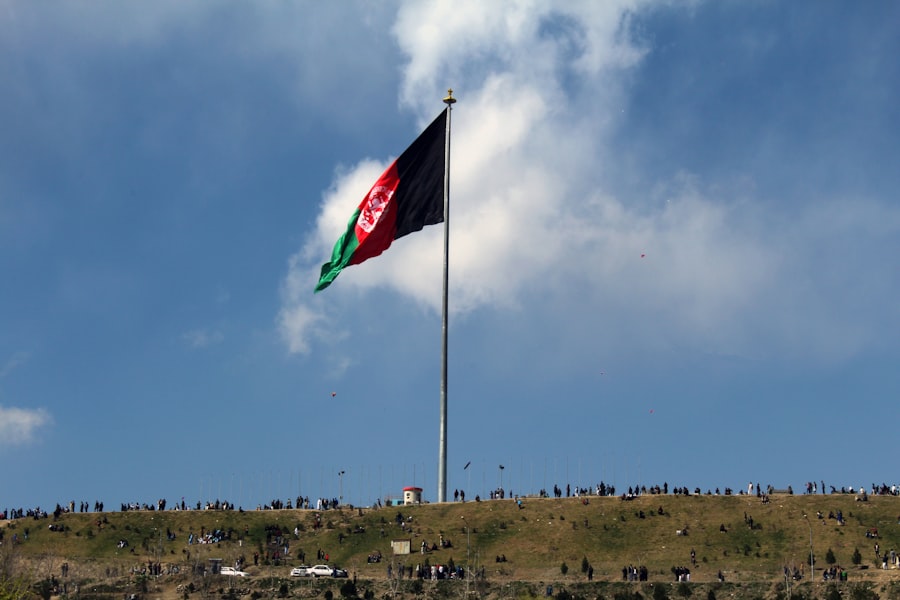
The economic toll of the Afghan War on the Soviet Union was staggering. As resources were diverted to sustain military operations, other sectors of the economy suffered significantly. The war required substantial financial investment in terms of troop deployment, equipment, and logistics.
Estimates suggest that by the time Soviet troops withdrew in 1989, the conflict had cost the USSR upwards of $30 billion—a staggering sum that further exacerbated an already faltering economy. This diversion of funds from essential domestic programs contributed to shortages in consumer goods and declining living standards for ordinary citizens. Moreover, the military costs extended beyond mere financial expenditure.
The human cost was equally devastating, with estimates of Soviet casualties ranging from 15,000 to 27,000 soldiers killed and hundreds of thousands wounded. The psychological impact on returning veterans was profound, as many struggled with physical injuries and mental health issues stemming from their experiences in combat. This created a generation of disillusioned soldiers who found it difficult to reintegrate into society, further straining social cohesion within the Soviet Union.
International Response to the Soviet Union’s Invasion
| Country | Response |
|---|---|
| United States | Imposed economic sanctions and boycotted the 1980 Summer Olympics in Moscow |
| United Kingdom | Supported the United States’ economic sanctions and condemned the invasion |
| Canada | Imposed economic sanctions and provided humanitarian aid to Afghan refugees |
| Germany | Condemned the invasion and supported the United States’ economic sanctions |
The international response to the Soviet invasion of Afghanistan was swift and largely negative. Western nations, particularly the United States, viewed the invasion as an aggressive expansionist move by the Soviets and responded with a series of diplomatic and economic measures aimed at isolating Moscow.
S. led efforts to support the Mujahideen through covert operations, providing them with arms and training in an attempt to counter Soviet influence in the region. This support not only prolonged the conflict but also contributed to a broader Cold War dynamic that pitted superpowers against each other in proxy wars around the globe. In addition to military support for Afghan resistance fighters, international condemnation of the invasion led to significant diplomatic repercussions for the Soviet Union. The United Nations General Assembly passed resolutions calling for an immediate withdrawal of Soviet troops, while many countries imposed economic sanctions against Moscow. The invasion also prompted a boycott of the 1980 Moscow Olympics by several nations, further isolating the USSR on the world stage. This international backlash not only highlighted the geopolitical ramifications of the invasion but also underscored the growing perception of the Soviet Union as an aggressor rather than a liberator.
Impact of the Afghan War on Soviet Society
The Afghan War had profound implications for Soviet society, fundamentally altering public perception of the government and its policies. As casualties mounted and reports of atrocities committed by Soviet forces emerged, disillusionment grew among citizens who had previously supported their government’s actions. The war exposed deep fissures within Soviet society, as families mourned lost loved ones and veterans returned home bearing both physical and psychological scars.
This growing discontent contributed to a climate of skepticism toward state propaganda and eroded trust in government institutions. Moreover, the war catalyzed a broader wave of dissent that would eventually contribute to calls for reform within the Soviet system. Intellectuals and dissidents began to openly criticize government policies, arguing that resources should be redirected toward improving living standards rather than waging war abroad.
This shift in public sentiment laid the groundwork for movements advocating for greater political freedom and economic reform, ultimately culminating in significant changes during Mikhail Gorbachev’s leadership in the mid-1980s.
The Soviet Union’s Economic Decline
The economic decline of the Soviet Union was exacerbated by a combination of factors that included mismanagement, corruption, and external pressures such as the Afghan War. By the late 1980s, it became evident that the centrally planned economy was struggling to meet the needs of its citizens. The diversion of resources to sustain military operations in Afghanistan further strained an already faltering economy, leading to widespread shortages of basic goods and services.
Factories operated inefficiently under state control, while agricultural production lagged behind demand. As economic conditions deteriorated, public dissatisfaction grew. Citizens faced long lines for food and essential items while witnessing their government’s inability to provide basic services.
This economic malaise fueled discontent among various segments of society, leading to protests and calls for reform. The combination of economic hardship and political repression created a volatile environment that would ultimately contribute to calls for systemic change within the Soviet Union.
Afghanistan’s Role in the Soviet Union’s Bankruptcy
Afghanistan played a pivotal role in accelerating the bankruptcy of the Soviet Union by exposing its vulnerabilities on multiple fronts. The protracted conflict drained financial resources that could have been allocated to domestic needs, exacerbating existing economic problems. As military expenditures soared, public services deteriorated, leading to widespread dissatisfaction among citizens who felt abandoned by their government.
The war also highlighted inefficiencies within the military-industrial complex, revealing how entrenched interests prioritized defense spending over addressing pressing social issues. Furthermore, Afghanistan became emblematic of broader geopolitical failures for the Soviet leadership. The inability to achieve a swift victory against relatively poorly equipped guerrilla fighters undermined confidence in military leadership and raised questions about strategic decision-making at higher levels.
This loss of faith extended beyond military circles; it permeated society at large as citizens began to question their government’s competence and legitimacy. Ultimately, Afghanistan served as both a battleground and a mirror reflecting the systemic flaws that would lead to the collapse of one of history’s most powerful empires.
Political Fallout from the Afghan War
The political fallout from the Afghan War was profound and far-reaching within the context of Soviet governance. As casualties mounted and public discontent grew, calls for accountability emerged from various factions within society. Intellectuals began to challenge state narratives surrounding patriotism and heroism associated with military service, arguing instead for transparency regarding government actions abroad.
This shift marked a significant departure from previous decades when dissent was often met with repression. The war also catalyzed changes within leadership structures as Mikhail Gorbachev rose to power in 1985 with promises of reform. His policies of glasnost (openness) and perestroika (restructuring) were partly responses to public outcry over issues exacerbated by the Afghan conflict.
Gorbachev sought to address grievances stemming from both economic hardship and political repression while attempting to navigate an increasingly complex international landscape shaped by Cold War dynamics. However, these reforms ultimately unleashed forces that would challenge not only his leadership but also the very foundations of Soviet governance.
Lessons Learned from the Soviet Union’s Afghan War
The lessons learned from the Soviet Union’s experience in Afghanistan resonate far beyond its borders and continue to inform contemporary military strategies worldwide. One critical takeaway is the importance of understanding local dynamics before engaging in foreign interventions. The Soviets underestimated both the resilience and determination of Afghan fighters while failing to grasp cultural nuances that shaped resistance movements.
This miscalculation serves as a cautionary tale for modern powers contemplating similar military engagements without adequate knowledge or preparation. Additionally, Afghanistan highlighted how prolonged military conflicts can strain national resources and erode public support for government initiatives. The financial burden imposed by sustained warfare can divert attention from pressing domestic issues, leading to widespread dissatisfaction among citizens who feel their needs are being neglected.
As nations reflect on past conflicts like Afghanistan, they must consider not only immediate military objectives but also long-term implications for societal stability and governance.
The Collapse of the Soviet Union
The culmination of various factors—including economic decline exacerbated by military overreach—ultimately led to the collapse of the Soviet Union in 1991. The Afghan War played an instrumental role in this process by exposing systemic weaknesses within both governance structures and societal cohesion. As public discontent grew alongside economic hardship, calls for reform intensified across various regions within the USSR.
Nationalist movements gained momentum as republics sought greater autonomy or independence from Moscow’s control. Gorbachev’s attempts at reform were met with resistance from hardliners who feared losing power amid changing dynamics within society. The failed coup attempt in August 1991 further destabilized an already fragile political landscape, leading to declarations of independence from several republics shortly thereafter.
By December 1991, what had once been one cohesive entity fragmented into multiple independent states—a testament not only to internal strife but also to external pressures stemming from conflicts like Afghanistan.
Afghanistan’s Continuing Impact on Global Politics
Afghanistan’s legacy continues to shape global politics long after the withdrawal of Soviet forces in 1989 and subsequent collapse of their empire two years later. The lessons learned from this conflict resonate today as nations grapple with complex geopolitical challenges involving insurgency movements and foreign interventions across various regions worldwide. The rise of extremist groups such as al-Qaeda can be traced back partially to conditions created during this tumultuous period—highlighting how historical events can have lasting repercussions on contemporary security dynamics.
Moreover, Afghanistan remains emblematic of broader struggles between state sovereignty and external influence—a theme that resonates across numerous conflicts globally today. As nations navigate these complexities while seeking stability within their borders or abroad through military engagement or diplomacy—understanding historical precedents like those set by Afghanistan becomes increasingly vital for informed decision-making moving forward into an uncertain future.
The Soviet Union’s involvement in Afghanistan played a significant role in its eventual economic decline, as detailed in the article “How Afghanistan Bankrupted the USSR.” For a broader understanding of the geopolitical implications of the Soviet-Afghan War, you can also explore the article on the impact of military engagements on national economies, which can be found here. This resource provides additional context on how prolonged conflicts can strain a nation’s financial resources and contribute to its downfall.
WATCH THIS! The War That Secretly Bankrupted An Empire: How Afghanistan Destroyed the USSR
FAQs
What led to the bankruptcy of the USSR due to Afghanistan?
The USSR’s involvement in the Afghan War from 1979 to 1989 was a significant factor in its eventual bankruptcy. The costly and protracted conflict drained the Soviet economy and military resources.
How did the Afghan War impact the Soviet economy?
The Afghan War placed a heavy financial burden on the Soviet economy, with estimates of the cost ranging from $45 billion to $50 billion. This expenditure contributed to the USSR’s economic decline and eventual bankruptcy.
What were the military consequences of the Afghan War for the USSR?
The Afghan War resulted in significant military casualties for the USSR, with estimates of over 15,000 Soviet soldiers killed and many more wounded. The war also strained the Soviet military and eroded morale.
Did the Afghan War contribute to internal unrest in the USSR?
Yes, the Afghan War contributed to internal unrest in the USSR. The prolonged conflict and its human and financial costs led to public disillusionment and protests, contributing to the internal instability that eventually led to the dissolution of the Soviet Union.
How did the Afghan War impact international relations for the USSR?
The Soviet Union’s involvement in the Afghan War strained its relations with the international community, particularly with the United States and its allies. The war also led to increased isolation and condemnation of the USSR on the world stage.