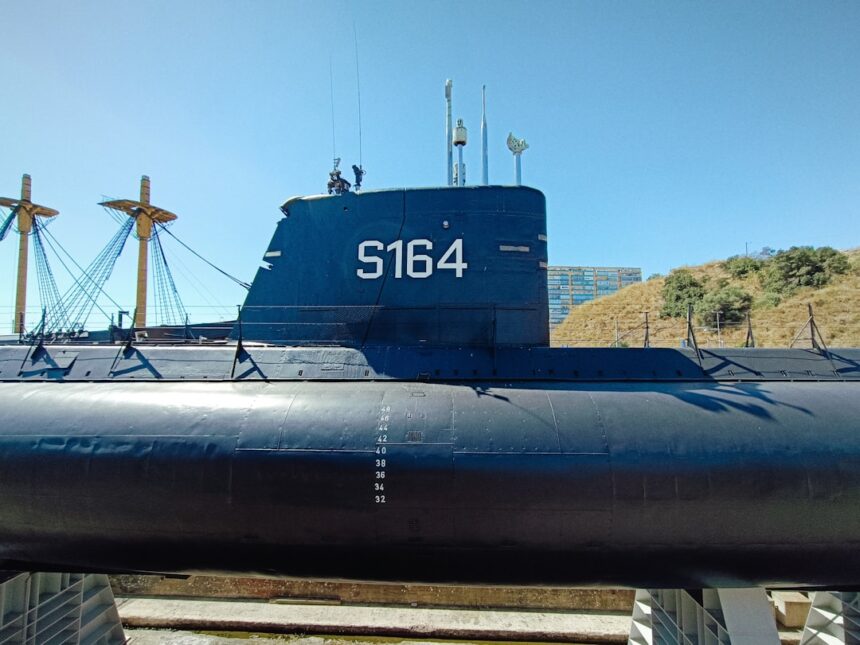
The Cold War, a period marked by intense geopolitical tension between the United States and the Soviet Union, was characterized by an unprecedented arms race that spanned several decades. This rivalry was not merely a contest of military might but also a battle of ideologies, with each superpower striving to assert its dominance on the global stage. The arms race saw both nations amassing vast arsenals of nuclear weapons, leading to a precarious balance of power known as Mutually Assured Destruction (MAD).
This doctrine posited that the full-scale use of nuclear weapons by one superpower would result in the total annihilation of both, thereby deterring either side from initiating a conflict. As the Cold War progressed, the competition extended beyond land-based missiles and bombers to include naval capabilities. Submarines became a focal point in this arms race, as they offered stealth and the ability to launch nuclear strikes from concealed positions.
The development of advanced underwater technologies allowed for the creation of formidable fleets capable of delivering devastating payloads. The Soviet Union, in particular, invested heavily in enhancing its submarine capabilities, leading to innovations that would change the landscape of naval warfare forever.
Key Takeaways
- The Soviet Union developed a powerful nuclear torpedo during the Cold War to enhance its underwater warfare capabilities.
- This nuclear torpedo had significant destructive power and was deployed on Soviet submarines as a strategic deterrent.
- Its existence influenced global military strategies and heightened tensions between the Soviet Union and Western powers.
- The psychological impact of the torpedo contributed to the broader Cold War atmosphere of fear and uncertainty.
- The legacy of the Soviet nuclear torpedo continues to shape modern underwater warfare and strategic defense planning.
The Development of the Soviet Nuclear Torpedo
In the midst of this arms race, the Soviet Union embarked on an ambitious project to develop a nuclear torpedo, a weapon that would significantly enhance its naval capabilities. The idea was to create a torpedo that could be launched from submarines and deliver a nuclear warhead to enemy targets, thereby expanding the range and lethality of Soviet naval forces. This initiative was driven by the need to counterbalance the technological advancements made by the United States and to ensure that the Soviet Navy could effectively project power across the world’s oceans.
The development process was fraught with challenges, as engineers and scientists worked tirelessly to overcome technical hurdles associated with nuclear propulsion and warhead design. The Soviet Union’s commitment to this project reflected its broader strategy of maintaining a credible deterrent against Western powers. By introducing a nuclear torpedo into its arsenal, the Soviet Navy aimed to create a new dimension of warfare that would complicate enemy planning and response strategies.
This innovation not only showcased Soviet ingenuity but also underscored the lengths to which both superpowers would go to secure their national interests during this tumultuous period.
The Specifications and Capabilities of the Nuclear Torpedo
The specifications of the Soviet nuclear torpedo were groundbreaking for their time, representing a significant leap in underwater warfare technology. Designed to be launched from submarines, these torpedoes were equipped with advanced guidance systems that allowed for precision targeting. The warheads themselves were capable of delivering explosive yields comparable to those of strategic nuclear weapons, making them formidable tools for naval engagement.
The combination of speed, stealth, and destructive power made these torpedoes a critical component of the Soviet naval strategy. In addition to their destructive capabilities, these nuclear torpedoes were designed with versatility in mind. They could be deployed against a variety of targets, including enemy ships, coastal installations, and even land-based military assets.
This adaptability meant that the Soviet Navy could engage in both offensive and defensive operations, further complicating the strategic calculations of adversaries. The introduction of such advanced weaponry not only enhanced the Soviet Union’s military posture but also raised concerns among Western powers about the potential for escalation in naval conflicts.
The Deployment of Soviet Submarines
The deployment of Soviet submarines equipped with nuclear torpedoes marked a significant evolution in naval warfare tactics. These submarines were strategically positioned in key maritime regions, allowing them to operate undetected while maintaining a constant threat to enemy fleets and coastal installations. The ability to launch nuclear torpedoes from submerged positions provided the Soviet Navy with a distinct advantage, as it could strike without warning and from unexpected angles.
The operational deployment of these submarines was not merely about showcasing military might; it was also a psychological tactic aimed at instilling fear in adversaries. By demonstrating their capability to launch devastating attacks from beneath the waves, the Soviets sought to deter potential aggression and assert their influence over critical maritime routes.
The Potential Impact of the Nuclear Torpedo
| Metric | Details |
|---|---|
| Name | T-15 Nuclear Torpedo |
| Type | Strategic Nuclear Torpedo |
| Length | 24 meters |
| Diameter | 1.6 meters |
| Weight | 40 tons |
| Warhead | 100 megaton nuclear warhead |
| Range | 40-50 kilometers |
| Speed | ~100 knots (185 km/h) |
| Launch Platform | Typhoon-class submarine |
| Purpose | Coastal city destruction via nuclear blast and radioactive tsunami |
The potential impact of the Soviet nuclear torpedo on global security dynamics was profound.
The existence of such a weapon forced Western military planners to reconsider their approaches to naval warfare and deterrence strategies.
The prospect of facing an adversary capable of launching nuclear strikes from submarines created new challenges in terms of defense and response. Moreover, the nuclear torpedo’s ability to target critical infrastructure and naval assets meant that it could significantly disrupt enemy operations. This capability raised concerns about escalation and miscalculation during conflicts, as any engagement at sea could quickly spiral into a nuclear confrontation.
The psychological ramifications were equally significant; the mere existence of these weapons contributed to an atmosphere of fear and uncertainty that permeated international relations during this era.
The Strategic Implications of the Nuclear Torpedo
The strategic implications of the Soviet nuclear torpedo extended far beyond its immediate military applications. Its development signaled a shift in how naval power was perceived and utilized in modern warfare. The ability to launch nuclear strikes from submarines added a new layer of complexity to deterrence strategies, as it blurred the lines between conventional and nuclear warfare.
This ambiguity made it increasingly difficult for military leaders to formulate clear responses to potential threats. Furthermore, the presence of nuclear torpedoes in Soviet submarines necessitated a reevaluation of existing defense systems among Western powers. Traditional anti-submarine warfare tactics had to be adapted to account for the new threat posed by these advanced weapons.
As a result, NATO forces invested heavily in developing countermeasures and enhancing their own submarine capabilities, leading to an escalation in naval arms development that mirrored the broader Cold War arms race.
The Soviet Union’s Nuclear Deterrent
The introduction of nuclear torpedoes into the Soviet arsenal was a crucial element of its broader nuclear deterrent strategy. By diversifying its means of delivering nuclear payloads, the Soviet Union aimed to create a more robust deterrent against potential aggression from Western powers. This multifaceted approach included land-based missiles, strategic bombers, and now, advanced submarines capable of launching nuclear torpedoes.
The effectiveness of this deterrent lay not only in its technological sophistication but also in its psychological impact on adversaries. The knowledge that Soviet submarines could strike at any moment from concealed positions added an element of unpredictability to military calculations in Washington and NATO capitals. This uncertainty played a significant role in shaping diplomatic interactions during the Cold War, as both sides sought to navigate a landscape fraught with potential conflict.
The Psychological Warfare of the Nuclear Torpedo
The psychological dimensions of warfare were not lost on either side during the Cold War, and the introduction of nuclear torpedoes served as a potent tool for psychological warfare. The mere existence of such weapons instilled fear among Western leaders and military planners, who recognized that their adversary possessed capabilities that could lead to catastrophic consequences. This fear was compounded by the inherent unpredictability associated with submarine operations; unlike land-based missile systems, submarines could strike without warning from hidden locations.
The psychological impact extended beyond military circles; it permeated civilian life as well. Public awareness campaigns about nuclear threats contributed to widespread anxiety about potential conflict and its implications for global security. In this context, the Soviet nuclear torpedo became emblematic of the broader existential fears that defined an era marked by uncertainty and tension.
The Response of Western Powers
In response to the emergence of Soviet nuclear torpedoes, Western powers undertook significant measures to bolster their own naval capabilities and enhance deterrence strategies. Recognizing the need to counterbalance this new threat, NATO nations invested heavily in anti-submarine warfare technologies and developed advanced submarine detection systems. These efforts aimed not only at neutralizing the threat posed by Soviet submarines but also at reassuring allies about their security commitments.
Additionally, Western military planners began exploring new doctrines that incorporated lessons learned from facing an adversary equipped with nuclear torpedoes. This included revisiting strategies for escalation control and crisis management during potential naval confrontations. The response was not limited to military measures; diplomatic efforts were also intensified as Western powers sought to engage with the Soviet Union in arms control negotiations aimed at reducing tensions and preventing miscalculations that could lead to conflict.
The Legacy of the Soviet Nuclear Torpedo
The legacy of the Soviet nuclear torpedo is multifaceted, reflecting both its immediate impact on Cold War dynamics and its long-term implications for naval warfare. While these weapons were never used in combat, their existence fundamentally altered military strategies and international relations during this period. The introduction of such advanced technology underscored the importance of underwater capabilities in modern warfare and set a precedent for future developments in naval armaments.
Moreover, the lessons learned from the Cold War arms race continue to resonate today as nations grapple with emerging threats in an increasingly complex security environment. The legacy of the Soviet nuclear torpedo serves as a reminder of how technological advancements can reshape military doctrines and influence geopolitical landscapes.
The Future of Underwater Warfare
As technology continues to evolve, the future of underwater warfare is likely to be shaped by innovations that build upon lessons learned from past conflicts. The development of unmanned underwater vehicles (UUVs) and advanced stealth technologies may redefine how nations approach naval engagements and deterrence strategies. These advancements could lead to new forms of underwater combat that challenge existing paradigms and necessitate fresh thinking about maritime security.
Furthermore, as geopolitical tensions persist in various regions around the world, nations may increasingly turn to underwater capabilities as a means of asserting influence and projecting power. The legacy of Cold War innovations like the Soviet nuclear torpedo will undoubtedly inform contemporary discussions about naval strategy and deterrence in an era marked by rapid technological change and evolving security challenges.
The development of the Soviet submarine nuclear torpedo marked a significant advancement in underwater warfare technology during the Cold War. For a deeper understanding of the strategic implications and historical context surrounding this innovation, you can read more in the article available at this link. This article provides insights into the operational capabilities and the geopolitical landscape of the time, shedding light on how such advancements influenced naval tactics and international relations.
FAQs
What is a Soviet submarine nuclear torpedo?
A Soviet submarine nuclear torpedo is a type of underwater weapon developed by the Soviet Union during the Cold War. It is designed to be launched from submarines and carries a nuclear warhead, intended to cause massive destruction to enemy naval forces or coastal targets.
When were Soviet submarine nuclear torpedoes developed?
Soviet submarine nuclear torpedoes were developed primarily during the Cold War era, starting in the 1950s and continuing through the 1980s, as part of the Soviet Union’s strategic naval weapons program.
What was the purpose of Soviet submarine nuclear torpedoes?
The main purpose of these torpedoes was to provide the Soviet Navy with a powerful deterrent and offensive capability against enemy naval fleets, particularly those of NATO countries. They were designed to destroy large groups of ships or coastal installations with a single strike.
How do nuclear torpedoes differ from conventional torpedoes?
Nuclear torpedoes carry a nuclear warhead, which produces a much larger explosion and greater destructive power compared to conventional torpedoes that use high-explosive warheads. This allows nuclear torpedoes to target larger areas and cause significant damage to enemy forces.
Were Soviet nuclear torpedoes ever used in combat?
There is no public record or evidence that Soviet submarine nuclear torpedoes were ever used in combat. They were primarily intended as a deterrent during the Cold War.
What are some known models of Soviet nuclear torpedoes?
One of the most well-known Soviet nuclear torpedoes is the T-15, which was designed to be launched from submarines and carried a large nuclear warhead. Other models include the Type 65 torpedo, which was capable of carrying a nuclear payload.
How were Soviet nuclear torpedoes launched?
These torpedoes were launched from submarine torpedo tubes, similar to conventional torpedoes. Some models were designed to be launched from specially equipped submarines capable of carrying and deploying large nuclear torpedoes.
What was the strategic impact of Soviet submarine nuclear torpedoes?
Soviet nuclear torpedoes contributed to the balance of naval power during the Cold War by providing the Soviet Navy with a powerful second-strike capability. Their existence influenced NATO naval strategies and contributed to the overall deterrence posture between the superpowers.
Are Soviet submarine nuclear torpedoes still in use today?
Most Soviet-era nuclear torpedoes have been retired or decommissioned following the end of the Cold War and arms reduction treaties. Modern navies focus more on precision conventional weapons and missile systems, although some nuclear-capable torpedoes may still exist in limited numbers.
What safety concerns are associated with nuclear torpedoes?
Nuclear torpedoes pose significant safety risks, including accidental detonation, environmental contamination, and escalation of conflicts. Strict protocols and security measures are required to handle, store, and deploy these weapons safely.