The expansion of Soviet naval power during the Cold War represented a fundamental transformation in global maritime balance. After World War II, Soviet leadership determined that a powerful navy was essential for projecting influence beyond territorial boundaries and protecting national interests. This strategic imperative emerged from the need to compete with the United States, which had established naval supremacy following the war.
The Soviet Union allocated substantial resources to shipbuilding programs, naval technology development, and personnel training, resulting in a comprehensive fleet comprising aircraft carriers, cruisers, destroyers, and submarines. This naval buildup focused not only on fleet size but also on developing operational capabilities across multiple maritime theaters, with particular emphasis on Atlantic operations. The growth of the Soviet fleet corresponded with expanded operational capabilities worldwide.
Construction of new naval facilities and modernization of existing installations enabled the Soviet Union to project power globally and extend its sphere of influence. The Atlantic Ocean assumed critical strategic significance as a primary route for commercial shipping and military operations. Soviet naval expansion served dual purposes: countering American maritime dominance while proactively securing Soviet maritime interests and establishing a presence in international waters.
This transformation in naval power distribution created enduring effects on global security architecture and international diplomatic relations throughout the Cold War period.
Key Takeaways
- The Soviet Union significantly expanded its naval power to project influence in the Atlantic Ocean.
- Soviet submarines played a crucial role in challenging NATO’s maritime dominance.
- The presence of Soviet naval bases in the Atlantic enhanced their strategic reach.
- Soviet naval exercises demonstrated their growing maritime capabilities and strategic intentions.
- Western powers responded with increased naval deployments and strategic countermeasures to contain Soviet influence.
The Atlantic Ocean as a Strategic Theater
The Atlantic Ocean has long been recognized as a critical strategic theater in global geopolitics. It serves as a vital link between Europe and North America, facilitating trade, military logistics, and diplomatic relations. For the Soviet Union, control over parts of the Atlantic was essential for projecting power and influencing events on both sides of the ocean.
The vast expanse of water not only provided routes for naval operations but also served as a buffer against potential adversaries. The Soviet leadership understood that dominance in this region could significantly alter the balance of power during the Cold War. The Atlantic’s strategic significance was further underscored by its role in NATO’s defense strategy.
The alliance’s collective security framework relied heavily on maintaining control over transatlantic routes and ensuring the free movement of naval forces. As the Soviet fleet began to operate more frequently in these waters, tensions escalated. The presence of Soviet vessels challenged NATO’s maritime supremacy and raised concerns about potential confrontations.
The Atlantic Ocean thus became a stage for a complex interplay of military posturing, intelligence gathering, and strategic maneuvering between the two superpowers.
The Significance of the Soviet Fleet’s Presence
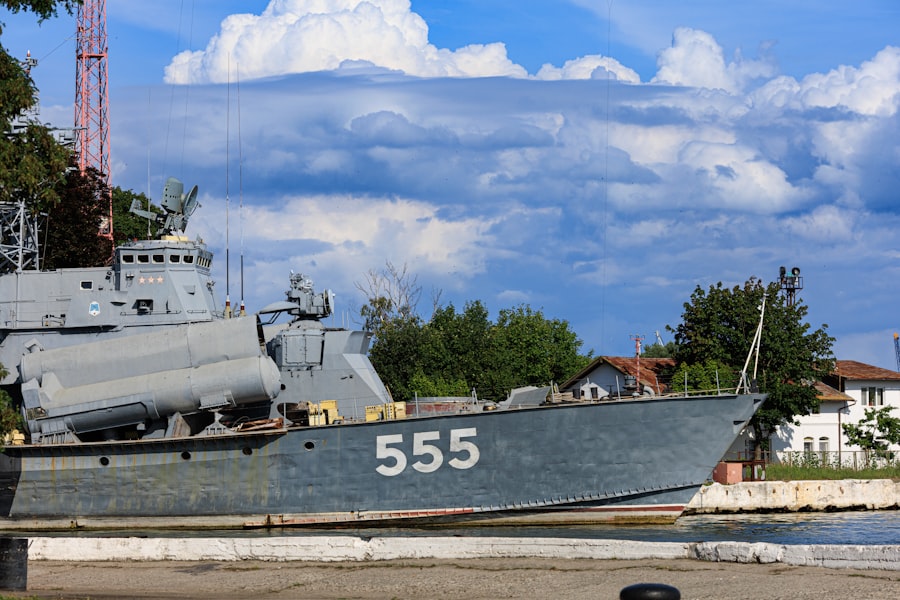
The presence of the Soviet fleet in the Atlantic was significant for several reasons. Firstly, it represented a direct challenge to NATO’s maritime dominance and altered the strategic calculus for Western powers. The deployment of Soviet naval assets in these waters signaled an intention to contest control over vital sea lanes and assert influence in regions traditionally dominated by Western navies.
This shift not only heightened tensions but also necessitated a reevaluation of military strategies on both sides. Moreover, the Soviet fleet’s presence served as a tool for political signaling. By showcasing its naval capabilities, the Soviet Union aimed to project strength and deter potential adversaries.
This was particularly important during periods of heightened Cold War tensions, where displays of military might could influence diplomatic negotiations and alliances. The ability to operate in the Atlantic allowed the Soviet Union to engage in power projection that extended beyond its immediate borders, thereby enhancing its global standing and influence.
The Soviet Union’s Naval Bases in the Atlantic
To support its naval operations in the Atlantic, the Soviet Union established several key naval bases that played a crucial role in sustaining its fleet. These bases were strategically located to facilitate rapid deployment and resupply of naval forces. Notable among them were facilities in Cuba and various locations along the coast of Africa, which provided essential logistical support for operations in the Caribbean and South Atlantic regions.
The establishment of these bases not only enhanced operational capabilities but also served as a means of projecting power into areas where Western influence was strong. For instance, Cuba became a focal point for Soviet naval activities during the Cuban Missile Crisis, highlighting the strategic importance of having a foothold close to U.S. territory.
These bases allowed for increased surveillance, intelligence gathering, and rapid response capabilities, further solidifying the Soviet Union’s presence in the Atlantic theater.
The Role of Soviet Submarines in the Atlantic
| Year | Number of Ships | Submarines | Surface Combatants | Aircraft Carriers | Primary Mission | Base Locations |
|---|---|---|---|---|---|---|
| 1970 | 45 | 20 | 20 | 0 | Patrol and Anti-Submarine Warfare | Murmansk, Severomorsk |
| 1980 | 60 | 30 | 25 | 1 (Kiev-class) | Power Projection and Sea Denial | Murmansk, Severomorsk, Baltic Fleet |
| 1990 | 55 | 28 | 22 | 1 (Kiev-class) | Strategic Deterrence and Defense | Murmansk, Severomorsk, Baltic Fleet |
Soviet submarines played a pivotal role in the country’s naval strategy within the Atlantic Ocean. These vessels were designed for various missions, including anti-ship warfare, intelligence gathering, and strategic deterrence through nuclear capabilities. The introduction of advanced submarine technology allowed the Soviet Union to operate stealthily in contested waters, posing significant challenges to NATO forces.
The deployment of submarines also served as a critical component of deterrence strategy during the Cold War. By maintaining a visible submarine presence in the Atlantic, the Soviet Union aimed to signal its readiness to respond to any potential threats from NATO forces. This created an atmosphere of uncertainty and tension, as Western powers had to constantly monitor submarine movements and assess their implications for regional security.
The effectiveness of Soviet submarines in conducting covert operations further underscored their importance within the broader context of Cold War naval strategy.
The Impact of the Soviet Fleet on NATO Operations
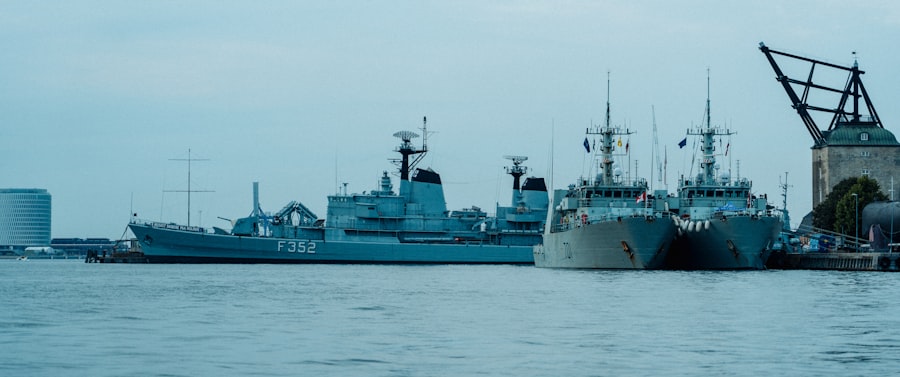
The presence of the Soviet fleet in the Atlantic had profound implications for NATO operations and strategy. As Soviet naval capabilities expanded, NATO was compelled to adapt its own maritime strategies to counter potential threats. This included increased surveillance efforts, enhanced anti-submarine warfare capabilities, and greater coordination among member states to ensure collective security.
NATO’s response involved not only military adjustments but also diplomatic efforts to address the challenges posed by the Soviet fleet. The alliance sought to strengthen its deterrent posture while simultaneously engaging in dialogue with Eastern Bloc nations to reduce tensions. The presence of Soviet naval forces thus became a catalyst for both military preparedness and diplomatic initiatives aimed at stabilizing relations during a period marked by intense rivalry.
The Soviet Union’s Naval Exercises in the Atlantic
Soviet naval exercises conducted in the Atlantic were significant events that showcased the capabilities and readiness of its fleet. These exercises often involved large-scale maneuvers that tested various operational scenarios, including anti-aircraft defense, anti-submarine warfare, and amphibious operations. By conducting these exercises in close proximity to NATO waters, the Soviet Union aimed to demonstrate its naval prowess while sending a clear message to Western powers.
They served as opportunities for intelligence gathering as well, allowing Soviet forces to assess NATO responses and refine their tactics accordingly. The visibility of these exercises contributed to an atmosphere of tension and competition in the Atlantic, as both sides sought to gain an advantage over one another.
The Soviet Union’s Maritime Strategy in the Atlantic
The maritime strategy employed by the Soviet Union in the Atlantic was characterized by a multifaceted approach that combined deterrence, power projection, and strategic partnerships. Central to this strategy was the emphasis on maintaining a credible naval presence capable of challenging NATO’s dominance while safeguarding Soviet interests across various regions. The Soviets recognized that their maritime strategy needed to be adaptable to changing geopolitical circumstances.
This flexibility allowed them to respond effectively to emerging threats while capitalizing on opportunities for influence. By leveraging alliances with countries sympathetic to their cause, such as Cuba and various African nations, they were able to extend their reach into critical maritime zones while simultaneously undermining Western interests.
The Soviet Union’s Influence on Global Maritime Trade
The presence of the Soviet fleet in the Atlantic had far-reaching implications for global maritime trade patterns. As one of the world’s major naval powers, the Soviet Union sought to secure vital shipping lanes while simultaneously challenging Western control over international trade routes. This ambition was driven by economic considerations as well as geopolitical objectives.
By asserting its influence over key maritime chokepoints, such as the Strait of Gibraltar and various routes leading into Europe and North America, the Soviet Union aimed to disrupt Western trade flows if necessary. This created an environment where shipping companies had to navigate potential risks associated with operating in waters where Soviet naval forces were active. Consequently, global maritime trade became intertwined with Cold War dynamics, as nations sought to balance economic interests with security concerns.
The Response of Western Powers to the Soviet Fleet’s Presence
In response to the growing presence of the Soviet fleet in the Atlantic, Western powers undertook a series of measures aimed at countering potential threats while ensuring maritime security. NATO member states increased their naval budgets and invested in advanced technologies designed to enhance their capabilities against submarine threats and surface engagements. Additionally, intelligence-sharing among NATO allies became more robust as they sought to monitor Soviet activities closely.
Joint exercises were conducted to improve interoperability among member states’ navies while reinforcing collective defense commitments. This coordinated response underscored NATO’s determination to maintain control over transatlantic waters while deterring any aggressive actions from the Soviet fleet.
The Legacy of the Soviet Fleet’s Presence in the Atlantic
The legacy of the Soviet fleet’s presence in the Atlantic is multifaceted and continues to resonate in contemporary geopolitics. While the Cold War has ended, many of the strategic dynamics established during that period remain relevant today. The competition for maritime influence persists as nations seek to assert their interests across global waters.
Moreover, lessons learned from Cold War naval confrontations continue to inform modern military strategies and diplomatic engagements among major powers. The importance placed on maintaining robust naval capabilities reflects an understanding that control over maritime domains is crucial for national security and economic prosperity. As such, the legacy of the Soviet fleet’s presence serves as a reminder of how naval power can shape international relations and influence global stability long after its immediate context has faded from memory.
The Soviet fleet’s operations in the Atlantic Ocean during the Cold War were a significant aspect of naval strategy, reflecting the geopolitical tensions of the era.