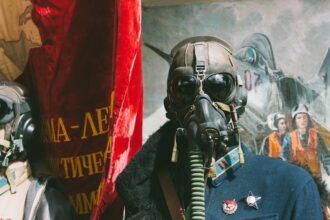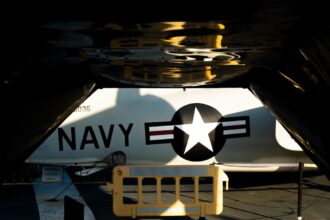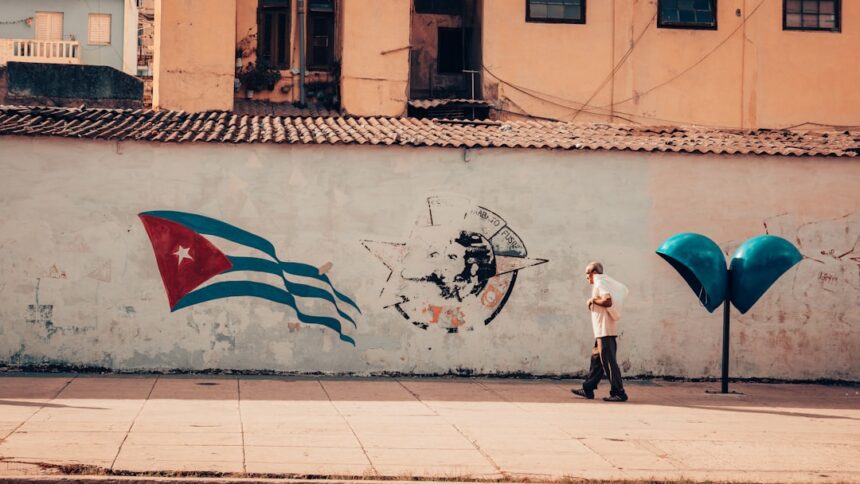
The origins of the Soviet-Cuban alliance can be traced back to the geopolitical landscape of the Cold War, a period marked by intense rivalry between the United States and the Soviet Union. Following the Cuban Revolution in 1959, Fidel Castro’s government sought to distance itself from American influence, which had dominated Cuba for decades. The revolution not only transformed Cuba’s political landscape but also created an opportunity for the Soviet Union to expand its influence in the Western Hemisphere.
The ideological alignment between Castro’s Marxist-Leninist principles and Soviet communism laid the groundwork for a partnership that would have far-reaching implications. As Cuba sought economic and military support to solidify its newfound independence, the Soviet Union recognized an opportunity to establish a foothold in the Americas. The alliance was not merely a matter of ideological affinity; it was also a strategic maneuver in the context of the Cold War.
By supporting Cuba, the Soviet Union aimed to challenge U.S. hegemony in the region and demonstrate its commitment to supporting revolutionary movements worldwide. This partnership would evolve over time, becoming a cornerstone of Soviet foreign policy and reshaping the dynamics of international relations during the latter half of the 20th century.
Key Takeaways
- The Soviet-Cuban alliance began as a strategic partnership rooted in Cold War geopolitics and shared ideological goals.
- Cuba’s location made it a critical asset for the Soviet Union in projecting power in the Western Hemisphere.
- The Cuban Missile Crisis marked a pivotal moment, highlighting the high stakes and risks of the alliance.
- Military and economic cooperation solidified the relationship but also exposed underlying tensions.
- The alliance’s legacy continues to influence global politics and offers valuable lessons for contemporary strategic partnerships.
The Strategic Importance of Cuba to the Soviet Union
Cuba’s geographical location made it a critical asset for the Soviet Union during the Cold War. Situated just 90 miles from Florida, Cuba served as a strategic outpost that allowed the Soviets to project power into the Americas and counter U.S. influence in Latin America. The island’s proximity to the United States provided an opportunity for the Soviet Union to establish military bases and intelligence operations, effectively placing a direct threat on American soil. This strategic positioning was not lost on U.S. policymakers, who viewed Cuba as a potential launchpad for Soviet aggression.
The Soviets provided military aid, economic assistance, and ideological support to various revolutionary groups in the region, fostering a network of alliances that challenged U.S. dominance. This strategic importance was underscored by events such as the Cuban Missile Crisis, which brought the world to the brink of nuclear war and highlighted Cuba’s role as a pivotal player in Cold War geopolitics.
The Cuban Revolution and its Impact on Soviet-Cuban Relations
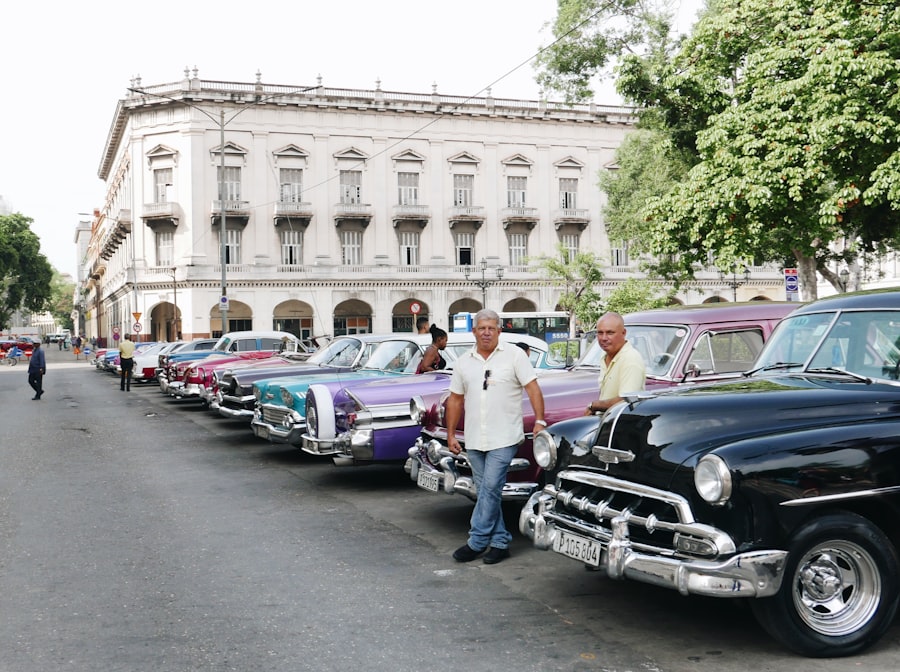
The Cuban Revolution was a watershed moment that fundamentally altered the trajectory of Soviet-Cuban relations. Castro’s rise to power marked a significant shift in Cuba’s foreign policy, as he sought to align his government with socialist ideals and reject U.S. imperialism. The revolution inspired leftist movements across Latin America and beyond, making Cuba a symbol of resistance against colonialism and capitalism. This ideological alignment with the Soviet Union facilitated a natural partnership, as both nations shared a common goal of promoting socialism and opposing U.S. influence. In the aftermath of the revolution, Castro’s government faced significant economic challenges, exacerbated by U.S. trade embargoes and diplomatic isolation. The Soviet Union stepped in to provide crucial economic support, including oil supplies and financial aid, which helped stabilize the Cuban economy. This assistance not only solidified Castro’s regime but also deepened the ties between Havana and Moscow. As Cuba became increasingly reliant on Soviet support, the alliance evolved into a mutually beneficial relationship that would endure for decades.
The Cuban Missile Crisis: A Turning Point in the Alliance
The Cuban Missile Crisis of October 1962 marked a pivotal moment in the Soviet-Cuban alliance, bringing global attention to their partnership and highlighting its potential consequences.
S. reconnaissance flights discovered Soviet nuclear missiles stationed in Cuba, tensions escalated rapidly, leading to a 13-day standoff between the United States and the Soviet Union.
This crisis underscored Cuba’s strategic importance as a frontline state in the Cold War and demonstrated how closely intertwined its fate was with that of the Soviet Union. The resolution of the crisis ultimately involved a delicate negotiation process that saw both superpowers retreat from the brink of nuclear war. While the immediate threat was defused, the crisis had lasting implications for U.S.-Cuban relations and further entrenched Cuba’s reliance on Soviet support.
In many ways, it solidified Castro’s position as a key player in global politics, while simultaneously reinforcing the Soviet Union’s commitment to protecting its ally in the face of American aggression. The crisis served as a stark reminder of how local conflicts could escalate into global confrontations, shaping future diplomatic strategies for both superpowers.
Military and Economic Cooperation between the Soviet Union and Cuba
| Metric | Data/Value | Notes |
|---|---|---|
| Year of Alliance Peak | 1962 | Height of Soviet-Cuban military cooperation during the Cuban Missile Crisis |
| Number of Soviet Nuclear Missiles in Cuba | Approximately 36 | Medium-range ballistic missiles deployed |
| Number of Soviet Troops in Cuba | ~40,000 | Including missile operators and support personnel |
| Duration of Missile Deployment | Approximately 7 months | From summer 1962 until removal in late 1962 |
| US Naval Blockade Start Date | October 22, 1962 | Also called a “quarantine” of Cuba |
| Resolution Date of Crisis | October 28, 1962 | Agreement to remove missiles from Cuba and Turkey |
| Cuban Leader | Fidel Castro | Key ally of the Soviet Union during the crisis |
| Soviet Leader | Nikita Khrushchev | Ordered missile deployment to Cuba |
| US President | John F. Kennedy | Led US response to the missile crisis |
The military and economic cooperation between the Soviet Union and Cuba was characterized by a deep interdependence that evolved over time. Militarily, the Soviets provided Cuba with advanced weaponry, training for Cuban troops, and strategic military advice. This support transformed Cuba into a formidable military power in the Caribbean, capable of defending itself against perceived threats from both internal dissenters and external adversaries.
The establishment of military bases on Cuban soil further solidified this partnership, allowing for joint exercises and intelligence sharing that enhanced both nations’ security. Economically, the relationship was equally significant. The Soviet Union became Cuba’s primary trading partner, supplying essential goods such as oil, machinery, and foodstuffs while purchasing sugar and tobacco from Havana at favorable prices.
This economic cooperation was vital for Cuba’s development, especially given the constraints imposed by U.S. sanctions. The influx of Soviet aid allowed Castro’s government to implement ambitious social programs aimed at improving education, healthcare, and infrastructure, thereby solidifying popular support for his regime.
This symbiotic relationship not only bolstered Cuba’s economy but also reinforced its political alignment with Moscow.
The Role of Fidel Castro in Strengthening the Alliance
Fidel Castro played an instrumental role in strengthening the Soviet-Cuban alliance through his charismatic leadership and unwavering commitment to socialist principles. His ability to articulate a vision of revolutionary change resonated not only within Cuba but also across Latin America and beyond. Castro’s defiance against U.S. imperialism positioned him as a symbol of resistance, garnering admiration from leftist movements worldwide and solidifying his status as a key ally for the Soviet Union. Castro’s diplomatic acumen was evident in his ability to navigate complex international relations while maintaining strong ties with Moscow. He skillfully leveraged his relationship with the Soviets to secure economic aid and military support while simultaneously promoting Cuba as a leader in global revolutionary movements. His participation in international forums and conferences further elevated Cuba’s profile on the world stage, showcasing its role as a bastion of socialism in an era dominated by capitalist powers. Through his leadership, Castro not only fortified the alliance with the Soviet Union but also positioned Cuba as a significant player in global politics.
The Legacy of the Soviet-Cuban Alliance on Global Politics
The legacy of the Soviet-Cuban alliance is profound and multifaceted, influencing global politics long after its dissolution. The partnership served as a model for other revolutionary movements seeking support from superpowers during the Cold War era. It demonstrated how smaller nations could leverage their geopolitical significance to gain assistance from larger powers while challenging established norms of international relations.
The alliance also highlighted the complexities of ideological alignments in global politics, where national interests often intersected with broader ideological battles. Moreover, the legacy of this alliance continues to resonate in contemporary discussions about U.S.-Cuba relations and broader geopolitical dynamics in Latin America. The historical context provided by this partnership informs current debates about socialism, imperialism, and national sovereignty in a rapidly changing world.
As nations grapple with their identities and alliances in an increasingly multipolar world, lessons drawn from the Soviet-Cuban alliance remain relevant for understanding how smaller states can navigate their relationships with larger powers.
The Impact of the Alliance on the United States
The Soviet-Cuban alliance had significant implications for U.S. foreign policy and national security strategy throughout the Cold War. The partnership heightened American fears of communist expansion in its own backyard, leading to increased military spending and interventionist policies aimed at containing communism globally.
The Cuban Missile Crisis epitomized these concerns, forcing U.S. leaders to reassess their approach to foreign policy and engage in more direct confrontations with perceived threats. In response to this alliance, U.S.
policymakers implemented various strategies aimed at undermining Castro’s regime and curtailing Soviet influence in Latin America. These included covert operations such as attempts to assassinate Castro, economic sanctions designed to isolate Cuba diplomatically and economically, and support for anti-communist regimes throughout Latin America. The impact of this alliance on U.S.-Cuba relations continues to be felt today, as historical grievances shape contemporary diplomatic efforts and public perceptions on both sides.
Challenges and Tensions within the Alliance
Despite its strengths, the Soviet-Cuban alliance was not without challenges and tensions that occasionally threatened its stability. Differences in strategic priorities sometimes emerged between Havana and Moscow, particularly regarding military engagements or economic policies. For instance, while Castro sought greater autonomy in decision-making, Soviet leaders often viewed Cuba primarily through a lens of geopolitical strategy rather than ideological solidarity.
Additionally, internal challenges within Cuba itself posed risks to the alliance’s cohesion. Economic difficulties stemming from reliance on Soviet aid created tensions as Castro sought to implement reforms while maintaining loyalty among his supporters. Discontent among certain segments of Cuban society occasionally led to calls for greater independence from Moscow’s influence, highlighting an underlying tension between national sovereignty and dependence on foreign support.
The End of the Soviet Cuban Alliance
The dissolution of the Soviet-Cuban alliance can be attributed to several factors that unfolded during the late 20th century. The collapse of the Soviet Union in 1991 marked a significant turning point for Cuba, which had relied heavily on Moscow for economic support and military assistance throughout its existence as a socialist state. As economic conditions deteriorated following this collapse, Cuba faced unprecedented challenges that tested its resilience.
In addition to economic hardships, changing geopolitical dynamics also played a role in diminishing ties between Havana and Moscow. With Russia undergoing significant political transformations under Boris Yeltsin, Cuba found itself increasingly isolated on the global stage as new alliances emerged elsewhere. The end of communism in Eastern Europe further eroded support for socialist regimes worldwide, leaving Cuba grappling with its identity amid shifting political landscapes.
Lessons Learned from the Soviet Cuban Alliance for Modern Strategic Partnerships
The lessons learned from the Soviet-Cuban alliance offer valuable insights for contemporary strategic partnerships among nations today. One key takeaway is that ideological alignment alone may not sustain long-term alliances; mutual interests must underpin relationships for them to endure over time. Additionally, smaller nations can leverage their geopolitical significance to forge partnerships with larger powers while navigating complex international dynamics.
Furthermore, understanding historical contexts is crucial when analyzing modern alliances; past experiences shape current perceptions and strategies among nations seeking collaboration or support from one another. As global politics continue evolving amid new challenges such as climate change or technological advancements, these lessons remain relevant for nations striving to build resilient partnerships that withstand shifting tides in international relations. In conclusion, while rooted deeply within historical contexts specific to their time period—the origins through challenges faced—the legacy left behind by this unique alliance continues influencing global politics today; providing insights into how nations navigate relationships amidst competing interests while striving towards shared goals despite inherent complexities involved therein.
The Soviet-Cuban alliance in 1962 was a pivotal moment in Cold War history, particularly during the Cuban Missile Crisis, which brought the world to the brink of nuclear war. For a deeper understanding of the geopolitical dynamics at play during this period, you can read more in the article available at In the War Room. This resource provides valuable insights into the strategies and motivations behind the alliance, as well as its implications for international relations.
WATCH THIS 🛑 The Submarine Captain Who Said NO to Nuclear War
FAQs
What was the Soviet-Cuban alliance in 1962?
The Soviet-Cuban alliance in 1962 was a strategic partnership between the Soviet Union and Cuba, marked by the deployment of Soviet nuclear missiles in Cuba. This alliance was a key element of Cold War tensions and led to the Cuban Missile Crisis.
Why did the Soviet Union form an alliance with Cuba in 1962?
The Soviet Union formed an alliance with Cuba to support the Cuban government after the 1959 revolution, to counter U.S. influence in the Western Hemisphere, and to establish a strategic military presence close to the United States by placing nuclear missiles in Cuba.
What triggered the Cuban Missile Crisis in 1962?
The Cuban Missile Crisis was triggered when U.S. reconnaissance discovered Soviet nuclear missile installations being built in Cuba, leading to a 13-day confrontation between the United States and the Soviet Union over the presence of these missiles.
How did the Cuban Missile Crisis end?
The crisis ended when the Soviet Union agreed to remove its missiles from Cuba in exchange for a U.S. public declaration not to invade Cuba and a secret agreement to remove U.S. missiles from Turkey.
What was the impact of the Soviet-Cuban alliance on U.S.-Soviet relations?
The alliance heightened Cold War tensions and brought the world to the brink of nuclear war. However, it also led to improved communication between the U.S. and the Soviet Union, including the establishment of the Moscow-Washington hotline to prevent future crises.
Did the Soviet Union provide other support to Cuba besides missiles?
Yes, the Soviet Union provided Cuba with economic aid, military equipment, and political support to help sustain the Cuban government and its socialist policies during the Cold War.
How long did the Soviet missiles remain in Cuba?
The Soviet missiles were installed in Cuba in 1962 but were removed by the end of that year as part of the resolution of the Cuban Missile Crisis.
What was Cuba’s role in the alliance with the Soviet Union?
Cuba allowed the Soviet Union to deploy missiles on its territory and aligned itself politically and militarily with the Soviet bloc, becoming a key ally in the Americas during the Cold War.