The Soviet Army’s supply chain was a complex and multifaceted system that played a crucial role in the military’s operational effectiveness throughout its existence. This intricate network was responsible for ensuring that troops were adequately equipped, fed, and supported during both peacetime and wartime.
Understanding the nuances of this supply chain provides valuable insights into how the Soviet military functioned and adapted to various challenges over the decades. At its core, the Soviet Army’s supply chain was not merely a logistical operation; it was a reflection of the broader political and economic ideologies that characterized the Soviet Union.
By examining the historical context, organizational structure, and various challenges faced by the Soviet Army’s supply chain, one can gain a deeper appreciation for its significance in shaping military outcomes during critical periods in history.
Key Takeaways
- The Soviet Army’s supply chain played a crucial role in supporting its military operations and maintaining its strength during the Cold War era.
- The historical overview of the Soviet Army’s supply chain reveals its evolution from a decentralized and inefficient system to a more centralized and coordinated structure.
- The structure and organization of the Soviet Army’s supply chain involved a complex network of logistics units, transportation assets, and storage facilities spread across the vast territory of the Soviet Union.
- The challenges and limitations of the Soviet Army’s supply chain included inadequate infrastructure, outdated technology, and inefficiencies in resource allocation and distribution.
- Logistics and transportation were essential components of the Soviet Army’s supply chain, enabling the movement of troops, equipment, and supplies to various fronts and theaters of operation.
Historical Overview of the Soviet Army’s Supply Chain
The origins of the Soviet Army’s supply chain can be traced back to the early years following the Bolshevik Revolution in 1917. Initially, the Red Army faced significant logistical challenges due to a lack of infrastructure and resources. However, as the Soviet state consolidated power, efforts were made to establish a more organized supply system.
The interwar period saw the development of various logistical doctrines that aimed to streamline operations and improve efficiency. This evolution was particularly important as the Soviet Union prepared for potential conflicts in Europe. World War II marked a pivotal moment for the Soviet Army’s supply chain.
The immense scale of the conflict necessitated rapid advancements in logistics and supply management. The Soviet military had to adapt quickly to the demands of a total war, which included not only supplying front-line troops but also managing vast reserves of equipment and personnel. The experiences gained during this period laid the groundwork for future logistical strategies and highlighted both strengths and weaknesses within the supply chain framework.
Structure and Organization of the Soviet Army’s Supply Chain
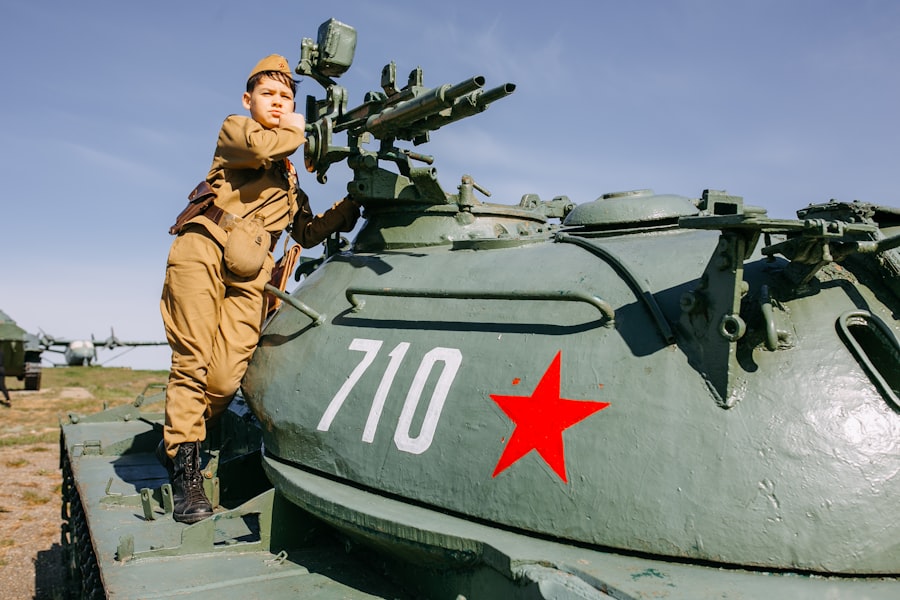
The structure of the Soviet Army’s supply chain was characterized by a highly centralized command system that mirrored the broader governance of the Soviet Union. At the top of this hierarchy was the Ministry of Defense, which oversaw all military operations, including logistics. Below this level, various departments were responsible for specific aspects of supply management, such as procurement, transportation, and maintenance.
This organization allowed for a coordinated approach to resource allocation but also created bottlenecks due to its rigid structure. Within this framework, different branches of the military had their own logistical units that operated under the central command. These units were tasked with ensuring that supplies reached their intended destinations efficiently.
The integration of various logistical functions—such as warehousing, transportation, and inventory management—was crucial for maintaining operational readiness. However, this centralized approach often led to inefficiencies, as local commanders had limited autonomy to make decisions based on immediate needs.
Challenges and Limitations of the Soviet Army’s Supply Chain
| Challenges and Limitations | Soviet Army’s Supply Chain |
|---|---|
| 1 | Lack of modern technology |
| 2 | Poor infrastructure |
| 3 | Inefficient logistics |
| 4 | Dependence on foreign suppliers |
| 5 | Political interference |
Despite its strengths, the Soviet Army’s supply chain faced numerous challenges that hindered its effectiveness. One significant limitation was the reliance on outdated infrastructure, particularly in remote regions where access to transportation networks was limited. This lack of modern facilities often resulted in delays and difficulties in moving supplies to frontline units when they were most needed.
Additionally, bureaucratic inefficiencies within the centralized system could lead to miscommunication and delays in decision-making. Another challenge was the inherent complexity of managing a vast supply chain that spanned multiple geographic regions and diverse operational environments. The sheer scale of operations required constant coordination among various departments and units, which could be difficult to achieve in practice.
Furthermore, economic constraints often meant that resources were stretched thin, leading to shortages in critical supplies such as ammunition, food, and medical equipment. These limitations underscored the need for continuous adaptation and improvement within the supply chain.
Role of Logistics and Transportation in the Soviet Army’s Supply Chain
Logistics and transportation were fundamental components of the Soviet Army’s supply chain, serving as the lifeblood that sustained military operations. The ability to move troops and supplies efficiently was paramount for maintaining combat readiness and responding to emerging threats. The Soviet military employed a variety of transportation methods, including railways, trucks, and waterways, to facilitate the movement of goods across vast distances.
Rail transport played a particularly vital role in logistics during both peacetime and wartime. The extensive railway network allowed for rapid movement of large quantities of supplies, which was essential during major offensives or when responding to enemy advances. However, reliance on railways also posed challenges; disruptions caused by enemy action or natural disasters could severely impact supply lines.
As a result, maintaining flexibility in transportation methods became increasingly important for ensuring that troops received necessary support.
Technology and Innovation in the Soviet Army’s Supply Chain
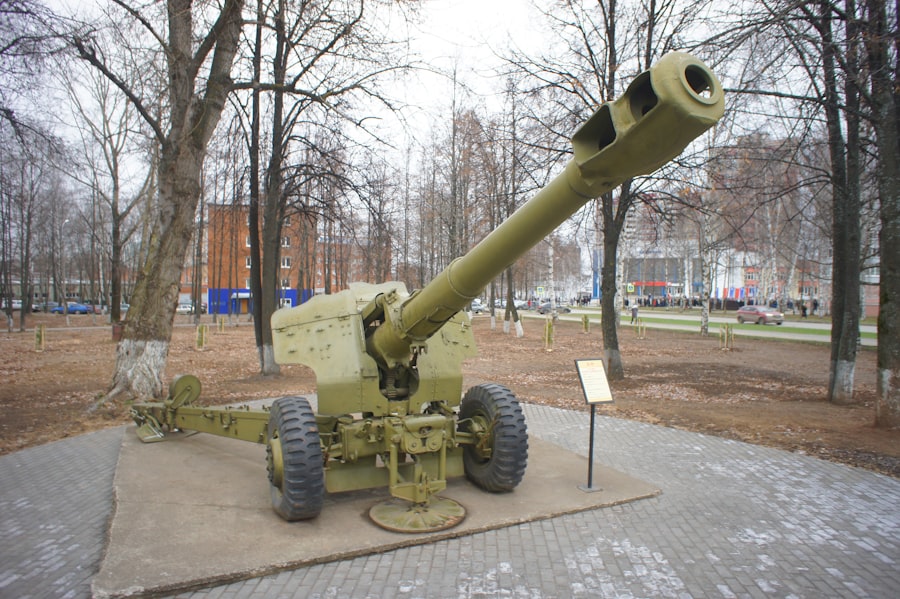
Throughout its history, the Soviet Army sought to leverage technology and innovation to enhance its supply chain capabilities. From early mechanization efforts in the 1930s to advancements in information technology in later decades, the military continuously explored ways to improve efficiency and effectiveness. Innovations such as automated inventory management systems and advanced communication technologies played a crucial role in streamlining operations.
During World War II, for instance, the introduction of motorized transport significantly improved logistics by allowing for quicker movement of supplies compared to traditional methods. The use of aircraft for aerial resupply missions also emerged as a critical innovation that enabled rapid delivery of essential goods to isolated units on the front lines. These technological advancements not only enhanced operational capabilities but also set a precedent for future developments within military logistics.
Impact of Political and Economic Factors on the Soviet Army’s Supply Chain
The political landscape of the Soviet Union had a profound impact on its military supply chain. Centralized planning and state control over resources meant that decisions regarding procurement and distribution were often influenced by political considerations rather than purely operational needs. This could lead to inefficiencies and misallocation of resources, as priorities shifted based on political agendas rather than military requirements.
Economic factors also played a significant role in shaping the supply chain’s effectiveness. The command economy model often resulted in shortages of critical materials due to production inefficiencies or mismanagement. Additionally, international sanctions and trade restrictions imposed during various periods further strained resources available for military logistics.
These economic constraints necessitated creative solutions within the supply chain but also highlighted vulnerabilities that could be exploited by adversaries.
Case Studies of Successful Supply Chain Operations in the Soviet Army
Despite its challenges, there were notable instances where the Soviet Army’s supply chain demonstrated remarkable effectiveness. One such example occurred during Operation Bagration in 1944, where rapid logistical support enabled Soviet forces to launch a successful offensive against German positions in Belarus. The ability to mobilize vast quantities of supplies quickly allowed for sustained operations that overwhelmed enemy defenses.
Another case study can be found during the Cold War era when the Soviet Union engaged in various proxy conflicts around the globe. In these situations, logistical support was crucial for maintaining influence in regions such as Africa and Asia. The establishment of supply depots and transportation networks facilitated not only military assistance but also political leverage through arms sales and support for allied regimes.
Lessons Learned from the Soviet Army’s Supply Chain
The experiences gleaned from the Soviet Army’s supply chain offer valuable lessons for contemporary military logistics. One key takeaway is the importance of adaptability in response to changing operational environments. The ability to pivot quickly in logistics can mean the difference between success and failure on the battlefield.
Additionally, fostering effective communication across different levels of command is essential for ensuring that resources are allocated efficiently. Another lesson is the need for continuous investment in infrastructure and technology. As demonstrated by historical challenges faced by the Soviet Army, outdated systems can severely hinder operational effectiveness.
Modern militaries must prioritize innovation and modernization within their supply chains to remain competitive in an ever-evolving landscape.
Comparison of the Soviet Army’s Supply Chain with Other Military Supply Chains
When comparing the Soviet Army’s supply chain with those of other military forces around the world, several key differences emerge. For instance, Western militaries often emphasize decentralized logistics systems that grant local commanders greater autonomy over resource allocation. This flexibility can lead to quicker responses to emerging needs on the battlefield compared to more centralized systems like that of the Soviet Union.
Additionally, Western militaries have increasingly integrated advanced technologies into their logistics operations, leveraging data analytics and real-time tracking systems to enhance efficiency. In contrast, while the Soviet Army made strides in technology adoption, its centralized approach sometimes limited innovation at lower levels of command. Understanding these differences can provide insights into how various military organizations can learn from one another’s successes and failures.
Future Prospects and Developments in the Soviet Army’s Supply Chain
Although the Soviet Union dissolved in 1991, its legacy continues to influence contemporary military logistics practices in Russia and beyond. Future prospects for military supply chains will likely involve further integration of advanced technologies such as artificial intelligence and automation to enhance efficiency and responsiveness. As geopolitical dynamics shift, adapting logistics strategies will be essential for maintaining operational readiness.
Moreover, lessons learned from historical experiences will inform future developments in military logistics across various nations. By analyzing past successes and failures within supply chains like that of the Soviet Army, modern militaries can better prepare for emerging challenges while ensuring that they remain agile and effective in an increasingly complex global landscape.
The logistics of the Soviet army during World War II played a crucial role in their ability to sustain prolonged military campaigns. For a deeper understanding of the complexities involved in supplying the Soviet forces, you can read the article on this topic at