Within the hallowed halls of the Pentagon, a complex tapestry of loyalty, duty, and dissent weaves itself into the fabric of military culture. While the public perception often paints a picture of unwavering allegiance to command, there exists a quieter, more nuanced reality. Many personnel harbor reservations about certain policies or decisions made at the highest levels.
This quiet dissent is not born out of disloyalty but rather from a deep-seated commitment to the principles of justice and ethical conduct that many service members hold dear. The tension between following orders and adhering to personal convictions creates an undercurrent of unease that permeates the institution. This internal conflict manifests in various ways, from whispered conversations in break rooms to anonymous reports filed through official channels.
The individuals involved often grapple with the implications of their dissent, weighing the potential consequences against their moral obligations. The Pentagon, as a symbol of American military power, is not immune to the complexities of human emotion and ethical considerations. As such, the quiet dissent within its walls reflects a broader struggle within society regarding authority, accountability, and the pursuit of truth.
Key Takeaways
- Silent resistance within the Pentagon manifests as subtle, quiet acts of dissent against certain policies or decisions.
- These acts of defiance can significantly impact military operations, often complicating command and control.
- Silent resisters face ethical dilemmas and personal challenges, balancing duty with conscience.
- Technology plays a dual role, both enabling silent resistance and posing risks of exposure.
- Support networks are crucial for silent resisters, providing solidarity and resources amid potential consequences.
The Rise of Silent Resistance
In recent years, there has been a notable rise in silent resistance among military personnel. This phenomenon can be attributed to several factors, including increased access to information and a growing awareness of global issues. As service members become more informed about the implications of military actions, they often find themselves at odds with directives that seem misaligned with their values.
This silent resistance is characterized by a refusal to accept orders blindly, leading to a more thoughtful approach to military engagement. The rise of silent resistance is also fueled by a generational shift within the armed forces. Younger service members, who have grown up in an era marked by social movements and calls for accountability, are more inclined to question authority and advocate for change.
This shift has led to a culture where dissent is increasingly viewed as a necessary component of responsible service rather than an act of insubordination. As these individuals navigate their roles within the military, they often seek ways to express their concerns without jeopardizing their careers or reputations.
The Subtle Acts of Defiance
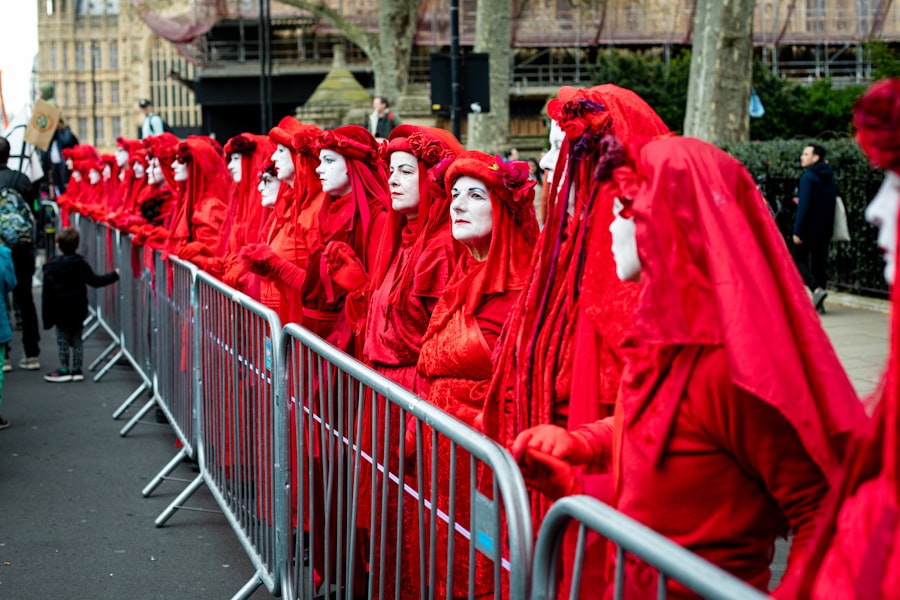
Silent resistance often manifests through subtle acts of defiance that may go unnoticed by superiors but resonate deeply within the ranks. These acts can range from small gestures, such as choosing not to participate in certain training exercises that conflict with personal beliefs, to more significant actions like advocating for policy changes through informal channels. Such behaviors reflect a growing recognition among service members that they can influence change without resorting to overt confrontation.
Moreover, these subtle acts serve as a form of solidarity among those who share similar concerns.
This camaraderie can be empowering, encouraging others to voice their dissent in ways that feel safe and constructive.
As these acts accumulate, they contribute to a broader culture of questioning and reflection within the military, challenging the status quo while maintaining respect for the chain of command.
The Impact of Silent Rebellion on Military Operations
| Metric | Description | Impact on Military Operations | Example/Notes |
|---|---|---|---|
| Operational Efficiency | Measure of how effectively military units complete missions | Decreased by 15-25% due to lack of open communication and covert dissent | Silent rebellion leads to delays and miscoordination |
| Morale Levels | Average troop morale on a scale of 1-10 | Drop from 7.8 to 5.2 in units experiencing silent rebellion | Lower morale affects combat readiness and cohesion |
| Discipline Infractions | Number of reported disciplinary issues per 100 soldiers | Increase by 30% in units with silent rebellion | Includes insubordination and non-compliance with orders |
| Communication Breakdown Incidents | Number of critical communication failures per operation | Rise by 40% due to covert resistance and withholding information | Leads to operational errors and compromised missions |
| Attrition Rate | Percentage of personnel leaving or being discharged | Increase from 5% to 12% annually in affected units | Silent rebellion contributes to higher turnover |
| Mission Success Rate | Percentage of missions completed successfully | Decline from 85% to 70% in units with silent rebellion | Operational effectiveness is compromised |
The impact of silent rebellion on military operations can be profound, often leading to unintended consequences that ripple through the ranks. When personnel engage in quiet dissent, it can create an atmosphere of mistrust and uncertainty that affects morale and cohesion. Service members may find themselves torn between their loyalty to their comrades and their ethical convictions, leading to a decline in overall effectiveness.
This internal struggle can hinder decision-making processes and complicate mission execution. On the other hand, silent rebellion can also serve as a catalyst for positive change within military operations. When individuals raise concerns about specific policies or practices, it can prompt leadership to reevaluate strategies and consider alternative approaches.
This feedback loop can ultimately enhance operational effectiveness by ensuring that decisions are informed by diverse perspectives and grounded in ethical considerations. In this way, silent rebellion can act as a corrective force within the military, fostering an environment where critical thinking and moral reasoning are valued.
The Challenges Faced by Silent Resisters
Despite the potential benefits of silent resistance, those who engage in such behavior face numerous challenges. One significant hurdle is the fear of repercussions from superiors or peers. In an environment where loyalty is paramount, individuals may worry that expressing dissent—however quietly—could lead to ostracism or career stagnation.
This fear can stifle open dialogue and discourage others from voicing their concerns, perpetuating a cycle of silence that undermines accountability. Additionally, silent resisters often grapple with feelings of isolation and frustration. They may feel that their concerns are not being heard or taken seriously, leading to a sense of disillusionment with the institution they serve.
This emotional toll can impact mental health and overall well-being, making it essential for those who engage in silent resistance to find support networks that understand their struggles. Navigating these challenges requires resilience and courage, as individuals strive to balance their commitment to duty with their ethical convictions.
The Ethical Dilemmas of Silent Resistance

The ethical dilemmas faced by silent resisters are complex and multifaceted. On one hand, individuals may feel compelled to speak out against policies or actions they believe are unjust or harmful. However, doing so can put them at odds with their duty to follow orders and maintain unit cohesion.
This tension raises important questions about the nature of loyalty and the responsibilities of service members in upholding ethical standards. Moreover, silent resistance often forces individuals to confront their own values and beliefs. They must grapple with questions such as: What does it mean to serve honorably?
How can one reconcile personal convictions with institutional demands? These dilemmas can lead to profound introspection and personal growth but also create significant emotional strain. Ultimately, navigating these ethical challenges requires a delicate balance between personal integrity and professional obligations.
The Evolution of Quiet Dissent in the Pentagon
The evolution of quiet dissent within the Pentagon reflects broader societal changes regarding authority and accountability. Historically, military culture has emphasized obedience and conformity, often discouraging open dissent. However, as societal norms shift towards valuing transparency and ethical conduct, so too has the military’s approach to dissent.
The rise of social media and increased access to information have empowered service members to voice their concerns more effectively than ever before. This evolution has also been influenced by high-profile cases of whistleblowing and public outcry over military actions that have raised ethical questions. As these incidents gain attention, they challenge traditional notions of loyalty and prompt discussions about the role of dissent in fostering accountability within the armed forces.
The Pentagon’s response to this evolving landscape will likely shape the future of quiet dissent and its acceptance within military culture.
The Consequences of Speaking Out
While silent resistance allows for a degree of safety in expressing dissenting views, speaking out openly carries significant risks that can have lasting consequences for service members. Those who choose to voice their concerns publicly may face disciplinary action or even discharge from service. The stigma associated with dissent can lead to professional isolation and damage reputations within the military community.
However, speaking out can also lead to positive change and greater accountability within the institution. High-profile whistleblowers have often sparked important conversations about ethics and policy reform in the military. Their courage can inspire others to follow suit, creating a ripple effect that challenges entrenched practices and promotes transparency.
Ultimately, individuals must weigh the potential risks against the possibility of effecting meaningful change when considering whether to speak out.
The Role of Technology in Silent Resistance
Technology plays a crucial role in facilitating silent resistance within the Pentagon. The rise of social media platforms and secure communication channels has provided service members with new avenues for expressing dissent without fear of immediate repercussions. These tools allow individuals to share their experiences and concerns with a broader audience while maintaining anonymity if desired.
Moreover, technology enables service members to access information that may contradict official narratives or policies. This access empowers them to make informed decisions about their roles and responsibilities within the military context. As technology continues to evolve, it will likely further shape the landscape of silent resistance, providing new opportunities for connection and advocacy among those who seek change.
The Support Networks for Silent Resisters
Support networks play an essential role in sustaining silent resisters as they navigate their challenges within the military environment. These networks can take various forms, from informal groups of like-minded individuals who share similar concerns to formal organizations dedicated to advocating for ethical conduct within the armed forces. Such networks provide a sense of community and validation for those who may feel isolated in their dissent.
Additionally, mentorship programs can offer guidance and support for individuals grappling with ethical dilemmas related to silent resistance. Experienced service members who have navigated similar challenges can provide valuable insights and encouragement for those seeking to balance their convictions with their professional obligations.
The Future of Silent Rebellion in the Pentagon
The future of silent rebellion within the Pentagon remains uncertain but holds promise for fostering a culture that values ethical conduct and accountability. As societal norms continue to evolve, so too will expectations regarding transparency and dissent within military institutions. The increasing acceptance of diverse perspectives may pave the way for more open discussions about policies and practices that require scrutiny.
Moreover, as younger generations enter military service with different values and expectations regarding authority, they may challenge traditional norms surrounding dissent. This generational shift could lead to a more inclusive environment where service members feel empowered to voice their concerns without fear of retribution. Ultimately, the future of silent rebellion in the Pentagon will depend on how leadership responds to these changes and whether it embraces dissent as a vital component of responsible service.
In exploring the theme of subtle dissent within military institutions, the article titled “The Quiet Resistance in the Pentagon” sheds light on the complexities faced by personnel who challenge the status quo. For further insights into the dynamics of military culture and its impact on decision-making, you may find the article on military leadership and ethics particularly relevant.
WATCH THIS! The Secret Army That Controls the Pentagon’s Software
FAQs
What is the main focus of the article “The Quiet Resistance in the Pentagon”?
The article explores the subtle and often behind-the-scenes opposition within the Pentagon to certain policies or directives, highlighting how some military officials quietly resist or challenge decisions they disagree with.
Who are the key figures involved in the quiet resistance within the Pentagon?
The article discusses various military leaders, officials, and staff members who, while not publicly vocal, express dissent or push back against specific strategies or orders through internal channels.
Why is the resistance described as “quiet” in the Pentagon?
The resistance is termed “quiet” because it typically occurs discreetly, without public statements or open confrontation, to maintain professionalism and avoid undermining the chain of command.
What are some reasons for resistance within the Pentagon?
Reasons include disagreements over military strategies, ethical concerns, policy effectiveness, or the potential consequences of certain decisions on national security.
How does the quiet resistance impact Pentagon operations?
While it can slow down or complicate the implementation of policies, quiet resistance can also serve as a check, encouraging more thorough evaluation and debate within the military leadership.
Is quiet resistance common in military institutions like the Pentagon?
Yes, it is relatively common as military personnel balance obedience with their professional judgment and ethical considerations, often leading to internal debates and cautious dissent.
Does the article suggest that quiet resistance is beneficial or harmful?
The article presents quiet resistance as a complex phenomenon that can be both beneficial, by preventing rash decisions, and challenging, by potentially causing delays or internal friction.
How does the Pentagon handle instances of quiet resistance?
The Pentagon typically addresses such resistance through internal discussions, reviews, and sometimes adjustments to policies, aiming to reconcile differing viewpoints while maintaining order.
Are there historical examples of quiet resistance in the Pentagon mentioned in the article?
The article references past instances where Pentagon officials discreetly opposed certain military actions or policies, illustrating the longstanding nature of this phenomenon.
What implications does quiet resistance have for civilian-military relations?
Quiet resistance can affect civilian-military relations by highlighting tensions between military judgment and civilian leadership directives, underscoring the need for effective communication and mutual respect.