The silent hunters of the deep. These are the vessels that stalk beneath the waves, the United States Navy submarines, and their missions are shrouded in a veil of secrecy. For decades, these underwater marvels have been the sharpest edge of American military power, their operations crucial to national security yet largely unseen and unheard by the public. Understanding the “secrets” of these missions is not about exposing classified intelligence, but rather about illuminating the profound strategic significance, technological ingenuity, and immense human endeavor that define their existence.
Submarine forces are not merely another branch of the Navy; they represent a distinct and vital strategic capability. The ability to operate undetected beneath the ocean’s surface grants the United States a unique advantage in an increasingly complex global landscape. This advantage is not built on brute force alone, but on a foundation of stealth, intelligence, and the psychological impact of an unseen threat.
Deterrence Through Presence
The primary role of U.S. Navy submarines in global deterrence is paramount. Their mere existence, known but their exact locations unknown, acts as a powerful disincentive to potential adversaries. Imagine a predator, its presence felt by the rustling of leaves and the snapping of twigs, even though it remains hidden in the shadows. Submarines function in a similar fashion, their potential for decisive action instilled in the minds of those who might contemplate aggression. This constant, unseen pressure shapes the strategic calculations of nations and contributes to a more stable, albeit tense, international order.
Power Projection Without a Footprint
Unlike surface fleets or air power, submarine missions can project American influence and capability without a visible signature. They can operate in denied or contested areas, gathering intelligence, conducting reconnaissance, or even delivering precision strikes, all while remaining concealed. This “zero footprint” approach is invaluable in scenarios where overt military presence could escalate tensions or compromise delicate diplomatic efforts. It allows the U.S. to maintain a credible threat posture without necessarily firing a shot or displaying a flag.
The Unblinking Eye: Intelligence Gathering
Submarines are unparalleled platforms for intelligence, surveillance, and reconnaissance (ISR). Their ability to loiter for extended periods, undetected, and in close proximity to a target, makes them invaluable assets for collecting crucial information. They are the silent observers of the underwater world, listening to the whispers of enemy communications, documenting the movement of ships and aircraft, and mapping the seabed. This data, then, becomes the lifeblood of strategic decision-making, informing policymakers and military commanders alike.
The secrets surrounding US Navy submarine missions have long been a topic of intrigue and speculation, shedding light on the advanced technology and strategic operations that define modern naval warfare. For a deeper understanding of these covert operations, you can explore the article titled “Under the Surface: Unveiling the Secrets of US Navy Submarine Missions” available at In The War Room. This piece delves into the complexities of submarine warfare, the challenges faced by crews, and the critical role these vessels play in national security.
The Technological Arsenal: Machines of the Deep
The effectiveness of U.S. Navy submarine missions is inextricably linked to the cutting-edge technology that powers these vessels. These are not simply metal hulls; they are sophisticated, self-contained ecosystems designed to operate in one of the most unforgiving environments on Earth. The constant innovation and integration of advanced systems are what allow them to fulfill their demanding roles.
Stealth Technology: The Art of Invisibility
The cornerstone of submarine operations is stealth. This is achieved through a multi-faceted approach, encompassing acoustic quieting, advanced sonar systems, and sophisticated hull designs. The goal is to minimize the submarine’s acoustic signature, making it virtually undetectable to enemy sensors. This is akin to a whisper in a hurricane, the sound so faint it is swallowed by the ambient noise.
Acoustic Quieting and Anchoic Tiles
Modern submarines are built with materials and designs that absorb and deflect sound, acting like a sponge for noise. The hulls are often coated with specialized anechoic tiles that disrupt sonar waves, preventing them from bouncing back clearly to an enemy’s listening devices. This meticulous attention to acoustic signature is a constant arms race, with engineers striving to outpace the detection capabilities of potential adversaries.
Advanced Sonar Systems: Ears of the Deep
While minimizing their own noise, submarines rely on sophisticated sonar systems to “hear” their surroundings. These systems use active and passive sonar to detect, classify, and track other vessels. Passive sonar listens for the sounds emitted by other ships, while active sonar sends out a pulse of sound and analyzes the returning echo. The sophistication of these systems allows submariners to distinguish between a whale song and a distant frigate, a testament to the precision required.
Propulsion Systems: Powering the Silent Cruise
The choice of propulsion system is critical for a submarine’s endurance and stealth. While some submarines utilize nuclear power, others rely on diesel-electric systems. Each has its advantages and disadvantages, influencing the operational parameters of the missions they undertake.
Nuclear Propulsion: Endurance and Speed
Nuclear-powered submarines, particularly ballistic missile submarines (SSBNs) and attack submarines (SSNs), possess virtually unlimited endurance due to their nuclear reactors. They can remain submerged for months at a time, covering vast distances without needing to surface or refuel. This capability is essential for strategic deterrence and long-duration intelligence gathering missions where continuous presence is key. The reactor is the heart of the beast, a contained furnace that provides the energy for sustained underwater operations.
Diesel-Electric Propulsion: The Silent Runner
Diesel-electric submarines, while requiring periodic surfacing to recharge their batteries, offer a distinct advantage in extreme stealth for shorter durations. When running on battery power, they are exceptionally quiet, making them ideal for clandestine operations in shallow or acoustically sensitive waters. This is like a runner who can move with almost imperceptible grace over short bursts, maximizing their silent approach.
Types of Submarine Missions: Roles Beneath the Waves
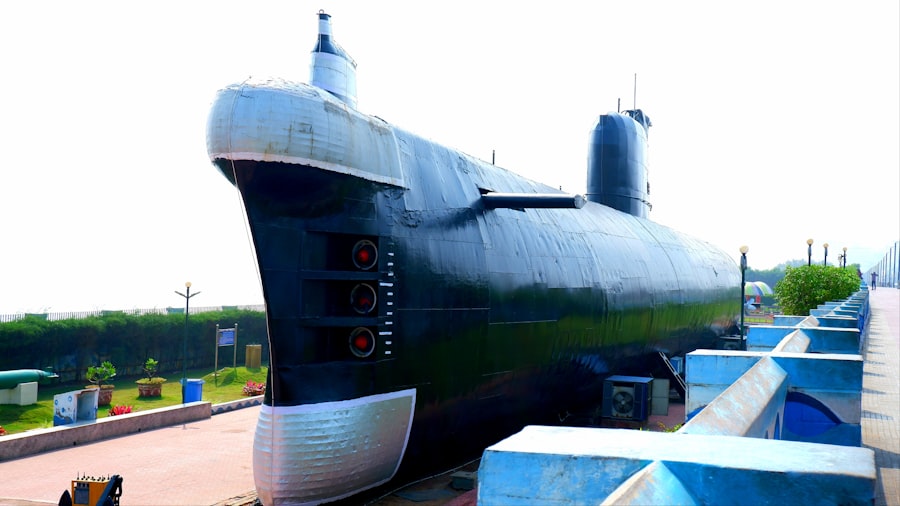
The United States Navy operates a diverse fleet of submarines, each tailored for specific mission profiles. Understanding these roles provides a clearer picture of the breadth and depth of their operational capabilities.
Strategic Deterrence: The Ultimate Guarantee
Ballistic missile submarines (SSBNs) are the silent sentinels of America’s nuclear triad. Loaded with intercontinental ballistic missiles (ICBMs), they represent the nation’s most survivable and responsive nuclear deterrent. Their primary mission is to provide a secure second-strike capability, ensuring that any nation contemplating a nuclear attack on the U.S. would face devastating retaliation. These submarines are the ultimate insurance policy, a promise of overwhelming force held in reserve.
The Triad’s Underwater Leg
The SSBN force forms the underwater leg of the U.S. nuclear triad, complementing land-based ICBMs and strategic bombers. This diversification ensures that no single attack could neutralize America’s nuclear deterrent. The constant patrols of these submarines, dispersed across the globe’s oceans, make them incredibly difficult to target and destroy, a crucial element of their deterrent value.
Continuous Patrols and Global Reach
SSBNs operate on continuous patrols, meaning they are almost always at sea, ready to respond. Their ability to remain submerged for extended periods and their long-range missile capabilities allow them to hold virtually any target on Earth at risk. This persistent presence is not about aggressive posturing, but about a constant, unwavering statement of resolve.
Attack Submarine Missions: The Hunter-Killers
Attack submarines (SSNs) are the workhorses of the submarine fleet. Their missions are varied and often involve hunting other submarines, engaging surface ships, and conducting intelligence gathering in contested waters. They are the predators of the deep, designed to seek out and neutralize threats.
Anti-Submarine Warfare (ASW): Hunting the Foe
A primary role for SSNs is anti-submarine warfare. They are equipped with advanced sonar and torpedoes designed to detect and destroy enemy submarines. This is a high-stakes game of cat and mouse, often played in the vast, dark expanse of the ocean, where the slightest sound can betray one’s position.
Anti-Surface Warfare (ASUW): Striking at the Surface
SSNs can also engage surface vessels with their torpedoes and, in some cases, cruise missiles. This capability allows them to interdict enemy shipping, provide escort for friendly vessels, or launch surprise attacks on enemy fleets. The ability to strike from beneath the waves with precision adds a dangerous unpredictable element to naval warfare.
Intelligence, Surveillance, and Reconnaissance (ISR)
Beyond their combat roles, SSNs are invaluable ISR platforms. They can covertly gather intelligence on enemy naval movements, gather acoustic data on new weapon systems, and conduct reconnaissance of sensitive coastal areas. This information is vital for understanding an adversary’s capabilities and intentions.
Special Operations Missions: The Deep Cover Agents
Submarines also play a critical role in supporting special operations forces (SOF). They can discreetly insert and extract SOF teams from enemy territory, provide over-the-horizon communication support, and conduct clandestine reconnaissance for amphibious assaults or other special missions.
Insertion and Extraction of Special Forces
Submarines can approach coastlines undetected and deploy SOF teams via specialized mini-submarines or through combat swimmer operations. Similarly, they can recover these teams after their missions are complete, acting as a phantom raft in the darkness. This requires an incredible level of coordination and trust between the submarine crew and the special operations unit.
Underwater Support and Communications
Submarines can provide crucial underwater support for SOF operations, acting as a mobile communication hub or a stealthy platform for intelligence gathering. They can also deliver specialized equipment or supplies to SOF teams operating in remote locations. This unseen logistical backbone is as critical as the direct action itself.
The Human Element: The Unsung Heroes

Beneath the advanced technology and strategic objectives lies the human element: the highly trained and dedicated crews who operate these complex machines. Their lives are a testament to discipline, skill, and sacrifice. The psychological demands of long deployments in confined spaces, far from sunlight and familiar comforts, are immense.
Rigorous Training and Selection
Submariners undergo some of the most demanding training in the U.S. military. They are selected for their intelligence, discipline, and ability to work effectively in small teams under intense pressure. This is not a job for the faint of heart; it requires a level of commitment that extends far beyond the call of duty.
The Psychological Demands of Submarine Life
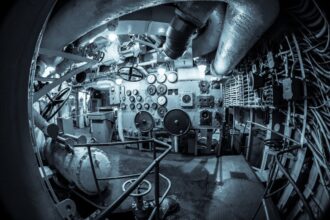
Life aboard a submarine is unlike any other military posting. Crews live and work in close quarters for months on end, with limited contact with the outside world. The absence of natural light, the constant hum of machinery, and the lack of personal space can take a significant toll. Yet, submariners are renowned for their cohesion and ability to function as a unified team. They are a family, bound by the shared experience of the deep.
The Submariner’s Mindset: Vigilance and Trust
A submariner’s mindset is one of constant vigilance. Every sound, every vibration, every change in pressure is noted and analyzed. There is an implicit trust placed in each member of the crew, as the actions of one can affect the safety and success of all. This deep sense of responsibility is the bedrock of successful submarine operations.
The secrecy surrounding US Navy submarine missions has always intrigued military enthusiasts and analysts alike. An insightful article that delves into the complexities and strategic importance of these underwater operations can be found here. For those interested in understanding the nuances of submarine warfare and the technologies involved, this resource offers a comprehensive overview of the subject. You can read more about it in this detailed article that sheds light on the covert activities of the US Navy’s submarines.
The Future of Submarine Operations: Evolving Threats and Technologies
| Mission Type | Submarine Class | Duration (Days) | Primary Objective | Known Secrecy Level |
|---|---|---|---|---|
| Intelligence Gathering | Los Angeles-class | 30-60 | Surveillance of foreign naval activity | Top Secret |
| Special Operations Support | Seawolf-class | 20-45 | Insertion and extraction of special forces | Top Secret |
| Ballistic Missile Patrol | Ohio-class | 70-90 | Strategic nuclear deterrence | Highly Classified |
| Underwater Surveillance | Virginia-class | 25-50 | Monitoring undersea communications and movements | Secret |
| Mine Laying | Los Angeles-class | 15-30 | Deploying naval mines in strategic areas | Secret |
The landscape of warfare is constantly shifting, and U.S. Navy submarines must evolve to meet new challenges. The development of new technologies and the anticipation of future threats are at the forefront of submarine force planning.
Countering Emerging Threats
As adversaries develop more sophisticated anti-submarine warfare capabilities, the U.S. Navy must continuously innovate to maintain its stealth advantage. This includes developing new materials, advanced acoustic countermeasures, and more sophisticated methods of passive detection. The silent hunters must become even more silent.
Autonomous and Unmanned Systems
The integration of autonomous and unmanned underwater vehicles (UUVs) is poised to revolutionize submarine operations. These unmanned systems can extend the reach and capabilities of manned submarines, performing tasks such as long-range reconnaissance, mine countermeasures, and even intelligence gathering in highly dangerous environments, without risking human lives. These drones of the deep will be an extension of the submarine’s senses and a force multiplier.
Networked Warfare and Data Integration
The future of submarine warfare will involve seamless integration into a networked battlefield. Submarines will be able to share information in real-time with other naval assets, air forces, and ground troops, creating a more comprehensive and responsive operational picture. This interconnectedness will allow submarines to act not as isolated hunters, but as integral components of a larger, coordinated war machine.
The secrets of U.S. Navy submarine missions are not cloaked in mystery for the sake of it. They are a necessary consequence of the vital, often unseen, work these vessels perform. They are the silent guardians, the technological marvels, and the human exemplars of a commitment to national security that operates far beneath the surface of public awareness, yet profoundly shapes global events. Their missions, though rarely spoken of, are a testament to the enduring power of strategic foresight, technological prowess, and the unwavering dedication of those who serve in the silent service.
FAQs
What types of missions do US Navy submarines typically undertake?
US Navy submarines conduct a variety of missions including intelligence gathering, surveillance and reconnaissance, special operations support, strategic deterrence with ballistic missiles, anti-submarine warfare, and strike missions using cruise missiles.
Are the details of US Navy submarine missions publicly available?
Most details about US Navy submarine missions are classified to protect national security and operational effectiveness. Only general information is publicly shared, while specific mission details remain secret.
What makes US Navy submarines effective for covert operations?
US Navy submarines are effective for covert operations due to their stealth capabilities, ability to operate underwater for extended periods, advanced sonar and communication systems, and the capacity to deploy special forces discreetly.
Do US Navy submarines carry nuclear weapons?
Yes, certain classes of US Navy submarines, specifically ballistic missile submarines (SSBNs), are equipped with nuclear missiles as part of the United States’ strategic nuclear deterrent.
How does the US Navy ensure the secrecy of submarine missions?
The US Navy maintains secrecy through strict operational security protocols, classified communication channels, compartmentalization of information, and rigorous training to prevent leaks and unauthorized disclosures.