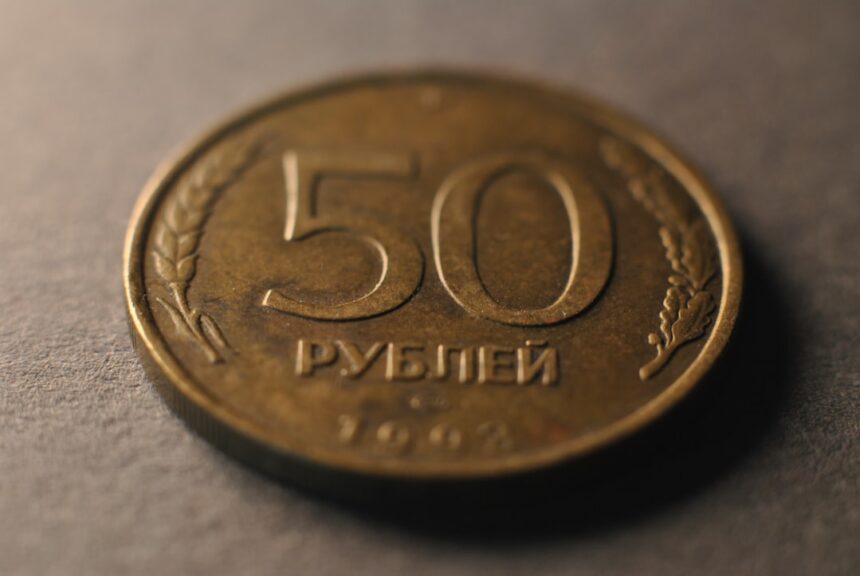
The Russian ruble has experienced significant fluctuations in value over the past decade, with a notable decline that has raised concerns among economists and policymakers alike. This depreciation is not merely a reflection of market forces but is intertwined with a complex web of geopolitical tensions, economic policies, and global market dynamics. As the ruble continues to lose its purchasing power, understanding the underlying causes and implications of this decline becomes increasingly critical for both domestic and international stakeholders.
The ruble’s decline is emblematic of broader economic challenges facing Russia. Once a symbol of national pride and economic stability, the currency’s depreciation has sparked debates about the future of the Russian economy and its ability to withstand external pressures. The interplay between domestic policies, international relations, and global economic trends has created a precarious situation for the ruble, prompting a closer examination of the factors contributing to its ongoing decline.
Key Takeaways
- The Ruble has experienced a significant decline in value due to various factors.
- International sanctions have played a major role in contributing to the devaluation of the Ruble.
- Fluctuating oil prices have also had a significant impact on the decline of the Ruble.
- Government policies have influenced the value of the Ruble, and inflation has further exacerbated its decline.
- The devaluation of the Ruble has significant implications for the Russian economy and requires strategic management.
Factors Contributing to the Ruble’s Loss in Value
Several factors have converged to drive the ruble’s depreciation, each contributing to a complex narrative of economic instability. One of the primary drivers is the persistent volatility in global oil prices, which significantly impacts Russia’s economy due to its heavy reliance on energy exports. As oil prices fluctuate, so too does the ruble’s value, creating a direct correlation between commodity prices and currency strength.
This dependency on oil revenues has left the ruble vulnerable to external shocks, making it susceptible to rapid declines during periods of low oil prices. In addition to oil price volatility, domestic economic policies have played a crucial role in shaping the ruble’s trajectory. Economic sanctions imposed by Western nations in response to geopolitical conflicts have further exacerbated the situation.
These sanctions have restricted access to international financial markets and limited foreign investment, leading to a decrease in demand for the ruble. As investors lose confidence in the currency’s stability, they are more likely to withdraw their investments, further driving down its value.
Impact of International Sanctions on the Ruble
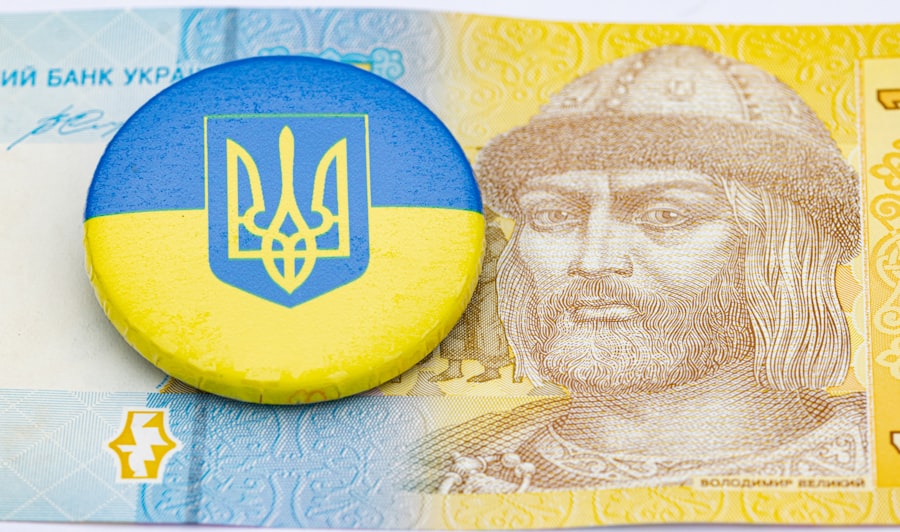
The imposition of international sanctions has had a profound impact on the ruble’s value, creating an environment of uncertainty and instability. Following Russia’s annexation of Crimea in 2014, Western nations implemented a series of sanctions targeting key sectors of the Russian economy, including finance, energy, and defense. These measures aimed to pressure the Russian government into changing its behavior but inadvertently contributed to the ruble’s decline by isolating it from global financial systems.
The sanctions have not only restricted access to foreign capital but have also led to a loss of investor confidence in the Russian economy. As foreign investors pull out their funds, the demand for the ruble decreases, resulting in further depreciation. Additionally, the sanctions have hindered Russia’s ability to engage in international trade, limiting its export potential and exacerbating the currency’s decline.
The cumulative effect of these sanctions has created a challenging environment for the ruble, making recovery increasingly difficult.
Role of Oil Prices in the Ruble’s Decline
| Year | Oil Price (USD) | Ruble Exchange Rate (RUB/USD) |
|---|---|---|
| 2014 | 96.29 | 38.52 |
| 2015 | 49.68 | 67.00 |
| 2016 | 43.58 | 62.64 |
| 2017 | 50.84 | 58.33 |
| 2018 | 64.90 | 62.98 |
Oil prices play a pivotal role in determining the value of the ruble, given that Russia is one of the world’s largest oil producers.
When oil prices rise, the ruble typically strengthens as foreign currency inflows increase; conversely, when prices fall, the ruble tends to weaken.
This direct correlation underscores the vulnerability of the ruble to fluctuations in global oil markets. In recent years, geopolitical tensions and changes in global energy demand have led to significant volatility in oil prices. Events such as OPEC production cuts or shifts in U.S.
energy policy can create ripple effects that impact not only oil prices but also the ruble’s value. For instance, during periods of low oil prices, Russia faces budgetary constraints that can lead to austerity measures and reduced public spending, further dampening economic growth and contributing to a weaker ruble.
Government Policies and the Ruble’s Value
The Russian government’s approach to economic management has also influenced the ruble’s value over time. In response to declining oil prices and international sanctions, policymakers have implemented various measures aimed at stabilizing the currency and supporting economic growth. These measures include interest rate adjustments by the Central Bank of Russia and interventions in foreign exchange markets to bolster the ruble’s value.
However, some critics argue that these policies have been insufficient or poorly timed, leading to continued volatility in the ruble’s value. For example, while raising interest rates can attract foreign investment and support the currency, it can also stifle domestic economic growth by increasing borrowing costs for businesses and consumers. Striking a balance between stabilizing the ruble and fostering economic growth remains a significant challenge for Russian policymakers.
Effects of Inflation on the Ruble
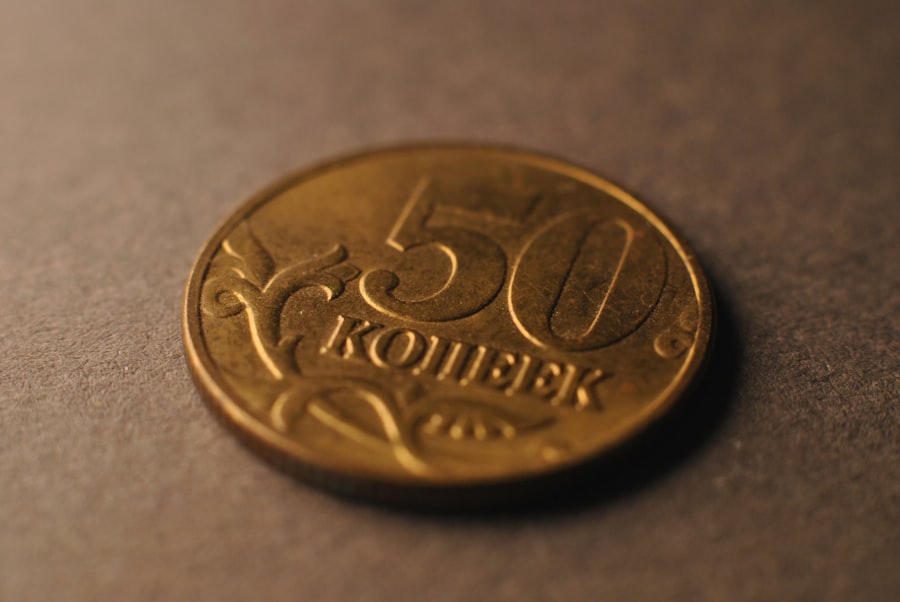
Inflation is another critical factor affecting the ruble’s value, as rising prices erode purchasing power and can lead to decreased consumer confidence. In recent years, Russia has grappled with inflationary pressures driven by various factors, including supply chain disruptions and rising costs for imported goods. As inflation rises, consumers may find themselves with less disposable income, leading to reduced spending and further weakening demand for the ruble.
Moreover, high inflation can prompt central banks to implement tighter monetary policies, such as increasing interest rates. While this may help stabilize the currency in the short term, it can also lead to slower economic growth as businesses face higher borrowing costs. The interplay between inflation and currency value creates a challenging environment for both consumers and policymakers as they navigate the complexities of an unstable economic landscape.
Implications of the Ruble’s Decline on the Russian Economy
The decline of the ruble carries significant implications for the broader Russian economy. A weaker currency can lead to increased costs for imported goods, contributing to inflationary pressures that affect consumers’ purchasing power. As prices rise, households may struggle to afford basic necessities, leading to decreased consumer spending and overall economic stagnation.
Additionally, a declining ruble can impact businesses that rely on imported materials or technology. As costs rise due to currency depreciation, companies may face challenges in maintaining profitability or investing in growth initiatives. This can create a cycle of reduced investment and economic contraction that further exacerbates the ruble’s decline.
Strategies for Managing the Ruble’s Loss in Value
To address the challenges posed by the ruble’s decline, various strategies can be employed by both policymakers and businesses. One potential approach is diversifying Russia’s economy away from its heavy reliance on oil exports. By investing in other sectors such as technology, agriculture, and manufacturing, Russia could reduce its vulnerability to fluctuations in global oil prices and create a more resilient economy.
Additionally, enhancing trade relationships with non-Western countries could provide alternative markets for Russian goods and services. By fostering partnerships with emerging economies in Asia and Africa, Russia may be able to mitigate some of the negative impacts of Western sanctions while simultaneously boosting demand for its currency.
Comparisons with Other Currency Depreciations
The ruble’s decline can be compared with other instances of currency depreciation around the world. For example, countries like Venezuela and Argentina have faced similar challenges due to economic mismanagement and external pressures. In these cases, rapid inflation and loss of investor confidence led to significant declines in currency value, resulting in severe economic consequences.
However, each situation is unique, shaped by specific geopolitical contexts and economic structures. While lessons can be drawn from these comparisons, it is essential for Russian policymakers to consider their unique circumstances when devising strategies for stabilizing the ruble.
Future Outlook for the Ruble
The future outlook for the ruble remains uncertain as various factors continue to influence its trajectory. While some analysts predict potential stabilization if oil prices recover or if geopolitical tensions ease, others caution that structural issues within the Russian economy may persist. The ongoing impact of international sanctions will likely continue to weigh heavily on investor sentiment and currency stability.
Moreover, as global economic dynamics shift—particularly with emerging markets gaining prominence—the ruble may face increased competition from other currencies as alternative investment options become more attractive. The ability of Russian policymakers to adapt to these changing conditions will be crucial in determining whether the ruble can regain its footing or continue its downward trend.
Conclusion and Recommendations for Addressing the Ruble’s Decline
In conclusion, addressing the decline of the ruble requires a multifaceted approach that considers both domestic policies and external factors influencing its value. Policymakers must prioritize economic diversification while fostering trade relationships beyond traditional partners. Additionally, implementing measures to enhance investor confidence—such as transparent governance practices—can help stabilize the currency over time.
Ultimately, while challenges remain formidable, proactive strategies aimed at strengthening Russia’s economic foundations could pave the way for a more resilient ruble in the future. By learning from past experiences and adapting to evolving global dynamics, Russia may find opportunities for recovery amidst adversity.
The recent decline in the value of the ruble has raised concerns among economists and investors alike. For a deeper understanding of the factors contributing to this situation, you can read the article on the broader economic implications at inthewarroom.
com/sample-page/’>this link. This article provides insights into the geopolitical tensions and economic policies that have influenced the ruble’s performance in the global market.
WATCH THIS! The War That Secretly Bankrupted An Empire: How Afghanistan Destroyed the USSR
FAQs
What is the ruble?
The ruble is the official currency of Russia. It is abbreviated as RUB and is represented by the symbol ₽.
Why has the ruble lost its value?
The ruble has lost its value due to various factors such as economic sanctions, geopolitical tensions, fluctuations in oil prices, and domestic economic issues.
How do economic sanctions affect the value of the ruble?
Economic sanctions imposed on Russia by other countries can restrict trade and investment, leading to a decrease in the value of the ruble.
What role do fluctuations in oil prices play in the devaluation of the ruble?
Russia is a major exporter of oil, and fluctuations in oil prices can significantly impact the value of the ruble, as the country’s economy is heavily dependent on oil revenues.
What are the domestic economic issues contributing to the devaluation of the ruble?
Domestic economic issues such as high inflation, low productivity, and political instability can also contribute to the devaluation of the ruble.
How does the devaluation of the ruble affect the Russian economy?
The devaluation of the ruble can lead to higher inflation, reduced purchasing power, and increased costs for imported goods, which can negatively impact the overall economy.