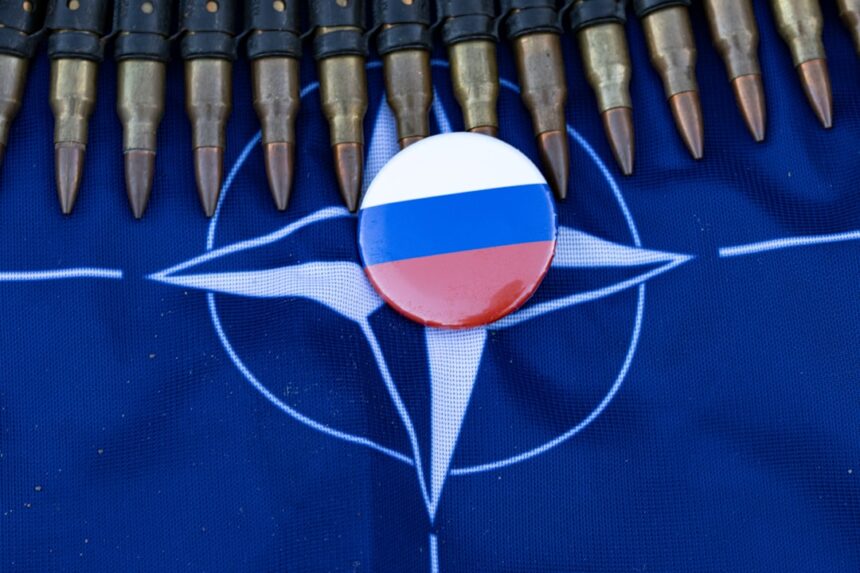
Geopolitical nuclear strategy refers to how nations integrate nuclear weapons into their foreign policy and security planning within the international system. States use nuclear capabilities to address security threats, maintain regional and global power balances, and conduct diplomatic relations. Nuclear weapons function as both potential military assets and deterrent mechanisms that influence state behavior and international negotiations.
Countries formulate nuclear strategies based on several key factors: their historical security experiences, current threat assessments, geographic position, alliance relationships, and observations of other nations’ nuclear policies. Nuclear weapon possession fundamentally alters strategic calculations by providing states with enhanced deterrent capabilities and increased diplomatic leverage in international affairs. Nuclear strategy requires states to demonstrate credible deterrent capabilities while avoiding actions that could trigger nuclear escalation or armed conflict.
This involves careful management of nuclear doctrine, force posture, and crisis communication. States must accurately assess their own nuclear capabilities, understand potential adversaries’ intentions and capabilities, and maintain clear signaling mechanisms during periods of tension. Nuclear strategies adapt continuously in response to evolving security environments, technological developments in weapons systems, changes in government leadership and policy priorities, and shifts in alliance structures.
Key Takeaways
- Geopolitical factors critically shape the development and implementation of nuclear strategies worldwide.
- Nuclear deterrence remains a central element influencing international relations and power balances.
- Alliances and regional security dynamics play significant roles in shaping nuclear policies and strategies.
- Emerging technologies are transforming the landscape of nuclear strategy and its geopolitical implications.
- Efforts in arms control, disarmament, and non-proliferation are deeply intertwined with geopolitical considerations.
Historical Development of Nuclear Strategy
The historical development of nuclear strategy can be traced back to the dawn of the atomic age during World War II, when the United States dropped atomic bombs on Hiroshima and Nagasaki. This unprecedented use of nuclear weapons not only ended the war but also ushered in a new era of military strategy that emphasized deterrence. The Cold War period marked a significant evolution in nuclear strategy, characterized by the doctrine of Mutually Assured Destruction (MAD).
Under this doctrine, both the United States and the Soviet Union amassed vast arsenals of nuclear weapons, creating a precarious balance where any nuclear exchange would result in catastrophic consequences for both sides. As the Cold War progressed, various strategies emerged to manage the risks associated with nuclear arsenals. The concept of flexible response allowed for a range of military options beyond just nuclear retaliation, while arms control agreements such as the Strategic Arms Limitation Talks (SALT) sought to curb the arms race.
The historical trajectory of nuclear strategy reflects a continuous struggle between the desire for security and the inherent dangers posed by nuclear proliferation. Each phase in this evolution has been marked by significant geopolitical events that shaped national policies and international norms surrounding nuclear weapons.
The Influence of Geopolitical Factors on Nuclear Strategy
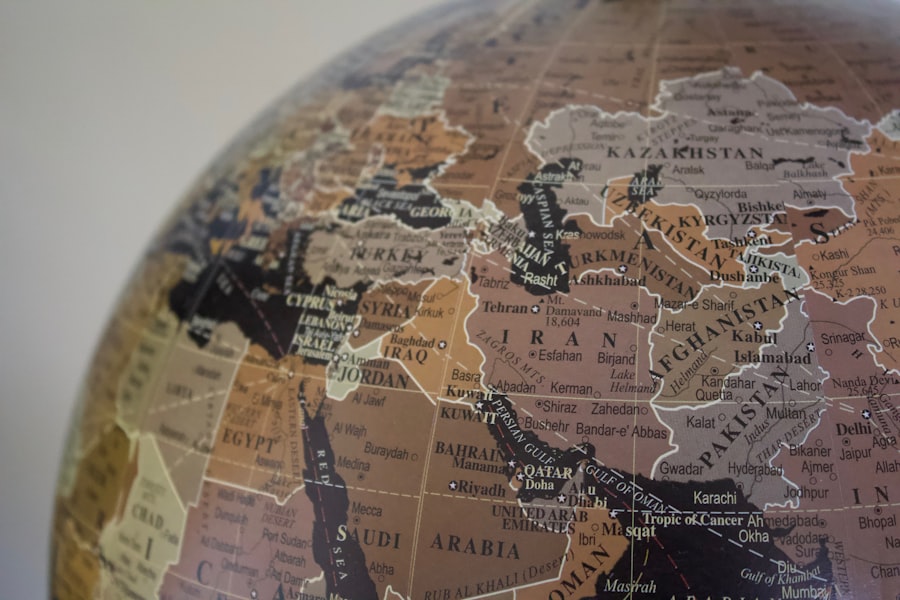
Geopolitical factors play a crucial role in shaping a nation’s nuclear strategy, influencing decisions regarding development, deployment, and potential use of nuclear weapons. Geographic considerations, such as proximity to adversaries and regional conflicts, often dictate how states perceive threats and formulate their responses. For instance, countries situated in volatile regions may prioritize their nuclear capabilities as a means of ensuring national security against neighboring states with hostile intentions.
This geographical context can lead to an arms race, as nations seek to bolster their defenses in response to perceived threats from rivals. Moreover, historical relationships between states significantly impact their nuclear strategies. Long-standing rivalries or alliances can dictate how countries approach nuclear weapons.
For example, India and Pakistan’s contentious history has led both nations to develop robust nuclear arsenals as a deterrent against each other. Similarly, the United States’ alliances with NATO members have influenced its nuclear posture in Europe, reinforcing collective security arrangements while simultaneously deterring potential aggressors. Thus, geopolitical factors are not merely background elements; they are integral to understanding how nations craft their nuclear strategies.
The Role of Nuclear Weapons in Geopolitical Power
Nuclear weapons have become synonymous with geopolitical power, serving as a symbol of national strength and influence on the global stage. The possession of nuclear capabilities often elevates a nation’s status in international relations, granting it a seat at the table in discussions about global security and diplomacy. Countries with nuclear arsenals are frequently viewed as major players in geopolitical affairs, capable of shaping outcomes through both deterrence and coercion.
This dynamic creates a hierarchy among states, where those without nuclear capabilities may feel compelled to align with or appease nuclear-armed nations to ensure their own security. Furthermore, the role of nuclear weapons extends beyond mere deterrence; they can also be leveraged as tools for political bargaining. Nations may use their nuclear status to extract concessions from other states or to enhance their negotiating power in international forums.
This interplay between military capability and diplomatic leverage underscores the multifaceted nature of geopolitical power in the context of nuclear strategy. As such, the presence of nuclear weapons can significantly alter the calculus of international relations, influencing everything from conflict resolution to alliance formation.
Nuclear Deterrence and its Impact on Geopolitical Relations
| Metric | Description | Current Status | Implications |
|---|---|---|---|
| Number of Nuclear Warheads | Total operational nuclear warheads held by major powers | Approx. 13,000 globally | Indicates global nuclear deterrence capacity and potential threat level |
| Second-Strike Capability | Ability to respond to a nuclear attack with a retaliatory strike | Maintained by US, Russia, China, India, and others | Ensures deterrence stability and prevents first-strike advantage |
| Missile Defense Systems | Technologies designed to detect and intercept incoming missiles | Deployed in US, Russia, Israel, and parts of Asia | Alters strategic balance and may provoke arms race |
| Arms Control Agreements | International treaties limiting nuclear arsenals and testing | New START active; INF Treaty defunct | Framework for reducing nuclear risks and promoting transparency |
| Nuclear Doctrine | Official policy on the use of nuclear weapons | Varies: deterrence, no first use, or ambiguous | Shapes strategic postures and crisis stability |
| Geopolitical Hotspots | Regions with heightened nuclear tensions | South Asia, Korean Peninsula, Middle East | Potential flashpoints for nuclear escalation |
| Technological Advancements | Innovations in nuclear delivery and detection systems | Hypersonic missiles, cyber warfare integration | Complicates defense strategies and arms control efforts |
Nuclear deterrence remains a cornerstone of geopolitical relations among states with nuclear capabilities. The fundamental premise of deterrence is that the threat of retaliatory action will prevent adversaries from engaging in aggressive behavior. This principle has shaped military doctrines and foreign policies for decades, particularly during periods of heightened tension such as the Cold War.
The effectiveness of deterrence relies on credible communication; states must convincingly demonstrate their willingness and capability to respond to any nuclear aggression. However, the reliance on deterrence also introduces complexities into geopolitical relations. While it may prevent direct conflict between nuclear-armed states, it can also lead to miscalculations or misunderstandings that escalate tensions.
The potential for accidental launches or unauthorized use of nuclear weapons poses significant risks to global security. Additionally, nations may engage in aggressive posturing or military exercises to signal resolve, which can further strain diplomatic relations. Thus, while deterrence serves as a stabilizing force in some respects, it also complicates interactions among states and necessitates ongoing dialogue to manage risks associated with nuclear arsenals.
Geopolitical Considerations in Nuclear Arms Control and Disarmament

Geopolitical considerations are paramount in discussions surrounding nuclear arms control and disarmament efforts.
However, these negotiations are fraught with challenges stemming from differing national interests and security perceptions.
For instance, while some countries advocate for comprehensive disarmament based on humanitarian grounds, others may view their nuclear capabilities as essential for national defense against perceived threats. The geopolitical landscape significantly influences which arms control agreements are feasible and which are not. Historical rivalries can complicate negotiations; for example, U.S.-Russia relations have been characterized by both cooperation and contention regarding arms control treaties.
Additionally, emerging powers with growing nuclear ambitions may resist disarmament efforts if they perceive such actions as undermining their security interests. Consequently, successful arms control initiatives require careful consideration of the geopolitical context and an understanding of how various states prioritize their security needs.
The Role of Geopolitical Alliances in Nuclear Strategy
Geopolitical alliances play a critical role in shaping national nuclear strategies and policies. Alliances such as NATO provide member states with collective security assurances that often include extended deterrence through shared nuclear capabilities. This framework allows smaller nations to benefit from the protective umbrella offered by larger allies with significant nuclear arsenals.
As a result, alliances can influence individual countries’ decisions regarding their own nuclear programs; some may choose not to pursue independent capabilities if they feel secure under an allied umbrella. However, alliances also introduce complexities into geopolitical dynamics. The reliance on collective security can lead to tensions within alliances if member states have differing views on nuclear policy or if one member perceives another as a potential threat.
Additionally, changes in leadership or shifts in public opinion can impact alliance cohesion and commitment to shared nuclear strategies. Thus, while geopolitical alliances can enhance security through cooperative approaches to nuclear strategy, they also require ongoing dialogue and negotiation to address divergent interests among member states.
Geopolitical Nuclear Strategy and Non-proliferation Efforts
Non-proliferation efforts are deeply intertwined with geopolitical nuclear strategy, as nations seek to prevent the spread of nuclear weapons while navigating complex international relations. The Treaty on the Non-Proliferation of Nuclear Weapons (NPT) serves as a cornerstone for these efforts, establishing a framework for disarmament, non-proliferation, and peaceful uses of nuclear energy. However, geopolitical factors often complicate compliance with non-proliferation norms; states may prioritize national security over international commitments if they perceive threats from neighboring countries or rival powers.
The effectiveness of non-proliferation efforts is further challenged by regional dynamics and historical grievances that shape state behavior. For instance, countries in volatile regions may pursue nuclear capabilities as a means of ensuring their sovereignty against perceived aggressors. Additionally, geopolitical rivalries can lead to selective enforcement of non-proliferation norms; powerful states may overlook violations by allies while condemning similar actions by adversaries.
As such, achieving meaningful progress in non-proliferation requires addressing underlying geopolitical tensions and fostering an environment conducive to trust-building among nations.
The Impact of Emerging Technologies on Geopolitical Nuclear Strategy
Emerging technologies are reshaping the landscape of geopolitical nuclear strategy in profound ways. Advancements in missile defense systems, cyber capabilities, and artificial intelligence are altering traditional notions of deterrence and defense. For instance, improved missile defense technologies may embolden some states to adopt more aggressive postures, believing they can mitigate the risks associated with potential retaliation from adversaries.
Conversely, adversaries may respond by developing more sophisticated offensive capabilities designed to circumvent these defenses. Moreover, cyber warfare poses unique challenges to existing nuclear strategies by introducing vulnerabilities into command-and-control systems. The potential for cyberattacks on critical infrastructure raises concerns about unauthorized launches or disruptions in communication during crises.
As nations grapple with these emerging technologies, they must reassess their strategic calculations and consider how innovations can both enhance security and introduce new risks into an already complex geopolitical environment.
Geopolitical Nuclear Strategy and Regional Security Dynamics
Regional security dynamics significantly influence how nations formulate their geopolitical nuclear strategies. In areas marked by historical conflicts or territorial disputes, countries may perceive an urgent need to develop or maintain nuclear capabilities as a deterrent against adversaries. For example, tensions in East Asia have prompted North Korea to pursue an aggressive nuclear program despite widespread international condemnation; its leaders view these capabilities as essential for regime survival amid perceived threats from South Korea and the United States.
Additionally, regional alliances can shape collective approaches to security challenges posed by nuclear proliferation. Countries within specific regions may collaborate on security frameworks that address shared concerns about neighboring states’ nuclear ambitions while promoting stability through diplomatic engagement or joint military exercises. However, these dynamics can also lead to arms races if nations feel compelled to enhance their own capabilities in response to perceived threats from regional rivals.
The Future of Geopolitical Nuclear Strategy
The future of geopolitical nuclear strategy is likely to be shaped by ongoing shifts in global power dynamics, technological advancements, and evolving security challenges. As emerging powers assert themselves on the world stage, traditional notions of deterrence may be tested by new actors with varying motivations for pursuing nuclear capabilities. Additionally, climate change and resource scarcity could exacerbate existing tensions among states, potentially leading to conflicts that further complicate efforts toward disarmament or arms control.
Furthermore, international cooperation will be essential for addressing these challenges effectively; multilateral dialogues focused on arms control and non-proliferation must adapt to reflect contemporary realities while fostering trust among nations. As geopolitical landscapes continue to evolve, so too will the strategies employed by states regarding their nuclear arsenals—requiring ongoing vigilance and adaptability from policymakers committed to maintaining global stability amidst uncertainty.
In the realm of geopolitical nuclear strategy analysis, understanding the implications of current global tensions is crucial. A related article that delves into these complexities can be found on In The War Room, which provides insightful commentary and expert analysis on military strategy and international relations. For a deeper exploration of these themes, you can read the article [here](https://www.inthewarroom.com/).
WATCH THIS 🎬 DEAD HAND: The Soviet Doomsday Machine That’s Still Listening
FAQs
What is geopolitical nuclear strategy analysis?
Geopolitical nuclear strategy analysis involves studying how nuclear weapons influence international relations, power dynamics, and security policies among nations. It examines the strategic use, deterrence, and potential consequences of nuclear arsenals within the global political landscape.
Why is nuclear strategy important in geopolitics?
Nuclear strategy is crucial because nuclear weapons have the capability to cause massive destruction, influencing the balance of power between countries. Their presence affects diplomatic negotiations, military planning, and global stability, making their strategic management a key aspect of international security.
What are the main components of a nuclear strategy?
The main components include deterrence (preventing aggression through threat of retaliation), second-strike capability (ability to respond after a nuclear attack), arms control agreements, and doctrines governing the use or non-use of nuclear weapons.
How do geopolitical factors influence nuclear strategies?
Geopolitical factors such as regional conflicts, alliances, rivalries, and technological advancements shape how countries develop and deploy nuclear weapons. These factors determine threat perceptions and strategic priorities, influencing decisions on nuclear posture and diplomacy.
What role do international treaties play in nuclear strategy?
International treaties like the Non-Proliferation Treaty (NPT) and Strategic Arms Reduction Treaty (START) aim to limit the spread and reduce the number of nuclear weapons. They promote transparency, build trust, and help prevent nuclear conflict by establishing rules and verification mechanisms.
How does nuclear deterrence work?
Nuclear deterrence works by convincing potential adversaries that the cost of attacking with nuclear weapons would be unacceptably high due to assured retaliation. This threat of mutual destruction discourages the initiation of nuclear conflict.
What are the risks associated with nuclear strategies?
Risks include accidental launches, escalation of conflicts into nuclear war, proliferation to unstable regimes or non-state actors, and the potential for miscommunication or miscalculation leading to catastrophic outcomes.
How do emerging technologies impact nuclear strategy?
Emerging technologies such as missile defense systems, cyber warfare, and artificial intelligence can alter strategic balances by affecting command and control, early warning systems, and the effectiveness of deterrence, potentially leading to new security challenges.
Which countries are considered major players in nuclear strategy?
The major nuclear powers include the United States, Russia, China, France, and the United Kingdom. Other countries with nuclear capabilities include India, Pakistan, North Korea, and Israel (undeclared). Each has distinct strategic doctrines and geopolitical interests.
Can nuclear strategy analysis predict future conflicts?
While it cannot predict specific events, nuclear strategy analysis helps assess risks, understand potential flashpoints, and guide policy decisions to prevent nuclear conflict by identifying trends and strategic intentions among nuclear-armed states.