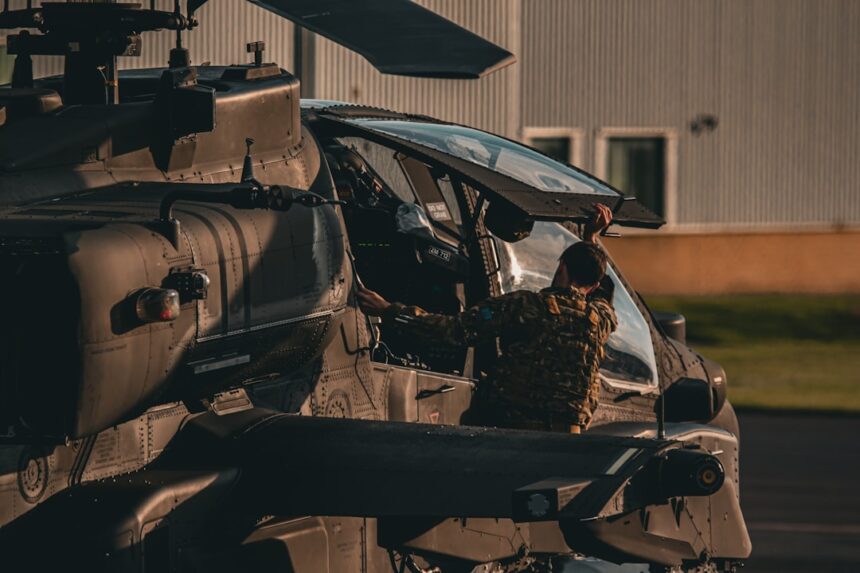
Defense sustainment costs represent a significant portion of military budgets worldwide, encompassing the expenses associated with maintaining and supporting military equipment, personnel, and operations over time.
As nations strive to modernize their military capabilities, understanding and managing these sustainment costs becomes increasingly critical.
The complexity of modern warfare, coupled with the rapid pace of technological advancement, has made it essential for defense organizations to develop comprehensive strategies that address these financial challenges. The importance of defense sustainment costs cannot be overstated. They directly impact a nation’s ability to project power, respond to crises, and maintain national security.
As military operations become more sophisticated and equipment more advanced, the associated costs of keeping these systems operational also rise. This article will explore the various factors contributing to the increasing costs of defense sustainment, the implications for military budgets, and the strategies that can be employed to mitigate these expenses while ensuring operational readiness.
Key Takeaways
- Defense sustainment costs are rising due to multiple complex factors impacting military budgets.
- Managing these costs presents significant challenges, including resource allocation and supply chain complexities.
- Technological advancements can both increase and help reduce sustainment expenses.
- Effective strategies involve long-term planning, collaboration, and improved supply chain management.
- Case studies highlight successful approaches to controlling costs and ensuring sustainable defense operations.
Factors Contributing to the Rising Costs
Several factors contribute to the rising costs of defense sustainment, each interlinked with the complexities of modern military operations. One primary factor is the increasing sophistication of military technology. As defense systems become more advanced, they often require specialized maintenance and support, which can drive up costs significantly.
For instance, modern aircraft and naval vessels are equipped with cutting-edge electronics and software that necessitate ongoing updates and repairs. This complexity not only increases the cost of spare parts but also demands a highly skilled workforce capable of managing these advanced systems. Another contributing factor is the aging of existing military equipment.
Many armed forces around the world are operating platforms that were designed decades ago. As these systems age, they require more frequent maintenance and repairs, leading to higher sustainment costs. The challenge lies in balancing the need for immediate operational readiness with the long-term financial implications of maintaining older equipment.
Additionally, supply chain disruptions—whether due to geopolitical tensions or global events like pandemics—can exacerbate these costs by delaying repairs and increasing the price of necessary components.
Impact on Military Budgets and Resources
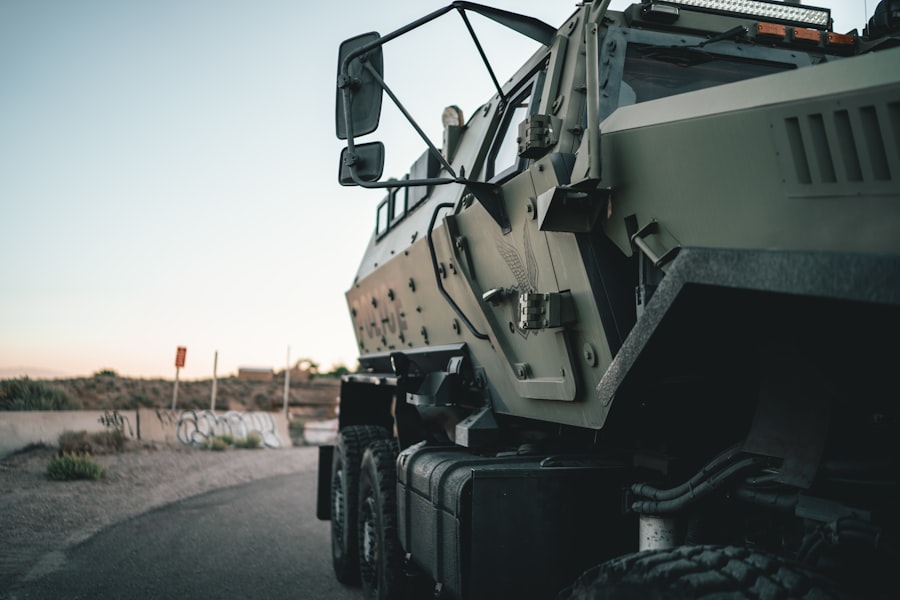
The rising costs of defense sustainment have profound implications for military budgets and resource allocation. As sustainment expenses consume a larger share of defense budgets, there is less funding available for new acquisitions and modernization efforts. This creates a challenging environment for military planners who must prioritize between maintaining current capabilities and investing in future technologies.
The result can be a cycle of underfunding new programs while overextending existing resources, ultimately jeopardizing operational readiness. Moreover, the impact on military resources extends beyond financial constraints. As sustainment costs rise, armed forces may be forced to make difficult decisions regarding personnel levels, training programs, and operational deployments.
For example, if a significant portion of the budget is allocated to maintaining aging equipment, there may be insufficient funds for training exercises that ensure troops are prepared for real-world scenarios. This can lead to a decline in overall military effectiveness and readiness, which is detrimental to national security.
Challenges in Managing Defense Sustainment Costs
Managing defense sustainment costs presents numerous challenges for military organizations. One significant hurdle is the lack of accurate data regarding current and projected sustainment expenses. Many defense agencies struggle with outdated accounting systems that do not provide real-time insights into spending patterns or cost drivers.
Without this information, decision-makers may find it difficult to identify areas where efficiencies can be gained or where cuts can be made without compromising readiness. Additionally, bureaucratic processes within defense organizations can hinder effective cost management. The complexity of procurement regulations and contracting procedures often leads to delays in acquiring necessary parts or services, which can increase costs further.
Furthermore, inter-service rivalry and competition for budgetary resources can complicate efforts to implement unified sustainment strategies across different branches of the military. These challenges necessitate a concerted effort to streamline processes and improve data management practices within defense organizations.
Technological Advancements and their Effect on Costs
| Factor | Description | Impact on Sustainment Costs | Example Metrics |
|---|---|---|---|
| Complexity of Systems | Modern defense equipment involves advanced technology and integration of multiple subsystems. | Increases maintenance time and specialized labor requirements. | Average maintenance hours per unit: 150-300 hrs/year |
| Obsolescence and Aging Equipment | Older systems require more frequent repairs and parts replacement due to wear and outdated technology. | Rises spare parts costs and downtime. | Parts failure rate increase: 10-20% annually |
| Supply Chain Challenges | Delays and scarcity in sourcing parts and materials. | Leads to increased inventory costs and extended repair cycles. | Average lead time for parts: 60-120 days |
| Labor Costs | Highly skilled technicians and engineers command premium wages. | Raises overall sustainment labor expenses. | Hourly labor rate: 75-150 per hour |
| Regulatory and Compliance Requirements | Strict safety, environmental, and operational standards must be met. | Increases documentation, testing, and certification costs. | Compliance-related costs: 5-10% of total sustainment budget |
| Technology Upgrades and Modifications | Continuous updates to maintain operational relevance. | Additional costs for retrofitting and re-certification. | Upgrade program costs: 15-25% of sustainment expenses |
| Operational Tempo | High usage rates accelerate wear and tear. | Increases frequency of maintenance and parts replacement. | Mean time between failures (MTBF): decreases by 20-30% |
Technological advancements have a dual effect on defense sustainment costs. On one hand, innovations such as predictive maintenance tools and advanced logistics software can help reduce costs by improving efficiency and minimizing downtime. For instance, predictive analytics can forecast when equipment is likely to fail, allowing for proactive maintenance that prevents costly repairs and extends the lifespan of assets.
Similarly, advanced logistics systems can optimize supply chains, ensuring that parts are available when needed without incurring excess inventory costs. On the other hand, the introduction of new technologies often comes with increased initial investment and ongoing support costs. As military forces adopt more sophisticated systems—such as unmanned aerial vehicles (UAVs) or cyber warfare capabilities—they must also invest in training personnel and developing new maintenance protocols.
This can lead to a temporary spike in sustainment costs as organizations adapt to new technologies. Therefore, while technological advancements hold promise for reducing long-term costs, they also require careful planning and investment upfront.
Strategies for Mitigating Rising Defense Sustainment Costs
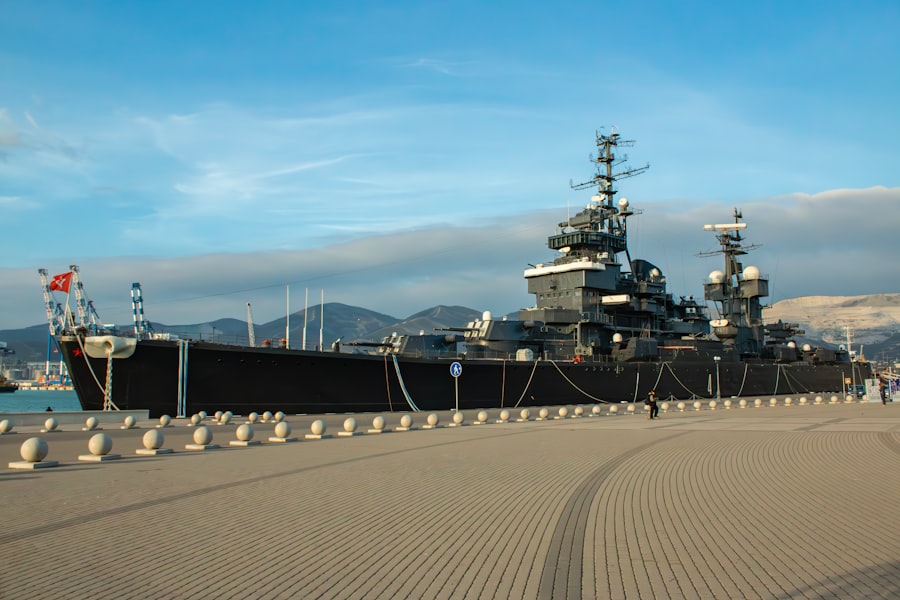
To address the rising defense sustainment costs effectively, military organizations must adopt a multifaceted approach that includes strategic planning and innovative practices. One key strategy is implementing a life-cycle cost analysis during the acquisition phase of new systems. By considering not only the initial purchase price but also the long-term sustainment expenses associated with a system, decision-makers can make more informed choices that align with budgetary constraints.
Another effective strategy involves fostering a culture of continuous improvement within defense organizations. By encouraging personnel at all levels to identify inefficiencies and propose solutions, organizations can tap into valuable insights that lead to cost savings. This could include streamlining maintenance processes or exploring alternative sourcing options for parts and services.
Additionally, investing in workforce development ensures that personnel are equipped with the skills needed to manage modern systems efficiently, ultimately reducing reliance on external contractors.
The Role of Supply Chain Management in Cost Control
Supply chain management plays a crucial role in controlling defense sustainment costs. An efficient supply chain ensures that necessary parts and materials are available when needed while minimizing excess inventory that ties up financial resources. By adopting best practices in supply chain management—such as just-in-time inventory systems—military organizations can reduce waste and improve responsiveness to operational demands.
Moreover, collaboration with industry partners can enhance supply chain efficiency. By establishing strong relationships with suppliers and leveraging their expertise in logistics and inventory management, defense organizations can gain access to innovative solutions that drive down costs. Additionally, integrating advanced technologies such as blockchain for tracking parts and materials can enhance transparency within the supply chain, further contributing to cost control efforts.
Case Studies of Successful Cost Management in Defense Sustainment
Examining case studies of successful cost management in defense sustainment provides valuable insights into effective practices that can be replicated across different organizations. One notable example is the U.S. Navy’s implementation of its Optimized Fleet Response Plan (OFRP), which focuses on improving maintenance schedules and reducing downtime for ships.
By aligning maintenance cycles with operational requirements more effectively, the Navy has been able to enhance fleet readiness while controlling sustainment costs. Another example is the U.S. Air Force’s use of data analytics to optimize maintenance practices for its aircraft fleet.
By analyzing historical maintenance data, the Air Force has identified patterns that allow for more accurate forecasting of maintenance needs. This proactive approach has led to significant reductions in unscheduled maintenance events and associated costs while improving aircraft availability for missions.
The Importance of Long-Term Planning in Defense Sustainment
Long-term planning is essential for effective defense sustainment cost management. By developing comprehensive strategies that account for future operational needs and potential budget constraints, military organizations can better position themselves to navigate financial challenges over time. This includes establishing clear priorities for modernization efforts while ensuring that existing systems are maintained adequately.
Furthermore, long-term planning allows for better alignment between procurement decisions and sustainment strategies. By considering how new acquisitions will fit into existing logistics frameworks and maintenance capabilities, decision-makers can avoid costly misalignments that lead to increased sustainment expenses down the line. Ultimately, a proactive approach to long-term planning fosters resilience within defense organizations as they adapt to evolving threats and budgetary pressures.
Collaboration and Partnerships in Reducing Defense Sustainment Costs
Collaboration and partnerships play a pivotal role in reducing defense sustainment costs across various sectors. By engaging with industry partners, academic institutions, and other government agencies, military organizations can leverage shared knowledge and resources to drive innovation in cost management practices. Collaborative initiatives can lead to joint research projects focused on developing new technologies or processes that enhance efficiency in sustainment operations.
Additionally, international partnerships can provide opportunities for cost-sharing arrangements among allied nations facing similar challenges in defense sustainment. By pooling resources for joint procurement or maintenance efforts, countries can achieve economies of scale that reduce individual expenditures while enhancing collective security capabilities.
The Future of Defense Sustainment Costs
The future of defense sustainment costs will undoubtedly be shaped by ongoing technological advancements, evolving geopolitical landscapes, and changing budgetary priorities. As military organizations strive to maintain operational readiness amid rising expenses, they must embrace innovative strategies that prioritize efficiency without compromising effectiveness. By leveraging data analytics, optimizing supply chains, and fostering collaboration both within and outside their organizations, armed forces can navigate the complexities of modern defense sustainment.
Ultimately, addressing rising defense sustainment costs requires a holistic approach that encompasses long-term planning, strategic partnerships, and a commitment to continuous improvement. As nations face increasingly complex security challenges in an interconnected world, effective management of these costs will be essential for ensuring that military forces remain capable of responding decisively to threats while safeguarding national interests for years to come.
One of the key factors contributing to the explosion of defense sustainment costs is the complexity of modern military systems and their maintenance requirements. For a deeper understanding of this issue, you can read the article on defense sustainment challenges at this link. This article delves into the various elements that drive up costs, including aging equipment, supply chain inefficiencies, and the need for advanced training and support.
FAQs
What are defense sustainment costs?
Defense sustainment costs refer to the expenses associated with maintaining, repairing, and supporting military equipment and systems throughout their operational life. This includes logistics, spare parts, personnel, training, and infrastructure needed to keep defense assets functional.
Why do defense sustainment costs tend to increase over time?
Sustainment costs often increase due to aging equipment requiring more frequent repairs, obsolescence of parts, inflation, evolving operational requirements, and the complexity of modern military systems. Additionally, extended service life beyond initial projections can lead to higher maintenance expenses.
How does technology complexity impact sustainment costs?
Advanced technology in defense systems can lead to higher sustainment costs because sophisticated components may require specialized maintenance, expensive spare parts, and highly trained personnel. Complex systems can also have higher failure rates or require more frequent updates.
What role does logistics play in defense sustainment costs?
Logistics is a significant factor in sustainment costs, encompassing the supply chain management of parts, transportation, storage, and distribution. Inefficiencies or disruptions in logistics can increase costs due to delays, increased inventory requirements, or emergency procurement.
Can poor initial design affect sustainment costs?
Yes, if a defense system is not designed with maintainability in mind, it can lead to higher sustainment costs. Difficult-to-access components, lack of standardization, or reliance on proprietary parts can complicate repairs and increase expenses.
How do changes in operational requirements influence sustainment costs?
Changes in mission profiles or operational environments can necessitate modifications, upgrades, or additional support, which can increase sustainment costs. For example, deploying equipment in harsher environments may require more frequent maintenance or specialized parts.
Are sustainment costs predictable during the acquisition phase?
While estimates are made during acquisition, sustainment costs are often difficult to predict accurately due to uncertainties in future usage, technological changes, and unforeseen maintenance challenges. This unpredictability can lead to cost overruns.
What strategies can help control or reduce defense sustainment costs?
Strategies include designing for maintainability, using common and modular components, investing in predictive maintenance technologies, improving supply chain efficiency, and conducting thorough lifecycle cost analyses during acquisition.
How does the aging of military equipment contribute to cost escalation?
As equipment ages, wear and tear increase, parts become obsolete, and maintenance becomes more frequent and complex. This leads to higher labor and material costs, as well as potential downtime that can affect operational readiness.
Is sustainment cost explosion unique to defense systems?
While sustainment cost increases can occur in many industries, defense systems often experience more pronounced cost escalations due to their complexity, long service lives, and the critical nature of their operational readiness requirements.