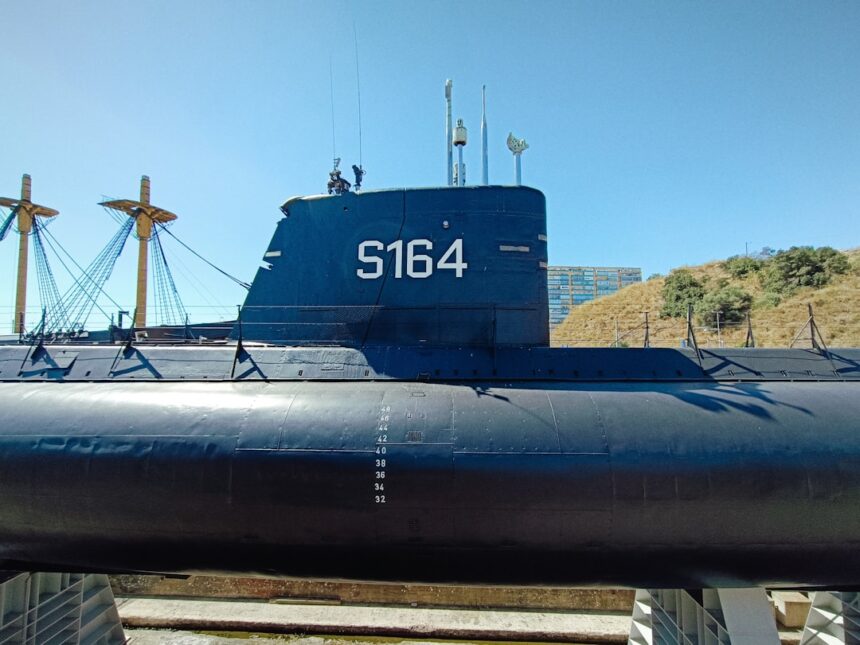
Soviet submarines were a vital element of the Soviet Navy and served important functions during the Cold War. These vessels were engineered to extend Soviet military influence and maintain strategic parity with the United States and NATO countries. The Soviet Union allocated substantial resources to submarine development, constructing multiple submarine classes including nuclear-powered attack submarines and ballistic missile submarines capable of carrying nuclear weapons.
These submarines represented both a military advancement and a demonstration of Soviet technological capability and global standing. Despite their operational significance, Soviet submarines encountered substantial technical limitations that reduced their combat effectiveness. A primary concern was excessive noise generation, which compromised their stealth capabilities.
Submarine effectiveness depends on the ability to operate without detection, enabling intelligence gathering, tactical positioning, and evasion of enemy forces. Design and engineering deficiencies in Soviet submarine construction frequently undermined this critical requirement, creating a gap between strategic objectives and operational performance.
Key Takeaways
- Soviet submarines faced significant challenges with noise levels affecting stealth capabilities.
- Design flaws and lack of advanced technology contributed to higher noise emissions.
- Inadequate maintenance and training further exacerbated noise problems.
- Political and economic constraints limited improvements in submarine quieting technologies.
- Despite efforts, Soviet submarines remained noisier compared to Western counterparts, impacting operational effectiveness.
Importance of Submarine Stealth
Stealth is the cornerstone of submarine warfare, allowing these vessels to operate covertly in hostile waters. The ability to remain undetected is vital for executing missions ranging from reconnaissance to launching missile strikes. Submarines that can effectively mask their presence can gather intelligence without alerting adversaries, making them invaluable assets in naval strategy.
The importance of stealth extends beyond mere survival; it is integral to the success of broader military operations. In the context of the Cold War, the stakes were particularly high. Both the United States and the Soviet Union recognized that the ability to track and target enemy submarines could determine the outcome of naval engagements.
As such, advancements in sonar technology and anti-submarine warfare tactics became focal points for both sides. For Soviet submarines, maintaining stealth was not just about avoiding detection; it was about ensuring that they could fulfill their strategic roles without becoming vulnerable targets themselves. The documentary reveals the shocking story of a KGB mole who infiltrated the highest levels of government.
Factors Affecting Submarine Noise Levels

Several factors contribute to the noise levels produced by submarines, significantly influencing their stealth capabilities. One primary factor is the design and construction of the submarine itself. The materials used, the shape of the hull, and the arrangement of internal components all play a role in how sound is transmitted through water.
For instance, a poorly designed hull can create turbulence, generating noise that can be detected by enemy sonar systems. Another critical factor is the machinery onboard. The engines and propulsion systems are often the loudest components of a submarine.
In Soviet submarines, many of these systems were based on older technologies that were not optimized for quiet operation. This reliance on outdated machinery meant that even when operating at slow speeds, these submarines could produce noise levels that compromised their stealth. Additionally, vibrations from equipment and crew activities can further contribute to noise pollution, making it challenging for these vessels to remain undetected.
Lack of Advanced Technology
The technological landscape during the Cold War presented significant challenges for Soviet submarine development. While the West was making strides in advanced materials and noise reduction technologies, Soviet engineers often struggled with outdated designs and limited access to cutting-edge innovations. This technological gap was exacerbated by a lack of investment in research and development, which hindered progress in creating quieter submarines.
Moreover, the centralized nature of the Soviet economy often stifled innovation. Engineers and designers were frequently constrained by bureaucratic processes that prioritized quantity over quality. As a result, many Soviet submarines were built with a focus on meeting production quotas rather than incorporating advanced technologies that could enhance stealth capabilities.
This lack of foresight ultimately left Soviet submarines at a disadvantage compared to their Western counterparts.
Design Flaws in Soviet Submarines
| Factor | Description | Impact on Noise Level |
|---|---|---|
| Design Philosophy | Focus on ruggedness and simplicity over stealth technology. | Higher mechanical noise due to less emphasis on noise reduction. |
| Propulsion System | Use of less advanced, noisier diesel engines and early nuclear reactors. | Increased engine and machinery noise transmitted through hull. |
| Machinery Mounting | Less effective vibration isolation and damping systems. | More vibration and noise transmitted to the hull and water. |
| Hull Design | Less hydrodynamic shaping and use of thicker steel hulls. | Increased flow noise and structural noise during movement. |
| Acoustic Coating | Limited or less effective anechoic tile technology compared to Western subs. | Higher sonar reflection and noise emission. |
| Operational Doctrine | Emphasis on speed and endurance rather than stealth. | Submarines operated at higher speeds, increasing noise. |
Design flaws in Soviet submarines were not merely incidental; they were systemic issues that arose from a combination of rushed production schedules and insufficient testing protocols. Many classes of submarines exhibited fundamental design shortcomings that affected their operational effectiveness. For example, some models had inadequate sound insulation or poorly designed propellers that generated excessive noise during operation.
These design flaws were often compounded by a lack of iterative testing and refinement. In contrast to Western practices that emphasized rigorous testing and feedback loops, Soviet submarine development frequently skipped critical evaluation phases. This oversight meant that many submarines entered service with unresolved issues that would later manifest as operational vulnerabilities.
Consequently, these design flaws not only hampered stealth but also limited the overall effectiveness of Soviet naval strategy.
Inadequate Maintenance and Training

The operational effectiveness of any military asset hinges on proper maintenance and training, both of which were often lacking in the Soviet submarine fleet. Maintenance routines were sometimes neglected due to resource constraints or logistical challenges, leading to deteriorating conditions onboard. Submarines that were not adequately maintained could experience mechanical failures or increased noise levels due to wear and tear on critical components.
Training for submarine crews also presented challenges. While some personnel received rigorous training, others were not afforded the same opportunities due to personnel shortages or prioritization of other military branches. This inconsistency meant that not all crews were equally prepared to operate their vessels effectively or respond to emergencies.
The combination of inadequate maintenance and uneven training created an environment where operational readiness was compromised, further diminishing the effectiveness of Soviet submarines.
Political and Economic Constraints
The political landscape of the Soviet Union had profound implications for its military capabilities, particularly in submarine development. Economic constraints often dictated military spending priorities, leading to underfunding in critical areas such as research and development for quieter submarine technologies. The emphasis on quantity over quality resulted in a fleet that was large but not necessarily effective in terms of stealth and operational capability.
Additionally, political decisions sometimes interfered with military strategy. Bureaucratic inefficiencies and infighting within the government could delay important projects or redirect resources away from submarine development toward other military initiatives deemed more pressing at the time. These political dynamics created an environment where strategic goals were often at odds with practical realities, ultimately impacting the performance of Soviet submarines on the global stage.
Impact of Noise on Soviet Submarine Operations
The noise generated by Soviet submarines had far-reaching consequences for their operational effectiveness. High noise levels made it easier for enemy forces to detect and track these vessels, undermining their primary advantage: stealth. As a result, Soviet submarines often found themselves at a disadvantage during critical missions, unable to approach targets undetected or evade enemy countermeasures.
Moreover, increased noise levels limited the tactical options available to commanders. Submarines that could not operate quietly were forced to adopt more conservative strategies, often relying on surface operations or other less effective means to achieve their objectives.
Comparison with Western Submarines
When comparing Soviet submarines with their Western counterparts, significant differences emerge in terms of design philosophy and technological advancements. Western nations prioritized stealth and noise reduction technologies, investing heavily in research and development to create quieter vessels capable of evading detection. This focus on stealth allowed Western submarines to operate more effectively in contested waters.
In contrast, many Soviet submarines were built with an emphasis on speed and firepower rather than stealth. While they boasted impressive capabilities in terms of armament and size, these advantages were often undermined by their inability to operate covertly. The disparity in design priorities meant that Western submarines could execute missions with greater success while remaining undetected, further solidifying their strategic advantage during the Cold War.
Efforts to Improve Soviet Submarine Noise Levels
Recognizing the challenges posed by noise levels, Soviet engineers made concerted efforts to address these issues over time. Some advancements were achieved through incremental improvements in design and technology, as well as lessons learned from operational experiences. Newer classes of submarines began incorporating features aimed at reducing noise generation, such as improved hull designs and quieter propulsion systems.
However, these efforts were often hampered by systemic issues within the Soviet military-industrial complex. Bureaucratic hurdles and resource limitations continued to pose challenges for engineers seeking to implement innovative solutions effectively. While some progress was made in reducing noise levels in later models, it was often too little too late to fully close the gap with Western submarine technology.
Legacy of Soviet Submarine Noise
The legacy of noise issues within the Soviet submarine fleet is multifaceted and continues to influence naval strategy today.
As naval powers continue to evolve their strategies and technologies, lessons learned from the shortcomings of Soviet submarines remain relevant.
Furthermore, the historical context surrounding Soviet submarine operations highlights how technological limitations can shape military outcomes. The inability to achieve effective stealth not only impacted individual missions but also influenced broader geopolitical dynamics during the Cold War era. As nations reflect on past naval engagements, understanding the implications of submarine noise levels remains crucial for future developments in underwater warfare strategy.
Soviet submarines were notorious for their loudness, which can be attributed to several design choices and technological limitations during the Cold War era. For a deeper understanding of this phenomenon, you can read more about the acoustic challenges faced by these submarines in the article available at In The War Room. This article delves into the engineering decisions that led to their distinctive noise profiles and the implications for naval warfare.
WATCH THIS 🛑 SHOCKING: The KGB Mole Who Made Every Soviet Submarine Visible
FAQs
Why were Soviet submarines generally louder than their Western counterparts?
Soviet submarines were often louder due to less advanced noise-reduction technologies, differences in design priorities, and manufacturing constraints. The Soviet focus was frequently on speed and armament rather than stealth, which contributed to higher noise levels.
What design factors contributed to the noise of Soviet submarines?
Factors included less effective hull shaping, noisier machinery and propulsion systems, and less sophisticated vibration isolation. Additionally, Soviet submarines often used less advanced sound-dampening materials compared to Western designs.
Did the loudness of Soviet submarines affect their operational effectiveness?
Yes, the higher noise levels made Soviet submarines easier to detect by Western anti-submarine warfare forces, reducing their stealth capabilities and increasing vulnerability during missions.
Were all Soviet submarines loud, or did noise levels vary by class?
Noise levels varied by class and era. Early Soviet submarines were generally louder, but later models incorporated improvements to reduce noise. However, even the quieter Soviet submarines were often noisier than contemporary Western designs.
What technological limitations influenced the noise levels of Soviet submarines?
Limitations included less advanced manufacturing techniques, lower precision in machinery construction, and less effective acoustic insulation materials. These factors combined to produce more mechanical noise and vibrations transmitted through the hull.
How did Western navies exploit the noise of Soviet submarines?
Western navies used advanced sonar and anti-submarine warfare tactics to detect and track Soviet submarines by their noise signatures, gaining strategic advantages during the Cold War.
Did the Soviet Union attempt to reduce submarine noise during the Cold War?
Yes, the Soviet Union made ongoing efforts to improve submarine stealth by developing quieter propulsion systems, better hull designs, and improved sound insulation, though these efforts often lagged behind Western advancements.
What role did political and economic factors play in the noise levels of Soviet submarines?
Political and economic constraints sometimes limited access to advanced materials and technologies, affecting the quality and noise reduction capabilities of Soviet submarines. Prioritization of quantity over quality also influenced design choices.