
The annals of espionage are replete with tales of daring infiltrations, ingenious decipherments, and the subtle dance of shadows, yet few missions, if any, can rival the sheer financial outlay and long-term commitment of what arguably stands as the priciest intelligence operation in history. This is not a story of a single clandestine raid or the theft of a blueprint, but rather a protracted, multi-faceted endeavor spanning decades, fundamentally altering geopolitical landscapes and costing sums that, even when adjusted for inflation, dwarf the budgets of many smaller nations. This was the Cold War’s intelligence war, and its most expensive chapter involved the relentless pursuit of understanding the Soviet Union.
The end of World War II ushered in a new era of global tension, marked by the ideological clash between the capitalist West and the communist East. The Soviet Union, having emerged as a formidable military power, quickly drew an “Iron Curtain” across Eastern Europe, isolating itself from the gaze of the Western world. This isolation was not merely political; it was a deliberate and comprehensive effort to obscure its military capabilities, scientific advancements, and internal political machinations. For Western intelligence agencies, this opaqueness was a strategic nightmare. Accurate information about Soviet intentions, capabilities, and vulnerabilities became the most valuable commodity on Earth, a veritable golden fleece that nations were willing to spend astronomical sums to acquire.
The Information Vacuum
The initial years of the Cold War were characterized by an acute information deficit regarding the USSR. Diplomatic channels were heavily constrained, and the few Westerners permitted to travel within the Soviet Union were closely monitored. This created an environment ripe for speculation and misinformation, leading to a desperate need for reliable intelligence to inform policy decisions, military planning, and strategic deterrence. The cost of not knowing was perceived as potentially catastrophic – nuclear war.
The Stakes: Nuclear Cataclysm
With the advent of atomic weapons, the stakes of this information battle escalated exponentially. The possibility of a surprise nuclear attack from the Soviet Union became a constant dread, a specter haunting the geopolitical landscape. Understanding Soviet nuclear capabilities, their delivery systems, and their strategic doctrine was no longer a matter of academic interest but one of national survival. This urgency fueled an unprecedented allocation of resources to intelligence gathering.
The most expensive intelligence mission in history has sparked significant interest and debate, particularly in light of its implications for national security and international relations. For a deeper understanding of the complexities surrounding such operations, you may want to explore a related article that delves into the intricacies of intelligence funding and its impact on global strategies. You can read more about this topic in detail at In The War Room.
Overhead Reconnaissance: Eyes in the Sky
One of the most significant and enduring investments in the effort to penetrate the Soviet veil was the development and deployment of sophisticated overhead reconnaissance platforms. Before the era of satellites, this meant incredibly risky flights by high-altitude spy planes, pushing the boundaries of aviation technology and human courage.
The U-2 Program: A Glimmer of Clarity
The Lockheed U-2 Dragon Lady, first flown in 1955, represented a quantum leap in aerial reconnaissance. Capable of flying at altitudes exceeding 70,000 feet, far above the reach of conventional Soviet interceptors at the time, the U-2 could photograph vast swathes of Soviet territory with unprecedented clarity. The development cost of the U-2 program, including its highly specialized cameras and support infrastructure, ran into hundreds of millions of dollars in 1950s currency, a staggering sum. Each operational flight was an elaborate and expensive undertaking, requiring meticulous planning, highly trained pilots, and extensive logistical support. The intelligence gleaned, however, including photographic evidence of Soviet missile sites and strategic bomber deployments, was deemed invaluable.
- Technological Marvel: The U-2 was a marvel of aeronautical engineering, designed for extreme altitude and endurance, pushing the limits of materials science and aerodynamics.
- Operational Risk: Despite its altitude advantage, U-2 pilots faced immense personal risk, as tragically demonstrated by the 1960 shootdown of Gary Powers.
- Intelligence Dividend: The photographs captured by the U-2 provided the first concrete evidence of Soviet military capabilities, dispelling fears of a “bomber gap” and later revealing the presence of ballistic missiles in Cuba.
The SR-71 Blackbird: Speed as Secrecy
Following the U-2’s vulnerabilities becoming apparent, the United States invested even more heavily in its successor, the SR-71 Blackbird. This Mach 3+ strategic reconnaissance aircraft, capable of flying faster than a rifle bullet and at altitudes approaching 85,000 feet, was designed to outrun any Soviet interceptor or missile. The research, development, and procurement costs for the SR-71 were astronomical. Its exotic materials (primarily titanium), specialized fuel, and advanced sensors made it arguably the most expensive aircraft ever built at the time, on a per-unit basis. The logistical tail required to operate the SR-71, including dedicated refueling tankers and highly specialized maintenance crews, further amplified its operational costs.
- Extreme Speed and Altitude: The SR-71 pushed the envelope of high-speed, high-altitude flight, making it virtually invulnerable to contemporary defenses.
- Technological Complexity: Its design necessitated groundbreaking advancements in materials science, engine technology, and avionics, each adding to the overall cost.
- Strategic Deterrent: The mere existence of the SR-71, capable of surveying hostile territory with impunity, served as a powerful intelligence-gathering tool and a psychological deterrent.
Satellite Intelligence: The Ultimate Viewpoint
As technology progressed, the mantle of overhead reconnaissance passed to satellites. The development and launch of reconnaissance satellites, beginning with the CORONA program in the early 1960s, represented a monumental financial commitment. Each satellite, packed with precision optics and film, was a multi-million-dollar endeavor, and each launch carried its own significant cost and risk. Over the decades, generations of increasingly sophisticated reconnaissance satellites, from electro-optical to radar imaging, were developed and deployed, creating an orbital network of intelligence gatherers. The infrastructure required to manage these systems – ground stations, data processing centers, and highly specialized analysts – further inflated the overall expenditure.
- Unprecedented Coverage: Satellites offered persistent, global coverage, overcoming the limitations of aircraft overflight restrictions.
- Technological Evolution: From film-return capsules to real-time digital imaging, satellite reconnaissance underwent continuous and costly technological upgrades.
- Long-Term Investment: The initial capital outlay for satellite programs was immense, but their long operational lifespans provided a continuous stream of intelligence.
Human Intelligence: The Ground War of Secrets
While overhead reconnaissance provided a bird’s-eye view, human intelligence (HUMINT) offered the vital context and nuance that machines could not. Recruiting, training, inserting, and exfiltrating agents behind the Iron Curtain was an incredibly expensive and dangerous undertaking, driven by the critical need for insights into Soviet intentions and internal dynamics.
Recruitment and Training: The Human Investment
Identifying and recruiting suitable agents was a painstaking and costly process. These individuals often required years of preparation, including language training, tradecraft instruction, and psychological conditioning to withstand the immense pressures of operating in a hostile environment. The compensation packages, including potential resettlement and new identities for successful defectors, were substantial. These were not mere employees; they were national assets, and their development came at a premium.
Infiltration and Operations: The Risky Game
Inserting agents into the Soviet Union and its satellite states involved elaborate and costly logistical operations, often employing specialized aircraft, maritime vessels, or covert border crossings. Once in place, agents required funding for their daily lives, communication equipment, and operational expenses. Maintaining secure communication channels, often involving sophisticated encryption devices and clandestine drops, was a continuous and expensive challenge. The risk of capture was ever-present, and the consequences severe, making each successful mission a testament to the heavy investment in preparation and execution.
- Deep Access: HUMINT offered access to information unattainable through technical means, including internal Soviet policy discussions and leadership intentions.
- Operational Security: Maintaining the secrecy of agents and their networks required constant vigilance and significant resource allocation.
- Psychological Warfare: Successful HUMINT operations could also sow distrust and paranoia within adversary ranks, another valuable, if intangible, return on investment.
Defectors and Double Agents: The High-Stakes Exchange
The defection of high-ranking Soviet officials or scientists, while rare, represented an intelligence windfall. The costs associated with extracting these individuals, resettling them (often with new identities and significant financial support), and debriefing them over extended periods were astronomical. Similarly, running double agents, carefully cultivated and controlled within Soviet intelligence, was an exceptionally nuanced and expensive operation, requiring constant attention to their security and credibility. The intelligence yield from such individuals, however, could drastically alter strategic assessments and preempt major crises.
Signals Intelligence: Listening to the Electronic Pulse

Complementing both overhead and human intelligence was the vast and ever-expanding field of signals intelligence (SIGINT). This involved intercepting, deciphering, and analyzing Soviet communications, a task that required immense technological investment and a large, specialized workforce.
Interception Platforms: The Ears of the West
From land-based listening posts positioned along the Iron Curtain to specialized SIGINT aircraft and ships patrolling international waters, the infrastructure for intercepting Soviet electronic communications was vast and expensive. These platforms were equipped with highly sensitive antennae and sophisticated electronic surveillance equipment, constantly updated to counter Soviet efforts at encryption and frequency hopping. The sheer number of such platforms and the personnel required to operate them constituted a significant budgetary drain.
Cryptanalysis: Breaking the Codes
The heart of SIGINT lay in cryptanalysis – the art and science of breaking encrypted communications. This required massive computing power, highly specialized mathematicians, linguists, and codebreakers. The development of advanced algorithms and the construction of supercomputers dedicated solely to decryption were multi-billion-dollar investments. The race between Soviet encryption methods and Western decryption capabilities was a relentless and costly arms race, played out in the realm of mathematics and electronics.
- Volume of Information: SIGINT provided an overwhelming volume of raw data, necessitating advanced processing and analytical capabilities.
- Technological Arms Race: The constant evolution of encryption and decryption technologies fueled continuous, costly research and development.
- Early Warning: SIGINT offered critical early warnings of Soviet military movements, technological advancements, and political shifts, providing invaluable lead time.
Analysis and Dissemination: Turning Data into Intelligence
Even with raw intercepted data, the work was far from over. A massive bureaucracy of analysts was required to sift through, translate, categorize, and interpret the millions of intercepted messages, telemetry signals, and radar emissions. This intelligence then needed to be packaged and disseminated to policymakers, military planners, and other intelligence agencies in a timely and actionable manner. The sheer scale of this analytical apparatus, employing thousands of highly skilled individuals, represented a substantial ongoing operational cost.
The most expensive intelligence mission in history has sparked significant interest among military analysts and historians alike. For those looking to delve deeper into the intricacies of such operations, a related article can provide valuable insights into the strategies and implications of high-stakes intelligence work. You can explore more about this fascinating topic in the article found here, which discusses the evolution of intelligence missions and their impact on global security.
The Financial Reckoning: Unprecedented Expenditures
| Mission Name | Country | Estimated Cost (in billions) | Duration | Purpose |
|---|---|---|---|---|
| Operation Neptune Spear | USA | 1.0 | Years leading up to 2011 | Capture/kill Osama bin Laden |
| Operation Ajax | USA/UK | 0.5 | 1953 | Overthrow Iranian Prime Minister Mossadegh |
| Venona Project | USA | 0.7 | 1943-1980s | Decrypt Soviet communications |
| Operation Cyclone | USA | 3.0 | 1979-1989 | Support Afghan Mujahideen against Soviet invasion |
| Manhattan Project (Intelligence Component) | USA/UK | 2.0 | 1942-1946 | Gather intelligence on Nazi nuclear program |
Putting an exact figure on the “priciest intelligence mission” is inherently difficult due to the classified nature of intelligence budgets and the long timeframe involved. However, when one considers the cumulative costs of all these interconnected efforts – the research and development, procurement, operational expenses, and personnel costs across multiple agencies and decades – the sums become astronomical.
The Hidden Costs of Secrecy
Beyond the direct costs of hardware and personnel, there are the hidden costs of secrecy. Maintaining multiple layers of classification, developing secure communication systems, and conducting parallel or redundant programs to ensure secrecy all consumed vast resources. The need to keep these operations hidden from the adversary and often from the public necessitated an additional layer of expense, from “black budgets” to elaborate covers and deception operations.
Long-Term Investment, Long-Term Dividends
While the financial outlay was immense, supporters argued that the intelligence gained prevented wider conflicts, averted nuclear confrontation, and provided the West with crucial strategic advantages throughout the Cold War. The ability to monitor Soviet missile deployments in Cuba, to track their nuclear arsenal, and to gain insight into their strategic intentions allowed for informed decision-making during incredibly tense periods. In this sense, the investment was seen as a premium for peace, a colossal insurance policy against a global catastrophe.
- Avoided Conflict: The ability to understand Soviet intentions and capabilities likely prevented escalations that could have led to war.
- Strategic Advantage: Intelligence provided a crucial advantage in the geopolitical chess game, allowing the West to anticipate moves and plan countermeasures.
- Technological Spinoffs: Many technologies developed for intelligence purposes found their way into civilian applications, creating additional economic value over time.
A Legacy of Expense and Efficacy
In conclusion, the effort to understand and counter the Soviet Union during the Cold War stands as an unrivaled testament to the financial lengths nations will go to secure vital intelligence. From the high-flying U-2s and SR-71s to the invisible web of satellites, from the shadowy world of human agents to the relentless pursuit of signals intelligence, every facet of this mission demanded an astonishing commitment of resources. It was a multi-generational undertaking, a continuous and evolving battle for information that unfolded on land, in the air, at sea, and in space. While the precise ledger remains shrouded in official secrecy, the scale of investment in this protracted intelligence war firmly establishes it as the priciest intelligence mission in history, a monumental gamble on knowledge that, for many, ultimately paid off in the currency of peace and strategic stability.
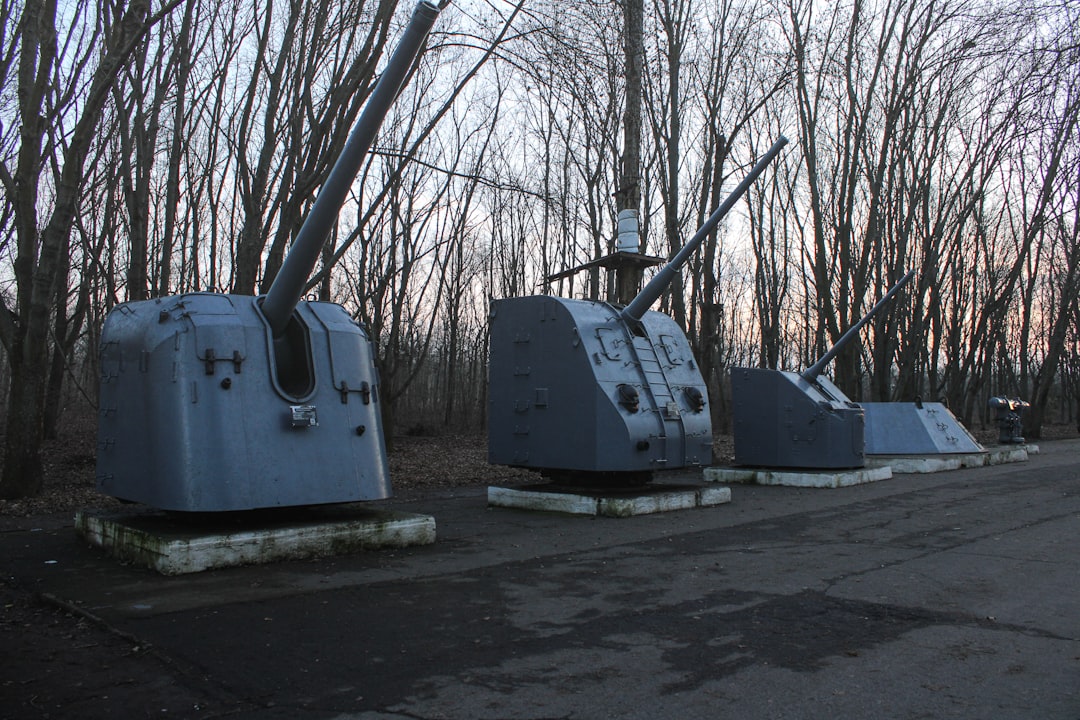
STOP: The Fake Mining Ship That Almost Started WW3
FAQs
What was the most expensive intelligence mission in history?
The most expensive intelligence mission in history is widely considered to be the U.S. National Security Agency’s (NSA) PRISM program, which involved extensive surveillance and data collection efforts costing billions of dollars over several years.
Why was the mission so costly?
The high cost was due to the advanced technology required for global electronic surveillance, the infrastructure needed to process vast amounts of data, and the extensive manpower involved in analyzing intelligence and maintaining security.
Which agencies were involved in this mission?
The mission primarily involved the NSA, but it also included cooperation with other U.S. intelligence agencies such as the Central Intelligence Agency (CIA) and the Federal Bureau of Investigation (FBI), as well as international intelligence partners.
What was the main objective of the mission?
The main objective was to gather intelligence on potential threats to national security, including terrorism, cyber threats, and foreign espionage, by intercepting and analyzing electronic communications worldwide.
What impact did the mission have on global intelligence operations?
The mission significantly advanced global intelligence capabilities, leading to improved threat detection and prevention. However, it also sparked widespread debates about privacy, legality, and the ethical implications of mass surveillance.