The world’s oceans are not static bodies of water, but rather dynamic systems in constant motion. This perpetual movement, driven by a complex interplay of forces, manifests as ocean currents. These immense, invisible rivers within the sea play a crucial role in regulating global climate, distributing heat and nutrients, and shaping marine ecosystems. Understanding the power of ocean currents is, in essence, understanding the beating heart of our planet.
Ocean currents are primarily governed by three main drivers: wind, density differences, and the Earth’s rotation. These forces act in concert, creating intricate patterns of water movement that span across vast oceanic basins.
Wind-Driven Surface Currents
The most visible and perhaps most intuitive force behind ocean currents is wind. As wind blows across the surface of the ocean, it exerts friction on the water, dragging it along. This frictional drag initiates the formation of surface currents. However, the relationship is not a simple one-to-one transfer of wind energy. The Earth’s rotation, through the Coriolis effect, causes these wind-driven currents to deflect. In the Northern Hemisphere, this deflection is to the right of the wind’s direction, and in the Southern Hemisphere, it is to the left. This explains the formation of large, circular ocean current systems known as gyres. These gyres, like colossal merry-go-rounds, dictate the directional flow of surface waters in major oceans. The Gulf Stream, a prime example, is a powerful western boundary current within the North Atlantic Gyre, transporting warm water from the tropics northward. Its influence on the climate of Western Europe is profound, making the region significantly warmer than its latitude would otherwise suggest. The Ekman spiral, a concept describing the deflection of water at different depths due to wind and friction, further refines our understanding of how wind energy propagates through the water column.
Thermohaline Circulation: The Deep Ocean Conveyor Belt
While wind drives the surface currents, a much gentler, yet equally powerful, force operates in the deep ocean: thermohaline circulation. This system is driven by differences in water density, which are primarily determined by temperature and salinity. Colder, saltier water is denser than warmer, less salty water. These density variations create a slow, global conveyor belt of water that connects all the world’s oceans, from the surface to the abyssal depths.
The Role of Temperature
Temperature plays a pivotal role in density. As surface waters in polar regions cool, they become denser. This cooling process, coupled with evaporation in warmer regions that concentrates salt, leads to the formation of extremely dense water masses. Think of it like chilling a concentrated syrup; it becomes much heavier and sinks. In the North Atlantic, for instance, surface waters cool and become saltier as they flow northward. This dense water sinks to the ocean floor, initiating the downward leg of the thermohaline circulation. This sinking is a critical process that pulls warmer surface waters equatorward to replace the departed deep water.
The Influence of Salinity
Salinity, the salt content of seawater, is another key determinant of density. Regions with high evaporation rates, such as subtropical gyres, tend to have higher salinity. Conversely, where freshwater enters the ocean, such as near river mouths or during glacial melt, salinity decreases. When water evaporates, the salt is left behind, making the remaining water saltier and therefore denser. This salinization contributes to the sinking of surface waters in certain oceanic regions. The formation of a “salt plug” in enclosed seas, where evaporation outpaces freshwater input, can lead to denser water sinking and flowing out at depth.
Connecting the Global Ocean
The thermohaline circulation is instrumental in transporting heat and dissolved substances across the globe. Water that sinks in the North Atlantic, for example, travels thousands of miles at depth before eventually rising to the surface in other parts of the world, a journey that can take centuries. This slow but steady movement ensures that heat is distributed from the tropics to the poles and vice versa, moderating global temperatures. It also carries oxygen from the surface to the deep ocean, supporting life in even the most remote parts of the abyss. The global ocean, in this sense, acts as a giant circulatory system for the planet’s heat and vital resources.
Tidal Currents: Rhythmic Pulses
While wind and density drive the larger-scale movements, tidal currents are driven by the gravitational pull of the Moon and Sun. These currents are characterized by their rhythmic, predictable nature, oscillating with the rise and fall of the tides.
Lunar and Solar Influence
The Moon’s gravitational pull is the dominant force in creating tides, with the Sun also playing a significant role. The combined gravitational forces create bulges of water on opposite sides of the Earth, resulting in high tides. As the Earth rotates, different locations pass through these bulges, experiencing tidal cycles. These gravitational forces also create subtle currents in the water column.
Creating Localized Currents
Tidal currents are most pronounced in coastal areas, bays, and estuaries, where the constriction of landmasses can amplify their strength. They are responsible for the back-and-forth movement of water in these environments, playing a vital role in mixing water, transporting sediments, and influencing the distribution of marine organisms. In narrow straits or channels, tidal currents can become powerful enough to significantly impact navigation and erode shorelines. The ebb and flow of these currents are a constant reminder of the celestial dance shaping our planet’s oceans.
Ocean currents play a crucial role in regulating the Earth’s climate and influencing marine ecosystems. For a deeper understanding of how these currents affect weather patterns and oceanic life, you can explore a related article that delves into the complexities of oceanic systems and their global impact. To read more, visit this article.
The Impact of Ocean Currents on Global Climate
Ocean currents are not merely passive movers of water; they are active regulators of Earth’s climate. Their ability to transport vast amounts of heat is a fundamental factor in determining regional and global temperature patterns.
Heat Distribution: A Global Thermostat
The ocean acts as Earth’s primary heat reservoir, absorbing a significant portion of solar radiation. Ocean currents then act as the planet’s circulatory system for this absorbed heat, distributing it from warmer equatorial regions towards the cooler polar areas, and vice versa. This heat transport is critical for maintaining a habitable climate. Without the moderating influence of currents like the Gulf Stream, regions like Northern Europe would experience far more extreme winter temperatures, akin to Siberia.
The Meridional Overturning Circulation (MOC)
The thermohaline circulation, often referred to as the Meridional Overturning Circulation (MOC), is the most significant driver of global heat distribution. As mentioned earlier, it is a slow but persistent transfer of heat from low latitudes to high latitudes. This gradual warming of polar regions, though seemingly small on a daily basis, prevents them from becoming catastrophically colder and significantly impacts global weather patterns. Climate models consistently show how disruptions to the MOC can lead to dramatic regional climate shifts.
Ocean Heat Content and Climate Change
The ocean is also absorbing a substantial amount of the excess heat trapped by greenhouse gases. This has led to a significant increase in ocean heat content. While this absorption has buffered the rate of atmospheric warming, it has consequences for marine ecosystems and contributes to sea-level rise through thermal expansion. Understanding how currents distribute this excess heat is vital for predicting future climate scenarios.
Precipitation Patterns: Watering the Continents
Ocean currents have a profound influence on precipitation patterns across the globe. Warm ocean currents can lead to increased evaporation, releasing moisture into the atmosphere that can then fall as rain over land. Conversely, cold currents can stabilize the atmosphere, reducing evaporation and leading to drier conditions.
Evaporation and Atmospheric Moisture
Warm currents, like the Kuroshio Current in the Western Pacific or the Gulf Stream in the Atlantic, are like giant humidifiers for the regions they influence. The increased evaporation from their surfaces injects significant amounts of moisture into the atmosphere, leading to higher humidity and a greater likelihood of rainfall over adjacent landmasses. This is why coastal regions influenced by warm currents often experience lush vegetation and higher precipitation.
The Influence of Cold Currents
Cold currents, such as the Humboldt Current off the coast of South America or the California Current along the western United States, have a cooling effect on the atmosphere above them. This cooling leads to greater atmospheric stability, inhibiting the formation of clouds and reducing precipitation. This phenomenon is a key reason for the existence of arid or semi-arid regions along these coastlines, such as the Atacama Desert.
Extreme Weather Events: Fueling Storms
Ocean currents can influence the intensity and track of powerful weather systems like hurricanes and typhoons. The warmer the water, the more energy is available to fuel these storms.
Tropical Cyclone Genesis
Warm ocean waters are the breeding grounds for tropical cyclones. When sea surface temperatures exceed approximately 26.5 degrees Celsius, there is sufficient heat energy to initiate and sustain these powerful storms. Ocean currents play a role in both supplying this warm water and in influencing the pathways these storms take. For example, a strong warm current can create a localized area of unusually warm water that may become the focus for a developing cyclone.
Storm Intensification and Movement
The path and intensity of a hurricane can be significantly influenced by ocean currents. As a hurricane moves over warmer waters, it can draw more energy from the ocean, leading to intensification. Conversely, if it moves over cooler waters or encounters opposing currents, its intensity may decrease. Understanding these interactions is crucial for predicting storm paths and impacts.
The Role of Ocean Currents in Marine Ecosystems

The intricate web of marine life is inextricably linked to the movements of ocean currents. From the microscopic plankton to the largest whales, these currents are the lifeblood of the ocean, dictating nutrient availability, species distribution, and reproductive success.
Nutrient Distribution: The Ocean’s Fertilizers
Ocean currents are the primary mechanism for transporting essential nutrients throughout the marine environment. These nutrients, like nitrogen, phosphorus, and iron, are the building blocks for marine life, particularly phytoplankton, which form the base of most marine food webs.
Upwelling: Bringing Nutrients to the Surface
One of the most critical processes driven by ocean currents is upwelling. This occurs when deep, nutrient-rich waters are brought to the surface. This can happen through various mechanisms, including:
- Coastal Upwelling: Driven by winds that blow parallel to the coast, causing surface waters to move offshore, and deeper, nutrient-laden waters to rise and replace them. This is responsible for some of the most productive fishing grounds on Earth.
- Equatorial Upwelling: Occurs in the tropics where prevailing winds cause surface waters to diverge, allowing deeper waters to ascend.
- Divergence Zones: Areas where surface currents move away from each other, creating space for upwelling.
These upwelling zones are like underwater oases, teeming with life due to the abundant supply of nutrients. They are critical for supporting large populations of fish, seabirds, and marine mammals.
Downwelling: Supplying Oxygen to the Depths
While upwelling brings nutrients to the surface, downwelling plays a vital role in delivering oxygen to the deep ocean. As surface waters become cooler and denser, they sink, carrying dissolved oxygen with them. This oxygen is essential for the survival of deep-sea organisms that cannot access oxygen from the atmosphere. This process is a crucial component of the thermohaline circulation.
Species Migration and Distribution: Navigating the Ocean Highways
Ocean currents act as vast oceanic highways, facilitating the migration and dispersal of marine species. Many marine organisms, from larval fish to migratory whales, rely on currents for transportation.
Larval Dispersal
Many marine species have planktonic larval stages that are passively carried by currents. This dispersal is crucial for gene flow and for colonizing new habitats. The success of a species’ reproduction can depend heavily on the direction and strength of prevailing currents. A favorable current can carry larvae to suitable nursery grounds, while an unfavorable one can lead them to unsuitable environments.
Migratory Pathways
Larger marine animals, such as whales, turtles, and large fish, often follow predictable migratory pathways that are influenced by ocean currents. These currents can provide energetic advantages, guiding them along routes with abundant food or to breeding grounds. For example, humpback whales in the North Atlantic often utilize the Gulf Stream for their migrations between feeding and breeding grounds.
Impact on Marine Productivity: The Foundation of the Food Web
The overall productivity of marine ecosystems is largely dictated by the patterns of nutrient and heat distribution driven by ocean currents.
Phytoplankton Blooms
The availability of nutrients, particularly in upwelling zones, directly influences the growth of phytoplankton. These microscopic plants form the base of the marine food web. Blooms of phytoplankton, often triggered by seasonal changes in currents and nutrient loads, can lead to a cascade of increased productivity throughout the ecosystem, supporting larger populations of zooplankton, fish, and other marine life.
Food Web Dynamics
The distribution of nutrients and the resulting patterns of primary productivity have a profound impact on the structure and dynamics of entire marine food webs. Predators often aggregate in areas where prey is abundant, and these areas are frequently associated with strong currents that concentrate food sources or bring essential nutrients to fuel the production chain.
The Impact of Ocean Currents on Human Activities
Human civilization has always been intertwined with the ocean, and the influence of currents extends to various aspects of our lives, from maritime trade to coastal development and the fishing industry.
Maritime Transportation: Sailing the Oceanic Rivers
Historically, and even today, ocean currents have been invaluable allies for maritime transportation. Understanding these currents allows ships to use less fuel and travel faster by “hitching a ride” on these natural waterways.
Trade Routes and Navigation
Ancient mariners developed a deep understanding of prevailing wind and current patterns, which informed the establishment of major trade routes. Navigators still consult current charts to optimize voyage times and fuel consumption. For instance, sailing eastward across the Atlantic often utilizes the North Atlantic Current, while westward voyages might take advantage of the Countercurrents.
The Challenge of Speed and Efficiency
The predictability of major currents allows for more efficient shipping. For example, the Gulf Stream is known for its strong northward flow, which can significantly reduce transit times for vessels traveling from North America to Europe. Conversely, sailing against a strong current can be a costly and time-consuming endeavor.
The Fishing Industry: Following the Currents to Bounty
The fishing industry relies heavily on the predictable movements of fish populations, which are often influenced by ocean currents. Fish, like most marine life, are dependent on the distribution of food and suitable habitats, both of which are shaped by water movements.
Fish Stock Distribution
Many commercially important fish species are found in areas influenced by specific currents. Upwelling zones, rich in nutrients and teeming with plankton, attract large schools of fish. Understanding these current-driven patterns is essential for sustainable fishing practices and for locating productive fishing grounds. For instance, some of the world’s most abundant fisheries are located off the coasts of South America, directly benefiting from the nutrient-rich Humboldt Current.
Larval Transport and Stock Recruitment
The successful recruitment of new fish populations is often dependent on currents carrying larvae to favorable nursery grounds. Disruptions to these currents, perhaps due to climate change, could have significant implications for the health of fish stocks and the livelihoods of fishing communities.
Coastal Management and Infrastructure: Shaping the Shoreline
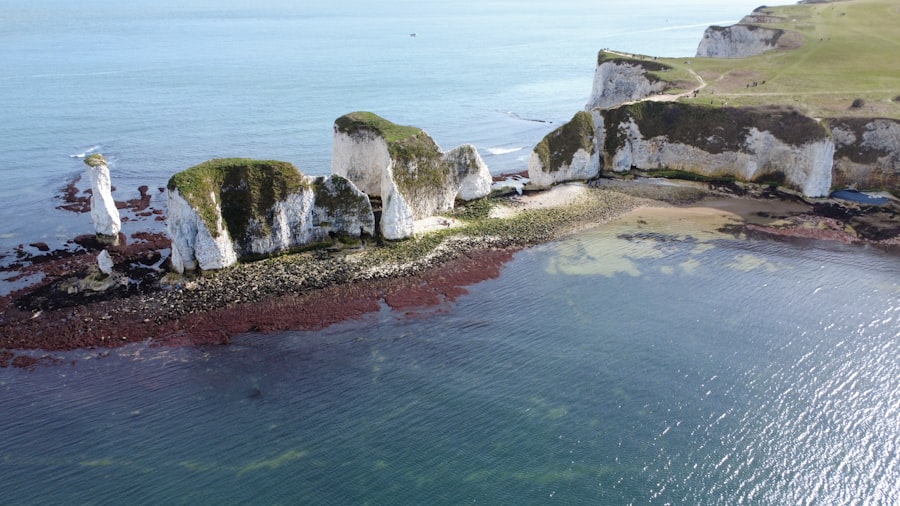
Ocean currents play a significant role in shaping coastlines, influencing erosion, sediment transport, and the effectiveness of coastal infrastructure. Their power and persistence can both build and erode landmasses.
Sediment Transport and Landform Evolution
Currents are responsible for moving vast amounts of sediment, shaping beaches, deltas, and continental shelves. They can deposit sand, creating new land, or erode existing coastlines, necessitating coastal defenses. The longshore drift, a current running parallel to the shore, is a key process in shaping beach morphology.
Impact on Coastal Structures
The design and longevity of coastal infrastructure, such as ports, bridges, and breakwaters, must account for the forces exerted by ocean currents. Strong currents can exert significant pressure on submerged structures, and their erosive power can undermine foundations. Understanding current dynamics is crucial for ensuring the stability and safety of these vital assets.
Ocean currents play a crucial role in regulating the Earth’s climate and influencing marine ecosystems. For those interested in exploring this topic further, a related article can be found at In the War Room, which delves into the intricate relationships between ocean currents and global weather patterns. Understanding these currents not only enhances our knowledge of oceanography but also highlights the importance of preserving our marine environments.
The Future of Ocean Currents: Challenges and Research
| Ocean Current | Type | Average Speed (km/h) | Temperature Influence | Region |
|---|---|---|---|---|
| Gulf Stream | Warm | 2.5 | Warms Eastern North America and Western Europe | North Atlantic Ocean |
| California Current | Cold | 0.5 | Cools the West Coast of the USA | North Pacific Ocean |
| Kuroshio Current | Warm | 3.5 | Warms the East Coast of Japan | North Pacific Ocean |
| Antarctic Circumpolar Current | Cold | 1.8 | Circulates cold water around Antarctica | Southern Ocean |
| Brazil Current | Warm | 1.8 | Warms the Southeastern coast of South America | South Atlantic Ocean |
| East Australian Current | Warm | 2.0 | Warms the East Coast of Australia | South Pacific Ocean |
As the planet’s climate continues to change, the behavior and influence of ocean currents are subjects of intense scientific scrutiny. Understanding these ongoing and potential future shifts is critical for predicting their impact on global systems.
Climate Change and Current Variability
The most significant challenge facing ocean currents is the impact of climate change. Rising global temperatures and changes in precipitation patterns are altering the fundamental drivers of both wind-driven and thermohaline circulation.
Weakening of the Atlantic Meridional Overturning Circulation (AMOC)
One of the most closely watched potential impacts of climate change is the weakening of the AMOC, a crucial component of the global thermohaline circulation. Increased freshwater input from melting glaciers and ice sheets in the Arctic can decrease the salinity of surface waters in key areas, reducing their density and potentially hindering the sinking process that drives the circulation. A significant slowdown or collapse of the AMOC could lead to dramatic and unpredictable regional climate shifts, particularly impacting Europe’s temperatures and weather patterns.
Altered Wind Patterns and Gyre Strength
Changes in atmospheric circulation patterns, driven by climate change, can also influence wind strengths and directions, thereby altering the behavior of surface currents and ocean gyres. These changes can have cascading effects on regional climates, nutrient distribution, and marine ecosystems.
Monitoring and Modeling Ocean Currents
To understand and predict the future behavior of ocean currents, scientists employ a range of sophisticated monitoring and modeling techniques.
Observational Networks and Technologies
A global network of oceanographic instruments is essential for tracking currents. This includes:
- Buoys and moorings: Deployed in the ocean to record current speed, direction, temperature, and salinity at various depths.
- Autonomous underwater vehicles (AUVs) and gliders: Programmed to travel autonomously through the ocean, collecting data over long distances.
- Satellite altimetry: Measures the sea surface height, providing insights into large-scale current patterns.
- Ship-based measurements: Traditional methods of collecting oceanographic data through direct sampling and deployment of instruments.
Computational Ocean Models
Sophisticated computer models are used to simulate ocean circulation, incorporating various physical processes and data inputs. These models allow scientists to explore different scenarios, understand the complex interactions between different parts of the ocean system, and make predictions about future changes. The accuracy of these models is continually improving as computational power increases and observational data becomes more abundant.
The Interconnectedness of Global Systems
The study of ocean currents highlights the profound interconnectedness of Earth’s systems. Changes in the ocean have repercussions for the atmosphere, land, and the living organisms that inhabit them.
A Planetary Feedback Loop
Ocean currents are not isolated phenomena; they are integral components of a complex global feedback loop. For example, changes in ocean temperature due to currents can alter atmospheric moisture content, influencing cloud formation and precipitation, which in turn can affect wind patterns that drive currents. Understanding these feedback mechanisms is crucial for a holistic view of Earth’s climate system.
The Importance of Global Cooperation
Addressing the challenges posed by changes in ocean currents requires global cooperation. By sharing data, collaborating on research, and implementing sustainable practices, humanity can better understand and mitigate the impacts of these powerful, invisible forces that shape our planet. The future health of our oceans, and by extension, our planet, depends on our ability to comprehend and respect the immense power of ocean currents.
FAQs
What are ocean currents?
Ocean currents are continuous, directed movements of seawater generated by various factors such as wind, the Earth’s rotation, temperature differences, and salinity variations.
How do ocean currents affect global climate?
Ocean currents regulate global climate by redistributing heat from the equator to the poles, influencing weather patterns, and affecting the temperature of coastal regions.
What causes ocean currents to move?
Ocean currents are primarily driven by wind patterns, the Coriolis effect due to Earth’s rotation, differences in water density caused by temperature and salinity, and the shape of ocean basins.
What is the difference between surface currents and deep ocean currents?
Surface currents occur in the upper 400 meters of the ocean and are mainly driven by wind, while deep ocean currents, also known as thermohaline circulation, are driven by differences in water density related to temperature and salinity.
Why are ocean currents important for marine life?
Ocean currents transport nutrients, oxygen, and larvae, supporting marine ecosystems and biodiversity by connecting different habitats and influencing the distribution of marine species.