The inception of naval aviation can be traced back to the early 20th century, a time when the world was on the brink of monumental changes in warfare. The United States Navy recognized the potential of aircraft as a strategic asset, leading to the establishment of the first naval aviation units. In 1911, a significant milestone was achieved when Lieutenant Eugene Ely made the first successful takeoff from a ship, landing on a makeshift runway on land shortly thereafter.
This event marked the dawn of a new era, where the skies would become an integral part of naval operations. The Navy’s interest in aviation grew rapidly, culminating in the formation of the Naval Aviation Service in 1913, which laid the groundwork for future developments. As World War I approached, the Navy began to invest more heavily in aircraft and training programs.
The establishment of the Naval Aircraft Factory in 1917 signified a commitment to developing indigenous aircraft capabilities. By the end of the war, naval aviation had proven its worth, with aircraft being used for reconnaissance and combat missions. However, it was during the interwar years that naval aviation truly began to evolve.
The introduction of aircraft carriers transformed naval strategy, allowing planes to be launched from ships far from shore. This shift not only changed how battles were fought but also set the stage for the critical role that naval aviation would play in World War II and beyond.
Key Takeaways
- Naval aviation began as a critical component of military strategy, leading to the need for highly skilled fighter pilots.
- TOPGUN was established to train elite naval aviators, with its first class setting high standards during the Vietnam War era.
- The Vietnam War significantly influenced TOPGUN’s tactics and training methods, enhancing combat effectiveness.
- The “Top Gun” movie popularized the program, boosting public awareness and recruitment.
- TOPGUN has evolved and expanded its mission, leaving a lasting legacy on military aviation and shaping its future development.
The Need for Elite Fighter Pilots
As naval aviation matured, so did the complexity of aerial combat. The advent of advanced fighter aircraft necessitated a new breed of pilot—one who could not only fly but also engage in high-stakes dogfights with precision and skill. The need for elite fighter pilots became increasingly apparent as conflicts escalated and technology advanced.
The Navy recognized that traditional training methods were insufficient to prepare pilots for the rigors of modern aerial warfare. This realization prompted a reevaluation of pilot training programs, leading to the development of specialized training for fighter pilots. The challenges faced by naval aviators were multifaceted.
They had to master not only flying techniques but also tactics, situational awareness, and decision-making under pressure. The stakes were high; the success or failure of missions often hinged on the capabilities of individual pilots. As a result, there was a growing emphasis on creating a cadre of elite aviators who could excel in combat scenarios.
This need for specialized training would ultimately lead to the establishment of programs designed to hone the skills of fighter pilots, ensuring that they could meet the demands of modern warfare.
The Creation of TOPGUN
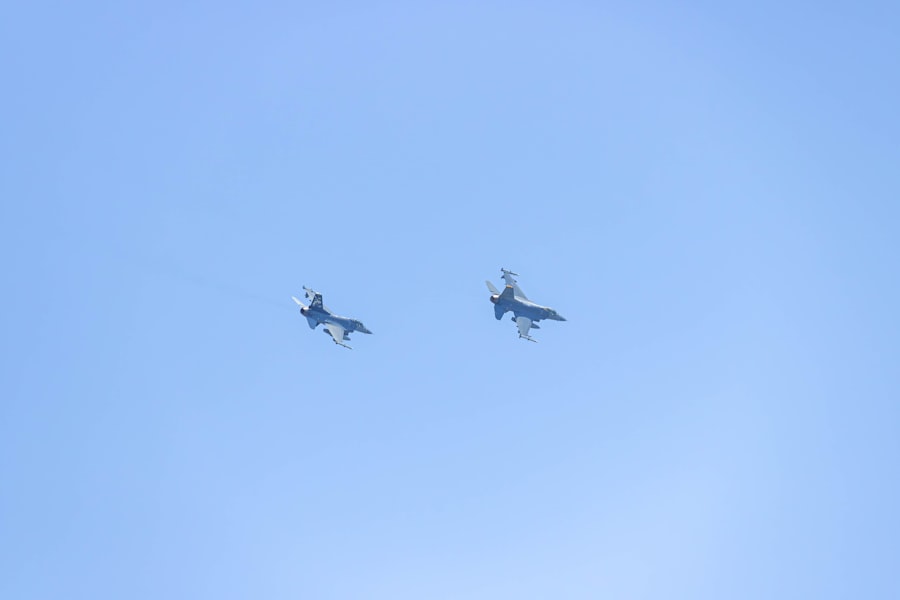
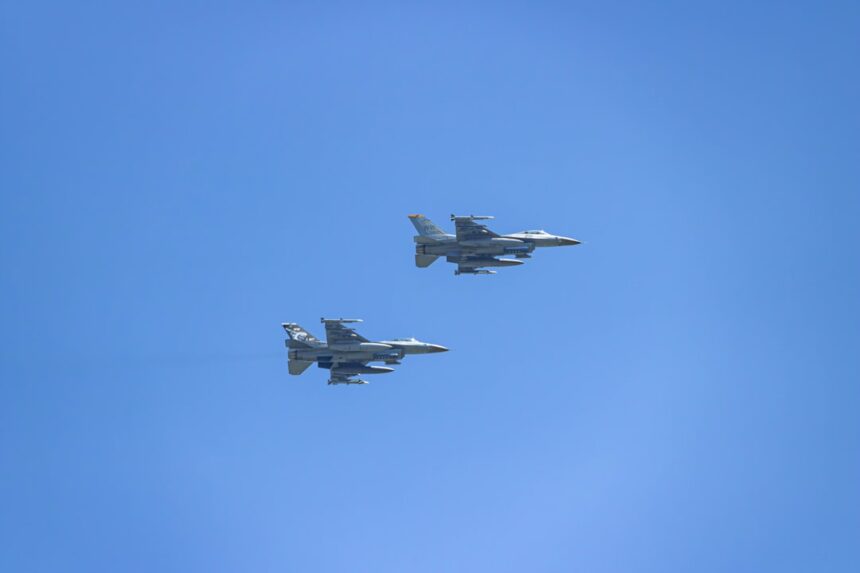
In response to the pressing need for highly skilled fighter pilots, the United States Navy established the Naval Fighter Weapons School, commonly known as TOPGUN, in 1969. Located at Naval Air Station Miramar in San Diego, California, TOPGUN was created to address the shortcomings identified during the Vietnam War. The conflict had revealed that many naval aviators were struggling in air-to-air combat against enemy forces, particularly against more agile and advanced aircraft.
Recognizing this gap in training, Navy leaders sought to develop a program that would elevate pilot proficiency and combat effectiveness. TOPGUN’s mission was clear: to train elite fighter pilots in advanced tactics and techniques that would enhance their performance in aerial engagements. The program combined classroom instruction with rigorous flight training, emphasizing real-world scenarios and hands-on experience.
Instructors were drawn from the ranks of experienced fighter pilots who had proven themselves in combat, ensuring that trainees received top-notch education from those who had faced similar challenges. This innovative approach not only improved individual pilot skills but also fostered a culture of excellence within naval aviation.
The First TOPGUN Class
The inaugural class at TOPGUN commenced in 1969 and set a precedent for future training programs within naval aviation. Comprised of a select group of experienced fighter pilots, this first class underwent an intensive curriculum designed to push their limits and refine their skills. The training included advanced aerial tactics, weapons systems integration, and extensive dogfighting exercises.
The impact of this first class was profound. Graduates emerged not only as skilled aviators but also as tactical leaders who would go on to influence their peers and shape future generations of naval pilots.
The lessons learned during this initial training period laid the foundation for TOPGUN’s evolving curriculum and established a legacy of excellence that would resonate throughout naval aviation history. As these pilots returned to their squadrons, they brought with them new tactics and strategies that would significantly enhance the Navy’s air combat capabilities.
The Influence of the Vietnam War
| Metric | Details |
|---|---|
| Full Name | United States Navy Strike Fighter Tactics Instructor program |
| Common Name | TOPGUN |
| Established | 1969 |
| Location | Naval Air Station Miramar, California (original) |
| Current Location | Naval Air Station Fallon, Nevada |
| Purpose | Advanced fighter pilot training and tactics development |
| Initial Aircraft Used | F-4 Phantom II |
| Current Aircraft Used | F/A-18 Hornet and F-35 Lightning II |
| Selection Criteria | Top 1-2% of Navy and Marine Corps fighter pilots |
| Course Duration | Approximately 12 weeks |
| Graduates per Year | Approximately 100-120 |
| Notable Alumni | Many Navy aces and instructors, featured in popular culture |
The Vietnam War served as a crucible for naval aviation, highlighting both its strengths and weaknesses in combat situations. As U.S. forces engaged in aerial operations over Vietnam, it became evident that many naval aviators were ill-prepared for the realities of air-to-air combat against sophisticated enemy aircraft like the MiG-21.
The high casualty rates among fighter pilots underscored the urgent need for improved training and tactics. This realization ultimately catalyzed the creation of TOPGUN. The lessons learned from Vietnam were instrumental in shaping TOPGUN’s curriculum.
Instructors analyzed combat engagements and identified key areas where pilots struggled, such as situational awareness and tactical decision-making during dogfights. By incorporating these insights into training programs, TOPGUN aimed to equip pilots with the skills necessary to succeed in high-pressure environments. The Vietnam War not only influenced the establishment of TOPGUN but also served as a reminder of the ever-evolving nature of aerial warfare and the importance of continuous adaptation.
The Impact of “Top Gun” Movie
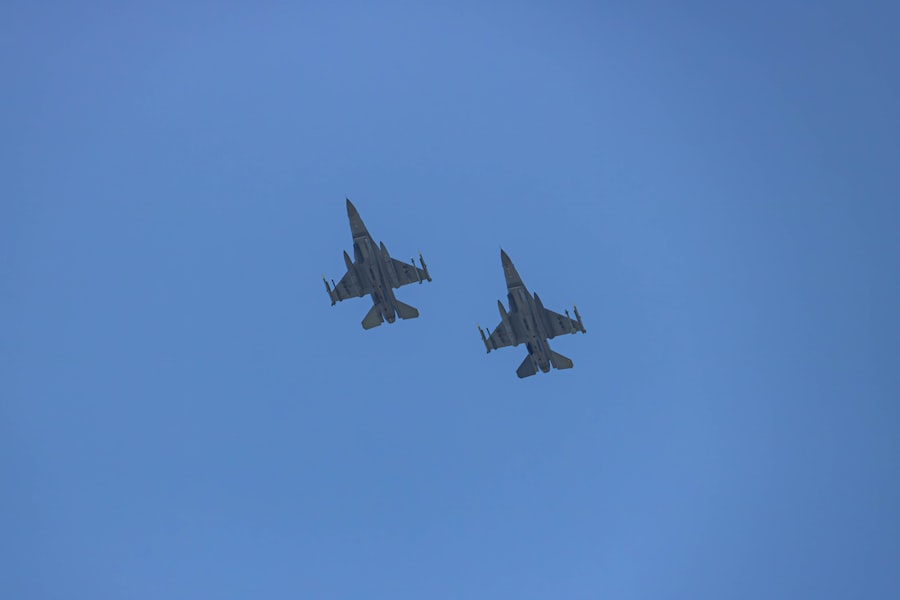
The release of “Top Gun” in 1986 had a profound impact on popular culture and military aviation alike. The film showcased the life of naval aviators at TOPGUN, dramatizing their training and aerial combat experiences while highlighting themes of camaraderie, competition, and personal growth.
Beyond its entertainment value, “Top Gun” significantly influenced recruitment efforts within the Navy. The film’s portrayal of fighter pilots as heroic figures inspired a new generation to consider careers in military aviation. Enlistment numbers surged following its release, as young men and women sought to emulate the daring exploits depicted on screen.
Additionally, “Top Gun” solidified TOPGUN’s reputation as a premier institution for fighter pilot training, further enhancing its allure within military circles.
The Evolution of TOPGUN
As military technology advanced and aerial combat evolved, so too did TOPGUN’s training programs. The school continuously adapted its curriculum to incorporate new aircraft systems, weapons technologies, and emerging combat tactics. In response to changing geopolitical landscapes and advancements in enemy capabilities, TOPGUN expanded its focus beyond traditional dogfighting techniques to include multi-domain operations and joint warfare strategies.
The evolution of TOPGUN also reflected broader trends within military aviation. As unmanned aerial vehicles (UAVs) became more prevalent, TOPGUN began integrating lessons on drone operations into its training modules. This forward-thinking approach ensured that graduates were not only proficient in piloting manned aircraft but also equipped to operate within an increasingly complex battlefield environment where technology played a pivotal role.
The Expansion of TOPGUN’s Mission
In recent years, TOPGUN has expanded its mission beyond just training fighter pilots. Recognizing that modern warfare requires collaboration across various branches of the military and allied forces, TOPGUN has embraced a more holistic approach to training that includes joint exercises with other services and international partners. This expansion reflects an understanding that successful operations often depend on seamless coordination among different military units.
Additionally, TOPGUN has taken on a mentorship role within naval aviation by providing guidance and support to other training programs across the Navy and beyond. By sharing best practices and lessons learned from its extensive experience, TOPGUN has become a valuable resource for enhancing overall pilot proficiency throughout military aviation.
The Legacy of TOPGUN
The legacy of TOPGUN is one marked by excellence, innovation, and adaptability. Over the decades since its inception, it has produced thousands of highly skilled fighter pilots who have gone on to serve with distinction in various conflicts around the globe. The program’s emphasis on advanced tactics and real-world scenarios has not only improved individual pilot performance but has also contributed significantly to overall naval air combat effectiveness.
Moreover, TOPGUN’s influence extends beyond its graduates; it has shaped military aviation culture by instilling values such as teamwork, leadership, and continuous improvement. The school’s commitment to pushing boundaries has inspired other military branches to develop similar elite training programs tailored to their specific needs. As such, TOPGUN’s legacy is woven into the very fabric of modern military aviation.
The Influence on Military Aviation
TOPGUN’s impact on military aviation cannot be overstated; it has fundamentally transformed how fighter pilots are trained across various branches of service worldwide. Its innovative approach to pilot education has set a standard that many nations aspire to emulate. Countries around the globe have adopted elements of TOPGUN’s curriculum or established their own elite fighter training programs inspired by its success.
Furthermore, TOPGUN has played a crucial role in shaping international military cooperation through joint exercises and training initiatives with allied nations. By fostering relationships among air forces worldwide, it has contributed to enhanced interoperability during multinational operations—a vital component in today’s complex security environment.
The Future of TOPGUN
As military aviation continues to evolve in response to emerging threats and technological advancements, TOPGUN remains committed to adapting its training programs accordingly. The future will likely see an increased focus on integrating artificial intelligence (AI) into pilot training simulations and operational planning processes. By leveraging cutting-edge technology, TOPGUN aims to prepare its graduates for an increasingly complex battlefield where rapid decision-making is paramount.
Moreover, as global security dynamics shift, TOPGUN will continue to emphasize joint operations with other branches of service and allied forces. This collaborative approach will ensure that naval aviators are well-equipped to operate effectively within diverse operational environments while maintaining their status as elite fighters capable of meeting any challenge head-on. In conclusion, TOPGUN stands as a testament to the enduring importance of excellence in military aviation training.
Its legacy is one defined by innovation, adaptability, and an unwavering commitment to producing skilled aviators who can excel in an ever-changing landscape of aerial warfare.
The origins of the TOPGUN fighter pilot school can be traced back to the need for improved air combat training for naval aviators during the Vietnam War. This elite program was established to enhance the skills of fighter pilots and ensure they could effectively engage in aerial dogfights. For a deeper understanding of the historical context and evolution of military training programs, you can read more in this related article on In The War Room.
WATCH THIS! 🎬 The Day Speed Died: How One Jet Changed Air Combat Forever
FAQs
What is TOPGUN fighter pilot school?
TOPGUN is the United States Navy Strike Fighter Tactics Instructor program, established to train experienced naval aviators in advanced air combat tactics and techniques.
When and why was TOPGUN established?
TOPGUN was established in 1969 in response to the poor air combat performance of U.S. Navy pilots during the early years of the Vietnam War. The program aimed to improve air combat skills and tactics.
Where was the original TOPGUN school located?
The original TOPGUN school was located at Naval Air Station Miramar in San Diego, California.
Who founded the TOPGUN program?
The TOPGUN program was founded by the U.S. Navy, with key contributions from experienced fighter pilots and tacticians, including Commander Dan Pedersen and Lieutenant Commander Bud Jorgensen.
What aircraft were initially used in TOPGUN training?
Initially, TOPGUN used aircraft such as the F-4 Phantom II for training purposes, reflecting the primary fighter aircraft in use by the Navy at the time.
How has TOPGUN influenced naval aviation?
TOPGUN significantly improved the Navy’s air combat tactics, leading to higher kill ratios in aerial engagements and influencing fighter pilot training programs worldwide.
Is TOPGUN still active today?
Yes, TOPGUN continues to operate as the Navy’s premier fighter weapons school, now officially known as the United States Navy Strike Fighter Tactics Instructor program, and has expanded its curriculum and aircraft types.
What does the name TOPGUN stand for?
TOPGUN is a nickname derived from the program’s original title, the United States Navy Fighter Weapons School, and reflects its elite status in fighter pilot training.