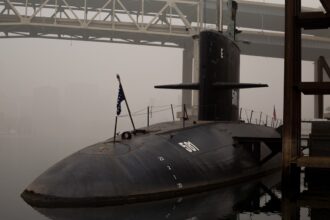
The nuclear warhead launch sequence represents one of the most critical and complex processes in modern military strategy. It consists of a carefully orchestrated series of steps designed to ensure nuclear weapons can be deployed efficiently during crises. This sequence carries immense significance, encompassing both technical aspects of deploying weapons of mass destruction and the profound ethical and political implications of such actions.
The launch protocol embodies the tension between deterrence and aggression that has fundamentally shaped international relations throughout the nuclear era. The nuclear launch sequence involves multiple authorization levels, verification protocols, and execution steps—far beyond simply “pressing a button.” Each component is engineered to prevent accidental launches while maintaining readiness for decisive response if necessary. As international tensions fluctuate, understanding these procedures becomes increasingly relevant to informed discussions about nuclear policy and disarmament initiatives.
Key Takeaways
- Nuclear warhead launch involves a complex sequence from authorization to ignition, ensuring strict control and safety.
- Modern warfare relies on nuclear warheads integrated with various delivery systems like missiles, bombers, and submarines.
- Multiple fail-safes and monitoring mechanisms are in place to prevent accidental or unauthorized launches.
- The launch of nuclear warheads has profound implications for global politics and international security.
- Advances in technology and evolving policies continue to shape the future of nuclear warhead launch protocols.
The Role of Nuclear Warheads in Modern Warfare
Nuclear warheads play a pivotal role in contemporary warfare, serving as both a deterrent and a potential instrument of conflict. Their existence fundamentally alters the landscape of military strategy, as nations equipped with these weapons can project power and influence on a global scale. The doctrine of mutually assured destruction (MAD) has been a cornerstone of nuclear strategy since the Cold War, positing that the possession of nuclear weapons prevents direct conflict between nuclear-armed states.
This precarious balance has led to a tense peace, where the threat of annihilation serves as a powerful motivator for diplomatic engagement. However, the role of nuclear warheads extends beyond mere deterrence. In some scenarios, they are viewed as viable options for achieving military objectives.
Nations may consider limited nuclear strikes to incapacitate enemy forces or infrastructure, believing that such actions could yield strategic advantages without triggering full-scale retaliation. This mindset raises significant ethical questions about the use of nuclear weapons in warfare and challenges traditional notions of proportionality and civilian protection in armed conflict. As military doctrines evolve, so too does the discourse surrounding the implications of nuclear warfare.
Pre-Launch Preparations: From Authorization to Target Selection

The pre-launch preparations for a nuclear strike are intricate and multifaceted, beginning with authorization protocols that ensure only designated leaders can initiate such an action. In many countries, this authority is vested in the highest levels of government, often requiring consensus among military and civilian leaders. The decision-making process is shrouded in secrecy, reflecting the gravity of the potential consequences.
This level of control is intended to prevent unauthorized launches and to ensure that any decision to use nuclear weapons is made with careful consideration. Once authorization is granted, the next phase involves target selection, which is equally critical. Military strategists must evaluate potential targets based on their strategic value, the likelihood of achieving military objectives, and the potential for collateral damage.
This assessment often includes intelligence gathering and analysis to ensure that targets are accurately identified and that the consequences of an attack are fully understood. The complexity of this process underscores the need for rigorous planning and coordination among various branches of the military and intelligence communities.
Assembly and Arming of the Nuclear Warhead
The assembly and arming of a nuclear warhead are highly technical processes that require precision and expertise. Once a target has been selected and authorization received, military personnel must prepare the warhead for deployment. This involves assembling various components, including fissile material, detonators, and safety mechanisms.
Each step must be executed flawlessly to ensure that the warhead functions as intended while minimizing risks during handling. Arming a nuclear warhead also involves rigorous safety protocols designed to prevent accidental detonation. These protocols include multiple layers of security measures, such as locks, codes, and physical barriers that must be bypassed before a warhead can be activated.
The complexity of these systems reflects an understanding of the catastrophic consequences that could arise from human error or technical failure. As such, personnel involved in this process undergo extensive training to ensure they are equipped to handle these sensitive operations safely.
Integration with Delivery Systems: Missiles, Bombers, and Submarines
| Step | Action | Responsible Entity | Timeframe (seconds) | Security Measures |
|---|---|---|---|---|
| 1 | Detection of Threat | Early Warning Systems | 0-30 | Automated sensors, satellite surveillance |
| 2 | Verification of Threat | Command and Control Center | 30-60 | Multiple intelligence sources, human confirmation |
| 3 | Authentication of Launch Order | Authorized Personnel | 60-90 | Use of launch codes, two-person rule |
| 4 | Transmission of Launch Order | Command Network | 90-120 | Encrypted communication channels |
| 5 | Preparation of Warhead | Missile Crew / Submarine Crew | 120-180 | Physical safeguards, tamper-proof locks |
| 6 | Final Launch Authorization | Launch Officers | 180-210 | Dual key system, biometric verification |
| 7 | Launch Execution | Missile Launch System | 210-240 | Automated launch protocols |
| 8 | Post-Launch Confirmation | Command and Control Center | 240-300 | Telemetry data, radar tracking |
The integration of nuclear warheads with delivery systems is a crucial aspect of their effectiveness in modern warfare. Various platforms—such as intercontinental ballistic missiles (ICBMs), strategic bombers, and submarine-launched ballistic missiles (SLBMs)—are designed to deliver these weapons with precision over vast distances. Each delivery system has its own advantages and limitations, influencing strategic decisions regarding their deployment.
ICBMs are known for their speed and range, capable of reaching targets within minutes of launch. Strategic bombers offer flexibility, allowing for both nuclear and conventional missions while providing opportunities for deterrence through visible presence. Submarines equipped with SLBMs provide stealth capabilities, making them difficult to detect and thus enhancing second-strike capabilities.
The interplay between these systems shapes national defense strategies and influences global power dynamics as nations seek to maintain credible deterrents against potential adversaries.
Launch Sequence Initiation: From Command to Ignition

Initiating the launch sequence for a nuclear warhead is a highly structured process that begins with command from authorized personnel. Once a decision has been made to proceed with a launch, specific protocols must be followed to ensure that all systems are prepared for execution. This phase often involves communication between military command centers and various operational units responsible for executing the launch.
This includes verifying target coordinates, arming the warhead, and ensuring that delivery systems are ready for deployment. Each step is meticulously monitored to prevent errors or malfunctions that could jeopardize the mission’s success or lead to unintended consequences.
The gravity of this moment underscores the importance of maintaining clear communication channels and robust command structures throughout the process.
Monitoring and Control during Launch Sequence
Throughout the launch sequence, monitoring and control mechanisms play an essential role in ensuring operational integrity. Advanced technology is employed to track every aspect of the launch process, from system readiness to communication links between command centers and delivery platforms. This real-time monitoring allows military leaders to make informed decisions based on current conditions while maintaining situational awareness.
Control systems also serve as safeguards against unauthorized actions or technical failures during the launch sequence. Redundant systems are often in place to provide backup options should primary systems fail or become compromised. This layered approach enhances overall security while ensuring that any potential issues can be addressed swiftly without compromising mission objectives.
Potential Obstacles and Fail-Safes in the Launch Sequence
Despite rigorous planning and advanced technology, potential obstacles can arise during the launch sequence that may hinder execution or pose risks to safety. These obstacles can range from technical malfunctions in delivery systems to communication breakdowns between command centers and operational units. Additionally, human error remains a significant concern; even highly trained personnel can make mistakes under pressure.
To mitigate these risks, numerous fail-safes are integrated into the launch sequence. These include checks and balances designed to verify authorization at multiple levels before proceeding with a launch. Furthermore, systems are equipped with self-diagnostic capabilities that can identify malfunctions or anomalies in real-time, allowing for corrective actions to be taken before any irreversible decisions are made.
The presence of these fail-safes reflects an understanding of the high stakes involved in nuclear warfare.
The Impact of Nuclear Warhead Launch on Global Politics
The potential launch of nuclear warheads carries profound implications for global politics and international relations. The mere existence of these weapons influences diplomatic negotiations, arms control agreements, and conflict resolution strategies among nations.
Moreover, discussions surrounding nuclear disarmament have gained traction in recent years as global leaders recognize the need for reducing reliance on these weapons. Initiatives aimed at curbing proliferation and promoting transparency have emerged as essential components of international diplomacy. However, tensions between nuclear-armed states continue to pose challenges to these efforts, highlighting the complex interplay between security concerns and aspirations for peace.
Post-Launch Consequences and Contingency Plans
The aftermath of a nuclear warhead launch is fraught with uncertainty and devastation. The immediate consequences include loss of life on an unprecedented scale, environmental destruction, and long-term geopolitical ramifications. Nations must grapple with the reality of their actions while facing potential retaliation from adversaries or international condemnation.
In anticipation of such scenarios, contingency plans are developed to address various outcomes following a launch. These plans may include strategies for crisis management, humanitarian assistance for affected populations, and diplomatic efforts aimed at de-escalating tensions post-conflict. The complexity of these plans underscores the need for comprehensive preparedness in an era where nuclear weapons remain a potent threat.
The Future of Nuclear Warhead Launch Technology and Policy
As technology continues to evolve, so too does the landscape surrounding nuclear warhead launch capabilities and policies. Advances in artificial intelligence, cyber warfare, and missile defense systems present new challenges and opportunities for nations navigating this complex terrain. The integration of cutting-edge technology into military strategies raises questions about reliability, security, and ethical considerations surrounding automated decision-making processes.
Looking ahead, discussions around nuclear policy will likely focus on balancing deterrence with disarmament efforts while addressing emerging threats posed by non-state actors or rogue nations seeking access to nuclear capabilities. The future will demand innovative approaches to arms control agreements that reflect changing geopolitical dynamics while prioritizing global security interests. As nations confront these challenges together, fostering dialogue around responsible stewardship of nuclear arsenals will be essential in shaping a safer world for future generations.
In the context of understanding the complexities surrounding nuclear warhead launch sequences, it is essential to explore various perspectives and analyses. A related article that delves into the intricacies of military protocols and the implications of nuclear strategy can be found at this link. This resource provides valuable insights into the decision-making processes that govern nuclear arsenals and the potential consequences of their deployment.
WATCH THIS 🛑 The Submarine Captain Who Said NO to Nuclear War
FAQs
What is a nuclear warhead launch sequence?
A nuclear warhead launch sequence is a series of procedural steps and protocols followed to authorize, prepare, and execute the launch of a nuclear missile or warhead. It involves multiple layers of verification and security to prevent unauthorized use.
Who has the authority to initiate a nuclear warhead launch?
Typically, the authority to initiate a nuclear launch resides with the highest level of government leadership, such as the President or Prime Minister, depending on the country. This authority is strictly controlled and safeguarded.
What are the key components involved in a nuclear launch sequence?
Key components include authentication codes, communication systems, command and control centers, missile launch facilities, and secure verification protocols to ensure the legitimacy of the launch order.
How is the launch order verified?
Verification involves the use of secure codes and authentication procedures, often requiring multiple personnel to confirm the order. This process is designed to prevent accidental or unauthorized launches.
Are there safeguards to prevent accidental nuclear launches?
Yes, multiple safeguards exist, including two-person rules, encrypted communication, fail-safe mechanisms, and continuous monitoring to minimize the risk of accidental or unauthorized launches.
How long does a nuclear launch sequence take?
The duration varies depending on the system and country but is generally designed to be rapid, often taking only minutes from order to missile launch, to maintain strategic deterrence.
Can a nuclear launch be aborted once initiated?
In some systems, there are procedures to abort a launch if detected early enough, but once certain steps are completed, such as missile ignition, aborting becomes impossible.
Is the nuclear launch sequence the same for all countries?
No, each nuclear-armed country has its own specific protocols and technologies for launch sequences, though they share common principles of security, verification, and command authority.
What role do communication systems play in the launch sequence?
Communication systems are critical for transmitting launch orders securely and reliably between command authorities and missile launch sites, ensuring that orders are authentic and executed correctly.
How is the launch sequence protected against cyber threats?
Nuclear command and control systems employ advanced cybersecurity measures, including encryption, air-gapped networks, and continuous monitoring, to protect against hacking or cyber interference.