The final months of the Second World War in Europe were characterized by a desperate and ultimately futile German resistance. As Allied forces advanced on multiple fronts, the Nazi regime, under the increasingly erratic leadership of Adolf Hitler, turned to a scorched-earth policy. This policy manifested in numerous destructive acts, but one of the most comprehensive and infamous was the so-called “Nero Decree.” Issued in the twilight of the Third Reich, this directive aimed not to preserve German assets for a future resurgence, but to deny them to the approaching enemy by any means necessary, even if it meant the annihilation of the very infrastructure that sustained the populace. The decree, and its subsequent implementation, had a catastrophic impact on Germany’s economic and social fabric, leaving a legacy of immense destruction.
The impetus for the Nero Decree stemmed from a profound sense of ideological desperation and a warped perception of national sacrifice. By late 1944 and early 1945, the military situation for Germany was dire. The Eastern Front was collapsing under the immense pressure of the Soviet Union’s Red Army, and Allied forces were pushing deeper into Western Europe. In this context, Adolf Hitler, increasingly isolated and detached from reality, clung to the notion of a total war effort, even when outright victory was no longer a plausible outcome.
Hitler’s Ideological Convictions
Central to Hitler’s thinking was a nihilistic worldview that, in the face of defeat, saw value only in the complete destruction of the established order. He believed that Germany, having failed in its ideological mission, deserved no inheritance. This extended to the nation’s material wealth and infrastructure. The idea was that if Germany could not win, then no one should benefit from its resources. This was not a strategic withdrawal or a planned demolition for tactical advantage; it was a punitive and vengeful act against perceived betrayal and failure.
Albert Speer’s Role and Dilemma
The decree is inextricably linked to Albert Speer, Hitler’s Minister of Armaments and War Production. Speer, a skilled architect and administrator, had initially been a fervent believer in Hitler’s vision. However, as the war progressed and the full extent of the Nazi regime’s crimes became apparent, Speer found himself in an increasingly precarious position. He was tasked with implementing the Nero Decree, a directive that directly conflicted with his responsibility to maintain German industrial capacity.
Speer’s Initial Resistance
While often portrayed as a loyal executor of Hitler’s will, historical accounts suggest Speer harbored reservations about the decree’s ultimate consequences. He understood the devastating economic and humanitarian implications of destroying Germany’s infrastructure. The decree represented a fundamental departure from his previous efforts to keep war production running at all costs. He likely recognized the futility of destroying Germany for the sake of denying it to the enemy, as the enemy, in this case, was already on German soil.
The Escalation of Destruction
Despite any internal qualms, Speer was under immense pressure from Hitler. The Führer’s pronouncements grew increasingly fanatical, demanding the obliteration of all national assets that could fall into enemy hands. This included factories, bridges, transportation networks, and even vital utilities like power plants and water systems. The decree was not a suggestion; it was an order, and its implementation, at least in the early stages, was pursued with a chilling degree of efficiency by specific SS units and military detachments.
The Nero Decree, issued by Adolf Hitler in 1945, aimed to destroy Germany’s infrastructure to prevent its use by advancing Allied forces, leading to significant devastation across the country. For a deeper understanding of the implications and consequences of this decree, you can read a related article on the topic at In the War Room, which explores the broader context of wartime destruction and its impact on post-war recovery efforts.
The Provisions and Scope of the Nero Decree
The Nero Decree, officially titled “Decree Concerning Demolitions in the Reich Territory,” was not a single, formally published document in the conventional sense. Instead, it evolved from a series of directives and orally communicated intentions that coalesced into a clear and terrifying policy. The core objective was straightforward: deny the enemy anything of use.
The Intent to Deny
The primary aim was to prevent Allied forces, both Western and Soviet, from utilizing German infrastructure for their own logistical needs or for the subsequent rebuilding of the country. This included:
- Transportation Networks: Railways, roads, bridges, tunnels, and canals were to be rendered inoperable. The destruction of these would cripple the movement of troops, supplies, and essential personnel.
- Industrial Facilities: Factories, mines, workshops, and power plants were prime targets. The loss of industrial capacity would significantly hamper any post-war recovery for Germany and deny valuable resources to the victors.
- Housing and Utilities: While the primary focus was on military and industrial infrastructure, the decree’s sweeping provisions implied the destruction of anything that could be considered valuable. This extended to utility networks, communication systems, and even residential buildings in strategically important areas.
- Food and Resource Stores: Warehouses, granaries, and stockpiled resources were also considered targets to prevent them from falling into enemy hands.
The Ambiguity of Implementation
Part of the Nero Decree’s controversial nature lies in its sometimes ambiguous wording and the varying degrees to which it was implemented across different regions of Germany. While Hitler envisioned a complete and utter devastation, the practicalities of warfare and the realities on the ground led to a more localized and often inconsistent application.
Regional Variations in Destruction
The effectiveness and extent of the Nero Decree’s implementation varied significantly depending on the specific front and the commanding officers responsible for carrying out the demolitions. In areas where German forces were rapidly retreating, such as during the Soviet advance on the Eastern Front, extensive demolitions were often carried out in a desperate attempt to slow down the enemy. These often lacked precision and resulted in widespread destruction. In contrast, in some Western sectors, there was a greater degree of pragmatism, and certain infrastructure elements were left intact, either due to the perception that they would be of little use to the Allies or due to the logistical difficulties of carrying out large-scale demolitions under direct enemy pressure.
The Role of Local Commanders
Local military commanders and SS units played a crucial role in interpreting and executing the decree. Some interpreted the orders literally and implemented widespread destruction. Others, perhaps recognizing the long-term consequences or facing overwhelming Allied pressure that made meticulous demolition impossible, adopted more selective approaches. This resulted in a patchwork of destruction across Germany, with some areas bearing the brunt of the scorched-earth policy while others experienced less systematic devastation.
The Devastation of Infrastructure
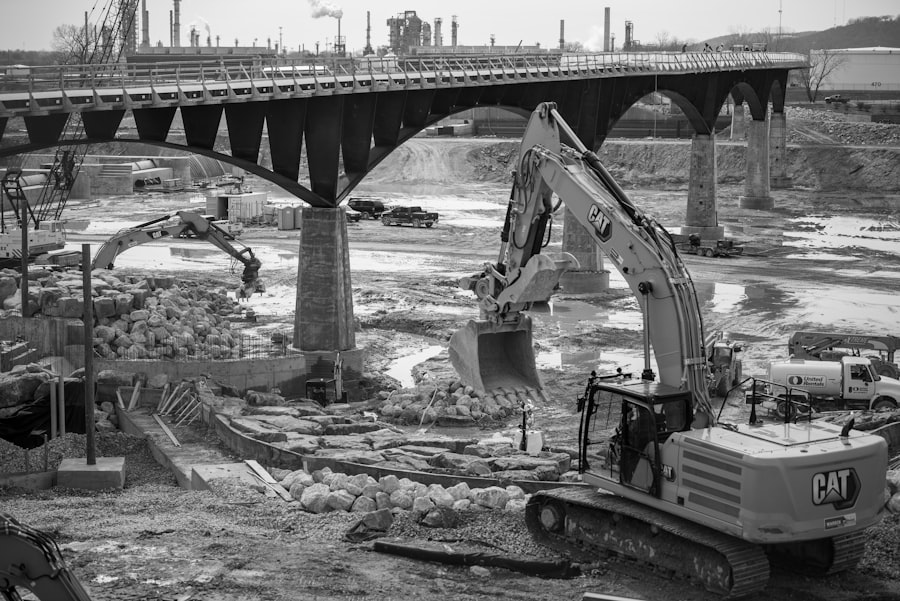
The practical application of the Nero Decree, however interpreted and implemented, resulted in widespread and devastating destruction across Germany. The fabric of the nation’s physical infrastructure was systematically torn apart, leaving a landscape of ruin and immense challenges for the post-war period.
Transportation Networks Crippled
The systematic demolition of bridges, railway lines, and roads had a profound impact on Germany’s ability to function. Entire sections of the national transportation network were rendered unusable. Bridges across major rivers, vital arteries for both military and civilian movement for decades, were blown up. Railway lines were dismantled, tracks twisted, and signaling systems destroyed.
The Impact on Civilian Life
Beyond its military implications, the destruction of transportation networks had a catastrophic effect on civilian life. It severely hampered the evacuation of populations from war-torn areas, the distribution of scarce food supplies, and the repatriation of displaced persons. Families were separated, and the rebuilding of communities was made immeasurably more difficult by the lack of basic transportation.
Industrial Capacity Annihilated
Germany’s industrial heartland, painstakingly built over decades, was deliberately targeted for destruction. Factories, the engines of the German economy and the providers of employment, were bombed by the Allies and, where not already destroyed, were subject to demolition under the Nero Decree. Key industrial sites, including those producing vital materials and manufactured goods, were rendered inoperable.
Loss of Manufacturing and Production
The immediate consequence was a dramatic decline in Germany’s manufacturing and production capacity. This not only hindered the war effort in its final stages but also extinguished the foundation upon which any post-war economic recovery would have to be built. The loss of skilled labor alongside the destruction of machinery and facilities created a vacuum that would take years to fill.
Essential Services Disrupted
The decree’s reach extended to essential services. Power plants were systematically destroyed or rendered inoperable, plunging cities into darkness and crippling the functionality of remaining industries and hospitals. Water treatment facilities and distribution networks were also targeted, leading to outbreaks of disease and severe sanitation problems in a population already struggling with the aftermath of war. Communication networks, including telephone exchanges and telegraph lines, were severed, further isolating communities and hindering efforts to coordinate relief and rebuilding.
Albert Speer’s Post-War Reckoning
Following Germany’s unconditional surrender in May 1945, Albert Speer was apprehended by Allied forces. His role in implementing the Nero Decree and his broader responsibilities as Minister of Armaments made him a significant figure in the post-war German leadership to be brought to justice. His trial at Nuremberg would become a pivotal moment in defining accountability for war crimes and crimes against humanity within the Nazi regime.
The Nuremberg Trials
Speer was one of the major war criminals tried at the International Military Tribunal at Nuremberg. He faced charges of conspiracy to commit crimes against peace, war crimes, and crimes against humanity. Unlike many of his co-defendants who denied any responsibility, Speer presented a nuanced defense, attempting to portray himself as a technocrat who was largely detached from the ideological and criminal excesses of the Nazi regime, while simultaneously acknowledging his personal culpability for his actions within that system.
Speer’s Defense Strategy
Speer’s strategy at Nuremberg was to distance himself from Hitler’s most extreme ideologues and to emphasize his administrative role. He argued that he had focused on industrial production and that the atrocities of the regime were primarily the responsibility of others. He also attempted to portray himself as a reluctant participant in some of the regime’s more destructive policies, including aspects of the Nero Decree. This strategy, while not entirely successful in absolving him, was more effective than that of most other defendants.
Conviction and Sentence
Ultimately, Albert Speer was found guilty of war crimes and crimes against humanity. The prosecution successfully demonstrated his knowledge of and participation in the forced labor employed in German industries and his role in the systematic destruction of industrial and infrastructure targets, which had devastating humanitarian consequences. He was sentenced to twenty years of imprisonment in Spandau, a sentence he served in its entirety, emerging in 1966.
The Nero Decree, issued in 1945, mandated the destruction of German infrastructure to prevent its use by advancing Allied forces, reflecting the desperation of the Nazi regime. This controversial order has been the subject of various historical analyses, including an insightful article that explores its implications and consequences in greater detail. For those interested in understanding the broader context of this decree, you can read more about it in this related article that delves into the strategic decisions made during the final days of World War II.
The Legacy of the Nero Decree
| City | Infrastructure Destroyed | Casualties |
|---|---|---|
| Rome | Many buildings, including the Circus Maximus and the Temple of Jupiter Optimus Maximus | Unknown |
| Naples | Port facilities and industrial areas | Unknown |
| Florence | Bridges, railway stations, and cultural heritage sites | Unknown |
The Nero Decree, a testament to the destructive nihilism that permeated the final days of the Nazi regime, left an indelible mark on Germany. Its immediate impact was the widespread physical devastation of infrastructure, but its long-term legacy is more complex, encompassing economic hardship, humanitarian challenges, and a profound re-evaluation of national responsibility.
The Economic Repercussions
The destruction of its industrial base and transportation networks plunged Germany into an economic abyss. The country faced a colossal rebuilding task, with limited resources and a population struggling for basic necessities. The Allied occupation authorities faced the immense challenge of initiating economic recovery, which eventually led to significant international aid programs like the Marshall Plan. The Nero Decree ensured that Germany’s return to economic prosperity would be a long and arduous process, fundamentally altering its post-war economic trajectory.
Humanitarian Crisis and Displacement
The destruction of homes, utilities, and infrastructure exacerbated the already dire humanitarian crisis in Germany. Large segments of the population were left homeless, facing severe shortages of food, water, and medical care. The disruption of transportation networks made it incredibly difficult to relocate displaced populations and provide them with basic support. The decree contributed to the immediate post-war suffering of the German people, adding a layer of man-made hardship to the devastation of war.
The Moral and Historical Debate
The Nero Decree continues to spark debate among historians and the public. It stands as a stark example of a regime’s willingness to destroy its own nation in a final act of defiance. The decree raises questions about the nature of total war, the psychological state of totalitarian leaders in defeat, and the responsibilities of individuals within such regimes. Speer’s complex role and subsequent attempts to reconcile with his past continue to fuel discussions about complicity, resistance, and the difficult process of collective memory within post-war Germany. The systematic destruction ordered by the Nero Decree serves as a grim reminder of the destructive potential of ideological extremism and the profound impact of unchecked power on the fabric of society and the physical landscape.
FAQs
What was the Nero Decree in 1945?
The Nero Decree was a scorched earth policy ordered by Adolf Hitler in 1945, as the Allied forces advanced on Germany. It called for the destruction of infrastructure, industrial facilities, and transportation systems to prevent their use by the advancing enemy.
What infrastructure was targeted for destruction under the Nero Decree?
The Nero Decree targeted a wide range of infrastructure, including bridges, roads, railways, communication lines, factories, power plants, and other industrial facilities. The goal was to disrupt the enemy’s ability to advance and to hinder post-war reconstruction efforts.
How was the Nero Decree carried out?
The Nero Decree was carried out by German military and civilian authorities, who were ordered to destroy infrastructure and facilities in a systematic and organized manner. This often involved the use of explosives, demolition equipment, and other means to render the targeted infrastructure unusable.
What impact did the Nero Decree have on Germany’s infrastructure?
The Nero Decree had a significant impact on Germany’s infrastructure, causing widespread destruction and disruption. It hindered the movement of troops and supplies, disrupted communication and transportation, and severely damaged industrial capacity.
What were the consequences of the Nero Decree?
The consequences of the Nero Decree were far-reaching, as it contributed to the devastation of Germany’s infrastructure and economy in the aftermath of World War II. It also prolonged the suffering of the German population and hindered the country’s recovery and reconstruction efforts.