
The origins of legends often lie shrouded in mystery, and the tale of this particular figure is no exception. It is said that the legend began in a small, unremarkable village, where whispers of extraordinary feats and uncanny abilities began to circulate. The protagonist, whose name has been lost to time, was described as an individual of remarkable talent and charisma, captivating the hearts and minds of those around them.
The stories of their exploits spread like wildfire, igniting the imaginations of villagers and travelers alike. As the narrative evolved, it became increasingly embellished, transforming a simple tale into a rich tapestry of myth and folklore. As the years passed, the legend took on a life of its own, transcending the boundaries of the village and reaching distant lands.
The protagonist’s deeds were recounted in taverns and marketplaces, each retelling adding layers of complexity to their character. Some spoke of miraculous feats, while others emphasized their wisdom and compassion. This multifaceted portrayal contributed to the enigmatic nature of the legend, making it difficult to discern fact from fiction.
The protagonist became a symbol of hope and inspiration, embodying the aspirations of those who yearned for greatness in their own lives.
Key Takeaways
- The origins of the legend remain mysterious and unclear.
- Historical records and evidence related to the story are scarce and inconclusive.
- Various theories and speculations attempt to explain the legend’s meaning and significance.
- Folklore and cultural narratives contribute to the ambiguous identity of the central figure.
- The mystery continues to provoke diverse modern interpretations without definitive resolution.
The Elusive Trail of Clues
In the quest to unravel the truth behind this legendary figure, historians and enthusiasts have embarked on a journey filled with intrigue and uncertainty. The trail of clues is often elusive, leading researchers through a labyrinth of ancient texts, oral traditions, and archaeological findings. Each piece of evidence offers tantalizing hints but rarely provides a definitive answer.
Scholars have scoured dusty archives and libraries, hoping to uncover documents that might shed light on the protagonist’s life and times. Yet, the more they search, the more they find themselves entangled in a web of contradictions. The oral traditions that have been passed down through generations serve as both a blessing and a curse.
While they preserve the essence of the legend, they also introduce variations that complicate the narrative. Different cultures have their interpretations, each adding unique elements that reflect their values and beliefs. This rich tapestry of stories creates a mosaic of possibilities but also obscures the truth.
As researchers sift through these narratives, they must navigate the delicate balance between honoring tradition and seeking historical accuracy.
The Intriguing Speculations and Theories

As scholars delve deeper into the enigma surrounding this legendary figure, a plethora of speculations and theories emerge. Some propose that the protagonist was a historical figure whose life was exaggerated over time, while others argue that they are purely a product of collective imagination. The debate rages on, with each theory presenting compelling arguments supported by varying degrees of evidence.
Some researchers suggest that the protagonist may have been a leader or warrior who inspired their people during tumultuous times, while others posit that they were a shaman or spiritual guide revered for their wisdom. The allure of these theories lies in their ability to capture the imagination. Each hypothesis opens new avenues for exploration, inviting enthusiasts to consider alternative perspectives on the legend’s origins.
Some even suggest that the protagonist embodies archetypal qualities found in various cultures worldwide, making them a universal symbol rather than a singular historical figure. This notion adds another layer of complexity to the narrative, as it raises questions about cultural exchange and the shared human experience.
The Uncertain Historical Records
| Aspect | Description | Common Issues | Impact on Research |
|---|---|---|---|
| Source Reliability | Authenticity and trustworthiness of historical documents | Forgery, bias, incomplete records | Misinterpretation of events, skewed historical narratives |
| Chronological Accuracy | Correct dating of events and artifacts | Conflicting dates, calendar differences | Errors in timeline construction, confusion in cause-effect relationships |
| Interpretation Variability | Diverse perspectives on the same historical data | Subjective analysis, cultural bias | Multiple conflicting theories, difficulty in consensus building |
| Data Completeness | Extent to which records cover the full scope of events | Missing documents, lost artifacts | Gaps in knowledge, reliance on speculation |
| Preservation Quality | Condition and legibility of historical materials | Decay, damage, illegibility | Loss of information, challenges in verification |
The historical records pertaining to this enigmatic figure are fraught with uncertainty. Many documents that could have provided clarity have been lost or destroyed over time, leaving behind only fragments of information. What remains is often ambiguous or contradictory, leading historians to grapple with incomplete narratives.
Some records hint at events that may have involved the protagonist, but without concrete evidence, it is challenging to draw definitive conclusions. Moreover, the passage of time has altered perceptions of historical events. What was once considered fact may now be viewed through a lens colored by myth and legend.
This phenomenon complicates efforts to establish a clear timeline or context for the protagonist’s life. As historians sift through these uncertain records, they must remain vigilant against the allure of romanticized interpretations that can distort the truth.
The Puzzling Lack of Evidence
One of the most perplexing aspects of this legend is the conspicuous absence of tangible evidence supporting its claims. Despite extensive research and exploration, physical artifacts or documents directly linked to the protagonist remain elusive. This lack of evidence raises questions about the very nature of legends and their relationship with history.
Are they merely reflections of cultural aspirations, or do they hold kernels of truth waiting to be uncovered?
The stories surrounding the protagonist continue to resonate with people across generations, suggesting that their impact transcends mere historical accuracy.
This phenomenon invites contemplation about how legends can shape cultural identity and collective memory, even in the absence of verifiable facts.
The Cryptic Tales and Folklore
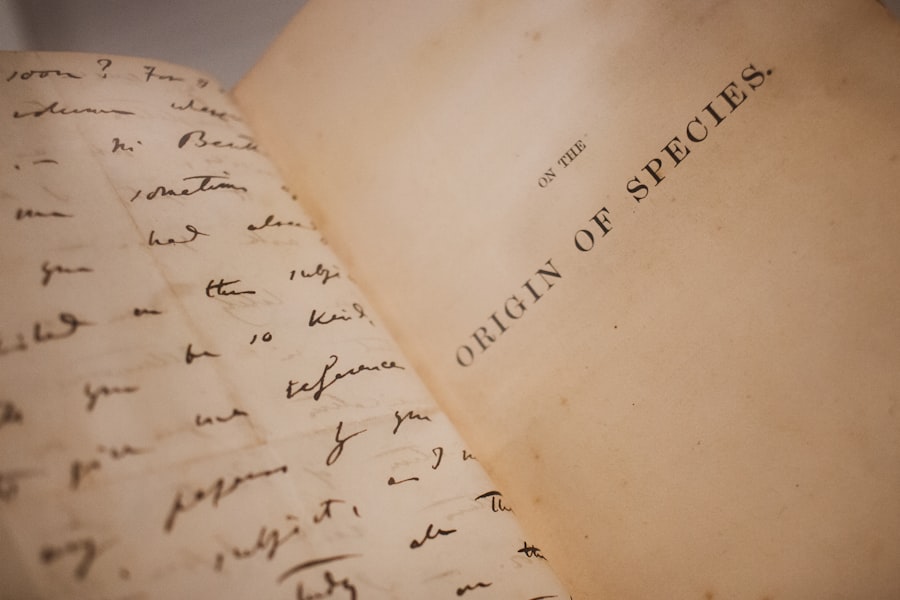
The tales woven around this legendary figure are rich with symbolism and meaning, often reflecting the values and beliefs of the cultures that embraced them. Folklore serves as a vessel for conveying moral lessons, cultural norms, and shared experiences. In many instances, these stories are imbued with cryptic messages that invite interpretation and reflection.
The protagonist’s journey often mirrors universal themes such as heroism, sacrifice, and redemption, resonating with audiences on a profound level. As these tales are passed down through generations, they evolve to reflect contemporary concerns and aspirations. New interpretations emerge as storytellers adapt the narrative to address changing societal values or challenges.
This dynamic nature of folklore ensures that the legend remains relevant while simultaneously preserving its enigmatic essence. Each retelling adds layers to the story, creating a rich tapestry that continues to captivate audiences.
The Ambiguous Cultural Significance
The cultural significance of this legendary figure is as multifaceted as the stories themselves. In some cultures, they are revered as a hero who embodies ideals such as bravery and resilience; in others, they may represent cautionary tales warning against hubris or folly. This ambiguity allows for diverse interpretations that resonate with different audiences across time and space.
As such, the protagonist becomes a mirror reflecting societal values and aspirations. Moreover, this cultural significance extends beyond mere storytelling; it influences art, literature, and even political discourse. Artists have drawn inspiration from the legend to create works that explore themes of identity and belonging.
Writers have incorporated elements of the tale into their narratives, weaving it into broader discussions about humanity’s struggles and triumphs. In this way, the legend transcends its origins, becoming an integral part of cultural heritage.
The Enshrouded Identity of the Protagonist
The identity of the protagonist remains one of the most tantalizing mysteries surrounding this legend. Various theories abound regarding who they might have been—some speculate they were an actual historical figure while others argue they are entirely fictional creations born from collective imagination. This ambiguity adds to their allure; it invites individuals to project their interpretations onto the character based on personal experiences or cultural backgrounds.
As researchers continue to explore this enigma, they encounter challenges in pinpointing specific details about the protagonist’s life or motivations. The lack of concrete evidence only deepens this mystery; without definitive records or artifacts linking them to a particular time or place, scholars must rely on circumstantial evidence and interpretive frameworks to construct narratives around their identity.
The Enigmatic Legacy
The legacy left behind by this legendary figure is both profound and enduring.
The stories associated with them serve as touchstones for exploring themes such as courage, resilience, and hope in times of adversity.
Moreover, this legacy extends beyond mere storytelling; it influences contemporary discussions about identity and belonging within various communities. As people grapple with questions about their own histories and aspirations, they often turn to legends like this one for guidance or inspiration—finding solace in tales that echo their struggles while offering glimpses into possibilities for transformation.
The Perplexing Modern Interpretations
In contemporary society, interpretations of this legendary figure continue to evolve as new generations engage with their story through various mediums—literature, film, art—and social discourse. Modern retellings often reflect current societal issues or challenges faced by individuals today; thus breathing new life into an age-old narrative while maintaining its core essence intact. These modern interpretations invite audiences to reconsider traditional notions surrounding heroism or morality—challenging established paradigms while encouraging critical reflection on contemporary values within society at large.
As such, they serve not only as entertainment but also as vehicles for exploring deeper philosophical questions about humanity’s place within an ever-changing world.
The Unresolved Mystery: A Conclusion
Ultimately, the mystery surrounding this legendary figure remains unresolved—a testament to both their enduring appeal and complexity within human culture throughout history. While scholars may continue searching for answers amidst fragmented records or elusive clues—the very nature of legends ensures that some aspects will always remain enigmatic. This unresolved mystery invites individuals from all walks of life to engage with these stories—finding meaning within them while grappling with questions about identity, aspiration, morality—and ultimately what it means to be human in an ever-evolving world filled with uncertainty yet rich potential for growth through shared narratives passed down through generations past present future alike!
In exploring the complexities of military operations and the nuances of information disclosure, the article titled “We Can Neither Confirm Nor Deny Origin” provides a thought-provoking perspective. For further insights on related topics, you can check out this article on the same platform: Sample Page.
WATCH THIS! The CIA’s Secret Mission to Recover a Nuclear Submarine: Project Azorian
FAQs
What does the phrase “We can neither confirm nor deny” mean?
The phrase “We can neither confirm nor deny” is often used to indicate that the speaker is unwilling or unable to provide information about a particular subject. It neither affirms nor denies the existence or truth of the matter in question.
In what contexts is “We can neither confirm nor deny” commonly used?
This phrase is commonly used in government, military, intelligence, and legal contexts where sensitive information is involved. It serves to protect classified information or maintain confidentiality without providing explicit answers.
Why might an organization choose to use this phrase?
Organizations use this phrase to avoid revealing sensitive or classified information, to maintain operational security, or to prevent speculation. It helps manage public communication without confirming or denying potentially impactful details.
Does using this phrase imply anything about the truth of the matter?
No, the phrase does not imply confirmation or denial of the matter. It is deliberately neutral and does not provide any indication about the truth or existence of the subject being discussed.
Is “We can neither confirm nor deny” legally binding?
The phrase itself is not legally binding but is often used in official statements to avoid legal liability or to comply with confidentiality agreements and security protocols.
Can this phrase be used in everyday conversation?
While it is primarily used in formal or official contexts, the phrase can be used humorously or rhetorically in everyday conversation to avoid answering a question directly.
What is the origin of the phrase “We can neither confirm nor deny”?
The phrase has origins in intelligence and military communications, where it was used to protect classified information. It has since become a common expression in media and public statements involving sensitive topics.