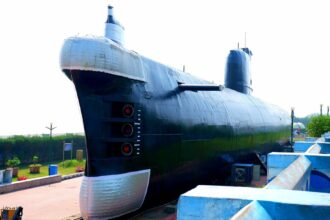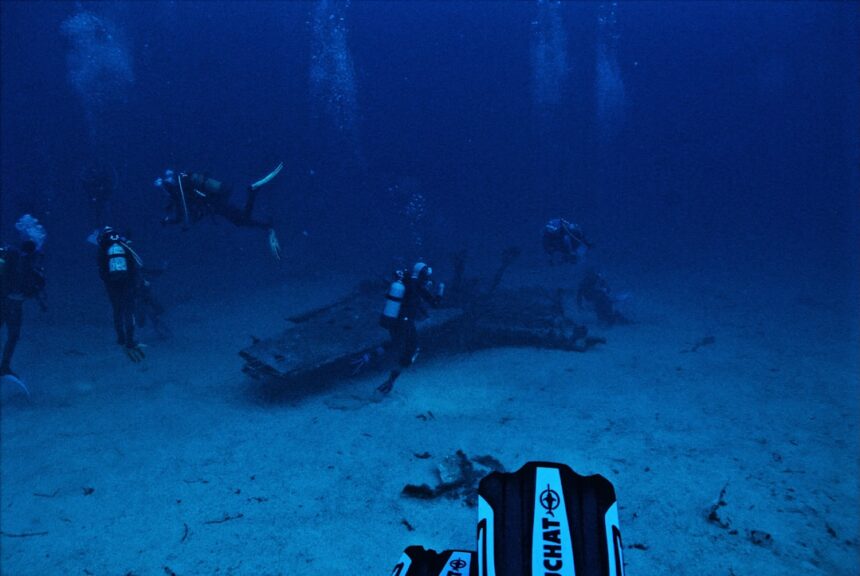
The disappearance of the Soviet submarine K-129 in March 1968 remains one of the most enigmatic events of the Cold War era. This diesel-electric submarine, part of the Soviet Navy’s Pacific Fleet, vanished without a trace while on a routine patrol mission in the North Pacific Ocean. The loss of K-129 was not merely a maritime incident; it was a significant event that raised alarms within both the Soviet Union and the United States.
The submarine was equipped with nuclear missiles, making its disappearance a matter of national security and international intrigue.
As the world grappled with the implications of K-129’s disappearance, the incident highlighted the intense rivalry between the superpowers.
The Cold War was characterized by a constant struggle for technological and military superiority, and the loss of a submarine capable of launching nuclear weapons was a serious blow to Soviet capabilities. The U.S. intelligence community quickly mobilized to uncover the circumstances surrounding the submarine’s fate, fearing that it could have fallen into enemy hands or that its loss might indicate a more significant failure within Soviet naval operations.
The intrigue surrounding K-129 would only deepen as time passed, leading to a series of efforts to locate and understand what had happened to this ill-fated vessel.
Key Takeaways
- K-129’s disappearance remains a Cold War enigma, sparking decades-long search efforts.
- The submarine’s discovery revealed critical insights into Cold War espionage and strategic naval operations.
- Deep-sea exploration of K-129 posed significant technical and logistical challenges for salvage teams.
- Controversies and conspiracy theories surround the submarine, fueled by classified missions and government secrecy.
- K-129’s legacy endures through preservation initiatives, ongoing investigations, and public fascination.
The Search for K-129: Decades of Effort
In the wake of K-129’s disappearance, an extensive search operation was launched by both the United States and the Soviet Union. The U.S. Navy deployed advanced sonar technology and reconnaissance aircraft to scour the vast expanse of the North Pacific Ocean, hoping to locate any sign of the missing submarine.
This search was not just about finding a lost vessel; it was also about gathering intelligence on Soviet capabilities and understanding the potential risks posed by their naval fleet. The search efforts were hampered by the ocean’s depth and unpredictable weather conditions, which made it challenging to pinpoint K-129’s last known location. Despite these challenges, the search for K-129 continued for several years, with various methods employed to locate the submarine.
The U.S. government invested significant resources into this endeavor, utilizing cutting-edge technology and engaging in covert operations to gather information. However, as time went on, hope began to wane, and many believed that K-129 would remain lost to the depths of the ocean forever.
Yet, unbeknownst to many, a breakthrough was on the horizon that would change the course of this investigation and reveal new insights into the fate of K-129.
The Discovery of K-129: Uncovering the Submarine’s Final Resting Place
In 1974, after years of searching, a significant breakthrough occurred when a U.S. research vessel named Hughes Glomar Explorer successfully located K-129’s wreckage on the ocean floor. This discovery was not merely a stroke of luck; it was the result of a highly classified operation orchestrated by the Central Intelligence Agency (CIA) under the guise of a deep-sea mining project.
The operation aimed to recover parts of K-129 and any sensitive materials that might provide insight into Soviet technology and military capabilities. The recovery operation was fraught with challenges, as the submarine lay approximately 16,000 feet beneath the surface in an area known for its treacherous underwater terrain. The Hughes Glomar Explorer employed advanced submersible technology to retrieve sections of K-129, including its conning tower and other critical components.
This operation not only revealed the location of the submarine but also provided valuable intelligence that would shape U.S. understanding of Soviet naval capabilities during the Cold War. The successful recovery marked a turning point in Cold War espionage, demonstrating the lengths to which both superpowers would go to gain an advantage over one another.
The Significance of K-129: Cold War Espionage and Strategic Implications
| Metric | Details | Significance |
|---|---|---|
| Submarine Name | K-129 | Focus of Cold War espionage due to its strategic capabilities |
| Year of Sinking | 1968 | Heightened Cold War tensions and espionage activities |
| Location of Sinking | North Pacific Ocean | Remote area complicated recovery efforts and secrecy |
| Operation Name | Project Azorian | US covert mission to recover K-129’s wreckage |
| Recovery Depth | Approximately 16,500 feet (5,000 meters) | Technical challenge demonstrating advanced deep-sea capabilities |
| Espionage Value | Cryptographic materials, missile technology, and codes | Provided critical intelligence on Soviet naval capabilities |
| Strategic Impact | Enhanced US understanding of Soviet missile submarine technology | Influenced naval strategy and arms control negotiations |
| Duration of Recovery Effort | 1974 (several months) | Showcased US commitment to intelligence gathering despite risks |
The significance of K-129 extended far beyond its physical presence on the ocean floor; it represented a pivotal moment in Cold War espionage and military strategy. The submarine was equipped with ballistic missiles capable of striking targets across vast distances, making it a crucial asset in the Soviet arsenal. Its loss raised questions about Soviet naval operations and highlighted vulnerabilities within their fleet.
For U.S. intelligence agencies, understanding what had happened to K-129 became essential for assessing Soviet capabilities and formulating counter-strategies. Moreover, the recovery operation provided insights into Soviet technology that had previously been shrouded in secrecy.
Analyzing the materials retrieved from K-129 allowed U.S. analysts to gain a better understanding of Soviet submarine design and missile systems. This intelligence not only informed military strategy but also influenced diplomatic negotiations between the two superpowers.
The implications of K-129’s disappearance and subsequent recovery reverberated throughout Cold War politics, shaping perceptions of military strength and technological prowess on both sides.
The Challenges of Exploring K-129: Deep-Sea Exploration and Salvage Operations
Exploring K-129 presented numerous challenges that underscored the complexities of deep-sea exploration and salvage operations. The ocean floor is an unforgiving environment characterized by extreme pressure, darkness, and unpredictable currents. These conditions made it difficult for researchers and salvage teams to operate effectively at such depths.
The technology required for deep-sea exploration was still in its infancy during the 1970s, posing additional hurdles for those involved in locating and recovering K-129. The Hughes Glomar Explorer itself was a marvel of engineering designed specifically for this mission. Equipped with advanced submersibles and remotely operated vehicles (ROVs), it represented a significant leap forward in deep-sea exploration technology.
However, even with these advancements, challenges persisted throughout the recovery operation. Technical malfunctions, adverse weather conditions, and logistical difficulties complicated efforts to retrieve components from K-129’s wreckage. Despite these obstacles, the determination of those involved ultimately led to success, showcasing human ingenuity in overcoming seemingly insurmountable challenges.
The Controversies Surrounding K-129: Conspiracy Theories and Government Involvement
The story of K-129 is not without its controversies and conspiracy theories that have emerged over the years. Some skeptics have questioned the official narrative surrounding its disappearance and recovery, suggesting that there may have been more sinister motives at play. Speculation abounds regarding whether K-129 was indeed lost due to mechanical failure or if it fell victim to an act of sabotage or military engagement.
These theories have fueled public fascination with the incident and have led to ongoing debates about government transparency and accountability. Additionally, the covert nature of the recovery operation has raised eyebrows among historians and conspiracy theorists alike. The CIA’s involvement in disguising their mission as a deep-sea mining project has led some to believe that there were ulterior motives behind their actions.
Questions about what information was ultimately gleaned from K-129’s wreckage continue to linger, as much of this data remains classified or shrouded in secrecy. As a result, K-129 has become emblematic of broader concerns regarding government secrecy during times of conflict and has sparked discussions about ethical considerations in intelligence operations.
The Secrets of K-129: Classified Information and Classified Missions
The secrets held within K-129 extend beyond its physical components; they encompass classified information related to Soviet military operations during the Cold War. The submarine was equipped with advanced technology that provided insights into Soviet naval capabilities at a time when such knowledge was crucial for U.S. national security interests. However, much of this information remains classified even decades after its recovery, leading to speculation about what else might have been discovered during the salvage operation. The classified missions associated with K-129 also highlight broader themes within Cold War espionage practices. Intelligence agencies on both sides engaged in covert operations aimed at gathering information about each other’s military capabilities while maintaining plausible deniability. This culture of secrecy has left many questions unanswered regarding what truly transpired during K-129’s final mission and what intelligence may have been gleaned from its wreckage.
The Legacy of K-129: Lessons Learned and Historical Impact
The legacy of K-129 is multifaceted, encompassing lessons learned from both its disappearance and subsequent recovery efforts. For military strategists and intelligence analysts, K-129 served as a stark reminder of the vulnerabilities inherent in naval operations during times of heightened tension between superpowers. Its loss prompted reevaluations of submarine safety protocols and operational procedures within both the Soviet Union and United States navies.
Moreover, K-129’s story has had lasting implications for deep-sea exploration technology and methodologies. The challenges faced during its recovery spurred advancements in underwater robotics and remote sensing technologies that continue to influence marine research today. As scientists seek to explore uncharted territories beneath the ocean’s surface, they draw upon lessons learned from past missions like that of K-129 to inform their approaches.
The Future of K-129: Preservation Efforts and Memorialization
As interest in K-129 continues to endure, discussions surrounding preservation efforts and memorialization have emerged among historians and maritime enthusiasts alike. Recognizing its historical significance as both a military asset and a symbol of Cold War tensions, there are calls for initiatives aimed at preserving artifacts recovered from its wreckage while also honoring those who served aboard her. Efforts to memorialize K-129 could take various forms—ranging from educational exhibits highlighting its story within museums dedicated to naval history to commemorative events honoring those lost at sea during its final mission.
By fostering awareness about this chapter in maritime history, future generations can gain insight into not only Cold War dynamics but also broader themes related to human ingenuity amidst adversity.
The Mystique of K-129: Intrigue and Fascination with the Submarine’s Story
The mystique surrounding K-129 continues to captivate historians, researchers, and enthusiasts alike—drawing them into an intricate narrative filled with intrigue, espionage, and human drama. Its disappearance sparked widespread speculation about what might have transpired beneath the waves while simultaneously highlighting broader themes related to national security during one of history’s most tumultuous periods. As new information emerges through declassified documents or advancements in underwater exploration technology, interest in unraveling this mystery only grows stronger over time.
Documentaries exploring various aspects of K-129’s story have further fueled public fascination—inviting audiences into an enigmatic world where secrets lie hidden beneath layers upon layers of oceanic depths.
The Unanswered Questions of K-129: Unsolved Mysteries and Ongoing Investigations
Despite decades since its disappearance and subsequent recovery efforts, unanswered questions regarding K-129 persist—leaving historians grappling with unresolved mysteries that continue to elude definitive answers. What exactly caused her demise? Were there any covert operations involved?
What classified information remains hidden within her wreckage? These inquiries serve as reminders that even amidst extensive research efforts surrounding historical events like those involving K-129—some mysteries may never be fully unraveled. Ongoing investigations into various aspects related to K-129 highlight how history is often shaped by incomplete narratives filled with gaps waiting for further exploration or discovery over time—inviting future generations into an ever-evolving dialogue about our past while reminding us that some stories remain shrouded in secrecy long after they’ve unfolded beneath turbulent waters.
The K-129 submarine wreck, a significant piece of Cold War history, has intrigued researchers and historians alike due to its mysterious sinking and the subsequent recovery efforts. For those interested in exploring more about the implications of such underwater discoveries, a related article can be found at this link, which delves into the broader context of submarine wrecks and their impact on naval strategy.
WATCH THIS! The CIA’s Secret Mission to Recover a Nuclear Submarine: Project Azorian
FAQs
What is the K-129 submarine?
The K-129 was a Soviet Golf II-class ballistic missile submarine that sank in the Pacific Ocean in 1968 under mysterious circumstances.
Where was the K-129 submarine wreck located?
The wreck of the K-129 submarine was located in the North Pacific Ocean, approximately 1,560 nautical miles northwest of Hawaii, at a depth of about 16,500 feet (5,000 meters).
How was the K-129 submarine wreck discovered?
The wreck was discovered by the U.S. Navy using advanced deep-sea search technology, including the use of the deep-submergence vehicle (DSV) Alvin and the Hughes Glomar Explorer ship during a covert recovery operation known as Project Azorian.
What was Project Azorian?
Project Azorian was a secret CIA mission in the early 1970s aimed at recovering parts of the sunken K-129 submarine from the ocean floor to gather intelligence on Soviet missile technology.
Why is the K-129 submarine wreck significant?
The K-129 wreck is significant because it provided valuable intelligence during the Cold War, and the recovery efforts marked one of the most ambitious deep-sea salvage operations ever attempted.
Is the K-129 submarine wreck accessible to the public?
No, the K-129 submarine wreck is located at an extreme ocean depth, making it inaccessible to the general public. Additionally, it remains a sensitive military site.
What caused the sinking of the K-129 submarine?
The exact cause of the K-129 sinking remains uncertain, with theories including an internal explosion, collision, or mechanical failure, but no definitive conclusion has been publicly confirmed.
Has the K-129 submarine wreck been fully recovered?
No, only parts of the K-129 submarine were recovered during Project Azorian. The majority of the wreck remains on the ocean floor.