The cold, unforgiving depths of the Pacific Ocean hold many secrets, and few are as potent or as intertwined with the geopolitical currents of the Cold War as the sinking of the Soviet submarine K-129. This lost vessel, a potent symbol of naval might for the Soviet Union, became a focal point for fierce intelligence gathering and daring clandestine operations, its fate an enduring mystery that continues to ripple through historical narratives. For those who delve into the annals of naval history and espionage, the story of K-129 is a gripping saga, a testament to the lengths nations would go to in their relentless pursuit of advantage.
The Soviet submarine K-129 was more than just a warship; it was a meticulously crafted instrument of strategic deterrence, a blade sharpened in the crucible of the Cold War. Launched in 1960, this diesel-electric submarine belonged to the Project 641, NATO reporting name “Foxtrot,” a class of vessels renowned for their robust construction and extended submerged patrol capabilities. These submarines were the workhorses of the Soviet Northern and Pacific Fleets, designed to project power and, crucially, to counter the ever-growing submarine forces of the United States and its allies.
Technical Specifications and Strategic Purpose
K-129, like its sister ships, was a formidable presence. Measuring approximately 90 meters in length and displacing over 2,500 tons surfaced, it was a substantial vessel. Its diesel engines, coupled with electric motors for submerged propulsion, provided a respectable operational range and endurance, allowing for lengthy deployments far from Soviet shores. The Foxtrot class was equipped with a formidable array of torpedoes, typically twelve in the bow tubes and four in the stern, giving it significant offensive capability. The primary strategic purpose of submarines like K-129 was multifaceted. They were intended to:
- Deny Western naval superiority: By posing a constant threat to NATO surface fleets and shipping lanes, they aimed to disrupt any potential blockade or amphibious assault.
- Conduct reconnaissance and intelligence gathering: Their quiet operation and extended patrol times made them ideal for shadowing enemy vessels, monitoring communications, and observing naval exercises.
- Deliver a devastating retaliatory strike: In the event of a nuclear conflict, these submarines, armed with nuclear-tipped torpedoes, were a critical component of the Soviet Union’s second-strike capability, ensuring that a first strike would not go unanswered.
The existence of such submarines underscored the growing technological parity between the superpowers and the escalating arms race that characterized the era. Each dive of K-129 was a calculated risk, a deliberate step into the shadowed waters of international tension.
A Submarine’s Patrol: The Voyage of the Lost
K-129’s final patrol began in February 1968, departing from her base in the Soviet Far East. The specific mission details remain shrouded in secrecy, a common characteristic of such strategic deployments during the Cold War. However, it is widely believed that K-129 was tasked with a reconnaissance mission in the vicinity of the Hawaiian Islands, a strategically sensitive area for the United States. This region was a major hub for US naval operations and home to vital communication lines. The submarine was expected to observe American naval movements and potentially gather intelligence on US submarine operations. This was a dangerous game of cat and mouse, played out in the silent, pressure-filled world beneath the waves.
The Soviet Golf II class submarine K-129, which tragically sank in 1968, has been the subject of extensive analysis and speculation regarding its mission and the circumstances surrounding its loss. For those interested in a deeper exploration of this enigmatic submarine and its historical context, you can read a related article that delves into the details of its design, operational history, and the subsequent recovery efforts. To learn more, visit this article.
The Disappearance: A Ghost in the Deep
The silence from K-129 began on March 8, 1968. For days, then weeks, the Soviet Navy waited for a signal, a routine report, anything to indicate the submarine’s well-being. But there was nothing. The vast Pacific, a canvas of blue for maritime navigation, became a shroud of apprehension. The absence of any communication from a vessel of K-129’s significance was not merely an anomaly; it was a gaping wound in the operational awareness of the Soviet Pacific Fleet. The initial assumption, perhaps, was a technical malfunction requiring a silent repair. But as time stretched, a chilling realization began to dawn: K-129 was not merely delayed; it was gone.
The Search and the Growing Unease
The Soviet Navy initiated search operations, deploying ships and aircraft to scour the vast expanse of the Pacific where K-129 was last believed to be operating. However, the sheer scale of the ocean is a formidable adversary in any search. Without precise last known coordinates or distress signals, the undertaking was akin to searching for a single grain of sand on an endless beach. The United States, while not officially involved in the Soviet search, also became aware of K-129’s disappearance through its sophisticated intelligence networks. The fact that a Soviet submarine of this class and capability had vanished without a trace was of paramount concern.
The Specter of Catastrophe: Potential Sinking Scenarios
The exact cause of K-129’s sinking remains one of the most enduring mysteries. Without a wreck to examine in the immediate aftermath, speculation ran rampant both within the Soviet Union and in Western intelligence circles. Naval experts and analysts put forth a range of plausible scenarios, each with its own grim implications:
A Mechanical Failure at Depth
Submarines operate under immense pressure. A catastrophic mechanical failure, such as a hull breach or a failure in the ballast tank system, could lead to a rapid and uncontrollable descent. Such an event, especially at significant depths, would leave little to no chance of escape for the crew and would result in the vessel being crushed by the ocean’s immense weight. These vessels, while robust, are not immune to the stresses of the deep.
An Accidental Collision
While unlikely, the possibility of an accidental collision with another vessel, perhaps under conditions of poor visibility or during a clandestine maneuver, cannot be entirely discounted. However, the patrol area was far from established shipping lanes, making such an encounter less probable. Even a collision with another submarine, particularly one operating silently, is a remote possibility.
A Combat Engagement
The most politically charged hypothesis involved a combat engagement with an enemy submarine or aircraft. However, there was no corroborating evidence of a naval battle in the supposed area of K-129’s patrol. The US Navy, in particular, maintains that no such engagement occurred. If a conflict had taken place, it would almost certainly have left traces, either through damage sustained or through the deployment of countermeasures.
An Internal Catastrophe: Fire or Explosion
The most commonly accepted theory, and one that gained traction with later investigations, points to an internal catastrophe. A fire or an explosion, perhaps initiated by a torpedo malfunction or a battery issue, could have incapacitated the submarine and led to its sinking. The specific nature of such an event would have been catastrophic in itself, potentially sealing the fate of the crew before any attempt at surfacing could be made.
The tragedy of K-129 was not just the loss of a vessel, but the disappearance of 98 souls, a silent testament to the unforgiving nature of their profession and the hazards of the Cold War.
The Shadow of the Eagle: US Intelligence Intervention
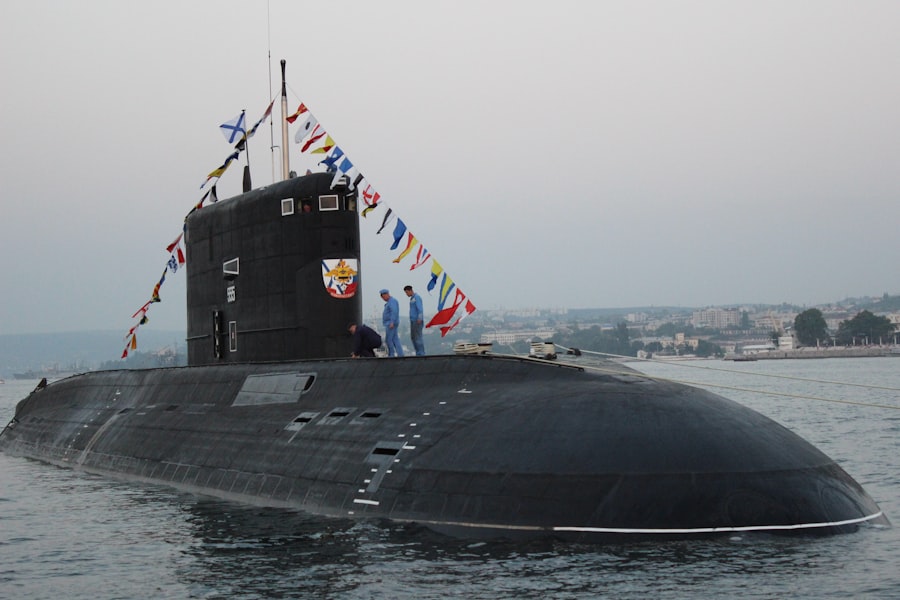
The disappearance of K-129 resonated far beyond Soviet naval headquarters. For the United States, it presented an unprecedented opportunity. The prospect of recovering a modern Soviet submarine, with its advanced technology and potential intelligence secrets, was a prize of immeasurable value. The Central Intelligence Agency (CIA) and the National Reconnaissance Office (NRO), working in concert, embarked on a clandestine operation of monumental scale and complexity, a quest to snatch a ghost from the abyss.
The Hunt for the Lost Hull
Detecting the exact location of a sunken submarine in the vastness of the ocean is a Herculean task. The US Navy, utilizing its sophisticated underwater surveillance capabilities, including sonar arrays and specialized reconnaissance aircraft, began a comprehensive search operation. The goal was to pinpoint the resting place of K-129, a needle in a haystack of oceanic miles. This endeavor was akin to a detective painstakingly sifting through countless clues, each ping of sonar a potential fingerprint of the lost vessel.
Sonar and Oceanographic Surveys
Advanced sonar technology played a crucial role. By deploying passive and active sonar systems, the US was able to listen for acoustic anomalies and map the seafloor. Oceanographic surveys, employing bathymetric mapping and other remote sensing techniques, were also conducted to identify any unusual seafloor features that might indicate a sunken vessel. These techniques, while powerful, required patience and meticulous analysis to distinguish potential targets from natural geological formations.
The Game of Cables: A Covert Operation of Grand Scale
The successful identification of K-129’s resting place, approximately 1.6 kilometers (1 mile) deep in the Pacific Ocean, set in motion Project Azorian. This was an audacious and highly classified operation, a testament to the ingenuity and daring of the era’s intelligence agencies. The objective was not merely to find the submarine, but to retrieve it, or at least significant portions of it, for examination. This was a heist of epic proportions, planned and executed in the Cold War’s deep freeze.
Project Azorian: A Masterpiece of Engineering and Deception
Project Azorian was conceived as a multi-phased endeavor, requiring cutting-edge technology and a masterful deception. The centerpiece of the operation was a specially constructed mining ship named the Glomar Explorer. This vessel, ostensibly owned by a front company, was equipped with a massive, custom-built mechanical claw designed to capture and lift large objects from the seabed. The narrative presented to the public was that Glomar Explorer was engaged in deep-sea mining research.
The “Clementine” System: The Heart of the Retrieval
The primary retrieval mechanism was the “Clementine” system, a sophisticated heavy-lift device that included the giant capture claw, a lifting pipe, and a complex system of winches and control mechanisms. The design and construction of this equipment represented a significant engineering feat, pushing the boundaries of what was thought possible in deep-sea salvage. The sheer scale of the operation meant that any failure would not only be a technical and financial disaster but also a significant intelligence embarrassment.
The Submarine’s Final Ride: A Risky Ascent
The plan was to carefully maneuver the Glomar Explorer over the wreck, lower the capture claw, securely attach it to K-129, and then slowly and meticulously winch the submarine to the surface. This was a process fraught with peril. The immense pressure at that depth could have compressed the hull further, and any slight miscalculation in positioning the claw could have resulted in the wreck breaking apart, rendering the operation futile. The ascent alone took days, a nail-biting journey through the crushing darkness.
The Unveiling of Secrets: What Was Recovered?
During the retrieval attempt in 1974, the Glomar Explorer managed to lift a portion of K-129’s stern section to the surface. Unfortunately, during the ascent, the pressure changes and the strain on the salvaged material caused a significant part of the submarine to break off and fall back to the ocean floor. Nevertheless, the recovered section provided invaluable insights. It contained a portion of the control room and living quarters, and it was here that 50 bodies of the Soviet crew members were found, grim reminders of the human cost of the disaster. These remains were given a respectful burial at sea by the US Navy, a gesture that transcended the hostilities of the Cold War.
The information gleaned from the recovered parts of K-129 was a goldmine for US intelligence. It offered insights into Soviet submarine design, operational procedures, electronic warfare capabilities, and potentially even information about the submarine’s armament and mission. This intelligence was crucial in shaping the US understanding of Soviet naval strength and intentions.
The Echoes of Loss: The Human Element and Geopolitical Ripples
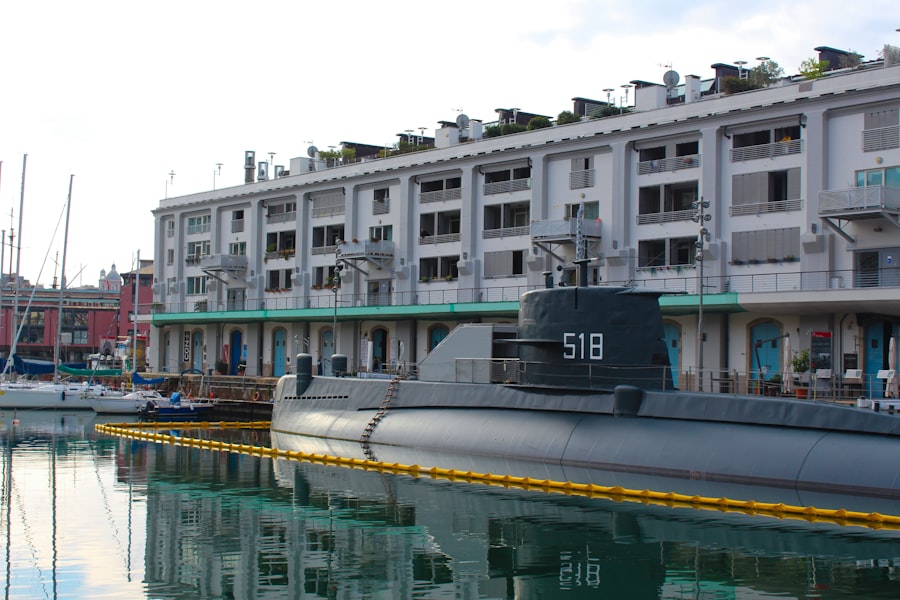
Beyond the technical marvels and clandestine maneuvers, the story of K-129 is a poignant reminder of the human cost of naval warfare and the geopolitical tensions that drove such dangerous missions. The 98 Soviet sailors who perished aboard K-129 were not merely numbers in a ledger of lost assets; they were individuals, sons, husbands, and fathers, whose lives were tragically cut short in the unforgiving depths.
The Crew of K-129: Faces in the Abyss
The identities of the crew members who perished aboard K-129 are etched into the historical record of the tragedy. While details of their personal lives are scarce, their roles were vital to the functioning of the submarine. From the commanding officer, Captain Viktor Savelyev, to the engineers, navigators, and gunners, each member played a part in the complex ballet of underwater operations. Their sacrifice, though largely unknown to the wider Soviet public at the time, represents the hidden burden carried by those who served in the silent service.
The Families Left Behind: A Lingering Silence
For the families of the K-129 crew, the disappearance of their loved ones was a protracted agony. Without definitive information about the cause of the sinking or the fate of the submarine, many were left in a state of agonizing uncertainty for years, if not decades. The Soviet government, prioritizing secrecy, offered little solace or explanation, leaving these families to grapple with grief and the gnawing questions of “what if.” This enduring silence, a consequence of state policy, casts a long shadow over the human dimension of the K-129 mystery.
Geopolitical Ramifications: A Spy Game Continues
The successful, albeit partial, recovery of K-129 by the United States had significant geopolitical ramifications. It reinforced the narrative of American technological superiority in intelligence gathering and deep-sea operations. For the Soviet Union, the revelation of the US operation, which eventually leaked partially to the public through investigative journalism and declassified documents, was a source of embarrassment and a stark reminder of the constant surveillance it faced.
The Arms Race Escalates: A Drive for Superiority
The intelligence gained from K-129 undoubtedly influenced the ongoing arms race. Understanding Soviet technological capabilities allowed the US to better counter them, leading to further advancements in both submarine design and anti-submarine warfare. The successful retrieval operation served as a powerful impetus for both sides to invest more heavily in intelligence, reconnaissance, and technological innovation, perpetuating the cycle of competition.
Secrecy and Deception: The Cold War’s Lingering Legacy
The intense secrecy surrounding both the sinking of K-129 and the subsequent US recovery operation highlights the pervasive nature of deception that characterized the Cold War. Nations operated in a fog of misinformation, where truth was often obscured by strategic advantage. The legacy of such operations, even decades later, continues to fuel historical debate and speculation, reminding us of the shadowy battles fought beneath the surface of international relations.
The Soviet Golf II class submarine K-129, which tragically sank in 1968, has been the subject of extensive research and speculation, particularly regarding its mysterious loss and the subsequent recovery efforts. For those interested in exploring more about the geopolitical implications and the Cold War context surrounding this incident, a related article can provide valuable insights. You can read more about it in this detailed analysis that delves into the complexities of submarine warfare during that era.
The Unanswered Questions: The Enduring Enigma of K-129
| Metric | Details |
|---|---|
| Class | Golf II class (Project 629A) |
| Submarine Name | K-129 |
| Type | Diesel-electric ballistic missile submarine |
| Displacement | 4,000 tons surfaced, 5,000 tons submerged |
| Length | 98 meters (approx.) |
| Beam | 9 meters (approx.) |
| Propulsion | Diesel-electric engines, 2 shafts |
| Speed | 15 knots surfaced, 18 knots submerged |
| Test Depth | 250 meters (approx.) |
| Armament | 3 x R-21 (SS-N-5) ballistic missiles, torpedo tubes |
| Complement | 80-90 crew members |
| Commissioned | 1962 |
| Fate | Sank in 1968 under mysterious circumstances |
Despite the extensive efforts and the partial recovery of K-129, several fundamental questions surrounding its demise remain unanswered, ensuring its place as an enduring enigma. The ocean, a vast repository of secrets, still guards the full truth of what transpired on that fateful day in March 1968.
The Exact Cause of Sinking: A Final Verdict Eludes
While the theory of an internal explosion or fire is the most widely accepted, absolute certainty regarding the precise cause of K-129’s sinking remains elusive. The fragmented nature of the recovered wreckage, coupled with the immense depth at which it rests, makes a definitive forensic analysis of the entire hull impossible. Without a complete wreck, the exact sequence of events leading to its catastrophic descent is a matter of expert conjecture, albeit educated conjecture.
The Missing Sections: What Lies Beyond Reach?
The majority of K-129’s hull, including its forward sections where vital operational and technical data would have been housed, remains on the ocean floor. These sections could potentially hold the key to unlocking the precise cause of the disaster. However, the expense, technical challenges, and political sensitivities associated with attempting a further recovery at such extreme depths make it unlikely that these remaining secrets will be brought to light in the near future.
The Soviet Perspective: A Veiled Narrative
The official Soviet narrative, if one can even be called that given the pervasive secrecy, has always been remarkably circumspect. While acknowledging the loss of the submarine, details regarding the cause and circumstances were kept strictly classified. This deliberate withholding of information further fueled external speculation and left families in prolonged torment. The full Soviet investigation, if it was ever completed in detail and shared internally, remains a closely guarded secret, another layer added to the mystery.
The Silence of a Superpower: A Strategic Decision
The Soviet Union’s choice to maintain such strict secrecy was a strategic decision, driven by a desire to avoid revealing intelligence gaps, operational vulnerabilities, or the full extent of their naval capabilities to their adversary. In the high-stakes game of the Cold War, even the acknowledgment of a technical flaw could be exploited. This strategic silence, while understandable within the context of the era, has contributed to the enduring mystery of K-129.
The Legacy of the Lost Submarine: A Persistent Intrigue
The story of Soviet submarine K-129 transcends a simple maritime disaster; it is a narrative woven from threads of technological ambition, geopolitical rivalry, and the profound human cost of conflict. Its disappearance and the subsequent clandestine recovery operation have left an indelible mark on the history of the Cold War and continue to captivate the imaginations of naval historians, intelligence enthusiasts, and the public alike.
A Symbol of the Cold War’s Depths
K-129 has become a potent symbol of the Cold War’s hidden struggles. It represents the silent, unseen battles fought beneath the waves, the constant technological one-upmanship, and the immense risks undertaken by those who served in the front lines of this ideological struggle. The submarine’s journey from a proud instrument of Soviet power to a ghost in the abyss serves as a stark reminder of the unforgiving nature of the ocean and the high stakes of global conflict.
The Unseen Theatre: A Metaphor for Espionage
The story of K-129 is a powerful metaphor for the unseen theatre of espionage and intelligence gathering that defined the Cold War. Like the submarine itself, much of this activity operated in the shadows, unseen and largely unknown to the general public. The audacious recovery operation, a theatrical performance of technological prowess and strategic maneuvering, underscores the lengths to which nations would go to gain an advantage in this silent war.
The Continuing Allure of the Mystery
The enduring allure of the K-129 mystery lies in its unanswered questions. The ocean floor, a vast and largely unexplored frontier, holds the final pieces of this puzzle. While complete resolution may forever elude us, the story continues to inspire research, debate, and a fascination with the secret world of submarines and subterranean espionage. It is a story that reminds us that even in the deepest waters, the echoes of human ambition and the consequences of conflict can still be felt. The lost submarine K-129, though submerged, remains a vivid presence in the annals of 20th-century history.
WARNING: The $800 Million Mechanical Failure That Almost Started WWIII
FAQs
What was the Soviet Golf II class submarine K-129?
The Soviet Golf II class submarine K-129 was a ballistic missile submarine operated by the Soviet Navy during the Cold War. It was part of the Project 629 class, designed to carry and launch nuclear ballistic missiles.
When did the K-129 submarine sink?
The K-129 submarine sank in March 1968 under mysterious circumstances in the Pacific Ocean. The exact cause of the sinking remains uncertain, but it resulted in the loss of all 98 crew members on board.
What was the significance of the K-129 submarine during the Cold War?
The K-129 was significant because it was part of the Soviet Union’s strategic nuclear deterrent force. Its ballistic missiles were capable of striking targets in the United States, making it a critical component of the Soviet nuclear triad.
Was there any recovery effort for the K-129 submarine?
Yes, the United States launched a secretive recovery operation called Project Azorian in the early 1970s to salvage parts of the K-129 from the ocean floor. The operation aimed to recover Soviet missile technology and cryptographic materials.
What impact did the loss of K-129 have on submarine safety and technology?
The loss of K-129 highlighted the risks associated with submarine operations and led to increased focus on submarine safety, rescue capabilities, and improvements in underwater detection and tracking technologies by both the Soviet Union and the United States.