
The skies above Britain, during the dark winter months of the Blitz, became a canvas for a brutal aerial ballet. The Luftwaffe, the German air force, unleashed waves of bombers, ostensibly aimed at crippling Britain’s war-making capacity. Yet, a closer examination of the bombing campaigns reveals a disquieting pattern: the significant targeting of areas that held little to no strategic value, particularly empty fields. This phenomenon, far from being a mere anomaly, sheds light on the complex motivations, limitations, and evolving strategies that characterized the Luftwaffe’s approach to aerial bombardment during this crucial period of the Second World War.
The Blitz, commencing in September 1940, was intended as the prelude to a full-scale invasion of Britain, codenamed Operation Sea Lion. The Luftwaffe’s objective was to achieve air superiority over the Royal Air Force (RAF), destroy military infrastructure, and, importantly, break the British spirit through terror bombing.
The Phoney War’s End and the Shift to Aggression
Following the swift conquest of France, Hitler’s attention turned towards Britain. The period of the “Phoney War” gave way to a sustained and intense bombing campaign. London, as the heart of the British Empire, was the primary target, but the destructive reach of the Luftwaffe soon extended to other major industrial and population centers.
The Primary Targets: Industry, Infrastructure, and Morale
The initial phase of the Blitz concentrated on areas deemed vital to Britain’s war effort. These included:
- Industrial Complexes: Factories producing aircraft, munitions, and other war materials were squarely in the Luftwaffe’s sights. Sabotaging these facilities was seen as a direct blow to Britain’s ability to fight.
- Ports and Docks: Control of maritime trade routes was paramount. Attacks on ports aimed to choke off supplies and disrupt the movement of troops and matériel.
- Transportation Hubs: Rail yards, bridges, and major roads were targeted to impede the movement of military forces and resources.
- Morale Bombing: While often denied, the deliberate targeting of civilian areas, particularly at night, was a significant component of the Blitz. The aim was to sow panic, disrupt daily life, and create overwhelming pressure on the British government to negotiate.
During the Blitz, the Luftwaffe’s strategy of bombing empty fields has puzzled many historians and military analysts. A related article that delves into the motivations behind this seemingly irrational tactic can be found on In the War Room. The piece explores how the German air force aimed to instill fear and disrupt daily life in Britain, even if it meant targeting areas with little strategic value. For a deeper understanding of this controversial aspect of the Blitz, you can read the full article here: In the War Room.
When the Bombs Fell on Furrows: The Enigma of Empty Fields
Despite the stated strategic objectives, evidence and accounts from the Blitz reveal a persistent and perplexing trend: the dropping of bombs on seemingly empty, often agricultural, land. This was not a sporadic occurrence but a recurring feature of many raid sorties. To understand this, one must delve into the operational realities faced by the Luftwaffe aircrews.
The Fog of War: Navigation and Weather Challenges
The darkness of night, coupled with the unpredictable British weather, presented formidable obstacles to accurate aerial navigation and bombing.
- Inaccurate Navigation Systems: While the Luftwaffe possessed sophisticated navigation aids for its time, they were not infallible. Relying on visual landmarks, radio beacons, and dead reckoning could lead to significant positional errors, especially in poor visibility.
- Weather’s Unseen Hand: Cloud cover, fog, and strong winds could obscure targets, distort visual cues, and even physically buffet aircraft off course. A bomber captain, for instance, flying through a thick bank of clouds, might have had only a vague sense of his position relative to the target zone.
- The Compass as a Deceptive Guide: The magnetic compass, a mainstay of aerial navigation, could be affected by the metallic components of the aircraft itself, leading to subtle but crucial deviations from the intended course.
The Pressure Cooker of Combat: Mission Imperatives
The realities of combat pressure and the urgent need to complete a mission often superseded the pursuit of pinpoint accuracy.
- “Bombs Away” Protocol: In many bombing protocols, aircrews were under implicit or explicit orders to release their ordnance once they had reached the approximate target area or a designated “release point,” regardless of perfect visual confirmation. This was a pragmatic measure to ensure that bombs did not return to base, a potentially dangerous action with the risk of accidental detonation.
- Minimum Bomb Load Release: Aircraft carried a specific bomb load for each mission. The imperative was often to expend this load to achieve some form of effect, even if the precise target was obscured or uncertain. This is akin to a chef having a set amount of ingredients; they must use them, even if the perfect seasoning is elusive.
- Diverting from the Primary Target: If the primary target was heavily defended by anti-aircraft fire or fighter aircraft, or if weather conditions made a direct approach impossible, crews might divert to secondary, less defended areas. These secondary objectives might include open countryside.
The Psychological Dimension: A Calculated Scatter?
While not always explicitly stated, there may have been a psychological element to this practice, however unintentional.
- Spreading Undesired Effects: Even the bombing of empty fields could have unintended consequences for the civilian population. The sound of explosions, the fear of being targeted, and the disruption to rural life and agriculture could contribute to the overall climate of terror.
- A Message of Pervasive Threat: The indiscriminate nature of some attacks, even those hitting open ground, could create a pervasive sense of threat. The knowledge that bombs could fall anywhere, even seemingly random locations, might have been intended to erode civilian morale and create a sense of constant vulnerability.
The Operational Constraints: Limits of Technology and Training
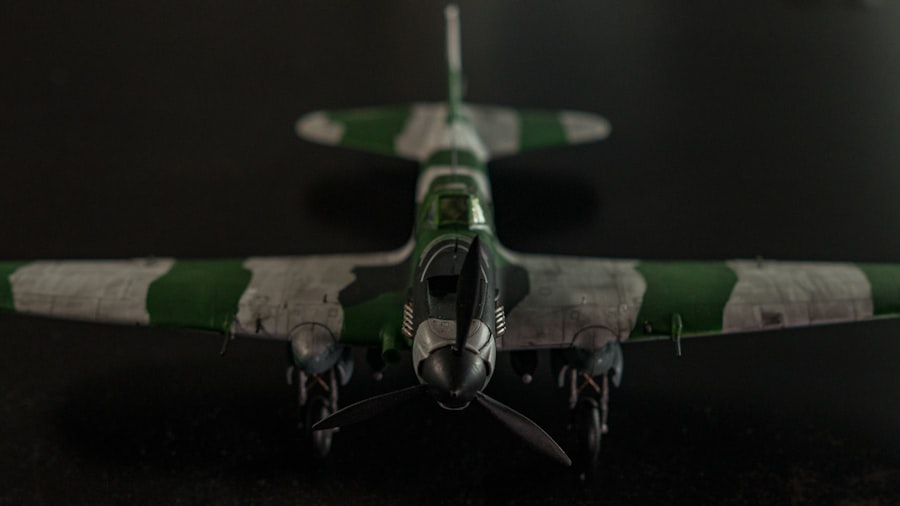
The Luftwaffe’s bombing efforts, while formidable, were constrained by the technological limitations of the era and the training of their aircrews.
Bomber Design and Bomb Sight Limitations
The aircraft of the period, while impressive, had inherent limitations that impacted bombing accuracy.
- Vulnerability to Defenses: Bomber designs were often a compromise between payload capacity, range, and defensibility. This often meant that aircraft flew at higher altitudes to avoid anti-aircraft fire, which paradoxically reduced bombing accuracy.
- Early Bomb Sights: While bomb sights were improving throughout the war, early models were less sophisticated than their later counterparts. They relied on calculations based on altitude, airspeed, and wind, but these calculations could be thrown off by unexpected atmospheric conditions. Imagine trying to thread a needle in a hurricane; the tools and conditions are working against you.
Crew Training and Experience
The effectiveness of bombing also depended heavily on the skill and experience of the aircrews.
- Rookie Crews and High-Pressure Missions: Many crews, particularly in the early stages of the war, were relatively inexperienced. The intense pressure of combat, coupled with the need to operate in hostile airspace, could lead to mistakes and deviations from planned bombing runs.
- The “Blind” Bombing Problem: Night bombing, by its very nature, often devolved into a form of “blind” bombing. Without visual confirmation, crews were essentially dropping their ordnance into a general area, hoping for the best.
The Evolution of Strategy: From Blitzkrieg to Attrition

The Luftwaffe’s bombing strategy did not remain static throughout the Blitz. As the campaign progressed and British defenses stiffened, the nature and effectiveness of the attacks evolved.
The Shift Away from London
As the Battle of Britain subsided and the RAF became more adept at defending the capital, the Luftwaffe began to shift its focus.
- The “Baedeker Raids”: In response to RAF raids on German cities, the Luftwaffe launched a series of retaliatory attacks against smaller, historic British towns, known as the Baedeker Raids. While these raids gained notoriety for their cultural targets, they also involved bombing of surrounding agricultural areas.
The Importance of Daylight Raids and Precision Bombing Attempts
While night bombing characterized the Blitz, there were also attempts at daylight raids.
- The Allure of Daylight: Daylight offered better visibility, theoretically allowing for more accurate targeting. However, daylight raids also exposed bombers to greater fighter threat from the RAF.
- Technological Advancement and Strategic Goals: As bombing technology advanced and Britain’s industrial capacity grew, the Luftwaffe began to place more emphasis on precision attacks, though the effectiveness of these attempts against dispersed industrial targets remained a challenge.
During the Blitz, the Luftwaffe’s strategy included bombing seemingly empty fields, a tactic that puzzled many historians. This approach was intended to create a sense of fear and uncertainty among the British population, as discussed in a related article that explores the psychological warfare aspects of these bombings. For a deeper understanding of this strategy and its implications, you can read more about it in this insightful piece on psychological tactics used during the war.
Explaining the “Empty Field” Phenomenon: A Multifaceted Picture
| Metric | Data/Value | Explanation |
|---|---|---|
| Number of Empty Fields Bombed | Estimated 15-20 | During the Blitz, Luftwaffe occasionally bombed empty fields to mislead British defenses. |
| Purpose of Bombing Empty Fields | Deception and Distraction | To confuse radar and anti-aircraft defenses, making it harder to predict main attack targets. |
| Effectiveness of Deception | Moderate | Some success in diverting British resources, but overall limited impact on defense strategy. |
| Percentage of Total Bombing Runs | Approximately 5% | Bombing empty fields was a small fraction of total sorties during the Blitz. |
| Impact on Civilian Morale | Minimal | Bombing empty fields did not significantly affect civilian morale compared to urban bombings. |
The dropping of bombs on empty fields during the Blitz was not a singlevariable problem. It was the product of a confluence of factors, a complex tapestry woven from the threads of operational necessity, technological limitation, and the brutal realities of aerial warfare.
Practicality Over Precision: The Mission’s Demands
The overriding imperative for aircrews was often to successfully complete their mission and return to base.
- “Bombing the Patch”: When visual confirmation was impossible, crews would often drop their bombs on the last known position or a designated “bombing patch” over the target area. This patch might encompass industrial areas, but it also invariably included the surrounding countryside.
- The Unavoidable Bycatch: This “bombing the patch” approach meant that even if the intended target was a factory, the bombs could easily land in adjacent fields. It was the unavoidable collateral effect of the fog of war.
The Luftwaffe’s Strategic Dilemmas
The Luftwaffe faced significant strategic dilemmas that influenced its bombing tactics.
- Lack of Sustained Strategic Bombing Doctrine: Unlike the later Allied bombing campaigns, the Luftwaffe never fully developed a comprehensive and sustained strategic bombing doctrine. Their approach was often more focused on tactical interdiction and area bombing.
- Resource Limitations: The Luftwaffe, while powerful, did not have an unlimited supply of aircraft or experienced crews. They were engaged in multiple theaters of war, and the Blitz was just one facet of their operations.
Historical Perspectives and the Narrative of the Blitz
It is important to consider how the bombing of empty fields fits into the broader historical narrative of the Blitz.
- The Focus on Civilian Suffering: The narrative of the Blitz often rightly focuses on the devastating impact of bombing on cities and civilian populations. However, understanding the less dramatic, yet equally prevalent, instances of bombing open country provides a more complete picture of the operational reality.
- A Testament to the Challenges of Air Warfare: The bombing of empty fields is a stark reminder of the immense challenges faced by aircrews and the inherent inaccuracies in bombing operations during this period. It underscores that aerial warfare, even with the best intentions, was often a messy and imprecise business.
In conclusion, the Luftwaffe’s practice of bombing empty fields during the Blitz was not a sign of deliberate malice directed at agriculture. Instead, it was a pragmatic, albeit often unintended, consequence of the operational realities of aerial warfare in the 1940s. Facing the formidable challenges of navigation in darkness and adverse weather, under the immense pressure of combat, and within the constraints of available technology, aircrews often had to make difficult decisions to release their ordnance. The scattering of bombs across the British countryside, while perhaps less headline-grabbing than the destruction of cities, served as a constant, unsettling reminder of the pervasive threat hanging over Britain, a silent testament to the fog of war and the imperfect science of aerial bombardment.
FAQs
Why did the Luftwaffe bomb empty fields during the Blitz?
The Luftwaffe sometimes bombed empty fields during the Blitz due to navigational errors, poor weather conditions, or as part of a strategy to disrupt infrastructure and morale by targeting areas near cities.
Was bombing empty fields a common tactic in the Blitz?
No, bombing empty fields was not a primary tactic. The Luftwaffe mainly targeted urban centers, industrial sites, and military installations, but occasional misdirected or strategic bombings of less populated areas occurred.
Did bombing empty fields have any military significance?
In some cases, bombing empty fields was intended to destroy farmland, disrupt supply lines, or create firebreaks, but often it was accidental or a result of imprecise bombing technology at the time.
How did the British respond to bombings of empty fields?
The British civil defense focused on protecting populated areas and infrastructure. Bombings of empty fields were generally less damaging but still contributed to overall wartime disruption and required monitoring.
What role did technology play in the Luftwaffe’s bombing accuracy?
Limited navigation and targeting technology during World War II often led to inaccurate bomb drops, causing bombs to fall on unintended locations such as empty fields instead of their intended urban or military targets.