The Mexican-American War (1846-1848) was a significant military conflict driven by American territorial expansion, national identity, and the ideology of Manifest Destiny. The war’s origins lay in the annexation of Texas, which had gained independence from Mexico in 1836. When the United States incorporated Texas into the Union in 1845, Mexico viewed this action as an aggressive move, creating diplomatic tensions between the two nations.
President James K. Polk, a strong advocate for westward expansion, authorized American troops to occupy the disputed territory between Texas and Mexico. Military skirmishes in this border region escalated into full-scale warfare.
The conflict resulted in significant territorial changes in North America and triggered major political, social, and economic transformations in both countries. The war’s effects had lasting implications for U.S.-Mexico relations and affected populations throughout the region for decades to come.
The conclusion of the Mexican-American War was marked by the signing of the Treaty of Guadalupe Hidalgo in 1848, which resulted in significant territorial changes for both nations. Under the terms of the treaty, Mexico ceded approximately half of its territory to the United States, including present-day California, Arizona, New Mexico, Nevada, Utah, and parts of Colorado and Wyoming. This dramatic shift not only expanded U.S.
territory but also fulfilled the vision of Manifest Destiny, as Americans believed it was their divine right to expand across the continent. The annexation of these vast lands brought about a myriad of challenges and opportunities. For the United States, it opened up new avenues for settlement and economic development, particularly during the California Gold Rush that followed shortly after.
However, this expansion also intensified debates over slavery and its extension into new territories, setting the stage for future conflicts that would culminate in the Civil War. For Mexico, the loss was devastating; it not only diminished its territorial integrity but also left a lasting scar on its national psyche, fostering resentment and a sense of betrayal that would linger for decades.
Watch the heartbreaking moment of
The economic repercussions of the Mexican-American War were profound and far-reaching for Mexico. The loss of nearly half its territory not only stripped the nation of valuable resources but also disrupted its economic stability. The ceded lands were rich in minerals and agricultural potential, which could have contributed significantly to Mexico’s economy had they remained under its control.
Instead, these resources became part of the burgeoning American economy, fueling growth and prosperity in the United States. In addition to the immediate loss of territory, Mexico faced a long-term economic decline exacerbated by political instability and social unrest following the war. The war had weakened Mexico’s central government and left it vulnerable to internal conflicts and foreign interventions.
As a result, economic development stagnated, and many Mexicans experienced poverty and disenfranchisement. The war’s aftermath created a cycle of economic challenges that would hinder Mexico’s progress for years to come.
Political Impact on the United States
The Mexican-American War had significant political ramifications within the United States, reshaping its political landscape and intensifying sectional divisions. The acquisition of new territories reignited fierce debates over slavery’s expansion into these regions.
The question of whether new states would enter the Union as free or slave states became a contentious issue that polarized American society and contributed to rising tensions between the North and South.
Moreover, the war bolstered the power of the executive branch under President Polk, who had aggressively pursued military action without congressional approval. This shift in power dynamics raised concerns about presidential authority and set a precedent for future military engagements without explicit legislative consent. The political fallout from the war also led to the emergence of new political movements and parties, including the Free Soil Party, which opposed the expansion of slavery into new territories.
These developments would ultimately play a crucial role in shaping American politics leading up to the Civil War.
Social Impact on Mexican-Americans
| Metric |
Description |
Impact |
| Territorial Expansion |
Acquisition of over 500,000 square miles of land including present-day California, Arizona, New Mexico, and others |
Significantly increased U.S. landmass and resources |
| Population Growth |
Incorporation of approximately 80,000 Mexican citizens into the U.S. |
Demographic changes and cultural integration challenges |
| Slavery Debate Intensification |
New territories raised questions about the expansion of slavery |
Contributed to sectional tensions leading to the Civil War |
| Military Experience |
Provided combat experience to many officers who later served in the Civil War |
Shaped future U.S. military leadership |
| U.S.-Mexico Relations |
Long-term diplomatic tensions and border disputes |
Ongoing political and social challenges between the two nations |
| Economic Impact |
Access to new resources and trade routes |
Boosted U.S. economic growth and westward development |
The social consequences of the Mexican-American War were profound for those who found themselves living in newly acquired territories. Mexican-Americans faced significant challenges as they navigated their identities in a rapidly changing landscape. Many individuals who had previously enjoyed certain rights and privileges under Mexican rule suddenly found themselves marginalized and discriminated against in an increasingly Anglo-centric society.
As American settlers moved into these territories, tensions often flared between Anglo-Americans and Mexican-Americans. Land disputes became common as Anglo settlers encroached upon lands that had been owned by Mexican families for generations. This led to a loss of property rights for many Mexican-Americans and contributed to a broader sense of alienation from their own communities.
The war thus marked a turning point in their social status, as they grappled with issues of identity, belonging, and cultural preservation in a society that often viewed them with suspicion.
Impact on Indigenous Peoples
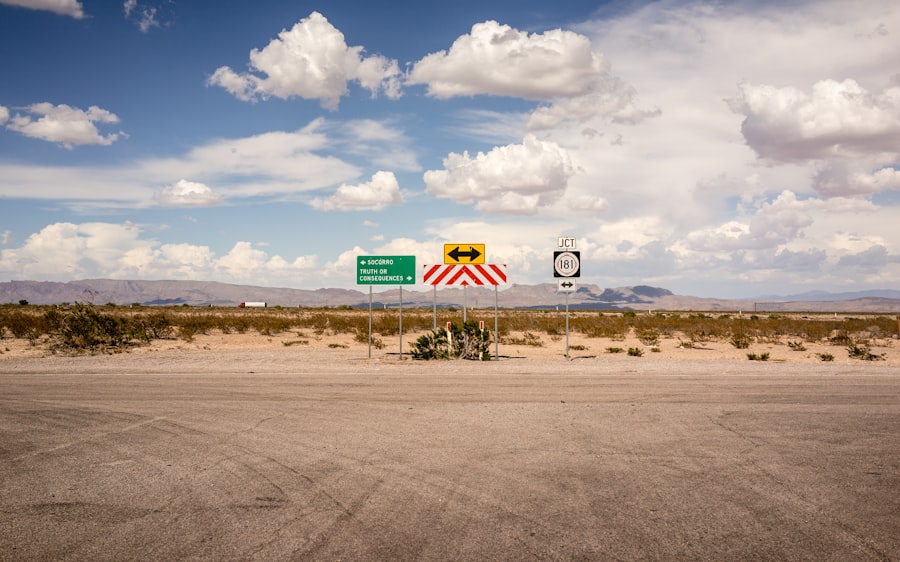
The Mexican-American War also had devastating effects on Indigenous peoples living in the territories that were ceded to the United States. Many Native American tribes found themselves caught in the crossfire of conflict as their lands were claimed by both Mexican and American governments. The war exacerbated existing tensions between Indigenous groups and settlers, leading to further displacement and violence.
As American settlers moved westward into newly acquired territories, Indigenous peoples faced increased encroachment on their lands and resources. The U.S. government’s policies toward Native Americans during this period often prioritized expansion over Indigenous rights, resulting in forced removals and broken treaties.
The war thus marked a significant chapter in the ongoing struggle for Indigenous sovereignty and rights in North America, with long-lasting consequences that would reverberate through subsequent generations.
Cultural Exchange and Influence
Despite the conflict’s destructive nature, the Mexican-American War also facilitated cultural exchange between Mexico and the United States. As American troops occupied Mexican territories, they encountered rich traditions, languages, and customs that influenced American culture in various ways. This exchange manifested itself in art, cuisine, music, and language, contributing to a more diverse cultural landscape in the United States.
For instance, Mexican cuisine began to gain popularity in America during this period, with dishes such as tacos and enchiladas becoming staples in many American households. Additionally, elements of Mexican art and architecture began to permeate American culture, enriching it with vibrant colors and unique styles. This cultural blending highlighted how even amidst conflict, human connections could foster understanding and appreciation across borders.
Long-Term Border Relations
The legacy of the Mexican-American War has had lasting implications for U.S.-Mexico relations that continue to shape interactions between the two nations today. The war established a contentious border that has been marked by both cooperation and conflict over the years. Issues such as immigration, trade, and security have remained central to bilateral relations since the war’s conclusion.
In recent decades, discussions surrounding border security have intensified as both countries grapple with challenges related to immigration and drug trafficking. While there have been efforts to strengthen ties through trade agreements like NAFTA (now USMCA), historical grievances stemming from the war still influence perceptions on both sides of the border. The complexities of these relations underscore how historical events can shape contemporary issues and highlight the need for ongoing dialogue and collaboration.
Legacy of the War in Mexico
In Mexico, the legacy of the Mexican-American War is deeply ingrained in national consciousness. The loss of territory is often viewed as a national tragedy that has shaped Mexico’s identity and relationship with its northern neighbor. This historical event has been commemorated through literature, art, and public discourse as a reminder of resilience in the face of adversity.
Moreover, the war has influenced Mexico’s political landscape by fostering a sense of nationalism that emerged in response to foreign aggression. This sentiment has been reflected in various movements throughout history aimed at reclaiming sovereignty and promoting social justice. The memory of this conflict continues to resonate within Mexican society as citizens reflect on their history and strive for a more equitable future.
Legacy of the War in the United States
In contrast, the legacy of the Mexican-American War in the United States is often viewed through a lens of triumphalism associated with territorial expansion. However, this perspective can obscure the complexities surrounding issues such as race relations and national identity that emerged from this conflict. The war’s outcomes contributed to shaping American identity as a nation defined by its expansionist ambitions but also highlighted deep-seated divisions over issues like slavery.
The war’s legacy is also evident in contemporary discussions about immigration policy and border security as Americans grapple with their historical relationship with Mexico. Understanding this legacy requires acknowledging both the triumphs associated with territorial gains and the injustices faced by marginalized communities as a result of those expansions.
Lessons Learned from the Mexican-American War
The Mexican-American War offers valuable lessons about the consequences of military conflict driven by expansionist ideologies. It serves as a reminder that territorial gains often come at significant human costs—both for those who are displaced and for those who engage in warfare. The complexities surrounding national identity, race relations, and cultural exchange highlight how historical events can shape contemporary issues.
Furthermore, this conflict underscores the importance of diplomacy over military action when addressing international disputes. As nations navigate their relationships with one another today, reflecting on past conflicts like the Mexican-American War can inform more constructive approaches to resolving differences peacefully while fostering mutual respect and understanding across borders.
The long-term consequences of the Mexican-American War have had a profound impact on the relationship between the United States and Mexico, shaping cultural, political, and social dynamics that persist to this day. For a deeper understanding of these implications, you can explore a related article on this topic at In the War Room, which delves into the historical context and ongoing effects of the conflict.
WATCH THIS 🛑 How Mexico’s Loss Became America’s $11 Trillion Engine
FAQs
What were the main territorial changes resulting from the Mexican-American War?
The Mexican-American War resulted in the Treaty of Guadalupe Hidalgo in 1848, through which Mexico ceded approximately half of its territory to the United States. This included present-day California, Nevada, Utah, Arizona, New Mexico, and parts of Colorado, Wyoming, Kansas, and Oklahoma.
How did the Mexican-American War affect U.S. domestic politics?
The war intensified debates over the expansion of slavery into new territories, contributing to sectional tensions between the North and South. These tensions were a significant factor leading up to the American Civil War.
What impact did the war have on Mexico?
Mexico suffered significant territorial losses and political instability following the war. The loss of land weakened Mexico economically and militarily, and the war exacerbated internal divisions and conflicts.
Did the Mexican-American War influence U.S. military development?
Yes, the war served as a training ground for many officers who later became prominent in the American Civil War. It also led to improvements in military tactics and logistics for the U.S. Army.
How did the war affect relations between the United States and Mexico in the long term?
The war left a legacy of mistrust and resentment between the two countries. While relations have improved over time, the conflict remains a sensitive historical issue in Mexico.
What were the consequences of the war for Native American populations?
The territorial expansion of the United States into the Southwest led to increased displacement and conflict for many Native American tribes, as U.S. settlers and the government encroached on their lands.
Did the Mexican-American War have any impact on U.S. foreign policy?
The war marked a significant moment in U.S. expansionism and the doctrine of Manifest Destiny. It established the United States as a dominant power in North America and influenced future foreign policy decisions regarding territorial acquisition.