Soviet military history encompasses the development and operations of the armed forces of the Soviet Union from 1917 to 1991. Following the collapse of the Russian Empire and the Bolshevik Revolution in 1917, the newly established Soviet state created military institutions to defend against internal opposition and external threats. The Soviet military underwent significant organizational, technological, and doctrinal changes throughout its existence, becoming one of the world’s major military powers during the 20th century.
The formation of Soviet military forces began during the Russian Civil War (1918-1921), when the Bolshevik government established the Workers’ and Peasants’ Red Army to combat counter-revolutionary forces and foreign intervention. Under the leadership of Leon Trotsky and later military commanders, the Red Army developed from a revolutionary militia into a structured military organization. The Soviet military subsequently participated in major conflicts including World War II, where it played a decisive role in defeating Nazi Germany, and the Cold War period, during which it maintained strategic parity with NATO forces.
Throughout its history, the Soviet military developed distinctive operational concepts, including deep battle theory, combined arms warfare, and nuclear doctrine. These military innovations influenced global military thinking and practices. The Soviet armed forces also served as an instrument of state policy, supporting communist movements worldwide and maintaining the Soviet sphere of influence during the Cold War era.
Key Takeaways
- The Soviet military evolved rapidly from its revolutionary origins to become a dominant global force.
- World War II was a pivotal period that shaped Soviet military strategy and capabilities.
- Cold War tensions drove significant advancements in Soviet military technology and strategic doctrine.
- The collapse of the Soviet Union led to major shifts in military structure and influence worldwide.
- Soviet military history continues to impact modern Russian defense policies and global military thought.
The Rise of the Soviet Military
The rise of the Soviet military can be traced back to the tumultuous years following the Bolshevik Revolution. Initially, the Red Army was formed to combat counter-revolutionary forces during the Russian Civil War. Despite facing significant challenges, including a lack of resources and experienced personnel, the Red Army quickly adapted and developed a distinct identity.
Under the leadership of figures like Leon Trotsky, who served as the People’s Commissar for War, the Red Army implemented innovative tactics that emphasized mobility and political indoctrination. As the 1920s progressed, the Soviet military underwent significant restructuring and modernization efforts. The introduction of mechanized units and an emphasis on combined arms operations marked a departure from traditional warfare methods.
The establishment of military academies and training programs helped cultivate a new generation of officers who were well-versed in modern tactics. This period laid the groundwork for what would become one of the most formidable military forces in history.
The Impact of World War II on Soviet Military History
World War II was a defining moment for the Soviet military, shaping its strategies and capabilities in profound ways. The initial stages of the war were marked by catastrophic losses for the Red Army, particularly during Operation Barbarossa when Nazi Germany invaded the Soviet Union in 1941. The early setbacks exposed significant weaknesses in Soviet military doctrine and preparedness.
However, these challenges also spurred rapid adaptation and innovation within the military ranks. The turning point came with the Battle of Stalingrad in 1942-1943, where Soviet forces achieved a decisive victory against German troops. This battle not only marked a shift in momentum but also showcased the effectiveness of Soviet tactics, including encirclement and counteroffensive operations.
The Red Army’s ability to mobilize vast resources and manpower played a crucial role in its eventual victory over Nazi Germany. By the end of the war, the Soviet military had transformed into a highly organized and efficient fighting force, capable of executing complex operations across multiple fronts.
The Cold War and Soviet Military Strategy
The Cold War era ushered in a new phase for Soviet military strategy, characterized by a focus on deterrence and nuclear capabilities. Following World War II, the Soviet Union emerged as one of two superpowers, leading to an arms race with the United States. The doctrine of Mutually Assured Destruction (MAD) became central to Soviet military thinking, emphasizing the need for a robust nuclear arsenal to deter potential aggression.
During this period, the Soviet military also expanded its conventional forces and developed strategies for limited warfare.
This strategy was evident in conflicts such as the Korean War and later in Vietnam, where Soviet military advisors played crucial roles in shaping local forces.
The Cold War not only solidified the Soviet military’s status as a global power but also highlighted its adaptability in responding to shifting geopolitical landscapes.
Soviet Military Technology and Innovation
| Year | Event | Significance | Casualties | Military Strength |
|---|---|---|---|---|
| 1941-1945 | Great Patriotic War (Eastern Front of WWII) | Defeat of Nazi Germany, turning point in WWII | Approx. 8.7 million military deaths | Over 12 million soldiers at peak |
| 1949 | Formation of Warsaw Pact | Military alliance of Soviet and Eastern Bloc countries | N/A | Combined forces of 8 member states, millions of troops |
| 1962 | Cuban Missile Crisis | Closest Cold War came to nuclear conflict | None (no direct combat) | Soviet nuclear missiles deployed in Cuba |
| 1979-1989 | Soviet-Afghan War | Prolonged conflict draining Soviet resources | Approx. 15,000 Soviet military deaths | About 100,000 troops deployed at peak |
| 1991 | Dissolution of the Soviet Union | End of Soviet military as a unified force | N/A | Transition to Russian Armed Forces and other successor states |
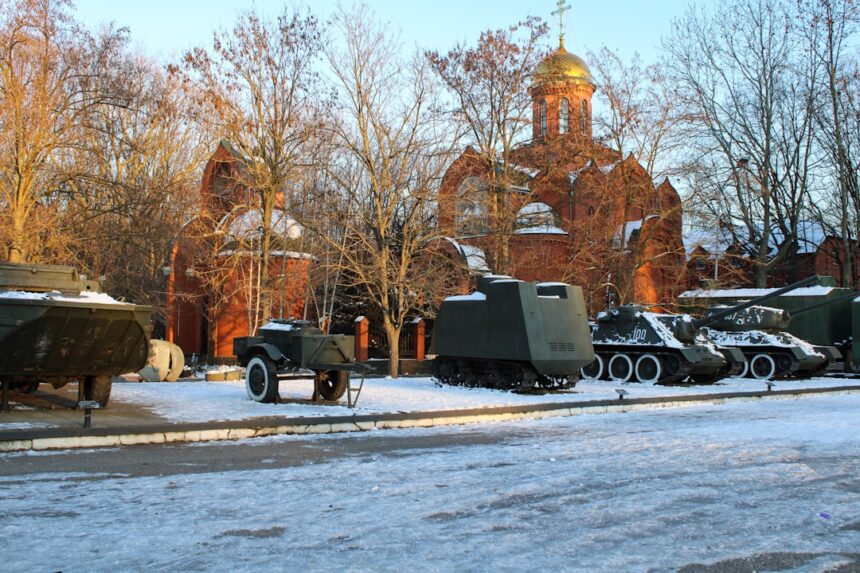
Soviet military history is marked by significant technological advancements that often paralleled or even surpassed those of Western powers. From early innovations in tank design during World War II to advancements in missile technology during the Cold War, the Soviet Union prioritized research and development within its military-industrial complex. The T-34 tank, for instance, became legendary for its effectiveness on the battlefield, combining firepower, mobility, and armor in a way that revolutionized armored warfare.
The space race also played a pivotal role in shaping Soviet military technology. The launch of Sputnik in 1957 not only demonstrated technological prowess but also had direct implications for military applications, particularly in missile technology and reconnaissance capabilities. The development of intercontinental ballistic missiles (ICBMs) further solidified the Soviet Union’s position as a nuclear superpower.
These innovations were not merely about keeping pace with adversaries; they reflected a broader commitment to maintaining strategic superiority on multiple fronts.
The Legacy of Soviet Military Leadership

The legacy of Soviet military leadership is characterized by a blend of strategic brilliance and controversial decisions. Figures such as Georgy Zhukov emerged as iconic leaders during World War II, known for their decisive actions that turned the tide against Nazi Germany. Zhukov’s leadership during key battles like Stalingrad and Kursk showcased his ability to execute complex operations under immense pressure.
However, not all leaders were celebrated for their contributions. The purges of the late 1930s decimated much of the Red Army’s officer corps, leading to significant gaps in experience and expertise at critical moments during World War
Soviet Military Influence on Global Conflicts
The influence of Soviet military doctrine extended far beyond its borders, shaping conflicts around the world during the 20th century. The principles of asymmetric warfare and guerrilla tactics were disseminated through various means, including training programs for foreign militaries and support for revolutionary movements. Countries such as Cuba, Vietnam, and various nations in Africa adopted elements of Soviet military strategy to combat colonial powers or establish socialist regimes.
The impact was particularly evident during conflicts like the Vietnam War, where North Vietnamese forces employed tactics inspired by Soviet doctrine to counter American technological superiority. The success of these strategies not only bolstered Soviet influence but also challenged Western notions of conventional warfare. As a result, Soviet military thought became integral to revolutionary movements worldwide, leaving an enduring legacy that continues to resonate in contemporary conflicts.
The Collapse of the Soviet Union and its Impact on Military History
The collapse of the Soviet Union in 1991 marked a seismic shift in global military dynamics and left an indelible mark on its military history. The disintegration of this superpower led to significant reductions in military capabilities and resources, as former republics sought independence and redefined their national security strategies. The once-mighty Red Army faced challenges related to morale, funding, and cohesion as it transitioned into a post-Soviet landscape.
This period also saw a reevaluation of military doctrine and strategy among former Soviet states. Many nations sought to distance themselves from Moscow’s influence while grappling with legacy issues such as outdated equipment and training practices. The fragmentation of the Soviet military apparatus resulted in varying degrees of success among successor states as they navigated their paths toward modernization and integration into global security frameworks.
Soviet Military Legacy in Modern Russia
In contemporary Russia, remnants of Soviet military legacy continue to shape national defense policies and strategies. The Russian Federation has sought to rebuild its military capabilities while drawing on historical lessons from its Soviet past. This includes an emphasis on modernization efforts aimed at enhancing technological prowess and operational readiness.
The use of information warfare, cyber capabilities, and unconventional tactics demonstrates an understanding of how to leverage asymmetric advantages against adversaries. As Russia navigates its role on the global stage, it remains influenced by its historical experiences while striving to assert itself as a major military power.
Lessons Learned from Soviet Military History
Soviet military history offers valuable lessons that resonate beyond its borders and time period. One key takeaway is the importance of adaptability in response to changing circumstances on the battlefield. The ability to learn from failures—such as those experienced during early World War II—was crucial for eventual success against formidable adversaries.
Additionally, the interplay between political ideology and military strategy serves as a reminder that effective leadership must balance political objectives with operational realities. The purges that weakened command structures highlight how internal politics can undermine military effectiveness. Understanding these dynamics is essential for contemporary militaries seeking to navigate complex geopolitical landscapes.
The Future of Soviet Military Legacy
As nations grapple with evolving security challenges in an increasingly multipolar world, the legacy of Soviet military history will continue to inform strategic thinking and operational planning. The principles established during this era—ranging from combined arms operations to asymmetric warfare—remain relevant as militaries adapt to new technologies and threats. Moreover, ongoing conflicts around the globe reflect enduring influences from Soviet doctrine, particularly in regions where historical ties persist.
As countries seek to modernize their armed forces while learning from past experiences, they will inevitably engage with elements of this rich military legacy that shaped much of 20th-century warfare. In this way, Soviet military history will remain a vital component of contemporary discussions on defense strategy and international relations for years to come.
For those interested in exploring the complexities of Soviet military history, a valuable resource can be found in the article available at this link. This article delves into various aspects of the Soviet military’s strategies and operations, providing insights that are essential for understanding the broader context of military engagements during the Soviet era.
FAQs
What time period does Soviet military history cover?
Soviet military history primarily covers the period from the establishment of the Soviet Union in 1922 until its dissolution in 1991.
What were the major conflicts involving the Soviet military?
Major conflicts include the Russian Civil War (1917-1923), World War II (known as the Great Patriotic War in the USSR, 1941-1945), the Korean War (1950-1953), the Soviet-Afghan War (1979-1989), and various Cold War-era proxy wars.
What was the role of the Soviet military during World War II?
The Soviet military played a crucial role in defeating Nazi Germany, bearing the brunt of the Eastern Front fighting, and ultimately capturing Berlin in 1945.
How was the Soviet military organized?
The Soviet military was organized into several branches, including the Red Army (ground forces), the Soviet Navy, and the Soviet Air Forces, all overseen by the Ministry of Defense and the General Staff.
What was the significance of the Soviet military during the Cold War?
During the Cold War, the Soviet military was a central element of the USSR’s global power, maintaining a large nuclear arsenal, engaging in arms races with the United States, and supporting allied communist states and movements worldwide.
What technological advancements did the Soviet military develop?
The Soviet military developed significant advancements such as the T-34 tank, the MiG series of fighter aircraft, intercontinental ballistic missiles (ICBMs), and nuclear submarines.
How did the Soviet military influence global geopolitics?
The Soviet military influenced global geopolitics by supporting communist allies, participating in proxy wars, and maintaining a strategic balance of power with NATO during the Cold War.
What led to the decline of the Soviet military?
Factors included economic difficulties, technological lag behind the West, political instability, and the eventual dissolution of the Soviet Union in 1991.
What happened to the Soviet military after the USSR dissolved?
After 1991, the Soviet military was largely succeeded by the Russian Armed Forces and the militaries of other former Soviet republics, with significant restructuring and downsizing.